

Crisp, refreshing, and versatile, cucumbers are a must-have in any home garden. Whether you’re growing them for salads, pickles, or a healthy snack, cucumbers are a rewarding and easy crop to cultivate.
With a few simple techniques, you can grow exceptional cucumbers that are delicious, disease-free, and abundant. Here’s your ultimate guide to growing cucumbers like a pro.
Why Grow Cucumbers at Home?
- Freshness: Nothing beats the flavor of a freshly picked cucumber.
- Cost Savings: Growing cucumbers saves money compared to store-bought options.
- Health Benefits: Cucumbers are low in calories, hydrating, and rich in vitamins.
- Easy to Grow: Cucumbers are fast-growing and perfect for beginners.
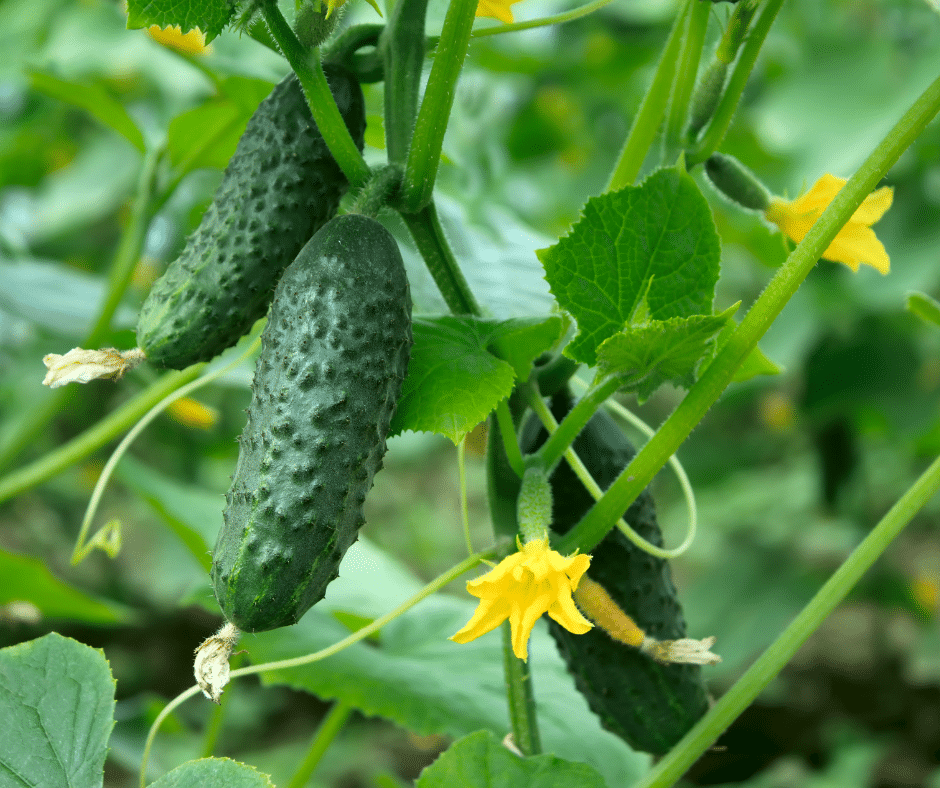
Types of Cucumbers
Before planting, it’s important to know which type of cucumber is best for your garden:
1. Slicing Cucumbers
- Large, smooth cucumbers ideal for fresh eating.
- Popular varieties: Marketmore, Straight Eight.
2. Pickling Cucumbers
- Smaller, bumpy cucumbers perfect for making pickles.
- Popular varieties: Boston Pickling, National Pickling.
3. Burpless Cucumbers
- Mild-tasting, seedless varieties that are easier to digest.
- Popular varieties: Sweet Success, English Telegraph.
4. Specialty Cucumbers
- Unique cucumbers like Lemon Cucumbers or Persian Cucumbers.
- Add variety and interest to your garden.
Step-by-Step Guide to Growing Cucumbers
1. Choose the Right Location
Cucumbers thrive in warm, sunny conditions. Select a location with:
- Full Sunlight: At least 6–8 hours of direct sunlight daily.
- Good Air Circulation: Reduces the risk of disease.
- Well-Drained Soil: Prevents waterlogging and root rot.
2. Prepare the Soil
Cucumbers grow best in fertile, well-draining soil with a pH of 6.0–7.0.
- Amend the Soil: Add compost or well-rotted manure to enrich the soil with nutrients.
- Test the Soil: Use a soil testing kit to ensure the pH is in the optimal range.
- Loosen the Soil: Use a garden fork to loosen the soil to a depth of 12 inches for proper root development.
3. Decide Between Seeds or Seedlings
- Direct Sowing: Sow seeds directly into the garden once the soil temperature reaches 60°F (15°C).
- Starting Indoors: For an early start, plant seeds indoors 3–4 weeks before the last frost and transplant seedlings when the weather warms.
4. Planting Cucumbers
- Spacing: Space seeds or seedlings 12 inches apart for bush varieties and 18–24 inches apart for vining varieties.
- Depth: Plant seeds about 1 inch deep.
- Trellising: For vining cucumbers, install a trellis to save space and keep the fruit clean.
5. Watering
Cucumbers need consistent moisture to thrive.
- Frequency: Water deeply 1–2 times a week, ensuring the soil stays evenly moist.
- Avoid Overwatering: Soggy soil can lead to root rot.
- Water at the Base: Prevent fungal diseases by avoiding wetting the leaves.
6. Mulching
Add a 2–3 inch layer of mulch around your cucumber plants to:
- Retain soil moisture.
- Regulate soil temperature.
- Suppress weed growth.
7. Fertilizing
Cucumbers are heavy feeders, so fertilize regularly for the best yields.
- Before Planting: Mix a balanced fertilizer (10-10-10) into the soil.
- During Growth: Use a liquid fertilizer or compost tea every 2–3 weeks.
- Avoid Over-Fertilizing: Too much nitrogen can lead to excessive foliage growth and fewer fruits.
Training and Trellising Cucumbers
Training cucumber vines to grow vertically has multiple benefits:
- Saves Space: Ideal for small gardens.
- Improves Air Circulation: Reduces disease risk.
- Easier Harvesting: Keeps fruits off the ground and easy to pick.
Use a sturdy trellis, netting, or bamboo poles to support your vines. Secure the vines gently with plant ties as they grow.
Pest and Disease Management
Cucumbers are susceptible to pests and diseases, but proper care can minimize issues.
Common Pests
- Cucumber Beetles: Damage leaves and spread bacterial wilt.
- Solution: Use row covers or organic insecticides.
- Aphids: Cause curling leaves and stunt growth.
- Solution: Spray with a solution of water and dish soap or introduce ladybugs.
- Spider Mites: Cause yellowing leaves and webbing.
- Solution: Increase humidity and spray with neem oil.
Common Diseases
- Powdery Mildew: White powdery spots on leaves.
- Solution: Improve air circulation and use fungicide sprays.
- Bacterial Wilt: Leaves wilt and die quickly.
- Solution: Remove infected plants and prevent cucumber beetles.
- Downy Mildew: Yellow spots on leaves.
- Solution: Plant resistant varieties and avoid overhead watering.
Harvesting Exceptional Cucumbers
Timing is crucial when harvesting cucumbers:
- Slicing Cucumbers: Harvest when 6–8 inches long.
- Pickling Cucumbers: Pick when 2–4 inches long.
- Frequent Picking: Harvest cucumbers regularly to encourage more fruit production.
- Use Pruners: Cut cucumbers from the vine to avoid damaging the plant.
Tips for Exceptional Cucumbers
- Pollination Matters: Cucumbers require pollination to produce fruit. Attract pollinators like bees with companion plants such as marigolds and lavender.
- Rotate Crops: Avoid planting cucumbers in the same spot year after year to reduce disease risks.
- Companion Planting: Plant cucumbers with beans, peas, or carrots, but avoid planting near potatoes.
Why Your Cucumbers Might Be Bitter
Bitter cucumbers can result from environmental stress. Prevent bitterness by:
- Providing consistent watering.
- Mulching to regulate soil temperature.
- Harvesting cucumbers while they are still young.
Growing Cucumbers in Containers
Cucumbers thrive in containers if space is limited:
- Use a large pot (at least 5 gallons) with drainage holes.
- Choose compact or bush varieties like Spacemaster or Bush Champion.
- Place the container in a sunny location and water frequently.
Growing exceptional cucumbers is simple when you follow these tips. With the right variety, proper care, and attention to detail, you’ll enjoy a bumper crop of crisp, flavorful cucumbers.


