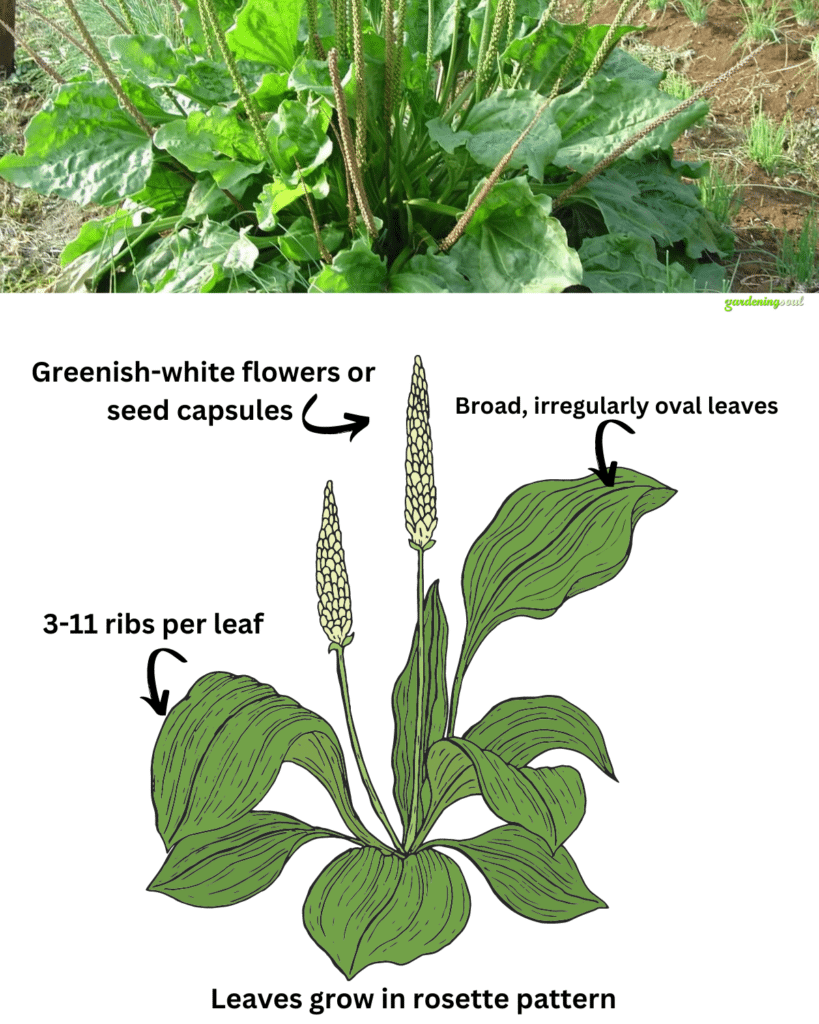
Broadleaf plantain (Plantago major) is a common, yet often overlooked, perennial herb that grows in many parts of the world.
Known for its broad, oval leaves and greenish flower spikes, this resilient plant has been used for centuries in traditional medicine.
Broadleaf plantain is not only a nutritional powerhouse but also offers numerous health benefits and versatile uses.
In this article, we explore the various health benefits and practical applications of broadleaf plantain.
Nutritional Profile
Broadleaf plantain is rich in vitamins and minerals, making it a nutritious addition to your diet. It contains:
- Vitamins: A, C, and K
- Minerals: Calcium, potassium, magnesium, and iron
- Other Compounds: Flavonoids, tannins, and aucubin (a glycoside with anti-inflammatory properties)
Health Benefits of Broadleaf Plantain
1. Anti-Inflammatory Properties
Broadleaf plantain contains bioactive compounds like aucubin and flavonoids, which have potent anti-inflammatory effects. These properties make it useful for treating conditions such as arthritis, gout, and other inflammatory disorders.
How to Use:
- Topical Application: Crush fresh leaves and apply them to the affected area as a poultice to reduce inflammation and soothe irritation.
- Tea: Brew a tea from dried leaves and drink to help alleviate internal inflammation.
2. Wound Healing
The leaves of broadleaf plantain have been used historically for wound healing due to their antiseptic and astringent properties. They can help stop bleeding, reduce pain, and speed up the healing process.
How to Use:
- Poultice: Apply crushed leaves directly to cuts, scrapes, or insect bites to promote healing and prevent infection.
- Salve: Make a salve by infusing the leaves in oil and applying it to the skin.
3. Digestive Health
Broadleaf plantain is rich in mucilage, which can soothe the digestive tract and alleviate symptoms of indigestion, gastritis, and ulcers. Its mild laxative effect also helps relieve constipation.
How to Use:
- Infusion: Prepare an infusion by steeping dried leaves in hot water and drinking it to soothe the digestive system.
- Edible Leaves: Young leaves can be eaten raw in salads or cooked as a vegetable to aid digestion.
4. Respiratory Relief
The anti-inflammatory and expectorant properties of broadleaf plantain make it effective in treating respiratory conditions like coughs, bronchitis, and asthma. It helps to clear mucus and soothe irritated airways.
How to Use:
- Syrup: Make a simple syrup by boiling the leaves in water with honey, and take it to relieve cough and congestion.
- Tea: Drink tea made from the leaves to help clear mucus and ease breathing.
5. Detoxification
Broadleaf plantain acts as a natural diuretic, promoting urine production and helping to flush out toxins from the body. This can be beneficial for the kidneys and urinary tract.
How to Use:
- Tea: Drinking tea made from the leaves can help detoxify the body and support kidney function.
6. Skin Care
The antibacterial and anti-inflammatory properties of broadleaf plantain make it an excellent natural remedy for various skin conditions, including acne, eczema, and insect bites.
How to Use:
- Topical Application: Apply a poultice or salve made from the leaves to affected areas to reduce inflammation and prevent bacterial infections.
Practical Uses of Broadleaf Plantain
1. Culinary Uses
Broadleaf plantain leaves are edible and can be used in a variety of culinary dishes. The young leaves are tender and can be eaten raw in salads, while older leaves are better cooked.
How to Use:
- Salads: Add young leaves to salads for a nutritional boost.
- Cooked Greens: Sauté or steam the leaves as a side dish.
- Soups and Stews: Add to soups and stews for extra nutrition.
2. Natural Dye
The seeds and leaves of broadleaf plantain can be used to create natural dyes for fabrics.
How to Use:
- Dyeing: Boil the leaves or seeds to extract the dye, then use it to color natural fabrics.
3. Foraging and Survival
In survival situations, broadleaf plantain can serve as a source of nutrition and medicine.
How to Use:
- Food Source: The leaves can be eaten raw or cooked, providing essential nutrients.
- Medicinal Uses: Use the leaves for first aid to treat wounds, insect bites, and other minor injuries.
Broadleaf plantain is a versatile and beneficial herb that offers a wide range of health benefits and practical uses.
Whether you’re looking to improve your digestive health, treat skin conditions, or simply add a nutritious green to your diet, this common plant has much to offer.
Easy to find and use, broadleaf plantain is a valuable addition to any natural health toolkit.