When it comes to garden design, most homeowners focus on plants, flowers, and furniture—but there’s one key detail that can dramatically elevate the overall look of your landscape: garden bed edging.
While traditional materials like brick, concrete, and stone are functional and popular, they can often feel predictable or uninspired.
Why not think outside the box?
With a bit of creativity, you can turn ordinary garden borders into extraordinary visual elements using unconventional or recycled materials such as glass bottles, logs, shipping pallets, and even seashells.
Unique garden edging doesn’t just define planting zones—it adds structure, texture, and personality to your outdoor space.
In this guide, we’ll explore 8 creative and customizable garden bed edging ideas you can do yourself, many using low-cost or repurposed materials.
These ideas are not only functional but also an easy way to reflect your personal style and make your yard truly stand out.
1. Wood Garden Bed Edging (Timber Borders)
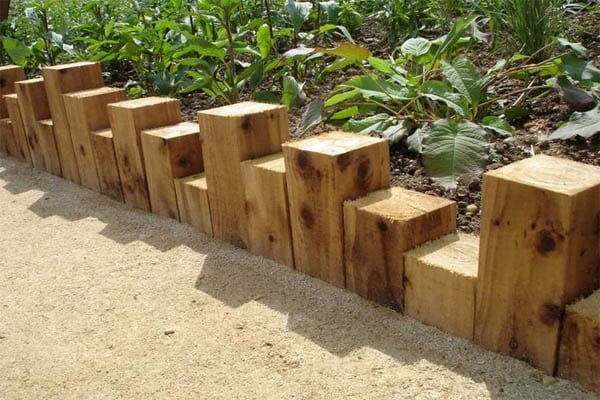
Wooden edging is classic, timeless, and versatile. Timber blocks or beams can create a natural, warm border around your garden beds. Depending on the wood type and layout, you can achieve a modern, rustic, or cottage-style look.
Benefits:
-
Blends well with natural surroundings
-
Can be cut to any shape or size
-
Great for raised beds and level landscaping
Tips:
-
Use rot-resistant wood like cedar or redwood, or ensure it’s pressure-treated to prevent decay.
-
Line the inside with landscape fabric to reduce soil contact and extend life.
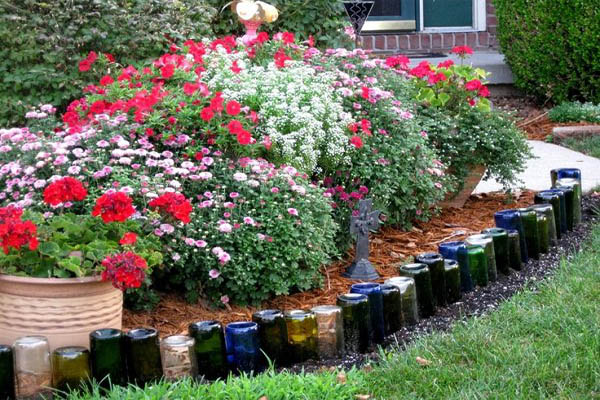
2. Glass Bottle Garden Bed Edging
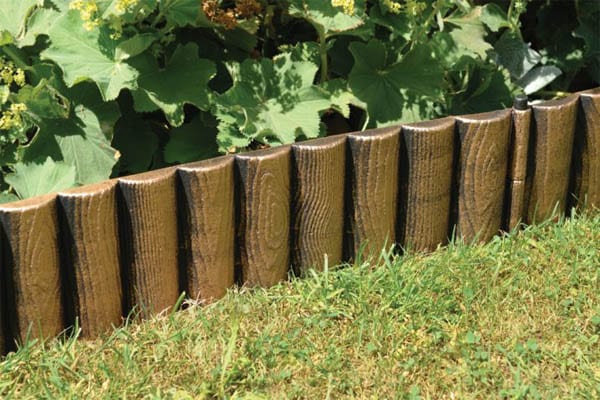
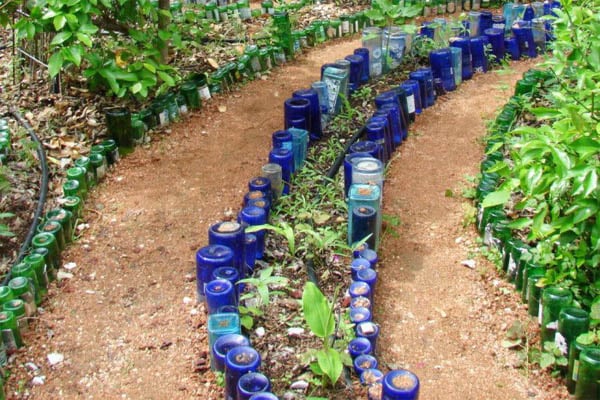
Looking for a colorful, whimsical touch? Recycled wine or glass bottles make a striking border when inverted and placed neck-down into the soil. This eco-friendly option brings color, light, and a unique artistic flair to your garden.
Benefits:
-
Low-cost and environmentally conscious
-
Adds visual interest with minimal effort
-
Great for herb gardens or flower beds
Tips:
-
Use bottles of varying colors to create patterns or gradients
-
Space evenly and press firmly into the soil to keep them upright
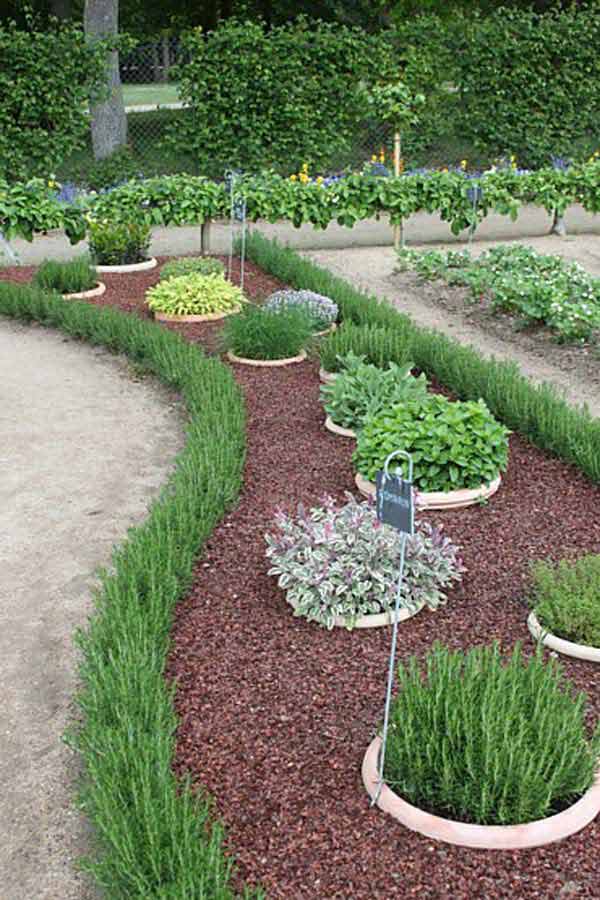
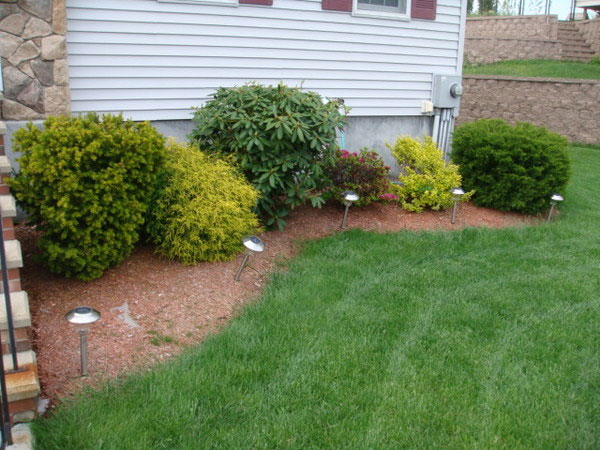
3. Green Garden Beds (Hedges or Living Edges)
For a more organic and eco-friendly look, consider planting low-growing shrubs, grasses, or ground covers along the edge of your beds. Living borders not only define the space but also add lushness and softness to the design.
Popular Plants for Living Edges:
-
Boxwood
-
Lavender
-
Thyme
-
Dwarf mondo grass
-
Ajuga (bugleweed)
Tips:
-
Trim regularly to maintain shape and prevent overgrowth
-
Choose species that complement your planting scheme
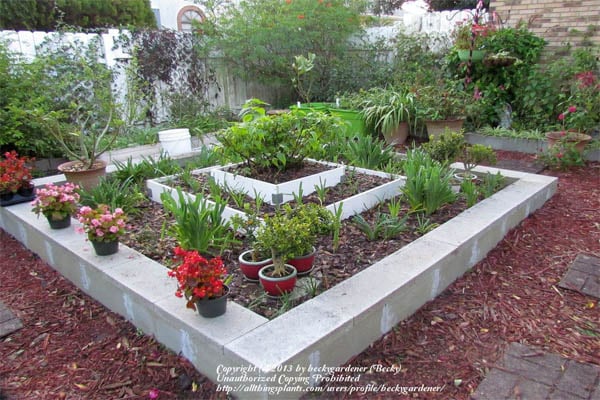
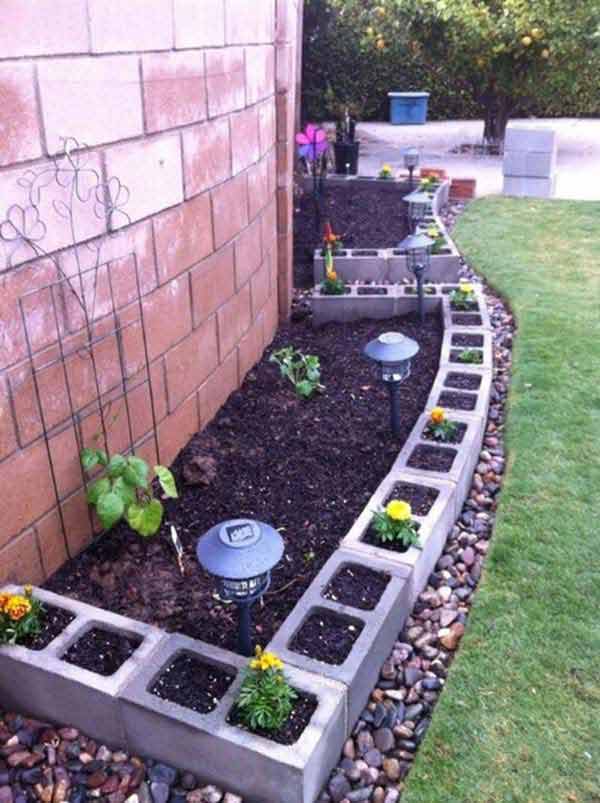
4. Cinder Block Garden Bed Edging
Cinder blocks offer a simple and durable solution for raised garden bed edging. Their geometric form makes them perfect for modern or industrial garden aesthetics.
Benefits:
-
Extremely durable and long-lasting
-
Can double as planters—fill the block holes with soil and small plants or herbs
-
Easy to stack and customize
Tips:
-
Paint or stain the blocks for added visual appeal
-
Secure with adhesive or mortar for permanent structures
5. Creative Flower Bed Designs
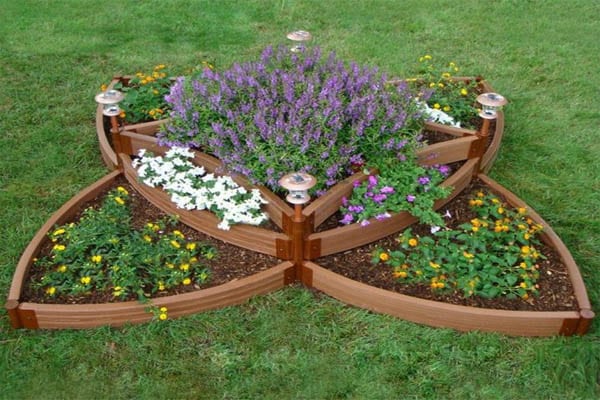
If your goal is to create an eye-catching focal point, don’t settle for straight lines. Use your flower bed edging as an artistic expression by designing patterns, curves, or geometric shapes that add flow and character to your yard.
Design Ideas:
-
Spiral flower beds
-
Curved lines with contrasting mulch colors
-
Flower beds bordered by natural stones or colorful pavers
Tips:
-
Use edging material that contrasts in color or texture with your planting area
-
Keep maintenance in mind—curved beds need careful trimming along edges
6. Metal Garden Bed Edging
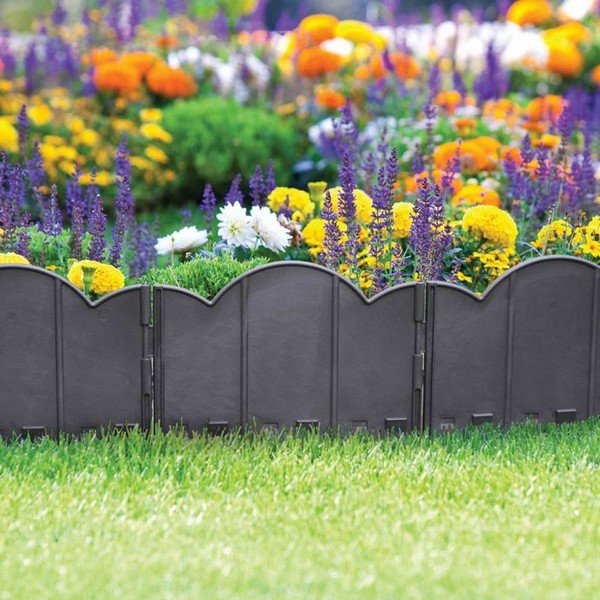
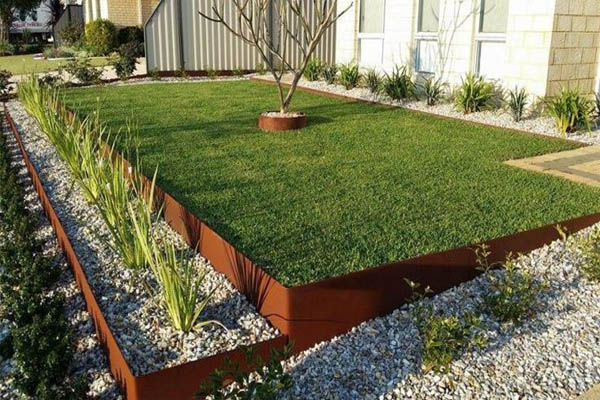
Metal garden edging offers a sleek, modern appearance and is ideal for clean, minimalist landscapes. Left untreated, metal will weather beautifully over time, giving a rustic or industrial finish. Galvanized steel or aluminum offers a polished, long-lasting alternative.
Benefits:
-
Slim, unobtrusive profile
-
Extremely durable and flexible for curves
-
Resists pests and decay
Tips:
-
Use metal edging around gravel paths or ornamental beds for a sharp contrast
-
Consider safety by ensuring the edges are smooth or rolled
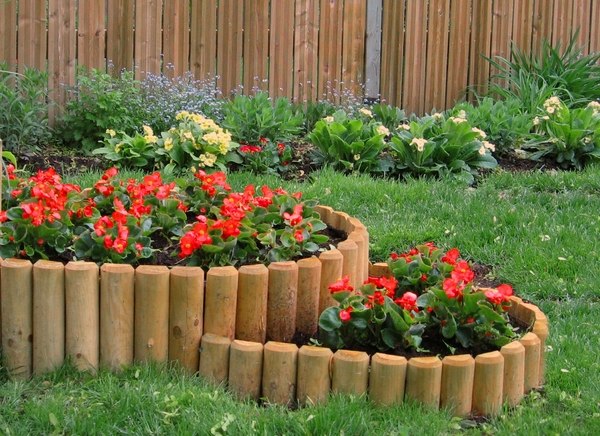
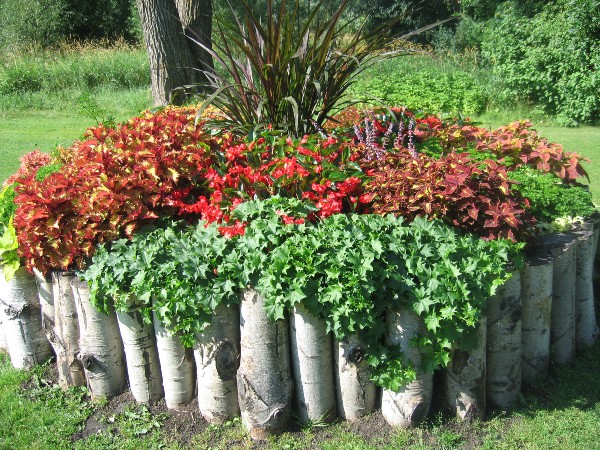
7. Wood Log Garden Bed Edging
For a more rustic or woodland-inspired garden, cut logs or tree branches make beautiful and natural-looking garden borders. This approach works wonderfully in cottage gardens, forest landscapes, or eco-friendly designs.
Benefits:
-
Readily available if you have access to fallen wood or firewood
-
Blends seamlessly with natural surroundings
-
Biodegradable and eco-conscious
Tips:
-
Use logs of similar diameter for a uniform look
-
Treat with natural sealant to slow decomposition
8. DIY Stone Garden Bed Edge Designs
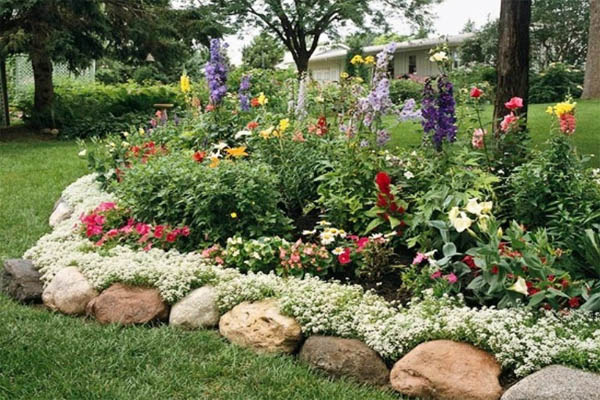
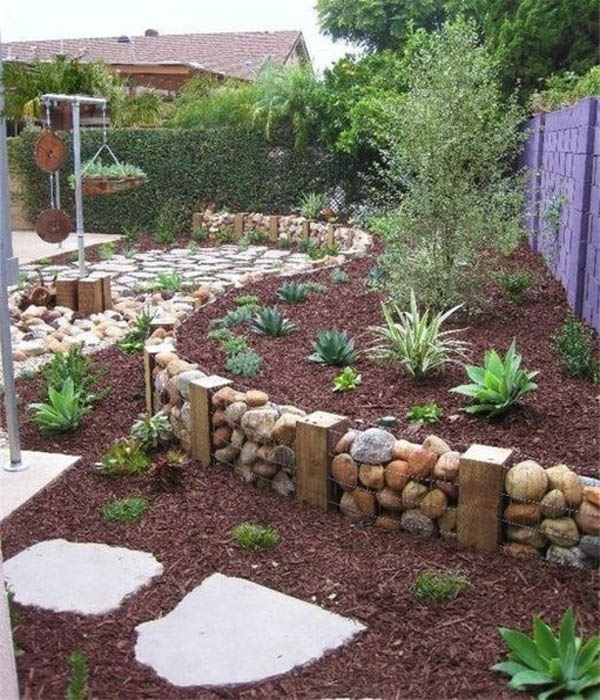
Natural stones or river rocks offer a timeless and elegant solution for garden bed edging. Whether you’re stacking larger stones or laying a smooth pebble border, the texture and color variations can beautifully define your beds.
Benefits:
-
Timeless and durable
-
Complements both formal and informal garden designs
-
Requires minimal maintenance once installed
Tips:
-
Use landscaping fabric underneath stones to suppress weeds
-
Mix different sizes and shapes for a more organic appearance
Your garden bed edging is more than a border—it’s a design element that can elevate your outdoor space, guide the eye, and bring your personality into the landscape.
Whether you prefer rustic wood, colorful bottles, sleek metal, or natural stones, there’s an edging solution to suit every style and budget.
Don’t be afraid to experiment with materials you already have around your home.
With a little time, creativity, and inspiration, you can turn ordinary garden beds into extraordinary landscape features—all while adding value, structure, and beauty to your backyard.