Tomatoes are a staple in every home garden, but they can be prone to diseases and nutrient deficiencies that affect their growth and yield.
If you’ve ever dealt with blossom end rot, weak plants, or calcium deficiencies, there’s a simple, organic, and cost-effective solution—eggshells!
Eggshells are a natural powerhouse packed with calcium and essential minerals that can help strengthen tomato plants, prevent diseases, and improve soil health.
Instead of throwing them away, learn how crushed eggshells can be used to stop tomato diseases in their tracks and keep your plants thriving!
Why Eggshells Are a Secret Weapon for Tomato Plants
Eggshells contain over 90% calcium carbonate, which is vital for plant health, especially for tomatoes, peppers, and eggplants.
Calcium strengthens cell walls, preventing diseases like blossom end rot and helping plants grow strong.
Key Benefits of Using Eggshells for Tomatoes:
- Prevents Blossom End Rot – A common tomato disease caused by calcium deficiency.
- Strengthens Cell Walls – Making plants more resistant to diseases.
- Enhances Soil Structure – Improves drainage and aeration.
- Repels Pests Naturally – Deters slugs, snails, and certain insects.
- Boosts Nutrient Absorption – Helps roots take in other essential nutrients.
How Eggshells Help Prevent Tomato Diseases
1. Preventing Blossom End Rot
Blossom End Rot appears as dark, sunken spots on the bottom of tomatoes, caused by a lack of calcium in the plant. Even if calcium is present in the soil, factors like irregular watering or acidic soil can make it hard for plants to absorb.
Solution: Adding eggshells to the soil gradually releases calcium, ensuring consistent nutrient availability for tomatoes.
2. Strengthening Tomato Plants to Resist Diseases
Weak plants are more susceptible to fungal and bacterial infections. Calcium from eggshells reinforces plant cell walls, helping tomatoes fight off:
- Early Blight (yellowing leaves with dark spots)
- Powdery Mildew (white, powder-like fungus)
- Fusarium Wilt (wilting and stunted growth)
Solution: Mixing eggshells into the soil before planting tomatoes can fortify plant health from the start.
3. Improving Soil Drainage & Aeration
Eggshells break down slowly, helping to loosen compacted soil and improve its structure. Good drainage is crucial because waterlogged soil can lead to:
- Root Rot – Caused by excess moisture, leading to diseased, mushy roots.
- Fungal Infections – Thrive in overly wet soil conditions.
Solution: Crushed eggshells create better soil texture, preventing excess water retention.
4. Keeping Slugs & Pests Away
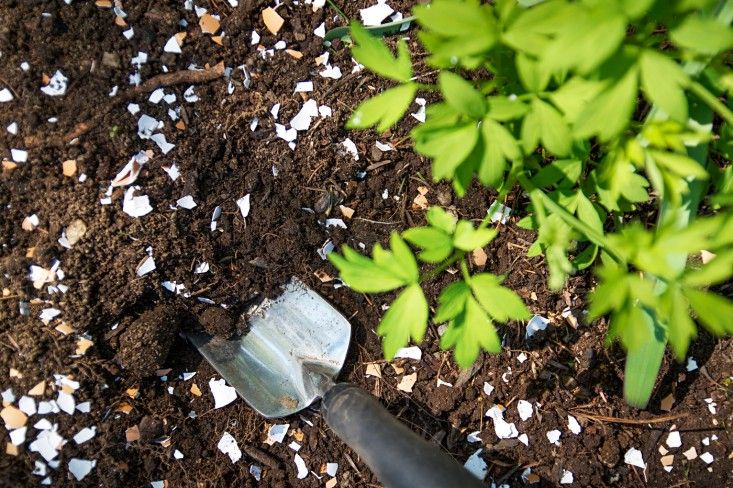
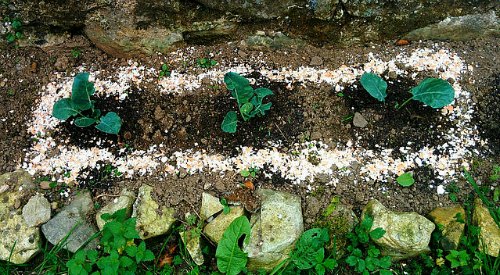
Soft-bodied pests like slugs, snails, and cutworms can damage tomato plants by chewing through stems and leaves. The sharp edges of crushed eggshells deter these pests, making it harder for them to move across the soil.
Solution: Sprinkle crushed eggshells around the base of tomato plants to form a natural barrier against pests.
Best Ways to Use Eggshells for Tomato Plants
Now that you know how beneficial eggshells are, here’s how to use them effectively in your garden!
1. Eggshell Powder for Quick Calcium Absorption
How to Make It:
- Collect egg shells and rinse them thoroughly.
- Let them dry for a day.
- Grind them into a fine powder using a blender or mortar & pestle.
- Mix into the soil or compost before planting tomatoes.
Best For: Faster calcium release to prevent blossom end rot.
2. Crushed Eggshell Mulch for Slow-Release Calcium
How to Use It:
- Crush eggshells into small pieces.
- Scatter them around the base of tomato plants.
- Water the area to help the nutrients seep into the soil.
Best For: Slow calcium release + improving soil texture.
3. Eggshell Tea for a Liquid Calcium Boost
How to Make It:
- Boil crushed eggshells in water for 5-10 minutes.
- Let the water cool overnight.
- Use it to water tomato plants 1-2 times per month.
Best For: Quick nutrient absorption for struggling plants.
4. Eggshells in Compost for Nutrient-Rich Soil
How to Compost Eggshells:
- Rinse and dry cracked eggshells.
- Add them to your compost bin.
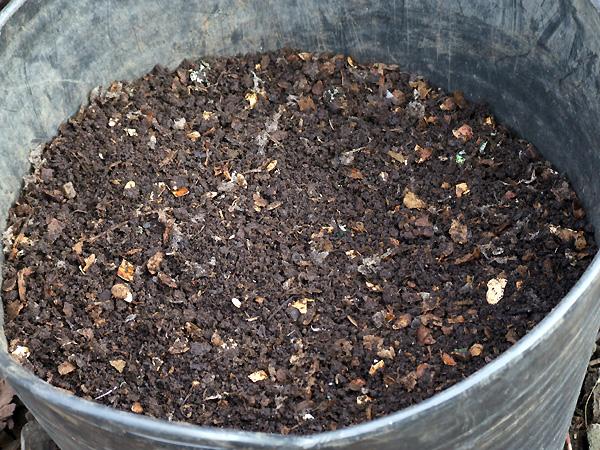
- Over time, the calcium will mix with compost, enriching the soil.
Best For: A natural, nutrient-rich boost for garden beds.
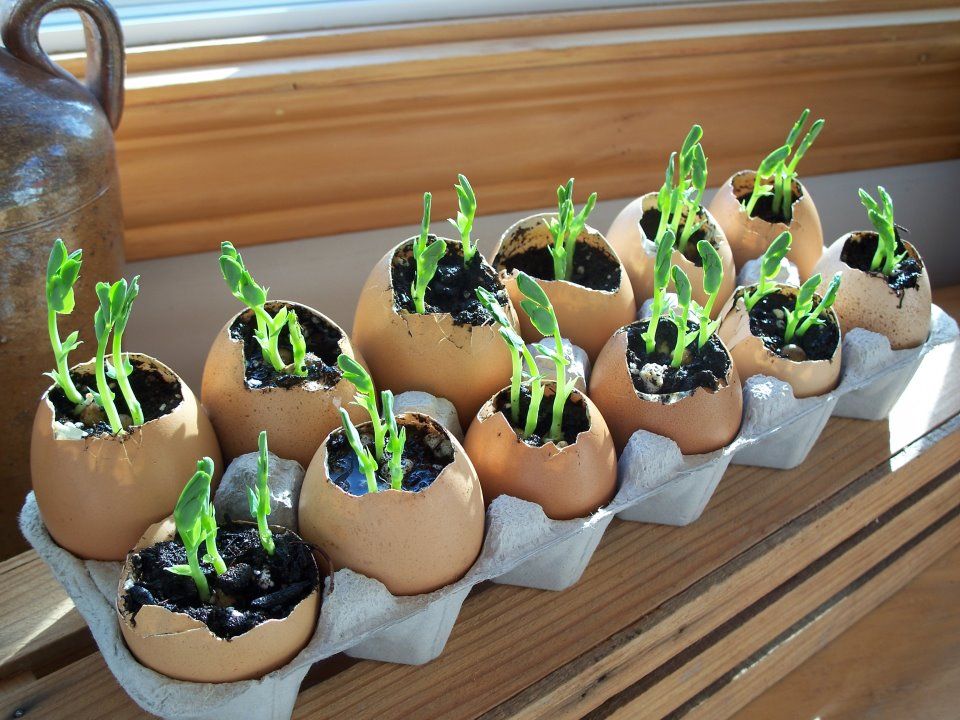
Common Questions About Using Eggshells for Tomatoes
1. How long does it take for eggshells to break down in soil?
It can take several months for eggshells to fully break down, but finely ground shells decompose much faster.
2. Can I use raw eggshells directly in the soil?
Yes, but rinsing them first prevents odor and unwanted pests. Drying and crushing them speeds up decomposition.
3. How many eggshells should I use per plant?
A handful (4-5 eggshells) per plant at the start of the season is ideal. More can be added throughout the growing cycle.
4. Can I use eggshells on other plants?
Absolutely! Peppers, eggplants, squash, and leafy greens also benefit from added calcium.
Using eggshells in your garden is a simple, natural, and effective way to boost calcium levels, prevent tomato diseases, and improve soil health.
Instead of tossing eggshells in the trash, repurpose them as free fertilizer and pest deterrent for thriving tomato plants!