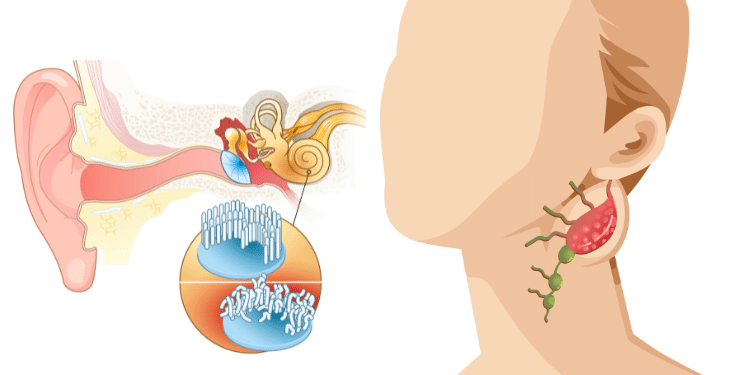
Sharp ear pain can stop you in your tracks. Whether it appears suddenly or builds over time, that intense, stabbing sensation inside or around the ear is hard to ignore.
For some, it lasts only minutes. For others, it lingers for days and begins to affect sleep, focus, and daily comfort.
The challenge with ear pain is that it doesn’t always come from the ear itself. It can be caused by infections, pressure changes, nerve irritation, or even problems in nearby areas like the jaw or throat.
Understanding what sharp ear pain might mean – and how to respond – can help you manage symptoms effectively and know when it’s time to seek professional care.
Why Ear Pain Feels So Intense
The ear is a highly sensitive structure with a dense network of nerves. Even minor irritation can trigger strong pain signals.
Because the ear is closely connected to:
- The jaw
- The throat
- The sinuses
- The neck
Pain can be referred from nearby areas, making it difficult to identify the exact source.
This is why sharp ear pain can feel sudden and severe, even when the underlying cause is relatively minor.
Common Causes of Sharp Ear Pain
Sharp ear pain can come from several different conditions. Some are temporary and harmless, while others require attention.
1. Ear Infections
One of the most common causes is an infection in the middle or outer ear.
Infections may cause:
- Sharp or throbbing pain
- A feeling of fullness
- Temporary hearing changes
Middle ear infections are often linked to colds or sinus issues, while outer ear infections can be related to moisture or irritation.
2. Eustachian Tube Dysfunction
The Eustachian tube helps regulate pressure inside the ear.
When it becomes blocked – often due to allergies, colds, or sinus congestion—it can create:
- Sudden sharp pain
- Pressure or popping sensations
- Discomfort when swallowing
This is common during seasonal changes or after flying.
3. Sinus Pressure
The sinuses and ears are closely connected.
When sinuses are inflamed or congested, pressure can build and radiate toward the ear.
This may feel like:
- Sharp, intermittent pain
- Pressure behind the ear
- Increased discomfort when bending forward
4. Jaw Tension (TMJ Issues)
The temporomandibular joint (TMJ), located near the ear, can cause pain that feels like it’s coming from inside the ear.
This often happens with:
- Teeth grinding
- Jaw clenching
- Stress
The pain may worsen when chewing or opening the mouth.
5. Tooth Problems
Dental issues can also refer pain to the ear.
Infections, cavities, or impacted teeth may cause:
- Sharp, shooting pain
- Discomfort that spreads toward the ear
This is often mistaken for an ear problem when the source is actually dental.
6. Nerve Irritation
Certain nerves that run through the face and neck can trigger sudden, sharp ear pain when irritated.
This type of pain is often:
- Brief but intense
- Triggered by movement or touch
It may come and go quickly but feel very strong.
7. Changes in Air Pressure
Rapid pressure changes – such as during flights or altitude shifts – can cause sudden ear pain.
This happens when the ear cannot adjust pressure quickly enough.
The result may include:
- Sharp discomfort
- Popping sensations
- Temporary hearing changes
What You Can Do at Home
For mild or occasional ear pain, there are several ways to manage discomfort.
Rest and Hydration
Supporting your body with rest and fluids helps reduce inflammation and supports recovery, especially if the cause is related to infection or congestion.
Warm Compress
Applying a warm compress to the outside of the ear may help relax surrounding muscles and reduce discomfort.
Gentle Jaw Relaxation
If tension is contributing to pain, relaxing the jaw can help.
Avoid:
- Clenching your teeth
- Chewing hard foods
- Excessive jaw movement
Steam and Humidity
Inhaling steam can help reduce sinus pressure and improve Eustachian tube function.
This may relieve pressure-related ear pain.
Avoid Irritation
Do not insert objects into the ear, including cotton swabs. This can worsen irritation or push debris deeper.
When to Pay Closer Attention
While many cases of ear pain are temporary, some symptoms should not be ignored.
Seek professional advice if you experience:
- Pain lasting more than a few days
- Fever
- Fluid or discharge from the ear
- Noticeable hearing loss
- Severe or worsening pain
These signs may indicate an infection or condition that requires treatment.
Why Identifying the Cause Matters
Treating ear pain effectively depends on understanding where it comes from.
For example:
- Infection-related pain may require medical treatment
- Jaw-related pain improves with relaxation and habit changes
- Sinus-related pain responds to reducing congestion
Addressing the root cause leads to faster and more effective relief.
How Your Body Signals Imbalance
Pain is not random – it’s a signal.
Sharp ear pain often appears when:
- Pressure builds
- Inflammation increases
- Nerves are irritated
Listening to these signals early helps prevent more serious issues later.
Preventing Future Episodes
While not all causes can be avoided, certain habits can reduce the risk of recurring pain.
Maintaining good hydration, managing stress, and addressing sinus or dental issues early can help.
Avoiding excessive ear cleaning and protecting ears from prolonged moisture also supports ear health.
Sharp ear pain can feel alarming, but it often has an identifiable and manageable cause.
Whether it comes from pressure, tension, or infection, understanding the possible reasons behind the pain allows you to respond appropriately.