Chamomile is more than just a delicate flower with a soothing scent – it’s one of the most time-honored and widely used medicinal herbs in the world.
For thousands of years, cultures from Eastern Europe to ancient Egypt and Greece have turned to chamomile for its calming, healing, and restorative properties.
Today, this unassuming plant continues to earn its place in modern herb gardens for its health benefits, gardening value, and multiple uses in teas, skincare, and home remedies.
Whether you want to grow your own organic chamomile for tea or use it as a companion plant in your garden, this guide will take you through everything you need to know – plus all the surprising ways to use chamomile for better health and a healthier garden.
What Is Chamomile?
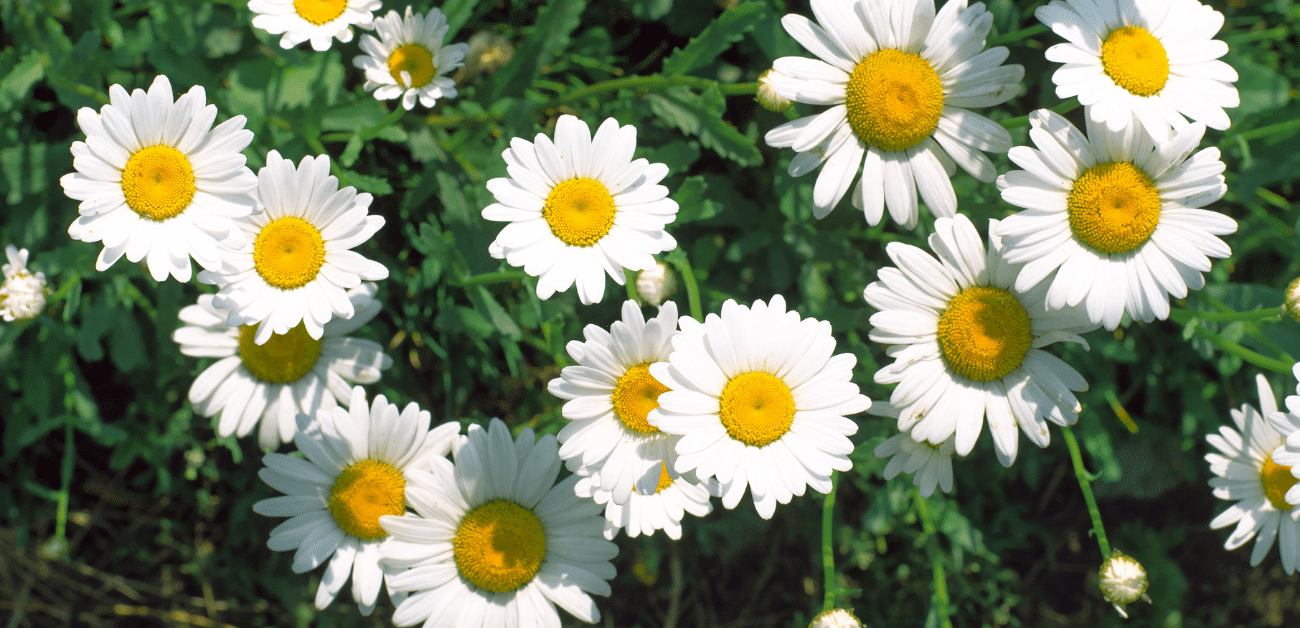
Chamomile is a flowering plant in the daisy family (Asteraceae) known for its cheerful, daisy-like blooms and sweet apple-like aroma.
The name “chamomile” comes from the Greek words chamos (ground) and melos (apple), reflecting its low growth habit and fruity scent.
Chamomile is revered for its calming effects on the nervous system and digestive tract, making it a go-to remedy for stress, anxiety, insomnia, and gut discomfort.
Two Main Types of Chamomile
There are two widely cultivated types of chamomile:
1. German Chamomile (Matricaria recutita)
- Type: Annual
- Height: Up to 2–3 feet
- Flowers: White petals with yellow centers
- Fragrance: Strong and sweet
- Use: Commonly used for teas and medicinal preparations
- Bonus: Re-seeds easily, often returning each year even though it’s an annual
2. Roman Chamomile (Chamaemelum nobile)
- Type: Perennial
- Height: Shorter and lower-growing
- Flowers: Similar to German but slightly smaller
- Fragrance: Mild and pleasant
- Use: Often grown as a ground cover or ornamental herb
- Bonus: Spreads gently, returns year after year
How to Grow Chamomile in Your Garden
Growing Roman Chamomile (Perennial)
Roman chamomile grows well in garden borders, raised beds, or containers. It’s ideal for cooler climates and thrives in partial to full sun.
Starting From Seed:
- Start indoors 6–8 weeks before your last frost date.
- Use a lightweight potting mix and sow seeds on the surface. Lightly press them down—they need light to germinate.
- Mist gently and keep soil moist, not wet.
- Maintain a temperature of 65–70°F (18–21°C).
- Germination takes 7–14 days.
- Transplant outdoors after the last frost, spacing plants 8–10 inches apart.
Care Tips:
- Prefers well-draining soil, slightly sandy is ideal.
- Once established, chamomile is drought-tolerant.
- Too much fertilizer will reduce flowering – less is more.
- Prune lightly to encourage bushier growth and more blooms.
Growing German Chamomile (Annual)
German chamomile grows taller and more vigorously. It’s best sown directly into the garden.
Direct Sowing:
- Plant after the last spring frost when soil is workable.
- Broadcast seeds over a weed-free, finely prepared bed.
- Press seeds lightly into the soil – do not bury deeply.
- Water gently to settle seeds.
- Thin to 10–12 inches apart once seedlings have 2–3 true leaves.
Growing Tips:
- Tolerates poor soil but needs full sun.
- Harvest flowers as they bloom to encourage more.
- Will re-seed readily if allowed to drop seeds in late summer.
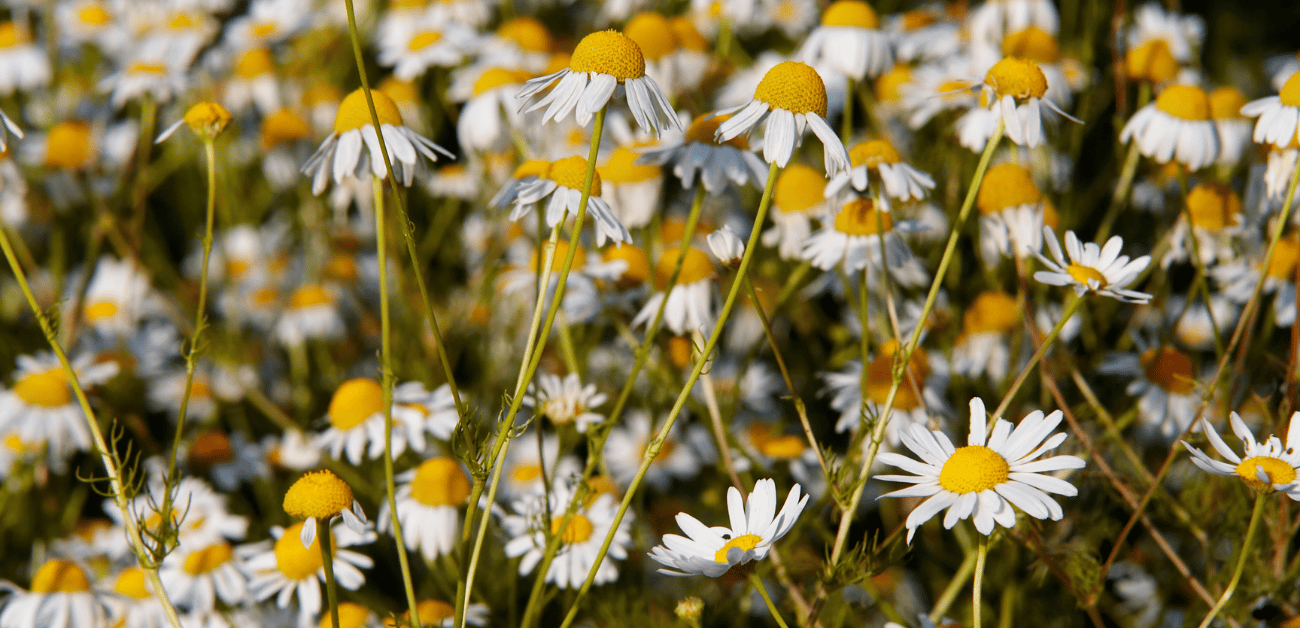
Chamomile Benefits for the Garden
Chamomile doesn’t just benefit your body – it’s also a powerful ally in your garden.
1. Natural Companion Plant
Chamomile improves the health and flavor of neighboring plants. It’s especially helpful near:
- Brassicas (like broccoli and kale)
- Onions
- Mint
- Cabbage and cauliflower
Its antifungal and antibacterial properties reduce fungal infections and repel pests.
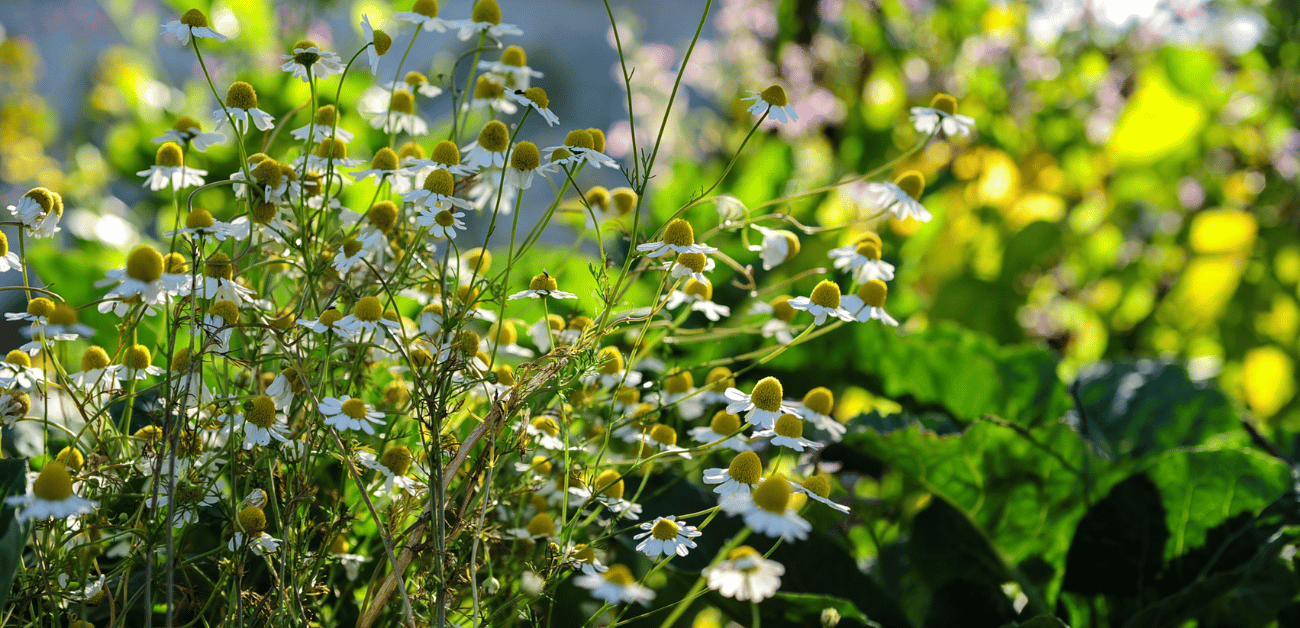
2. Attracts Beneficial Insects
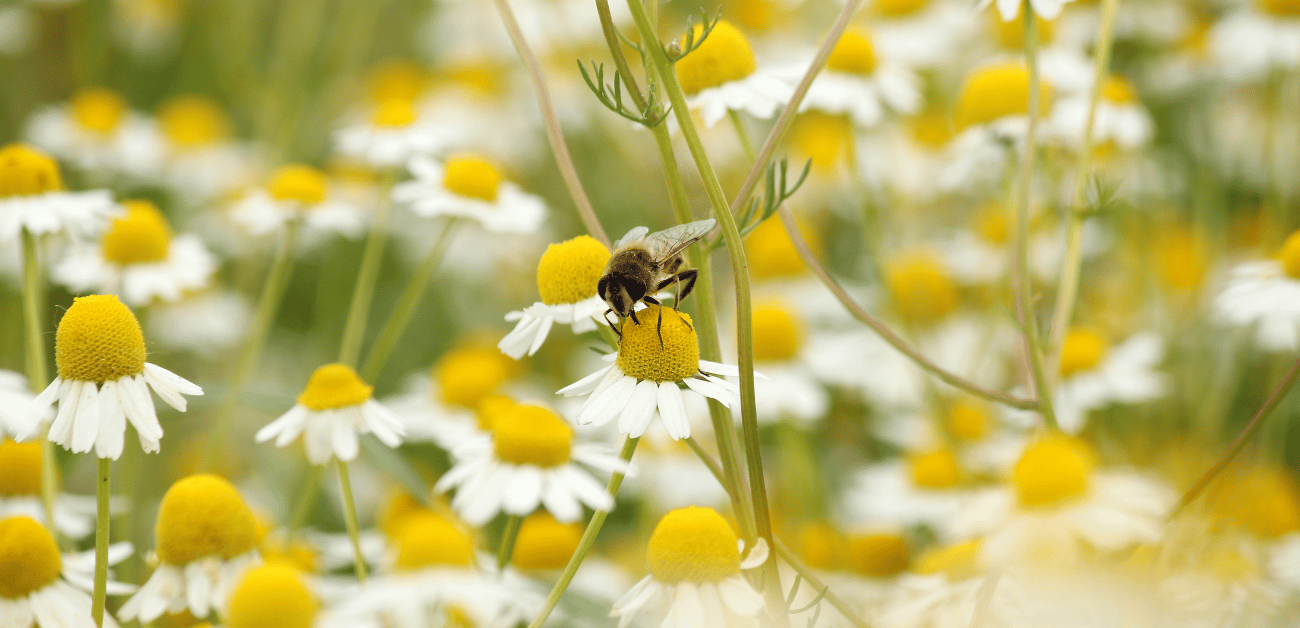
Chamomile’s fragrant blooms draw:
- Bees
- Butterflies
- Hoverflies
- Ladybugs
These pollinators and predators help control pests and increase fruit and seed production.
3. Organic Pest Control Spray
Make a double-strength chamomile tea and spray it on seedlings to prevent:
- Damping-off disease
- Aphid infestations
- Fungal issues
It’s safe, natural, and gentle on young plants.

4. Natural Fertilizer
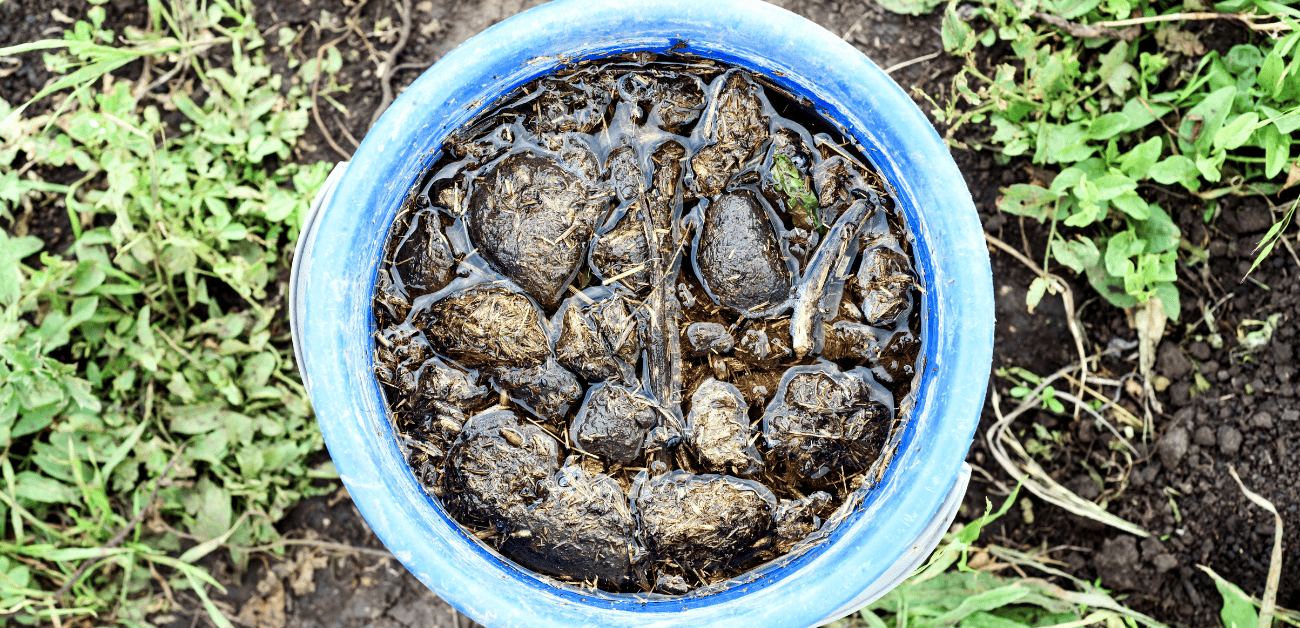
You can use chamomile as a homemade compost tea:
- Fill a bucket with chopped chamomile leaves and flowers
- Add water and let steep for 1–2 weeks
- Strain and dilute (3 parts water to 1 part tea)
- Use to water plants or feed compost piles
5. Mulch and Soil Builder
At the end of the season, chop chamomile plants and add them to your:
- Compost pile
- Mulch layer
- Soil amendment beds
Chamomile is rich in calcium and minerals that nourish your soil.

Health Benefits of Chamomile
Chamomile has been studied extensively for its therapeutic effects. Here are some of the most notable health benefits:
6. Rich in Antioxidants
Chamomile contains apigenin, a powerful flavonoid known for:
- Reducing inflammation
- Supporting detoxification
- Enhancing immune function
- Protecting skin and cellular health
7. Reduces Anxiety and Promotes Relaxation
Chamomile is perhaps best known for its calming effects:
- Reduces cortisol (stress hormone) levels
- Supports restful sleep
- May help with general anxiety disorder (GAD)
Chamomile tea before bed is a time-tested remedy for insomnia and anxiety-related tension.
8. Digestive Soother
Chamomile is a classic digestive tonic:
- Soothes stomach cramps and spasms
- Eases bloating, nausea, and indigestion
- Relieves symptoms of irritable bowel syndrome (IBS)
It works by relaxing smooth muscle in the intestines and reducing inflammation.
9. Anti-Inflammatory and Pain Relief
Chamomile is often referred to as “nature’s aspirin”:
- Relieves headaches and menstrual crampsHelps with muscle and joint pain
- Reduces inflammatory responses in the body
Drink as a tea or apply as a compress for targeted relief.
10. Relieves Sinus and Respiratory Congestion
Inhaling steam from hot chamomile tea helps:
- Clear nasal passages
- Reduce throat inflammation
- Ease symptoms of colds, flu, and allergies
You can also gargle with cooled chamomile tea for sore throat relief.
11. Supports Heart Health
Research suggests the antioxidants in chamomile may:
- Lower blood pressure
- Improve circulation
- Reduce risk of cardiovascular disease
- Protect blood vessels from oxidative stress
Flavonoids in chamomile have been associated with longer life spans and better heart health in older adults.
12. May Inhibit Cancer Cell Growth
Chamomile contains apigenin, a compound with anti-cancer effects:
- Apigenin has been found to inhibit breast, skin, prostate, and ovarian cancer cell lines in lab studies.
- It works by encouraging cancer cell apoptosis (programmed cell death)
More research is needed, but the evidence is promising.
How to Make a Chamomile Latte for Bedtime Relaxation
A chamomile latte is a luxurious way to wind down your evening.
Recipe:
Ingredients:
- 1 cup water
- 2 tablespoons dried chamomile flowers (or a chamomile-lavender blend)
- 1/4 cup almond or oat milk
- 1–2 teaspoons honey (optional)
Instructions:
- Bring water to a boil.
- Remove from heat and steep chamomile in a tea infuser or bag for 5–7 minutes.
- Warm the milk separately, then combine with the tea.
- Stir in honey.
- For extra froth, blend for 20 seconds.
This drink is gentle, calming, and a perfect nightcap for better sleep.
Chamomile is a powerful yet gentle herbal ally that belongs in every garden and home medicine cabinet.
Whether you’re sipping tea for better sleep, spraying seedlings for pest protection, or feeding your garden with compost tea, chamomile proves to be one of the most versatile, health-enhancing plants you can grow.