Growing healthy and bountiful pepper plants takes more than just planting seeds and watering them. To achieve the best peppers ever, it’s crucial to provide your plants with the right nutrients and environment from the start.
By adding specific materials to the planting hole, you can create a nutrient-rich base that promotes strong roots, vibrant foliage, and a bountiful harvest.
Here are 12 things you should add to your pepper planting hole to set your plants up for success.
1. Eggshells
Eggshells are a natural source of calcium, which prevents blossom-end rot—a common issue in peppers.
Benefits:
- Strengthens plant cell walls.
- Prevents calcium deficiencies.
How to Use:
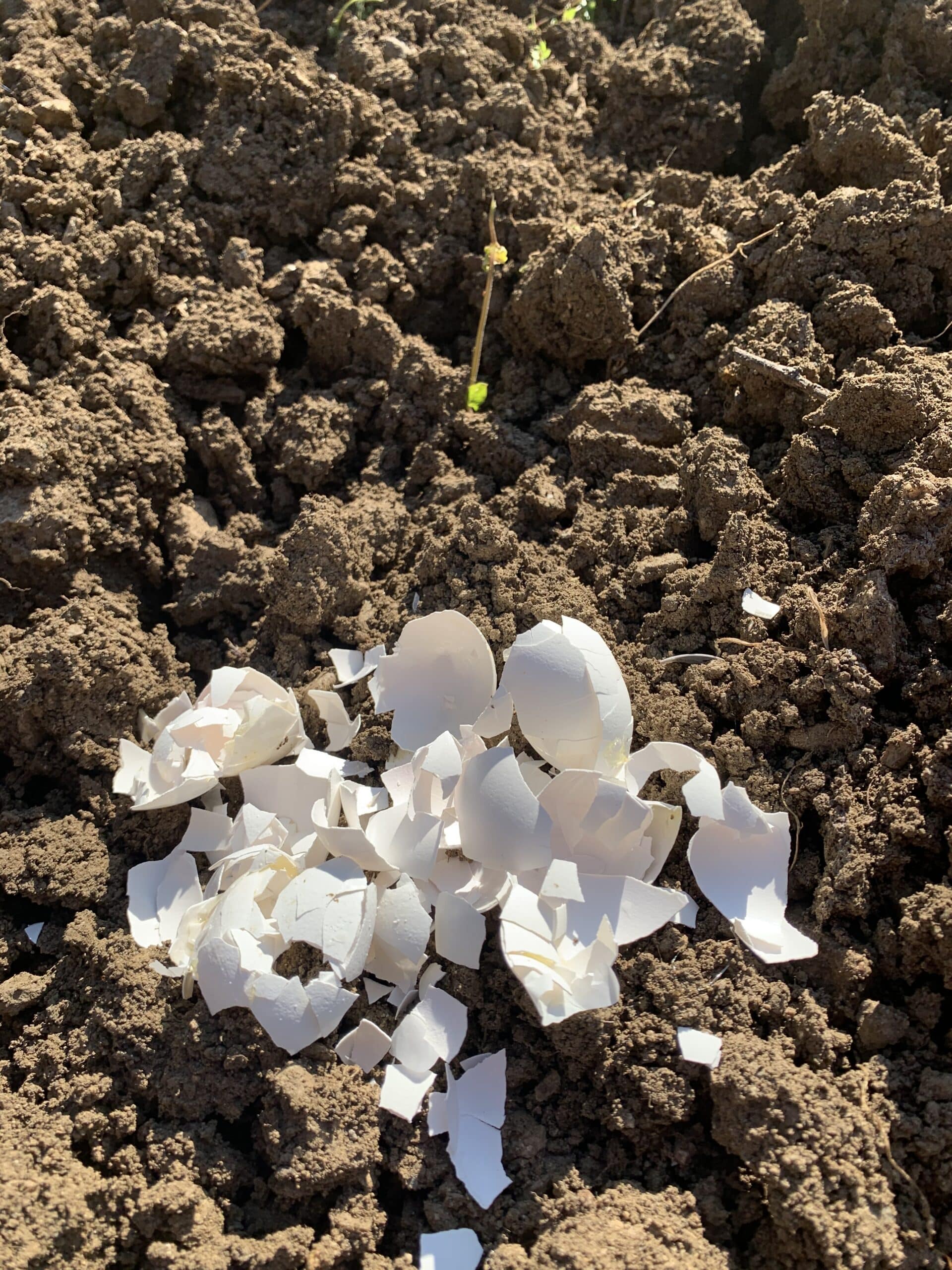
Crush 3-4 eggshells into small pieces and sprinkle them at the bottom of the hole.
2. Fish Emulsion or Fish Meal
Fish emulsion or fish meal provides a balanced supply of nitrogen, phosphorus, and potassium, along with trace minerals.
Benefits:
- Encourages leafy growth and flowering.
- Improves overall plant health.
How to Use:
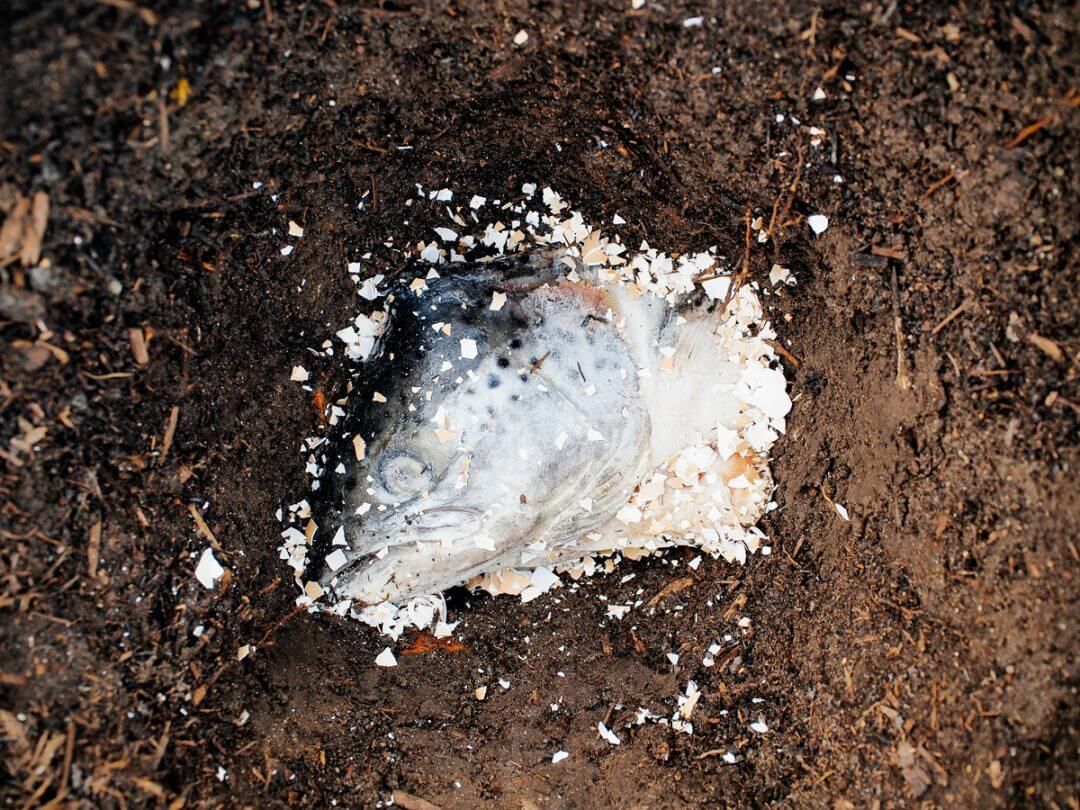
Add 1-2 tablespoons of fish meal or a small amount of diluted fish emulsion to the planting hole.
3. Epsom Salt
Epsom salt contains magnesium, a vital nutrient that peppers need for photosynthesis and fruit development.
Benefits:
- Prevents yellowing leaves caused by magnesium deficiency.
- Enhances the flavor and size of peppers.
How to Use:
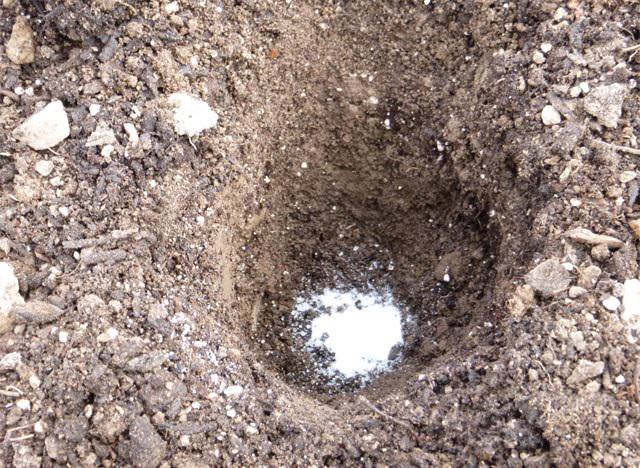
Add 1 tablespoon of Epsom salt to the planting hole and mix it into the soil.
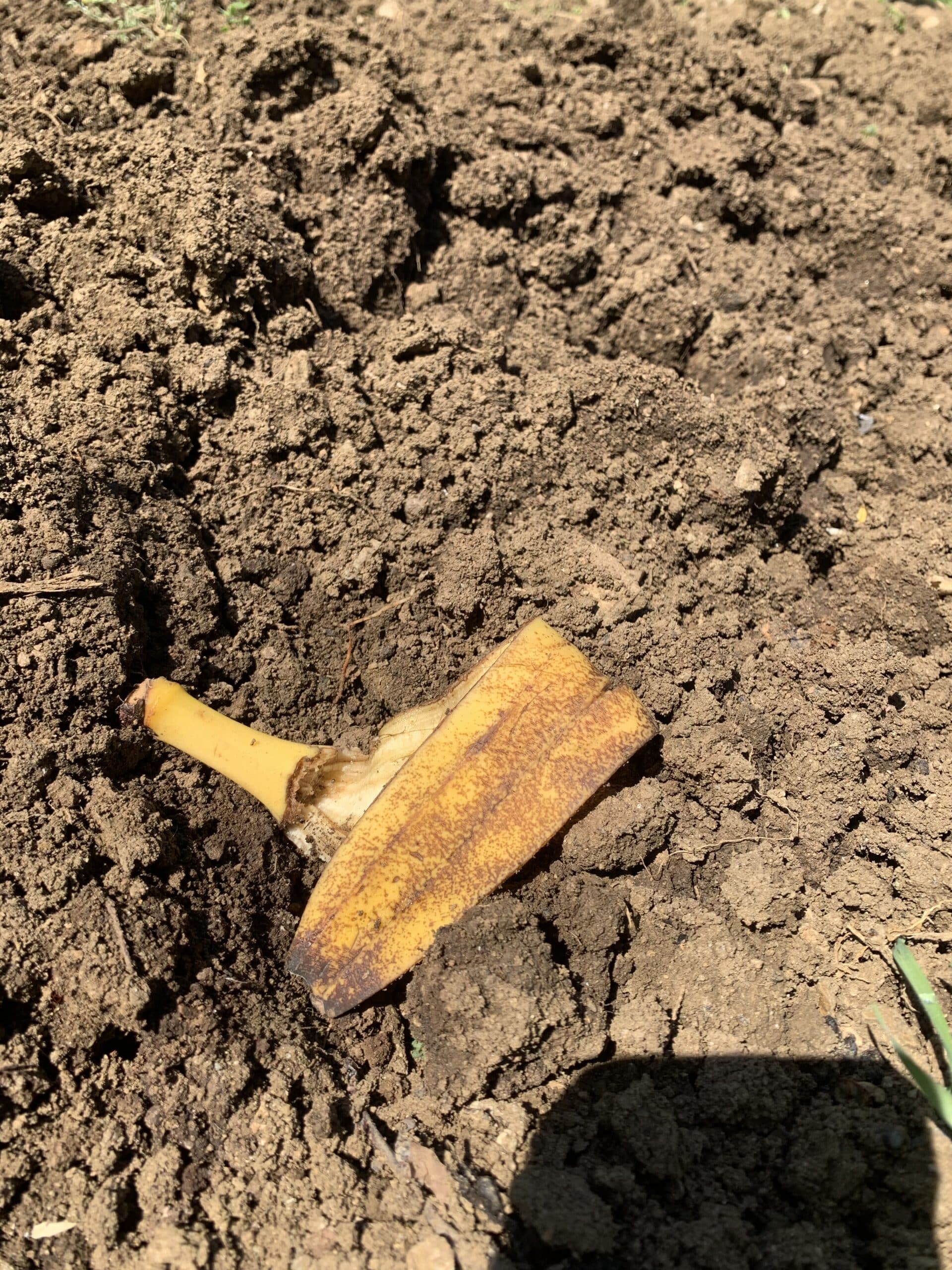
4. Banana Peels
Banana peels are rich in potassium, which supports healthy fruit development and disease resistance.
Benefits:
- Boosts flowering and fruiting.
- Provides essential nutrients for plant health.
How to Use:
Cut up a banana peel into small pieces and place it at the bottom of the planting hole before covering it with soil.
5. Coffee Grounds
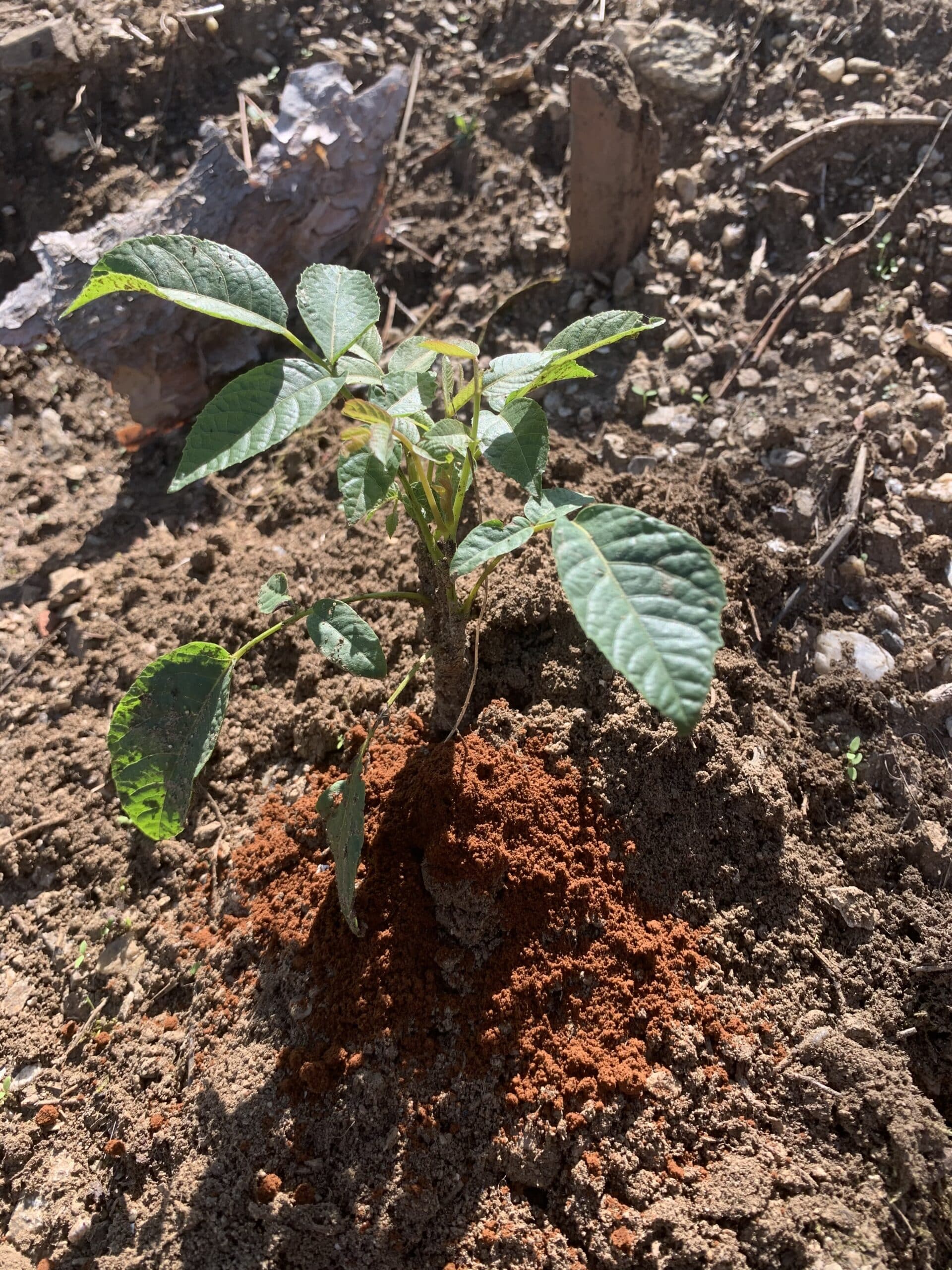
Coffee grounds are a great source of nitrogen and organic matter, which peppers need during their early growth stages.
Benefits:
- Improves soil fertility.
- Encourages microbial activity.
How to Use:
Sprinkle a small handful of used coffee grounds into the planting hole and mix it with the soil.
6. Compost
Adding compost to the planting hole is one of the best ways to enrich the soil with organic matter and nutrients. Compost provides a slow release of nitrogen, phosphorus, and potassium—the essential nutrients peppers need for growth.
Benefits:
- Improves soil structure.
- Enhances moisture retention.
- Encourages beneficial microbial activity.
How to Use:
Mix 1-2 handfuls of well-decomposed compost into the soil at the bottom of the planting hole.
7. Bone Meal
Bone meal is an excellent source of phosphorus, which is crucial for root development and flowering.
Benefits:
- Encourages strong root systems.
- Promotes flower production, leading to more peppers.
How to Use:
Sprinkle 1-2 tablespoons of bone meal into the planting hole and mix it with the soil.
8. Wood Ash
Wood ash is an excellent source of potassium and calcium, both of which peppers need to thrive.
Benefits:
- Balances soil pH.
- Enhances fruit production.
How to Use:
Sprinkle a small handful of wood ash into the planting hole and mix it with the soil. Avoid using too much, as it can make the soil too alkaline.
9. Mycorrhizal Fungi
Mycorrhizal fungi form a symbiotic relationship with plant roots, helping them absorb nutrients and water more efficiently.
Benefits:
- Enhances root growth.
- Improves nutrient uptake.
How to Use:
Sprinkle a small amount of mycorrhizal fungi powder directly onto the roots before planting.
10. Aged Manure
Aged manure is a nutrient-rich organic amendment that provides a slow-release source of nitrogen, phosphorus, and potassium.
Benefits:
- Improves soil fertility.
- Enhances water retention.
How to Use:
Mix 1-2 handfuls of aged manure into the soil at the bottom of the planting hole. Avoid using fresh manure, as it can burn the roots.
11. Peat Moss
Peat moss helps improve soil structure and retain moisture, which is essential for pepper plants.
Benefits:
- Retains water and nutrients.
- Enhances soil aeration.
How to Use:
Add a handful of peat moss to the planting hole and mix it with the surrounding soil.
12. Charcoal or Biochar
Charcoal or biochar helps improve soil drainage and retains nutrients for the plant’s roots.
Benefits:
- Increases soil fertility over time.
- Improves soil aeration.
How to Use:
Mix a small handful of biochar or crushed charcoal into the planting hole to provide long-lasting benefits.
Additional Tips for Planting Peppers
1. Spacing and Depth:
- Space pepper plants 18-24 inches apart to allow adequate airflow and prevent diseases.
- Plant them deep enough to cover the root ball but avoid burying the stem.
2. Watering:
- Water the plants immediately after planting and keep the soil consistently moist, but not waterlogged.
- Mulch around the plants to retain moisture and regulate soil temperature.
3. Support:
- Use stakes or cages to support pepper plants as they grow, especially for larger varieties with heavy fruits.
4. Pest and Disease Management:
- Keep an eye out for common pests like aphids and caterpillars. Use neem oil or insecticidal soap as needed.
- Rotate crops each year to prevent soil-borne diseases.
By adding these 12 materials to your pepper planting hole, you can create the ideal environment for your plants to thrive.
Each ingredient plays a unique role in providing essential nutrients, improving soil quality, and supporting healthy growth.