Bathrooms are notoriously difficult to keep clean and fresh. Even with regular scrubbing, toilets frequently harbor persistent odors, hard water stains, and unseen bacteria that seem to return within days.
While commercial chemical cleaners promise quick fixes, they often rely on harsh, fumes-heavy ingredients like bleach, synthetic fragrances, and corrosive acids that can damage plumbing, irritate respiratory passages, and harm household septic systems.
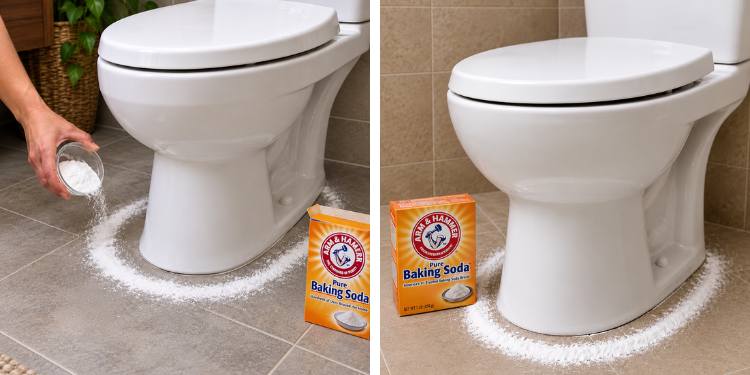
Enter one of the most effective, eco-friendly, and inexpensive bathroom hacks recommended by professional cleaners: sprinkling baking soda (sodium bicarbonate) around and inside your toilet before going to bed at night.
By leaving this humble pantry staple to work undisturbed overnight, you harness gentle chemical processes that break down stubborn mineral deposits, neutralize deep-seated bathroom odors at their molecular source, and scour away grime with zero manual scrubbing required.
The Science of Baking Soda: Why It Works
To understand why baking soda is so effective for overnight toilet maintenance, it helps to look at its underlying chemistry.
Baking soda is a mild alkali with a pH around 8.1. Most unpleasant bathroom odors, organic stains, and urine residues are acidic in nature (often containing uric acid compounds).
When sodium bicarbonate comes into contact with acidic odor molecules, it initiates a chemical neutralization reaction.
Instead of merely masking unpleasant smells with heavy artificial perfumes as commercial room sprays do, baking soda transforms volatile acidic odor molecules into odorless, neutral sodium salts.
Furthermore, baking soda’s unique physical structure makes it a gentle, non-abrasive scouring agent. Its micro-crystalline powder easily dissolves organic grime and light mineral buildup without scratching sensitive porcelain enamel or damaging rubber plumbing gaskets.
5 Powerful Things Overnight Baking Soda Does for Your Toilet
Leaving baking soda around and inside the toilet bowl overnight gives the compound several hours of uninterrupted dwell time to perform key maintenance tasks.
1. Neutralizes Uric Acid and Stubborn Bathroom Odors
Uric acid crystals from dried urine splashes frequently accumulate around the base of the toilet bowl, hinges, and rim. Over time, bacteria break down this uric acid, releasing pungent ammonia gas.
Sprinkling baking soda around the base of the toilet, over the rim, and into the bowl bowl water traps and neutralizes these acidic odor compounds overnight, ensuring you wake up to a completely odorless, fresh bathroom.
2. Breaks Down Hard Water Mineral Stains
Hard water contains dissolved calcium, magnesium, and iron minerals that leave unsightly rust-colored or chalky ring stains along the water line inside the toilet bowl.
While these mineral crusts resist standard liquid cleaners, baking soda gradually softens and loosens these deposits over several hours, making them brush away effortlessly the following morning.
3. Absorbs Excess Humidity and Moisture
Bathrooms are high-humidity environments. Moisture that collects around the porcelain base of a toilet creates an ideal breeding ground for mildew, mold spores, and odor-causing bacteria.
Powdered baking soda acts as a natural desiccant, absorbing ambient moisture along the bathroom floor and keeping the floor-to-porcelain seal dry overnight.
4. Deep Clean Without Scratching Porcelain Enamel
Commercial abrasive scrubbing powders often rely on calcium carbonate or silica, which can create microscopic scratches across the glossy porcelain finish of your toilet.
These micro-scratches trap dirt and bacteria, making future stains stick even faster. Baking soda dissolves slightly in water, offering just enough friction to lift grime while preserving the smooth, protective porcelain glaze.
5. Protects Plumbing, Gaskets, and Septic Systems
Harsh chemical cleaners containing sodium hypochlorite (bleach) or hydrochloric acid can corrode rubber flush valve seals inside the tank, degrade wax rings underneath the bowl, and kill beneficial bacteria needed to break down waste in home septic tanks.
Baking soda is completely non-toxic, safe for all plumbing pipes, and septic-friendly.
Cleaning Comparison: Baking Soda vs. Harsh Chemical Cleaners
| Maintenance Factor | Baking Soda (Sodium Bicarbonate) | Commercial Chemical Cleaners |
| Odor Action | Neutralizes molecules chemically at the source | Masks odors with artificial fragrances |
| Porcelain Safety | Non-abrasive; protects glazed enamel finishes | Harsh abrasives or acids can dull or scratch enamel |
| Septic & Pipe Safety | 100% Septic-safe; non-corrosive to rubber seals | Can damage rubber gaskets, wax rings, and septic bacteria |
| Chemical Fumes | Zero toxic fumes or volatile organic compounds (VOCs) | Strong chemical fumes that irritate eyes and lungs |
| Environmental Impact | Biodegradable, eco-friendly, non-toxic | May harm aquatic ecosystems when flushed into waterways |
Step-by-Step: The Ultimate Overnight Baking Soda Toilet Protocol
To get the best results from your overnight baking soda treatment, follow this simple step-by-step cleaning routine:
Additional Ways to Boost Your Bathroom Care
-
Essential Oil Infusion: Mix 10 drops of tea tree oil, eucalyptus oil, or lavender essential oil directly into your jar of baking soda before sprinkling. This adds natural antibacterial properties and leaves your bathroom smelling fresh.
-
Weekly Maintenance: Performing this simple overnight treatment once a week keeps hard water rings from ever forming and eliminates the need for heavy weekend scrubbing sessions.
By turning leftover baking soda into an overnight bathroom cleaning agent, you can keep your toilet spotless, eliminate stubborn odors at their source, and protect your home’s plumbing using a completely safe, natural solution.