Perennial herbs are a fantastic addition to any garden, providing fresh, aromatic flavors year after year with minimal effort.
Unlike annual herbs that need replanting each season, perennials continue to thrive and produce.
Here are eight perennial herbs you can plant once and enjoy for many years.
1. Thyme (Thymus vulgaris)
Why Grow Thyme?
Thyme is a hardy, drought-tolerant herb that thrives in well-drained soil and full sun. Its small, aromatic leaves add a delightful flavor to a variety of dishes.
Benefits:
- Culinary Uses: Ideal for seasoning meats, stews, soups, and vegetables.
- Health Benefits: Contains vitamins C and A, and has antimicrobial properties.
Planting Tips:
- Soil: Prefers well-drained, slightly alkaline soil.
- Sunlight: Needs full sun to grow well.
- Watering: Water sparingly once established.
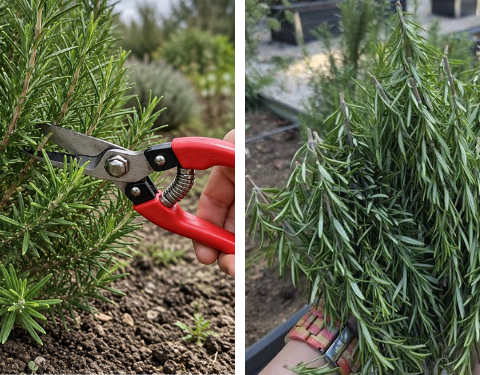
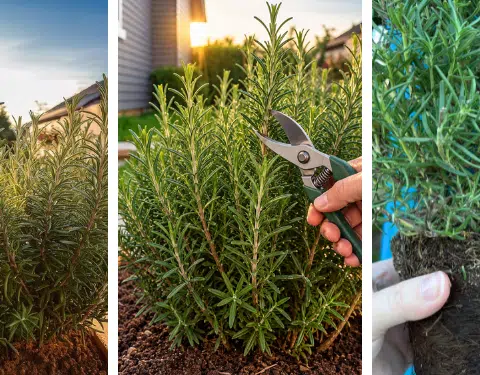
2. Rosemary (Rosmarinus officinalis)
Why Grow Rosemary?
Rosemary is a fragrant, evergreen herb that can be used fresh or dried. It’s great for culinary uses and has ornamental value.
Benefits:
- Culinary Uses: Excellent for roasts, marinades, and bread.
- Health Benefits: Boosts memory, improves digestion, and has anti-inflammatory properties.
Planting Tips:
- Soil: Needs well-drained soil.
- Sunlight: Requires full sun.
- Watering: Tolerates drought well; water sparingly.
3. Sage (Salvia officinalis)
Why Grow Sage?
Sage is a hardy perennial that provides a robust flavor and has beautiful, silvery leaves.
Benefits:
- Culinary Uses: Perfect for stuffing, sauces, and teas.
- Health Benefits: Rich in antioxidants, supports oral health, and improves brain function.
Planting Tips:
- Soil: Prefers well-drained soil.
- Sunlight: Needs full sun.
- Watering: Water regularly but allow the soil to dry out between watering.
4. Oregano (Origanum vulgare)
Why Grow Oregano?
Oregano is a robust herb with a strong flavor, commonly used in Italian and Mediterranean cuisines.
Benefits:
- Culinary Uses: Great for pizzas, pastas, and salads.
- Health Benefits: High in antioxidants and has antimicrobial properties.
Planting Tips:
- Soil: Needs well-drained soil.
- Sunlight: Requires full sun.
- Watering: Water moderately.
5. Chives (Allium schoenoprasum)
Why Grow Chives?
Chives are a versatile herb with a mild onion flavor, perfect for garnishing dishes.
Benefits:
- Culinary Uses: Ideal for soups, salads, and baked potatoes.
- Health Benefits: Rich in vitamins A and C, and supports immune health.
Planting Tips:
- Soil: Prefers well-drained soil.
- Sunlight: Needs full sun to partial shade.
- Watering: Keep the soil consistently moist.
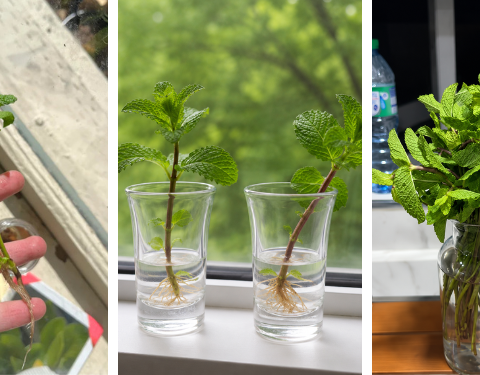
6. Mint (Mentha)
Why Grow Mint?
Mint is a vigorous grower that can quickly spread, so it’s best grown in containers. Its refreshing flavor is perfect for a variety of dishes and drinks.
Benefits:
- Culinary Uses: Great for teas, cocktails, and garnishes.
- Health Benefits: Aids digestion, relieves nausea, and has antibacterial properties.
Planting Tips:
- Soil: Prefers moist, well-drained soil.
- Sunlight: Needs partial shade to full sun.
- Watering: Keep the soil consistently moist.
7. Tarragon (Artemisia dracunculus)
Why Grow Tarragon?
Tarragon has a unique, slightly licorice flavor that enhances a variety of dishes. It’s especially popular in French cuisine.
Benefits:
- Culinary Uses: Ideal for chicken, fish, and egg dishes.
- Health Benefits: Improves digestion and has antibacterial properties.
Planting Tips:
- Soil: Prefers well-drained, sandy soil.
- Sunlight: Needs full sun to partial shade.
- Watering: Water moderately, allowing the soil to dry out between waterings.
8. Lemon Balm (Melissa officinalis)
Why Grow Lemon Balm?
Lemon balm has a fresh, lemony scent and flavor, making it a great addition to beverages and desserts.
Benefits:
- Culinary Uses: Perfect for teas, cocktails, and salads.
- Health Benefits: Reduces stress, improves sleep, and aids digestion.
Planting Tips:
- Soil: Prefers well-drained soil.
- Sunlight: Needs full sun to partial shade.
- Watering: Keep the soil consistently moist.
Incorporating perennial herbs into your garden not only provides a continuous supply of fresh flavors but also adds beauty and diversity to your outdoor space.
These eight perennial herbs are easy to grow and maintain, offering numerous culinary and health benefits. Plant them once, and enjoy their rewards for years to come.