Container gardening is a fantastic way to grow plants in small spaces, balconies, patios, or urban settings.
Whether you want to cultivate flowers, herbs, vegetables, or even small trees, containers give you flexibility to create a lush garden even without a traditional backyard.
However, not all container gardens thrive. Choosing the wrong container, incorrect soil, or improper watering techniques can lead to unhealthy plants and poor growth.
To help you succeed, we’ve compiled the 10 most important things you need to know to create a flourishing container garden!
1. Choose the Right Container for Your Plants
Selecting the correct container is crucial for plant health. The size, material, and drainage of the pot all impact plant growth.
Key Factors to Consider:
✔ Size Matters – A larger container holds more soil and retains moisture better. Small pots dry out quickly.
✔ Drainage is Essential – Choose pots with drainage holes to prevent root rot.
✔ Material Choices:
- Terra Cotta – Breathable but dries out quickly.
- Plastic – Lightweight and retains moisture well.
- Wooden Planters – Aesthetic but can rot over time.
- Metal Containers – Stylish but can heat up quickly in the sun.
💡 Tip: If your favorite pot doesn’t have drainage holes, drill a few at the bottom!
2. Use High-Quality Potting Soil 🏡🌱
Unlike garden beds, containers require special soil blends for optimal drainage, aeration, and nutrient retention.
What to Use:
✔ Potting Mix (Not Garden Soil!) – Lightweight and formulated for container plants.
✔ Compost – Adds organic matter and improves soil health.
✔ Perlite or Sand – Improves aeration and prevents compaction.
✔ Mulch or Coco Coir – Helps retain moisture and reduce evaporation.
💡 Tip: Refresh container soil every growing season to maintain fertility!
3. Pick the Right Plants for Containers 🌸🌿
Not all plants thrive in containers. Choose compact, container-friendly varieties for best results.
Best Plants for Container Gardening:
✔ Vegetables: Tomatoes, peppers, lettuce, carrots, radishes.
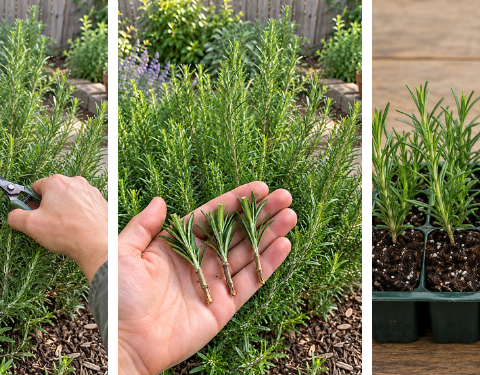
✔ Herbs: Basil, mint, rosemary, thyme, chives.
✔ Flowers: Petunias, marigolds, geraniums, pansies, succulents.
✔ Small Fruit Trees: Dwarf lemon, fig, olive, blueberries.
💡 Tip: Check plant labels for “container-friendly” or “dwarf” varieties!
4. Ensure Proper Sunlight Exposure ☀️
Plants need the right amount of sunlight to thrive. Too much or too little can impact growth.
✔ Full Sun Plants (6+ hours/day): Tomatoes, peppers, lavender, rosemary.
✔ Partial Sun Plants (4-6 hours/day): Lettuce, spinach, impatiens, begonias.
✔ Shade Plants (Less than 4 hours/day): Ferns, hostas, peace lilies.
💡 Tip: If your garden doesn’t get much sun, use grow lights indoors or move containers throughout the day!
5. Water Correctly – Not Too Much or Too Little 💧
Watering is one of the biggest challenges in container gardening. Since containers dry out faster than garden soil, they need consistent watering.
✔ Check Moisture Levels Daily – Stick your finger into the soil. If it’s dry 1-2 inches deep, it’s time to water.
✔ Water in the Morning – Reduces evaporation and gives plants time to absorb moisture.
✔ Avoid Overwatering – Too much water drowns roots, causing root rot.
✔ Self-Watering Pots & Drip Irrigation – Great for reducing maintenance!
💡 Tip: Group plants with similar watering needs together to simplify care.
6. Feed Your Plants with the Right Fertilizers 🌱🧑🌾
Container plants rely on you for nutrients since potting mix loses fertility over time.
✔ Organic Fertilizers: Compost, fish emulsion, worm castings.
✔ Slow-Release Granules: Provide nutrients over several months.
✔ Liquid Fertilizers: Use weekly or biweekly for quick boosts.
💡 Tip: Different plants have different needs – leafy greens need nitrogen, while flowering plants need phosphorus.
7. Prevent & Manage Pests and Diseases 🐜🚫
Since container plants are closer to homes and patios, they can attract pests like aphids, spider mites, and fungus gnats.
Pest Prevention:
✔ Inspect plants regularly for signs of insects.
✔ Use neem oil or insecticidal soap as a natural remedy.
✔ Keep pots clean and free of decaying leaves.
💡 Tip: Companion planting (e.g., basil near tomatoes) naturally repels pests!
8. Rotate and Refresh Plants Seasonally 🍂🌿
To keep your garden productive year-round, rotate plants seasonally!
✔ Spring & Summer: Tomatoes, basil, peppers, marigolds.
✔ Fall & Winter: Kale, spinach, chard, pansies.
💡 Tip: When replanting, replace or amend old soil to maintain fertility.
9. Arrange Containers for Aesthetic & Functionality 🎨🪴
Strategically arranging containers enhances both beauty and plant health.
✔ Group containers together to create a lush look and retain moisture.
✔ Use height variations – tall plants at the back, short in front.
✔ Choose colorful pots & mix textures for visual interest.
💡 Tip: Use wheeled plant stands to move heavy pots easily!
10. Keep Up with Regular Maintenance ✂️
A successful container garden requires ongoing care.
✔ Prune & Deadhead – Encourages bushier growth and more blooms.
✔ Clean & Sanitize Pots – Prevents disease buildup.
✔ Replenish Soil & Fertilizer – Keeps plants healthy.
💡 Tip: Keep a gardening journal to track plant performance and improvements!
Final Thoughts: Your Path to a Thriving Container Garden
Container gardening is a fun, flexible, and rewarding way to grow plants in any space.
By choosing the right containers, soil, plants, and maintenance routine, you can create a lush, thriving garden—no matter how small your space is.