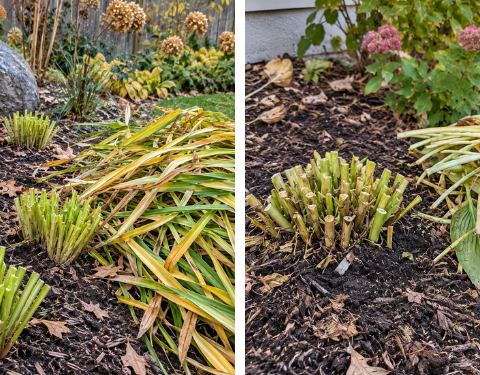
When the crisp air of autumn arrives, many gardeners begin packing up their tools and preparing for the dormant winter months.
But seasoned green thumbs know that fall is one of the most critical times of year to care for your soil – and nothing plays a more important role than mulching.
While spring mulching gets plenty of attention, fall mulching offers unique, powerful benefits that prepare your garden for a strong comeback next year.
Whether you’re growing vegetables, perennials, trees, or flowers, mulching in the fall can protect, nourish, and rejuvenate your garden like no other seasonal practice.
In this detailed SEO-optimized guide, we’ll dive into why you should mulch your garden every fall, how to do it right, and what materials to use for the best results.
What Is Mulching?
Mulching involves placing a layer of organic or inorganic material over the surface of the soil.
It acts as a protective blanket that can suppress weeds, regulate soil temperature, improve moisture retention, and boost soil health.
Common Mulch Types:
- Organic: shredded leaves, straw, wood chips, bark, pine needles, compost
- Inorganic: landscape fabric, gravel, rubber mulch (less recommended for edible gardens)
Why Mulch in the Fall? Top 10 Reasons
1. Protects Plant Roots from Freezing Temperatures
In many climates, fall and winter bring harsh freezes that can damage or kill the root systems of perennial plants.
A thick mulch layer acts as insulation, keeping the soil temperature more stable and preventing freeze-thaw cycles.
Especially important for:
- Perennial vegetables (asparagus, rhubarb)
- Flower bulbs and root crops
- Young trees and shrubs
2. Suppresses Winter and Early Spring Weeds
Weeds don’t take the winter off. Many germinate in fall or survive as seeds waiting for spring warmth.
Fall mulching creates a barrier that smothers weed seeds and prevents early-season sprouting.
Mulch blocks light and creates an unfavorable surface for weeds to grow, saving you hours of labor next spring.
3. Improves Soil Structure and Fertility Over Time
As organic mulch decomposes, it enriches the soil with humus, improves microbial activity, and enhances nutrient availability. The freeze-thaw cycles of winter help break mulch down and incorporate it into the soil.
Long-term benefits include:
- Better water retention
- Improved drainage
- Softer, looser soil for planting
4. Retains Moisture During Dry Winter Winds
Cold, dry winter air can evaporate moisture from the topsoil, especially in unprotected beds. Mulch acts as a moisture barrier, conserving water and keeping roots hydrated during dormancy.
Helpful in:
- Windy, exposed areas
- Raised beds that dry out faster
5. Reduces Soil Erosion and Compaction
Fall rains and snowmelt can wash away topsoil, especially in sloped areas or bare beds. Mulch helps anchor soil in place and protects it from impact.
In addition, mulch prevents soil from compacting under rain, snow, or foot traffic – so your garden stays light and fluffy for spring planting.
6. Encourages Earthworm and Microbial Activity
Healthy soil isn’t just dirt – it’s alive. Mulch provides a food source and habitat for earthworms, fungi, and beneficial microbes.
These soil organisms aerate the soil and help decompose organic matter, releasing nutrients for your plants.
Microbial activity often continues throughout mild winters and kicks into gear in early spring, thanks to mulch protection.
7. Protects Fall-Planted Bulbs and Garlic
Bulbs like tulips, daffodils, and garlic cloves are often planted in fall.
Covering them with 2–4 inches of mulch helps insulate them from frost and fluctuating temperatures, promoting strong root development and preventing premature sprouting.
8. Prevents Soil Nutrient Leaching
Winter precipitation can leach valuable nutrients like nitrogen and potassium from uncovered soil.
A layer of organic mulch slows water movement and reduces nutrient loss, helping your soil stay fertile through winter.
9. Provides Shelter for Beneficial Insects
Mulch offers a warm hiding place for overwintering pollinators and predators like ladybugs, ground beetles, and solitary bees.
By creating a welcoming habitat, you’ll boost biodiversity and pest control in your spring garden.
Tip: Use leaf litter or straw around perennial beds to encourage beneficial insect activity.
10. Reduces Spring Garden Workload
One of the biggest advantages of fall mulching? A head start on spring. Your soil will be weed-free, moist, and nutrient-rich – ready for planting with less effort.
Instead of clearing winter debris, you’ll be focused on sowing seeds and harvesting early greens.
How to Mulch Your Garden in the Fall
Step 1: Clean Up the Garden Bed
- Remove dead annuals, weeds, and diseased plant material.
- Leave healthy roots in the soil – they help maintain structure and decompose naturally.
Step 2: Water the Soil if Dry
Moist soil beneath mulch will retain hydration better during winter.
Step 3: Choose the Right Mulch Material
- Leaves: Shredded for quicker decomposition; high in carbon
- Straw: Great for vegetable beds; light and airy
- Wood chips/bark: Best for paths, trees, and perennial beds
- Compost: Acts as both mulch and slow-release fertilizer
Avoid using unshredded whole leaves or grass clippings in thick layers, as they can mat down and smother soil.
Step 4: Apply Mulch Evenly
- Spread 2–4 inches deep for most beds
- Leave a gap of 2–3 inches around plant stems and tree trunks to prevent rot
Step 5: Secure the Mulch Layer
- Gently water after applying to help settle the mulch
- Use landscape staples or netting on windy sites
When to Apply Fall Mulch
The best time to mulch is after the first hard frost but before the ground freezes completely. This ensures the soil has cooled but hasn’t frozen solid, locking in temperature and moisture.
General timing by region:
- Northern zones: Late October to early November
- Southern zones: November to early December
Best Mulch Materials for Fall Gardening
1. Shredded Leaves
- Abundant, free, and great for soil health
- Must be shredded to avoid clumping
2. Compost
- Adds nutrients while insulating soil
- Ideal for vegetable beds and perennials
3. Straw or Hay (Seed-Free)
- Light and effective; perfect for garlic, strawberries, or raised beds
- Choose clean, seed-free varieties to avoid weeds
4. Wood Chips or Bark Mulch
- Long-lasting; ideal for trees, shrubs, and perennial borders
- May tie up nitrogen if mixed into soil – keep on top only
5. Pine Needles
- Great for acid-loving plants like blueberries and azaleas
- Lightweight and decorative
Common Mistakes to Avoid
- Too much mulch: Over-mulching can smother roots and encourage mold
- Piling mulch against stems: Can cause rot and attract pests
- Using infected plant material: Spreads disease to next season’s garden
- Skipping mulch in sandy soil: These soils lose nutrients and moisture quickly without cover
Bonus: Mulching Lawns in Fall
You can also mulch your lawn with fallen leaves using a mulching mower. This fine layer of leaf particles decomposes quickly and adds nutrients to the soil, reducing the need for fertilizer.
Fall mulching isn’t just a good habit – it’s a strategic move to improve your garden’s performance year-round.
From protecting delicate roots to enhancing soil fertility and reducing spring labor, the benefits are too valuable to ignore.
So don’t let your garden go bare as the seasons change. Grab a rake, gather those autumn leaves or a bale of straw, and give your garden the cozy blanket it needs to rest, recharge, and rise stronger next spring.