Fresh herbs are a gardener’s and cook’s best friend – full of flavor, nutrients, and aromatic oils that elevate any dish.
But when herb plants start to produce more than you can use, it’s time to preserve the bounty. While drying herbs is common, freezing them retains more of their original color, taste, and nutritional value.
Freezing is fast, simple, and perfect for maintaining a well-stocked supply of herbs in your kitchen.
This comprehensive guide covers the five best methods for freezing fresh herbs, including step-by-step instructions and tips for storing and using them later.
Whether you’re harvesting from your garden or buying in bulk from the market, these freezing techniques ensure you enjoy the vibrant flavors of summer all year long.
Why Freeze Herbs?
Freezing herbs locks in essential oils and nutrients that are often lost during drying.
While frozen herbs may not look as pretty as fresh ones, they pack a flavorful punch and are perfect for soups, stews, sauces, and sautés.
Benefits of freezing herbs:
- Preserves vibrant flavor and aroma
- Retains more nutrients than drying
- Prevents waste
- Saves money by reducing the need for store-bought herbs
Whether you’re freezing basil, cilantro, parsley, rosemary, thyme, dill, mint, or chives, there’s a freezing method that will work best for each herb.
Method 1: Freezing Herbs in Ice Cube Trays with Water or Broth
This is one of the most popular and versatile ways to freeze soft herbs like parsley, basil, cilantro, dill, and mint.
The water or broth protects delicate leaves from freezer burn and makes it easy to use pre-portioned amounts in cooking.
- Wash herbs thoroughly and pat dry.
- Remove tough stems and finely chop the leaves.
- Fill the compartments of an ice cube tray about 2/3 full with chopped herbs.
- Pour filtered water or broth over the herbs to cover.
- Freeze overnight.
- Pop out frozen cubes and store in labeled freezer bags or airtight containers.
These herb cubes can be added directly to simmering sauces, soups, stir-fries, and stews. Broth-based cubes enhance savory dishes with even more flavor.
Method 2: Freezing Herbs in Oil
This technique is perfect for herbs you’d use in sautéing, roasting, or pasta dishes. Freezing in oil helps preserve both the texture and essential oils, especially for tender herbs like oregano, sage, chives, tarragon, and basil.
- Rinse herbs, remove stems, and pat dry thoroughly.
- Chop herbs finely or leave whole, depending on preference.
- Fill each compartment of an ice cube tray halfway with herbs.
- Pour olive oil or another neutral oil over the herbs.
- Freeze until solid.
- Transfer cubes to a labeled freezer-safe bag or container.
Use these oil cubes in frying pans, casseroles, or over grilled vegetables. They offer a ready-made seasoning base that saves prep time during meals.
Method 3: Flash Freezing Whole Herb Leaves
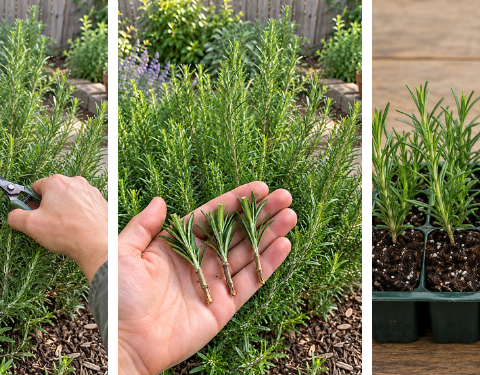
This method is ideal for hardy herbs with less moisture content, such as rosemary, thyme, sage, and oregano. Flash freezing keeps leaves separated and usable in sprigs or pinches, closer to how you’d use fresh herbs.
- Rinse and dry the herbs completely.
- Remove leaves from thick stems if desired.
- Arrange leaves in a single layer on a parchment-lined baking sheet.
- Freeze for 2–3 hours or until fully hardened.
- Transfer frozen leaves into labeled freezer-safe containers or resealable bags.
Since the leaves don’t stick together, you can grab just the amount you need without thawing the whole batch. These herbs are excellent in roasted meats, potatoes, and baked dishes.
Method 4: Freezing Herb Purees
This method works well for large batches of herbs and allows for smooth blending into sauces, marinades, salad dressings, and soups. Ideal for basil, cilantro, parsley, chervil, and dill.
- Clean and dry herbs.
- Blend with just enough water or oil to form a thick paste.
- Spoon the puree into ice cube trays or silicone molds.
- Freeze until solid, then transfer cubes to airtight containers.
For more flavor, blend herbs with garlic, lemon juice, or salt before freezing. Herb purees can be used in pesto, chimichurri, green goddess dressing, or herb-infused mayonnaise.
Method 5: Freezing Herb Butter
Combining herbs with butter is a delicious way to create compound flavors that can be stored in the freezer and used as finishing touches for grilled meats, vegetables, pasta, and bread.
- Soften unsalted butter to room temperature.
- Wash, dry, and finely chop fresh herbs.
- Mix herbs into the butter using a spoon or electric mixer.
- Shape into logs using plastic wrap or parchment paper.
- Wrap tightly and freeze until firm.
- Slice off portions as needed and rewrap.
Try combining butter with garlic, lemon zest, or spices along with herbs like parsley, thyme, dill, or rosemary. Herb butters last for months and can be sliced directly onto hot food for instant flavor.
Tips for Storing Frozen Herbs
- Use airtight containers or freezer bags to avoid freezer burn and preserve taste.
- Label each bag or container with the herb name and date of freezing.
- Store in the coldest part of your freezer, ideally below 0°F (-18°C).
- Use within 6 months for best flavor, though most herbs remain usable for up to a year.
How to Use Frozen Herbs in Cooking
Frozen herbs are best used in cooked dishes rather than raw salads or garnishes. The texture may change slightly after freezing, but the flavor remains robust.
Best uses for frozen herbs:
- Soups and stews
- Pasta sauces
- Omelets and quiches
- Roasted meats and vegetables
- Stir-fries
- Grain dishes like rice, quinoa, or couscous
Avoid thawing herbs before using. Add them straight from the freezer into hot pans or simmering liquids for the freshest flavor.
Best Herbs for Freezing
Some herbs freeze better than others. Here’s a breakdown of ideal herbs to preserve using the methods above:
- Excellent Freezers: Basil, parsley, cilantro, dill, chives, oregano, thyme, tarragon, rosemary, sage
- Moderate Freezers: Mint, lovage, marjoram, sorrel
- Less Ideal for Freezing (but still possible): Lemongrass, fennel fronds, savory
Avoid freezing water-heavy herbs like lettuce or soft greens like arugula – they tend to turn mushy when thawed.
Freezing herbs is one of the easiest, most practical ways to preserve the garden’s abundance and reduce food waste.
Whether you freeze them in water, oil, butter, or as purees, each method offers flavorful convenience right at your fingertips.
By incorporating just a few freezing techniques into your seasonal routine, you’ll always have your favorite herbs ready to enhance soups, sauces, vegetables, and meats – even in the dead of winter.
So the next time you harvest a handful of parsley or buy a big bunch of basil, don’t let it go to waste.