

If you take gardening seriously, the first step to success is understanding your soil type. No matter how much effort you put into watering, fertilizing, or planting, your garden won’t thrive without good soil.
Each type of soil has different characteristics, affecting water drainage, nutrient availability, and plant health.
Knowing which type of soil you have helps you choose the right plants, amendments, and fertilizers to ensure a healthy, productive garden.
In this guide, we’ll explore the six main types of soil, their pros and cons, and how to improve them for optimal plant growth.
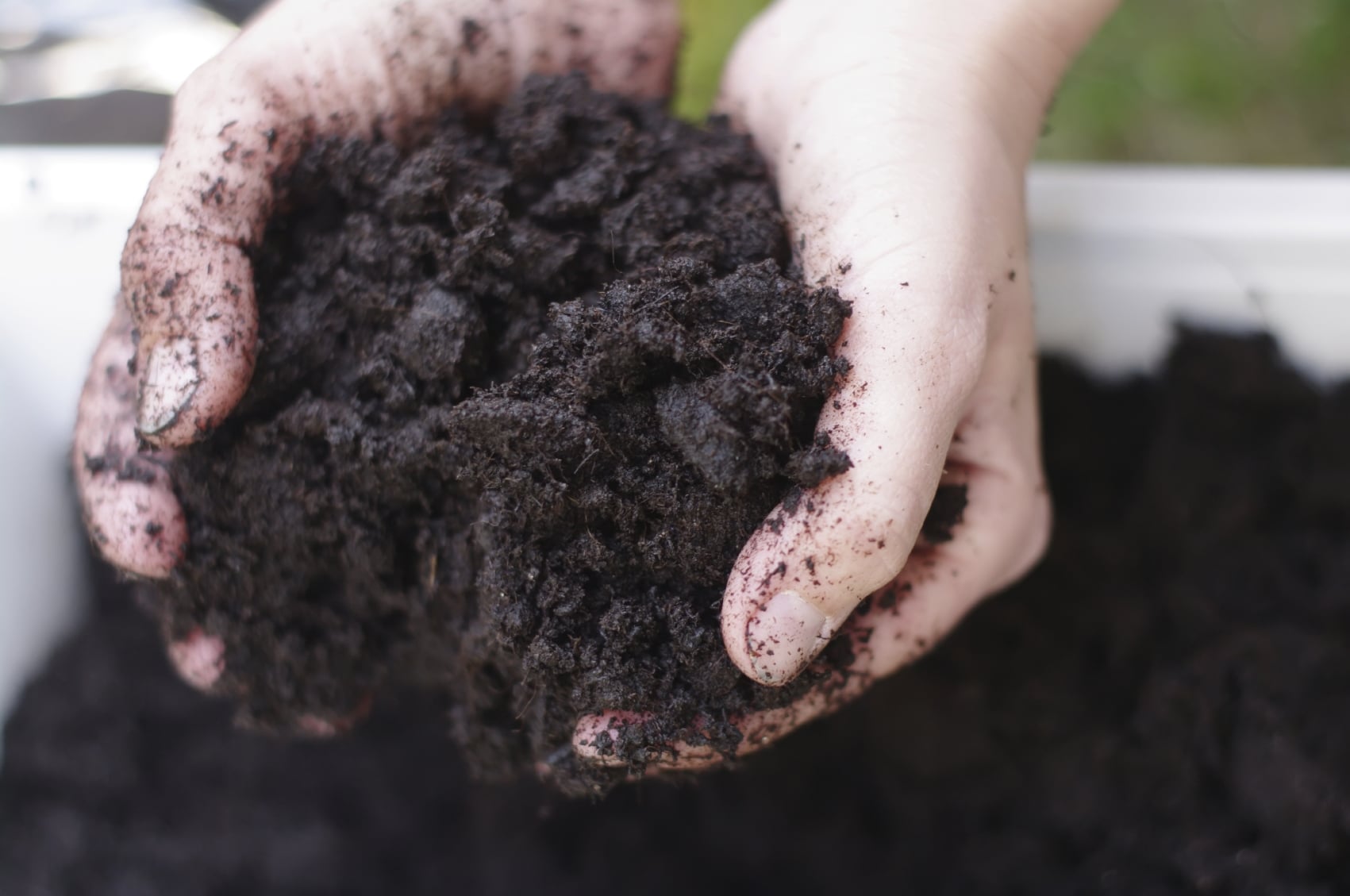
1. Clay Soil – Nutrient-Rich but Hard to Work With 🏺
Texture: Heavy, sticky when wet, rock-hard when dry.
Best for: Shrubs, fruit trees, perennials (e.g., lilacs, roses, and peonies).
Pros:
✔️ High in nutrients – Clay soil holds essential minerals and nutrients, making it very fertile.
✔️ Good moisture retention – Clay holds water well, meaning plants won’t dry out quickly.
Cons:
❌ Poor drainage – Can become waterlogged and suffocate plant roots.
❌ Compacts easily – Becomes hard and cracked when dry, making it difficult for roots to grow.
How to Improve Clay Soil:
✅ Add organic matter (compost, manure, peat moss) to improve drainage.
✅ Mix in sand or perlite to break up heavy soil and allow more air circulation.
✅ Use raised beds to prevent waterlogging.
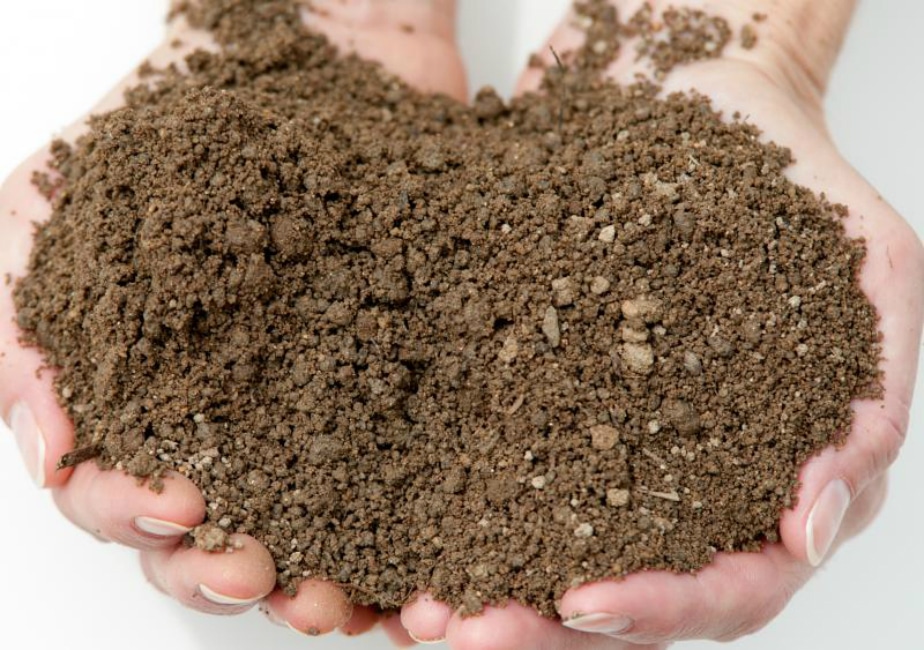
2. Sandy Soil – Drains Quickly But Lacks Nutrients 🏖️
Texture: Gritty, dry, lightweight.
Best for: Root vegetables (carrots, potatoes, radishes), lavender, rosemary, succulents.
Pros:
✔️ Easy to work with – Light and loose, making it easy to dig and plant.
✔️ Good drainage – Water flows through quickly, preventing root rot.
✔️ Warms up fast in spring, extending the growing season.
Cons:
❌ Loses nutrients quickly – Water drains so fast that nutrients get washed away.
❌ Requires frequent watering – Dries out faster than other soils.
How to Improve Sandy Soil:
✅ Add organic matter (compost, manure, coconut coir) to retain moisture.
✅ Use mulch to slow down water evaporation.
✅ Apply fertilizers (greensand, bone meal) to replenish lost nutrients.
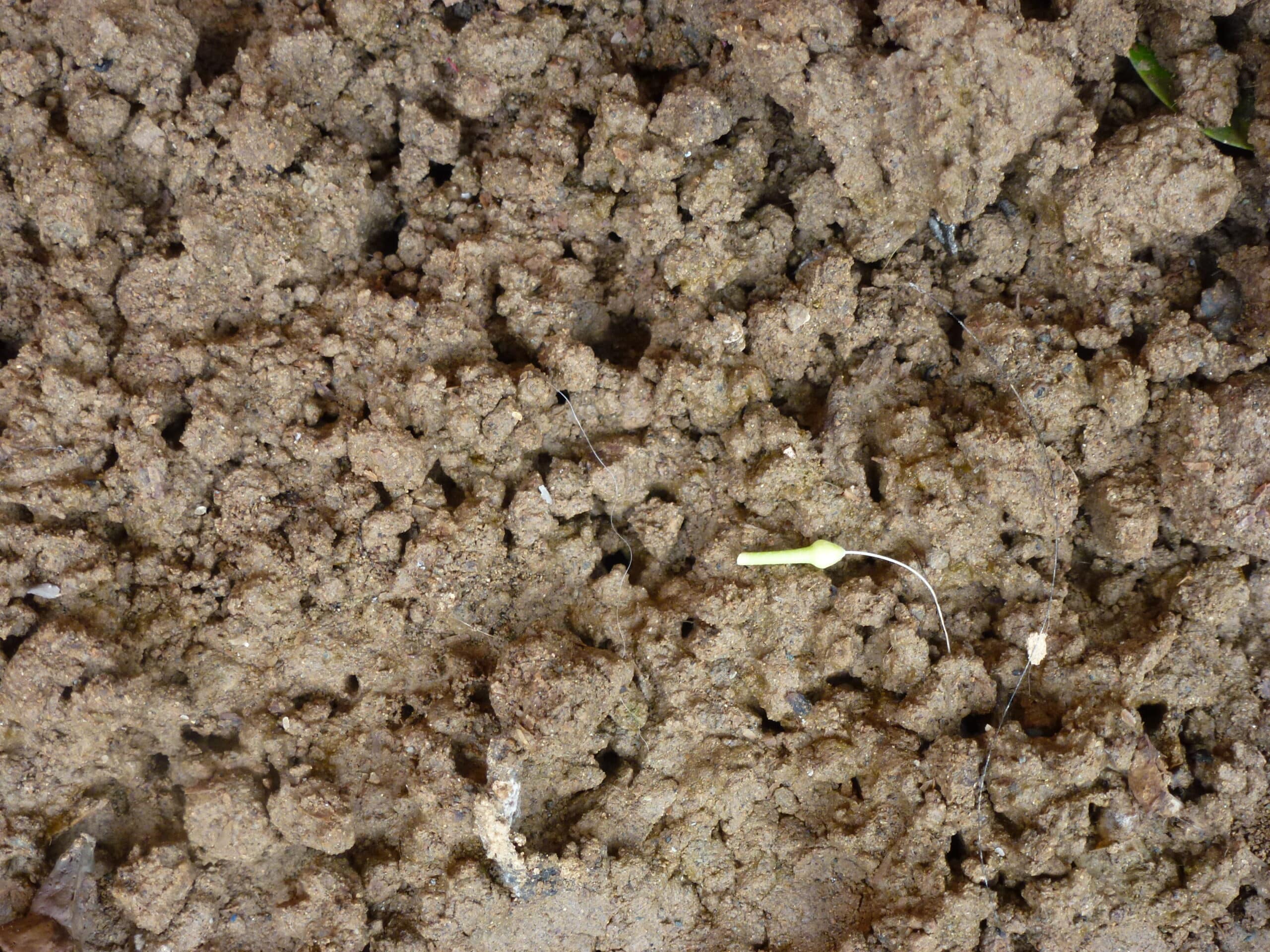
3. Silty Soil – Soft & Nutrient-Rich But Needs Drainage 🌾
Texture: Smooth, soft, slightly sticky when wet.
Best for: Grasses, ferns, moisture-loving vegetables (cabbage, broccoli, lettuce).
Pros:
✔️ Very fertile – Holds nutrients well, making it ideal for plant growth.
✔️ Retains moisture better than sandy soil but still drains well.
Cons:
❌ Compacts easily – Can become too dense, suffocating plant roots.
❌ Prone to erosion – Can wash away easily in heavy rain.
How to Improve Silty Soil:
✅ Mix in coarse sand, gravel, or perlite to improve drainage.
✅ Use organic compost to improve structure and aeration.
✅ Plant cover crops (clover, rye) to prevent erosion.
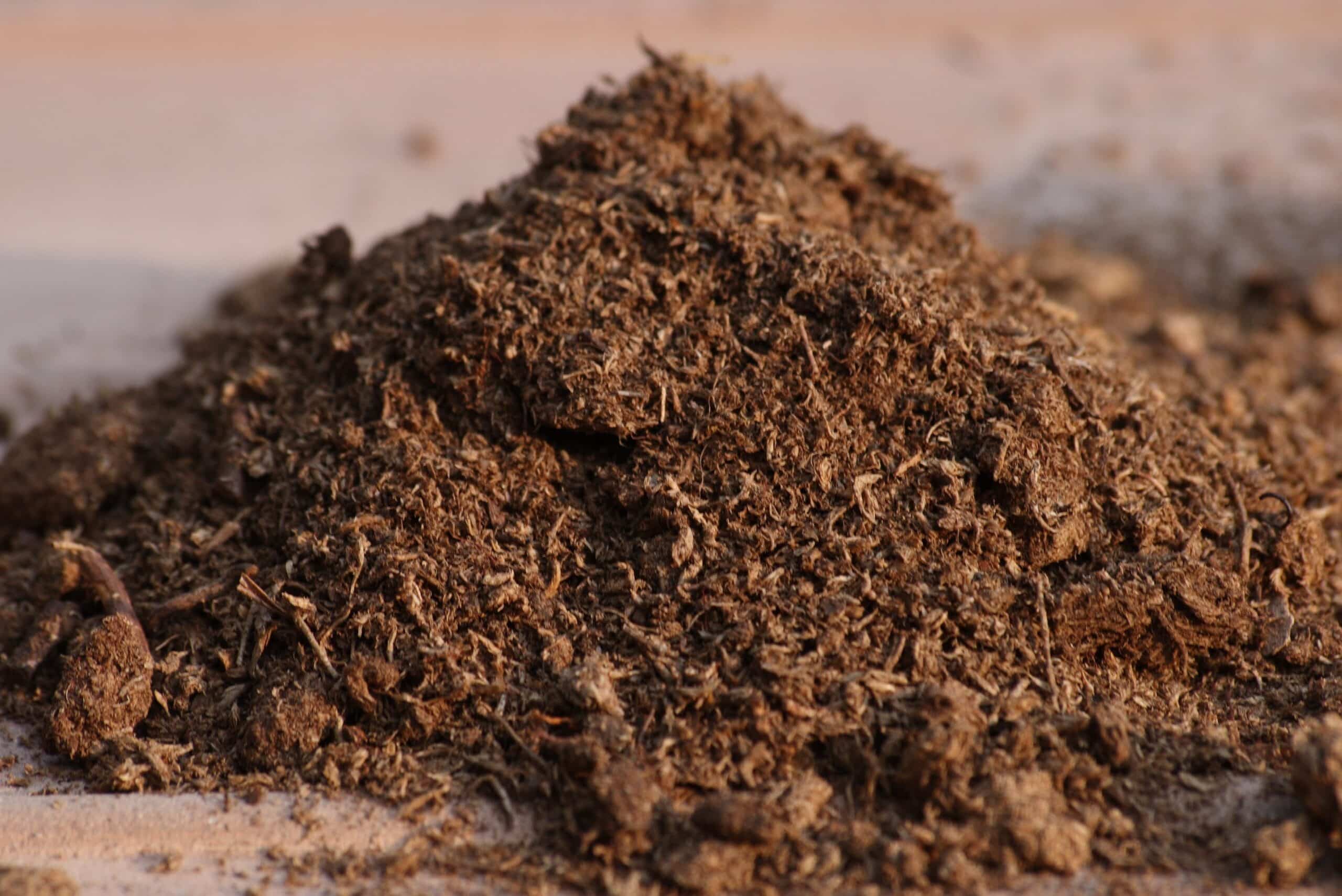
4. Peaty Soil – Moist, Organic, and High in Acidity 🌧️
Texture: Dark, soft, spongy, and rich in organic matter.
Best for: Acid-loving plants (azaleas, blueberries, camellias, hydrangeas).
Pros:
✔️ Holds water well, keeping plants hydrated longer.
✔️ Contains a lot of organic matter, making it very fertile.
✔️ Warms up quickly in spring, extending the growing season.
Cons:
❌ Too acidic for most plants, requiring pH balancing.
❌ Can become waterlogged if not properly drained.
How to Improve Peaty Soil:
✅ Dig drainage channels or use raised beds to prevent excess water retention.
✅ Balance pH with lime or wood ash if growing non-acidic plants.
✅ Add compost and sand to make the structure more plant-friendly.
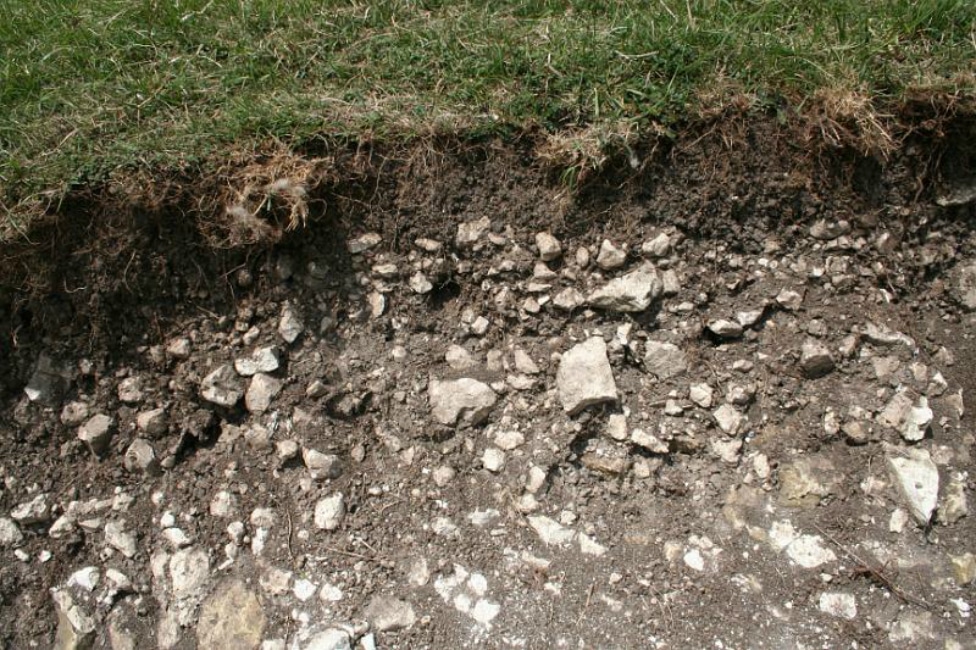
5. Chalky Soil – Alkaline & Free-Draining, But Nutrient-Poor ⛰️
Texture: Dry, stony, coarse.
Best for: Mediterranean plants (lavender, sage, rosemary, lilacs), cabbage, spinach.
Pros:
✔️ Drains well, preventing root rot.
✔️ Resistant to soil compaction, making it easier for roots to spread.
Cons:
❌ Alkaline pH (7.5 or higher) can hinder nutrient absorption.
❌ Often shallow and stony, making it difficult for deep-rooted plants.
How to Improve Chalky Soil:
✅ Use acidic organic matter (peat moss, compost, pine needles) to lower pH.
✅ Apply nitrogen-rich fertilizers to compensate for nutrient deficiencies.
✅ Mulch heavily to retain moisture and prevent drying out.
6. Loamy Soil – The Gardener’s Dream! 🌟
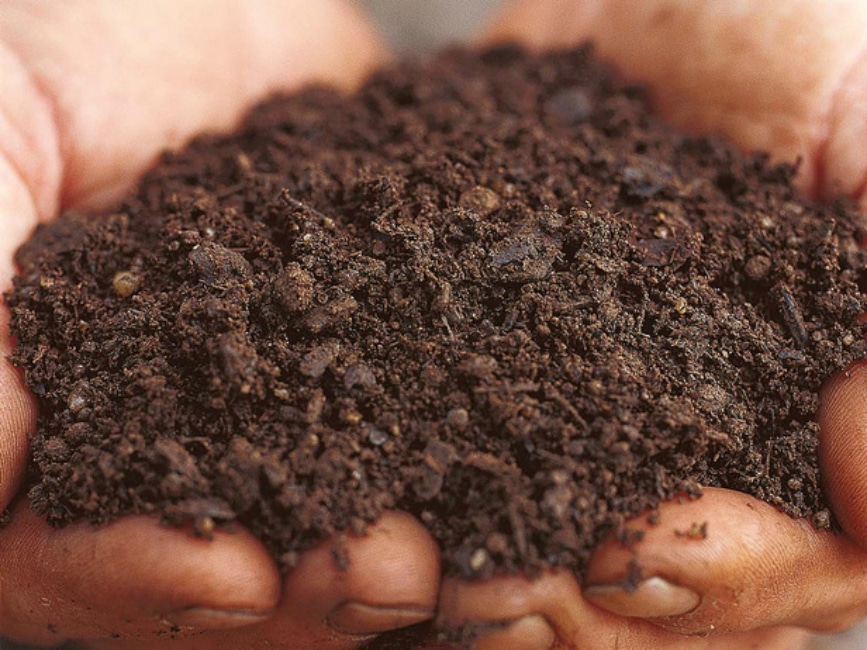
Texture: Balanced mix of sand, silt, and clay—the perfect soil type!
Best for: Almost any plant—vegetables, flowers, trees, and shrubs.
Pros:
✔️ Well-draining but retains moisture, providing ideal conditions for plants.
✔️ High in nutrients, supporting healthy plant growth.
✔️ Easy to work with, making planting and cultivation simple.
Cons:
❌ Can become compacted over time if not properly aerated.
How to Improve Loamy Soil:
✅ Add compost regularly to maintain fertility.
✅ Rotate crops each season to prevent nutrient depletion.
✅ Mulch to retain moisture and suppress weeds.
Knowing your soil type is the first step to having a successful garden.
Each type of soil has strengths and weaknesses, but with the right amendments and care, you can improve your soil to support strong, healthy plants.


