

Fertilizer is often seen as the secret to a thriving vegetable garden. Bags of nitrogen, phosphorus, and potassium line store shelves promising bigger harvests and healthier plants.
But here’s the surprising truth: not every vegetable benefits from fertilizer. In fact, for some crops, adding extra nutrients can actually reduce yields, weaken flavor, attract pests, or cause long-term soil problems.
If you’ve ever overfed your garden and ended up with lush leaves but no harvest, you’ve seen this firsthand.
Why Fertilizing Isn’t Always the Answer
Fertilizers provide the “big three” nutrients plants need:
- Nitrogen (N): Fuels leafy growth
- Phosphorus (P): Strengthens roots and flowers
- Potassium (K): Boosts disease resistance and overall plant health
Sounds great, right? The problem is that too much of these nutrients – especially nitrogen – can unbalance plant growth.
Some vegetables actually evolved to grow in lean soils. Others have natural mechanisms, like nitrogen-fixing bacteria, that make fertilizer unnecessary.
Problems with Overfertilization
- Excess leaf growth: Plants focus on producing leaves instead of roots, bulbs, or fruits.
- Poor flavor and texture: Overfed vegetables often taste watery or bland.
- Lower yields: Roots stay small, fruits fail to set, and flowers drop.
- Pest attraction: Soft, nitrogen-rich leaves attract aphids, caterpillars, and other insects.
- Soil damage: Fertilizers can disrupt microbial balance and cause salt buildup.
That’s why it’s crucial to know which crops thrive better without added fertilizer.
15 Vegetables You Should Never Fertilize
Let’s dive into the specific vegetables that perform best when left alone.
1. Carrots (Daucus carota)
Carrots thrive in loose, sandy soils that are relatively low in nutrients. They don’t need extra fertilizer to form large, sweet roots.
Why not fertilize: High nitrogen makes carrots put all their energy into lush, green tops while roots stay stunted, forked, or hairy. Fertilized carrots often taste bitter or woody.
What happens if fertilized: Overfed carrots split, crack, and store poorly. The sugars that give them sweetness are diluted.
Better conditions: Well-drained soil enriched with compost the season before. pH 6.0–6.8. Keep evenly moist but not soggy.
Alternative boost: Use a bit of wood ash (potassium source) for stronger roots instead of synthetic fertilizer.
2. Radishes (Raphanus sativus)
Radishes are one of the fastest-growing crops—some mature in just 25 days. They are designed to thrive in lean soil.
Why not fertilize: Fertilizer, especially nitrogen, creates leafy greens but tiny, spongy, or misshapen roots.
What happens if fertilized: You’ll end up with radish tops good for salad but no crunchy bulbs underground.
Better conditions: Loose, slightly sandy soil with consistent watering. They need cool temperatures.
Alternative boost: Sprinkle wood ash or kelp meal lightly if soils are very poor, but avoid nitrogen.
3. Parsnips (Pastinaca sativa)
Parsnips are slow growers (taking up to 120 days), but they like poor soil.
Why not fertilize: Fertilizer promotes top growth instead of root development. Excess nitrogen gives parsnips a stringy texture and earthy bitterness.
What happens if fertilized: Misshapen, forked roots that rot quickly in storage.
Better conditions: Stone-free, sandy loam. Plant early in spring and let cool temperatures develop sweetness.
Alternative boost: None needed – just rotate them into soil that previously grew beans or peas for natural fertility.
4. Beets (Beta vulgaris)
Beets are dual-purpose crops, giving both roots and greens. But they do not respond well to high nitrogen.
Why not fertilize: Fertilizer makes large, floppy greens at the expense of small, woody roots.
What happens if fertilized: Roots become cracked, bland, and low in sugars.
Better conditions: pH-neutral soil with a single compost application before planting. Water consistently for tender roots.
Alternative boost: A pinch of boron (from diluted borax) may improve root quality if soil is deficient, but no heavy fertilizer.
5. Turnips (Brassica rapa subsp. rapa)
Turnips mature quickly in lean soil. They evolved to grow in poor farmland.
Why not fertilize: Nitrogen favors huge tops, leaving the roots small, tough, or hollow.
What happens if fertilized: Poor flavor – woody or bitter turnips.
Better conditions: Sow in cool fall weather. Keep moist to avoid cracking.
Alternative boost: Mulch with leaf mold to hold moisture and improve texture.
6. Beans (Phaseolus spp.)
Bush and pole beans are legumes, meaning they make their own nitrogen.
Why not fertilize: Fertilizer disrupts their natural nitrogen-fixing relationship with Rhizobium bacteria. Too much nitrogen = vines and leaves, but no pods.
What happens if fertilized: Reduced yield, floppy stems, and pest problems.
Better conditions: Plant in ordinary soil with a neutral pH. Beans improve soil fertility for the next crop.
Alternative boost: Use an inoculant (legume bacteria) at planting if your soil is poor.
7. Peas (Pisum sativum)
Like beans, peas are legumes. They thrive without fertilizer.
Why not fertilize: Fertilizer prevents peas from forming nitrogen nodules, weakening plants.
What happens if fertilized: Huge leafy vines but very few pods.
Better conditions: Loose, cool soil enriched with compost a season before. pH 6.0–7.0.
Alternative boost: Mulch with straw to keep soil cool and moist.
8. Lentils and Chickpeas
Other nitrogen-fixing legumes like lentils (Lens culinaris) and chickpeas (Cicer arietinum) also don’t need fertilizer.
Why not fertilize: Added nitrogen interferes with nitrogen fixation.
What happens if fertilized: Vines without pods, weak roots, pest attraction.
Better conditions: Poor, sandy soils with low organic matter. Lentils actually prefer hardship.
Alternative boost: Rotate with heavy feeders (corn, cabbage) so their natural nitrogen enriches the soil.
9. Onions (Allium cepa)
Onions need steady growth, not sudden fertilizer boosts.
Why not fertilize: Too much nitrogen = large tops but small bulbs.
What happens if fertilized: Soft onions, poor storage, susceptibility to rot.
Better conditions: Loamy, slightly sandy soil. Plant shallow and keep evenly watered.
Alternative boost: Compost or bone meal added before planting is all they need.
10. Garlic (Allium sativum)
Garlic is a fall-planted crop designed for slow winter growth.
Why not fertilize: Extra nitrogen creates watery bulbs that don’t store.
What happens if fertilized: Garlic splits early, loses pungency, and molds easily in storage.
Better conditions: Plant in October in loose soil, mulch heavily, and avoid feeding.
Alternative boost: Add wood ash in spring for extra potassium.
11. Shallots (Allium cepa var. aggregatum)
Closely related to onions and garlic, shallots also dislike fertilizer.
Why not fertilize: Fertilizer = weak, soft bulbs that rot.
What happens if fertilized: Small clusters, poor flavor, and fungal problems.
Better conditions: Neutral pH, sandy loam. Plant shallow. Rotate beds every year.
Alternative boost: Add compost once, but nothing during growth.
12. Potatoes (Solanum tuberosum)
Potatoes are root crops, and they hate excess nitrogen.
Why not fertilize: Fertilizer makes giant leafy tops, not tubers.
What happens if fertilized: Hollow heart, watery texture, poor storage, and more pest issues.
Better conditions: Loose soil with good drainage. Plant in trenches, hill up as they grow.
Alternative boost: Mix compost in the bed before planting. Wood ash helps prevent disease.
13. Herbs (Basil, Thyme, Oregano, Sage)
Mediterranean herbs thrive in poor soils. Fertilizer ruins their natural oils.
Why not fertilize: Nitrogen dilutes essential oils, making herbs bland.
What happens if fertilized: Weak aroma, low medicinal value, floppy growth.
Better conditions: Well-draining, sandy soil in full sun. They actually prefer hardship.
Alternative boost: Harvest often to encourage stronger oil concentration.
14. Leafy Greens in Compost-Rich Beds (Lettuce, Spinach, Kale)
Leafy greens need nitrogen – but if you already added compost, don’t fertilize.
Why not fertilize: Overfed greens accumulate nitrates, which make them bitter and potentially unhealthy.
What happens if fertilized: Watery leaves, poor taste, bolting (flowering too early).
Better conditions: Compost before planting. Water evenly. Harvest often.
Alternative boost: Seaweed spray for trace minerals.
15. Jerusalem Artichokes (Helianthus tuberosus)
These hardy perennials (sunchokes) are extremely tolerant of poor soils.
Why not fertilize: Fertilizer makes them invasive, spreading uncontrollably.
What happens if fertilized: Overgrowth, tangled stems, and poor tuber quality.
Better conditions: Plant once in poor soil and harvest yearly.
Alternative boost: None needed – they’re self-sufficient.
Alternatives to Fertilizing These Vegetables
Just because you shouldn’t fertilize doesn’t mean you can ignore soil health.
Instead of fertilizer:
- Use compost once per season for balanced nutrients.
- Practice crop rotation to prevent nutrient depletion.
- Mulch with leaves or grass clippings to improve soil texture.
- Encourage soil microbes with organic matter, not chemicals.
- Test soil regularly to spot true deficiencies before adding amendments.
Common Signs of Overfertilization
If you’ve already fertilized these crops, look for warning signs:
- Excess leaf growth with little harvest
- Yellow or burnt leaf tips
- Weak flavor
- Pest infestations
- Poor storage quality
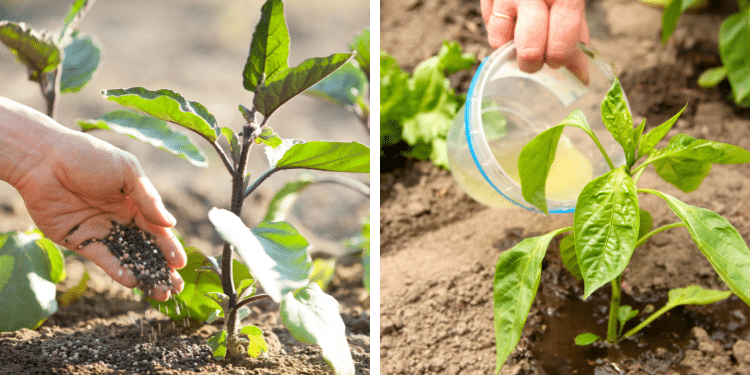
Flush soil with water and adjust your practices next season.
Fertilizer is helpful – but only for the right crops. Many vegetables are naturally adapted to lean soils or can make their own nitrogen. Overfeeding them backfires.
By focusing on soil health, compost, and crop rotation instead of fertilizers, you’ll enjoy better yields, stronger flavors, and a more sustainable garden.


