If you’re dealing with areas in your yard that become soggy or flood during heavy rain, you’re not alone.
Drainage issues are common in residential landscapes, especially around homes built on sloped lots or with poor soil absorption.
Fortunately, there’s an attractive, low-maintenance solution that not only solves water runoff problems but also adds stunning visual interest to your garden: the dry creek bed.
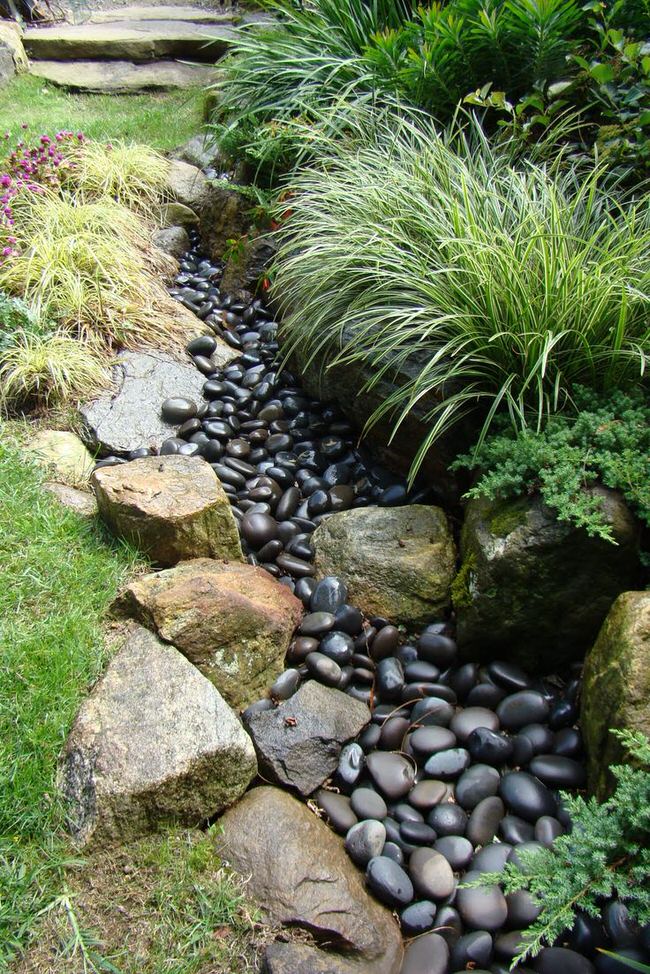
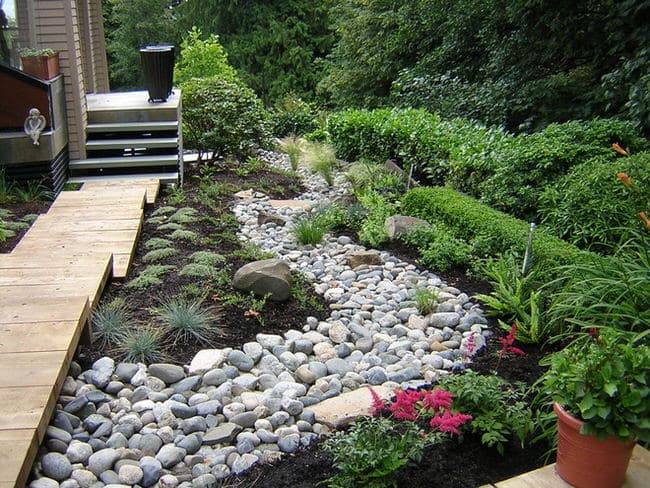
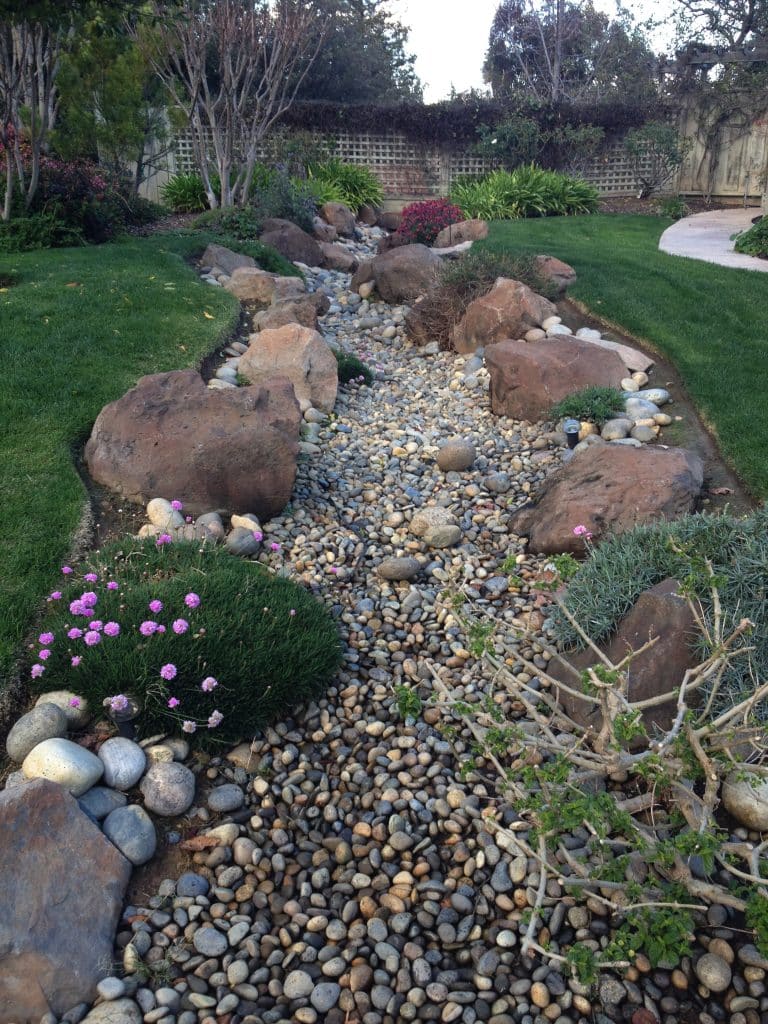
A dry creek bed (also called a dry stream or dry river bed) is a shallow trench lined with rocks, boulders, and gravel, designed to guide excess water away from problem areas.
But beyond its functional benefits, a well-designed dry creek bed can serve as a natural-looking landscape feature, blending seamlessly with your outdoor decor and offering a charming, zen-like ambiance all year round.
Why Install a Dry Creek Bed?
Improves Drainage Efficiency
Dry creek beds are specifically designed to channel rainwater and runoff away from your home’s foundation, garden beds, or water-logged zones, helping prevent flooding, erosion, and costly property damage.
Low Maintenance
Unlike underground drainage pipes or French drains, dry creek beds require minimal upkeep. Once installed properly, they rarely need more than occasional debris clearing.
Natural Aesthetic Appeal
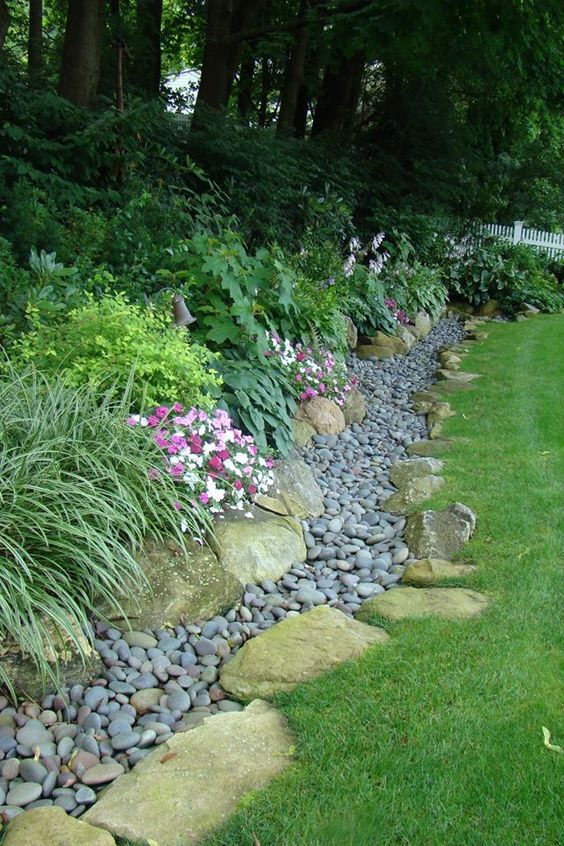
They mimic real streambeds, making your garden look more organic and serene—even when dry. The natural curves, stones, and plants create a landscape that feels intentionally designed but still wild.
Versatile Design Options
From formal garden paths to woodland-inspired backyards, dry creek beds suit any style. You can customize the shape, rock type, plantings, and depth to match your space.
Common Drainage Problems Dry Creek Beds Can Fix
Before installing a dry creek bed, identify the source and direction of water flow. This landscaping solution can address:
-
Low spots that collect water
-
Areas with poor soil absorption (clay-heavy soils)
-
Downspout runoff pooling near foundations
-
Improper grading around patios or walkways
-
Overflow from rain gardens or water features
Redirecting water with a dry creek bed keeps your landscape functional and visually appealing—even during storm season.
How to Design a Dry Creek Bed: Step-by-Step Basics
You don’t need to hire a landscape architect to create a functional and beautiful dry creek bed. With a little research and effort, it can be a DIY-friendly project. Here’s what to keep in mind:
1. Plan the Path
-
Study your yard after a rainstorm to see where water naturally flows.
-
Sketch out a meandering path that follows the natural slope of your yard. Avoid straight lines—curves look more natural and help slow down the water.
-
Make sure the path directs water away from your home and toward a safe outlet, such as a storm drain or gravel-filled dry well.
2. Excavate the Trench
-
Dig a trench along your planned path about 6 to 12 inches deep and wider at areas that handle more flow.
-
Create sloped sides so water flows gently through the bed.
3. Install Landscape Fabric
-
Line the trench with landscape fabric to prevent weeds while allowing water to filter through.
-
Anchor the fabric in place with stakes or large rocks.
4. Add Rocks and Gravel
-
Start with a base layer of gravel for drainage.
-
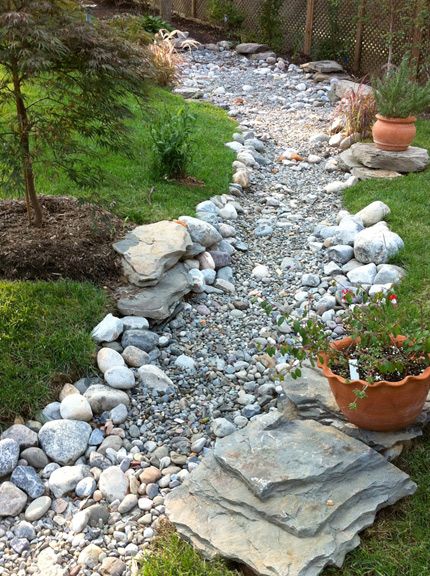
Add medium and large river rocks or boulders along the center and edges to mimic a natural creek.
-
Use rocks of varying sizes to create a realistic look and slow water flow.
5. Anchor with Plants
-
Plant drought-tolerant grasses, ground covers, herbs, and flowering perennials along the banks to soften edges and help stabilize the soil.
-
Choose plants native to your region for best results and low maintenance.
Best Plants for Edging a Dry Creek Bed
These plants are ideal for bordering dry creek beds and adding color, texture, and stability:
-
Creeping thyme – Aromatic, low-growing ground cover
-
Blue fescue – Compact ornamental grass with blue-green blades
-
Black-eyed Susan – Cheerful, drought-tolerant perennials
-
Lavender – Fragrant, hardy herb with purple flowers
-
Coral bells (Heuchera) – Colorful foliage for part-shade areas
-
Russian sage – Wispy texture and pollinator-friendly blooms
-
Sedum (Stonecrop) – Succulent-like plants perfect for hot, dry spots
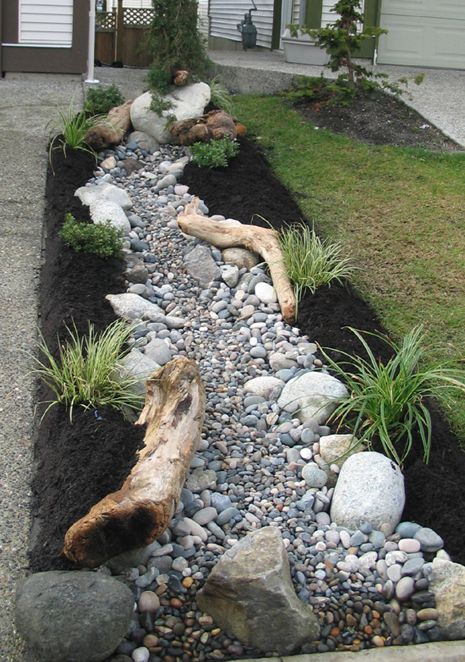
Extra Design Tips for Building a Beautiful Dry Creek Bed
-
Let the creek bed curve naturally as it flows through your yard.
-
Mix stone sizes to make the streambed look realistic. Avoid using only one uniform size.
-
Incorporate a few large boulders for visual impact.
-
Add small bridges, stepping stones, or driftwood for extra charm and functionality.
-
Choose regional stones that blend with your natural environment.
-
Use mulch or gravel in surrounding beds to tie everything together.
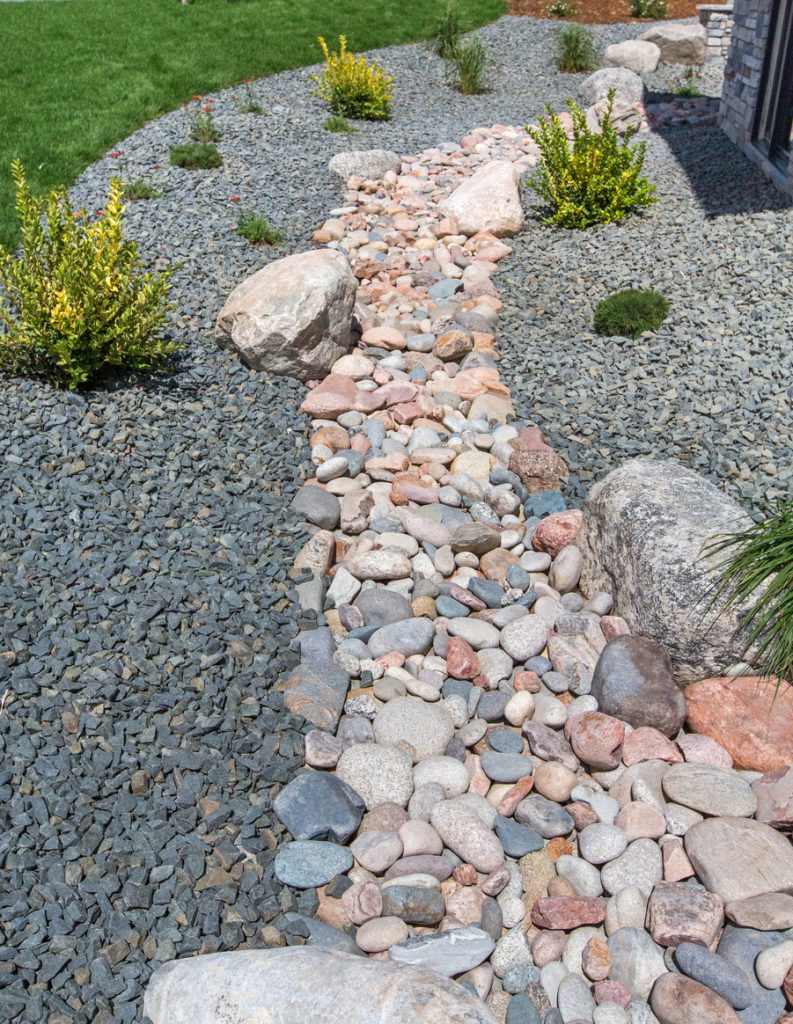
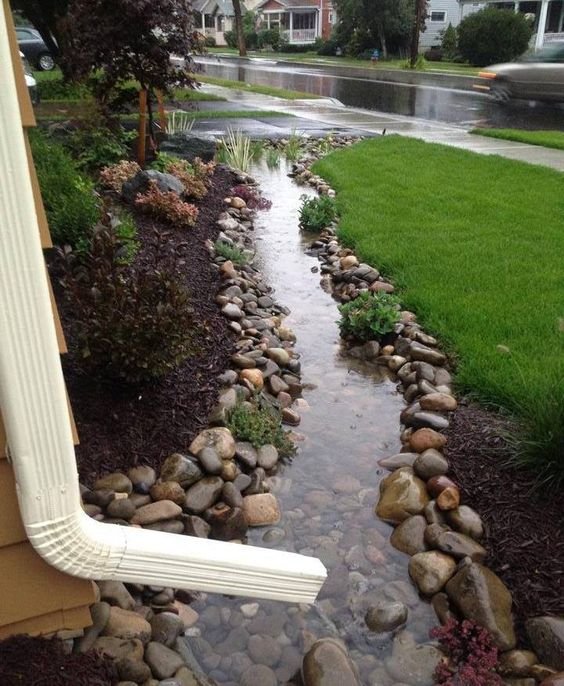
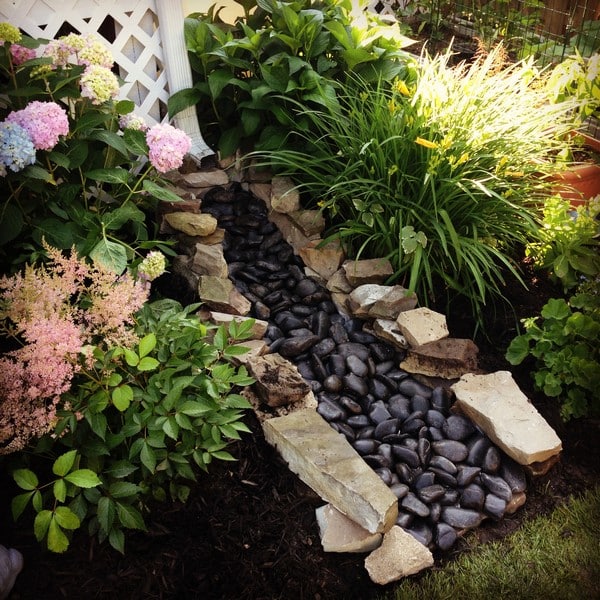
Play with your creativity and imagination to create a wonderful creek bed design. For instance, you can use colorful stones, in different sizes and shapes.
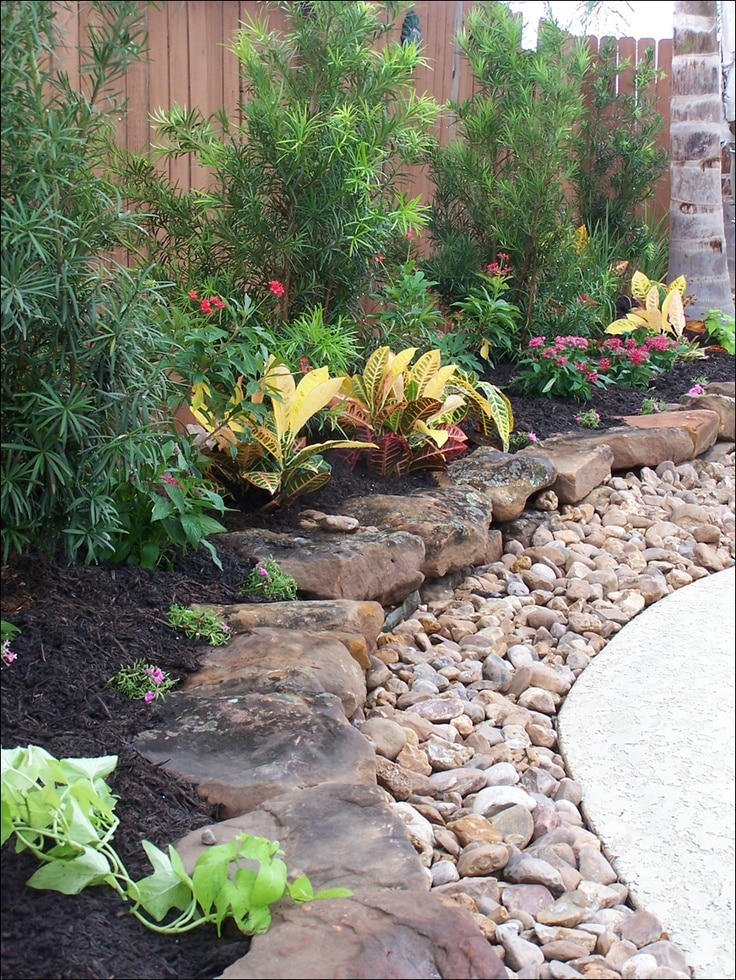
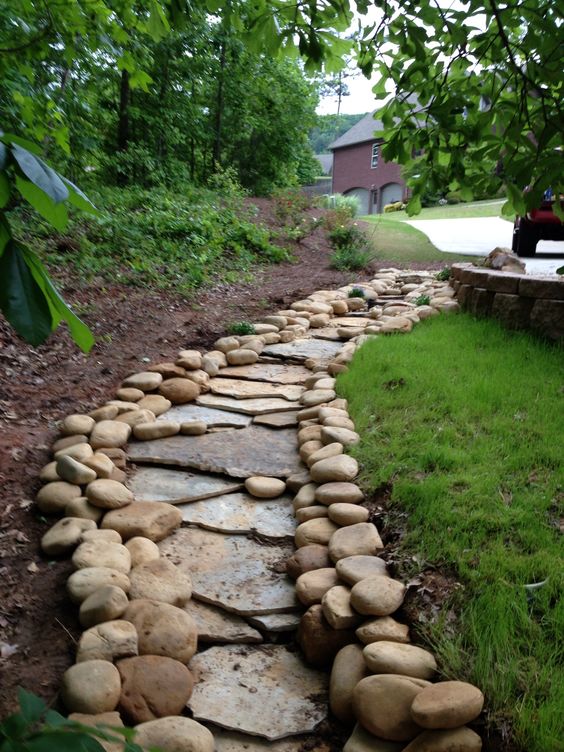
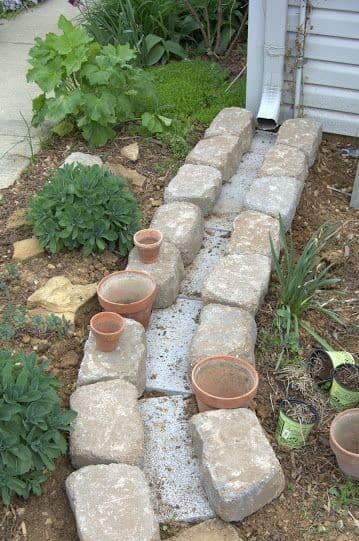
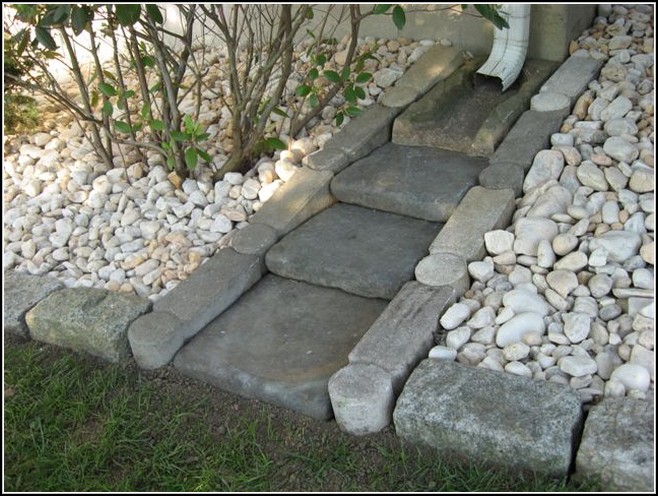
Dry creek beds are an excellent way to manage drainage while enhancing the beauty and functionality of your outdoor space.
They help protect your home from water damage, reduce erosion, and add a peaceful, natural element to your garden design.
Best of all, you can build one yourself, using basic materials and a bit of imagination. So the next time your yard becomes a soggy mess after rain, consider turning the problem into a garden feature you’ll love year-round.