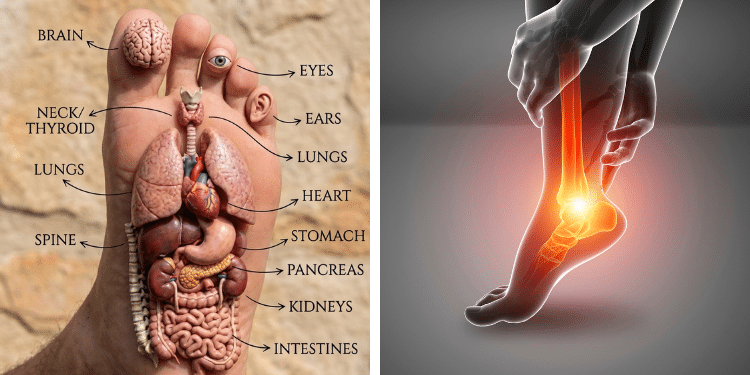
Few things are more frustrating than taking your first steps in the morning and feeling a sharp pain shoot through your heel.
For many people, the discomfort is strongest right after getting out of bed. The first few steps feel stiff, tender, or even intensely painful – then the pain may gradually improve as the day goes on.
Because the discomfort sometimes fades after walking for a while, many people ignore it at first. But recurring morning heel pain is often a sign that something deeper is happening in the tissues supporting the foot.
One of the most common causes is a condition called plantar fasciitis, though other issues may also contribute to heel pain.
Why Heel Pain Often Feels Worse in the Morning
The reason heel pain is so intense after waking has a lot to do with what happens while you sleep.
During the night:
- The foot remains mostly still
- Muscles and connective tissues tighten slightly
- Inflamed tissue shortens temporarily
When you suddenly place weight on the foot in the morning, the tissue stretches quickly again, creating pain and irritation.
This is why the first few steps often feel the worst.
As movement increases throughout the day, circulation improves and tissues warm up, which may temporarily reduce discomfort.
The Most Common Cause: Plantar Fasciitis
Plantar fasciitis is one of the leading causes of heel pain, especially in adults.
The plantar fascia is a thick band of connective tissue running along the bottom of the foot, connecting the heel bone to the toes.
Its job is to:
- Support the arch
- Absorb shock during walking
- Help stabilize movement
When this tissue becomes irritated or overloaded repeatedly, tiny tears and inflammation may develop.
The result is often:
- Sharp heel pain
- Tenderness near the heel
- Pain strongest during first morning steps
Why Plantar Fasciitis Develops
Plantar fasciitis rarely appears from one single event. It usually develops gradually over time due to repeated stress on the foot.
Several factors may increase strain on the plantar fascia.
Long Periods of Standing
People who spend many hours standing or walking on hard surfaces place continuous pressure on the heel and arch.
Over time, this repetitive stress may irritate the tissue.
Tight Calf Muscles
Tight calves are strongly connected to heel pain.
When calf muscles and the Achilles tendon become tight, they pull more forcefully on the structures of the foot during movement.
This increases tension on the plantar fascia.
Poor Footwear
Shoes lacking proper arch support or cushioning may contribute to excess stress on the heel.
Very flat shoes or worn-out footwear are common contributors.
Weight Changes
Increased body weight creates additional pressure on the feet, especially the heel area.
Even moderate increases in weight may significantly increase strain over time.
High-Impact Activity
Running, jumping, or sudden increases in physical activity may overload the plantar fascia, especially without proper recovery.
Other Possible Causes of Morning Heel Pain
Although plantar fasciitis is extremely common, it is not the only possible explanation.
Heel Spurs
Heel spurs are calcium deposits that develop on the heel bone.
Interestingly, many people have heel spurs without pain. However, they may sometimes contribute to irritation when combined with plantar fascia inflammation.
Achilles Tendon Tightness
The Achilles tendon connects the calf muscles to the heel bone.
When this tendon becomes tight or irritated, it may create pain near the heel, especially after periods of rest.
Nerve Irritation
Certain nerve-related conditions may also cause heel discomfort, tingling, or burning sensations.
This type of pain often feels different from the sharp, pulling discomfort of plantar fasciitis.
Why Ignoring Heel Pain Can Make It Worse
Because the pain often improves after walking, many people continue their normal activities without addressing the underlying issue.
But repeated stress on already irritated tissue may lead to:
- Increased inflammation
- Chronic discomfort
- Changes in walking patterns
Over time, this may even affect the knees, hips, or lower back due to compensation while walking.
What May Help Relieve Morning Heel Pain
The good news is that many cases of heel pain improve significantly with consistent supportive care.
Stretching the Foot and Calf Muscles
Gentle stretching is one of the most effective approaches for reducing tension on the plantar fascia.
Stretching the:
- Calf muscles
- Achilles tendon
- Bottom of the foot
may help reduce morning stiffness and improve flexibility over time.
Many people notice improvement when stretching before getting out of bed in the morning.
Wearing Supportive Footwear
Supportive shoes help reduce strain during walking.
Good footwear typically provides:
- Arch support
- Heel cushioning
- Shock absorption
Walking barefoot on hard floors may worsen symptoms for some people, especially first thing in the morning.
Rolling the Foot
Rolling the bottom of the foot over a frozen water bottle or massage ball may help loosen tight tissue and reduce discomfort temporarily.
The cold also helps calm irritation.
Reducing Repetitive Stress
If overuse contributed to the problem, temporarily reducing high-impact activities may allow the tissue time to recover.
This does not mean complete inactivity—gentle movement is often still helpful.
Maintaining a Healthy Weight
Reducing excess pressure on the feet may help decrease ongoing strain on the plantar fascia over time.
Even small changes can reduce mechanical stress significantly.
Why Consistency Matters More Than Quick Fixes
Heel pain usually develops gradually, and improvement often happens gradually as well.
The most effective results typically come from:
- Daily stretching
- Better footwear
- Reduced strain
- Consistent supportive habits
Quick fixes rarely solve the root issue completely.
When to Seek Professional Evaluation
While many cases improve with conservative care, persistent or severe heel pain should not be ignored.
Medical evaluation is especially important if:
- Pain continues for weeks
- Walking becomes difficult
- Swelling increases
- Numbness or burning develops
Proper diagnosis matters because different causes of heel pain require different approaches.
The Connection Between Foot Health and Overall Mobility
Feet absorb enormous amounts of pressure every day.
When heel pain develops, it affects more than comfort—it changes how the entire body moves.
Protecting foot health helps support:
- Balance
- Walking efficiency
- Joint alignment
- Long-term mobility
Small problems become much larger when ignored for too long.
Morning heel pain is often the body’s way of signaling that the tissues supporting the foot are under stress.
For many people, plantar fasciitis is the underlying reason, especially when the pain is sharpest during the first few steps after waking.