Imagine stepping into your garden on a warm evening, and instead of fading blooms and sleepy flowers, you’re greeted by a serene, glowing oasis of blossoms that come alive under the soft glow of the moon.
This is the enchanting allure of a moon garden—a special garden filled with flowers and plants that bloom at night, reflecting the silvery moonlight and releasing delicate, soothing fragrances.
Moon gardens have been cherished for centuries, designed to offer a tranquil space for evening relaxation, contemplation, and quiet beauty.
In this article, we’ll show you how to create your very own magical moon garden, featuring plants and flowers that bloom at night or emit a luminous glow, turning your garden into a mesmerizing, ethereal sanctuary.
What Is a Moon Garden?
A moon garden is a type of garden specifically designed to be enjoyed at night. It usually consists of plants with white or pale flowers, silvery foliage, and fragrant blooms that are most active in the evening or night hours.
These plants are chosen for their ability to reflect moonlight, creating a glowing effect that illuminates the garden even after the sun has set.
Moon gardens often include flowers that bloom only at night, attracting nocturnal pollinators such as moths and bats.
Planning Your Moon Garden
Before planting your moon garden, consider the following elements to create a cohesive and enchanting night-time display:
- Location: Choose a spot that you can easily enjoy in the evening. A garden near a patio, deck, or sitting area is ideal. Moon gardens often do best in areas with partial to full shade, as some night-blooming flowers prefer protection from direct sunlight.
- Lighting: While the moonlight itself will provide a natural glow, adding a few soft, ambient garden lights, lanterns, or candles can enhance the ethereal atmosphere.
- Plant Selection: Choose plants with white, cream, or pale-colored blooms, as these colors reflect moonlight and appear more luminous in the dark. Include plants with silvery foliage and a variety of textures to add visual interest.
- Scent: Many night-blooming flowers emit a strong, sweet fragrance to attract nocturnal pollinators. Choose aromatic plants to create a sensory experience that delights the nose as much as the eyes.
Best Flowers and Plants for a Moon Garden
Here are some of the best flowers and plants to include in your moon garden to create a stunning, glowing display:
1. Moonflower (Ipomoea alba)
Moonflower is the quintessential flower for any moon garden. Its large, white, trumpet-shaped flowers unfurl at dusk and remain open until dawn, releasing a sweet, intoxicating fragrance. The blooms can grow up to 6 inches in diameter and are perfect for trellises, fences, or arbors.
- Bloom Time: Evening to early morning.
- Scent: Strong, sweet fragrance.
- Plant Tip: Moonflowers thrive in well-draining soil and full sun to partial shade. Plant them in a spot where you can enjoy their fragrance on warm evenings.
2. Evening Primrose (Oenothera biennis)
Evening primrose is known for its vibrant yellow or white flowers that bloom at dusk. This low-maintenance plant is easy to grow and attracts nighttime pollinators like moths and bees.
- Bloom Time: Dusk to morning.
- Scent: Light, sweet fragrance.
- Plant Tip: Plant evening primrose in well-draining soil and full sun to partial shade. It’s a great addition to borders and mixed flower beds.
3. Night Phlox (Zaluzianskya capensis)
Also known as “Midnight Candy,” night phlox blooms open at sunset, releasing a spicy-sweet scent reminiscent of vanilla or honey. The white and maroon flowers are small but pack a fragrant punch.
- Bloom Time: Evening to night.
- Scent: Strong, sweet fragrance with vanilla undertones.
- Plant Tip: Night phlox prefers full sun to partial shade and well-draining soil. Plant it near windows or seating areas to enjoy its scent.
4. Angel’s Trumpet (Brugmansia)
Angel’s trumpet is a showstopper in any moon garden with its large, pendulous, trumpet-shaped flowers that bloom at night. The flowers can be white, yellow, or pink and emit a heady, sweet fragrance.
- Bloom Time: Evening to night.
- Scent: Intense, sweet fragrance.
- Plant Tip: This plant can be toxic if ingested, so handle with care. It prefers well-draining soil and full sun to partial shade.
5. Night-Blooming Jasmine (Cestrum nocturnum)
As its name suggests, night-blooming jasmine produces small, tubular flowers that open at night and release a powerful, sweet scent. It’s one of the most fragrant night-blooming plants and is perfect for hedges or containers.
- Bloom Time: Night to early morning.
- Scent: Strong, sweet, and intoxicating fragrance.
- Plant Tip: Night-blooming jasmine thrives in full sun to partial shade and well-draining soil. Plant it near seating areas to enjoy its scent.
6. White Evening Stock (Matthiola longipetala)
Evening stock produces clusters of small, pale purple or white flowers that bloom at night and release a lovely clove-like fragrance. It’s a perfect filler plant for moon gardens.
- Bloom Time: Evening to night.
- Scent: Sweet, spicy fragrance.
- Plant Tip: Plant evening stock in well-draining soil and full sun to partial shade. It’s an excellent choice for borders and containers.
7. Silver Artemisia (Artemisia spp.)
While not a flowering plant, silver artemisia’s soft, silvery foliage glows under the moonlight, adding texture and contrast to your moon garden. It’s a hardy, drought-tolerant plant that requires minimal maintenance.
- Bloom Time: Foliage only.
- Scent: Mild herbal scent.
- Plant Tip: Silver artemisia prefers full sun and well-draining soil. Use it as a backdrop for other night-blooming plants.
8. Dusty Miller (Senecio cineraria)
Another foliage plant, dusty miller’s silvery-gray leaves reflect the moonlight beautifully, creating a soft, ethereal glow. Its lacy foliage adds an interesting texture to moon gardens.
- Bloom Time: Foliage only.
- Scent: None.
- Plant Tip: Plant dusty miller in full sun and well-draining soil. It works well as an edging plant or in containers.
Additional Elements to Enhance Your Moon Garden
To elevate the beauty and experience of your moon garden, consider adding the following elements:
- Reflective Surfaces: Incorporate white gravel, light-colored stones, or reflective objects like mirrors and glass ornaments to bounce moonlight around the garden.
- Water Features: A small fountain or reflective water bowl can add tranquility and enhance the glow of moonlight.
- Garden Lighting: Use soft, ambient lighting such as solar lights or lanterns to highlight specific plants and create a magical atmosphere.
Caring for Your Moon Garden
Caring for a moon garden is similar to maintaining a traditional garden, but with a few specific considerations:
- Watering: Most night-blooming plants prefer well-draining soil and consistent watering. Water deeply and less frequently to encourage strong root growth.
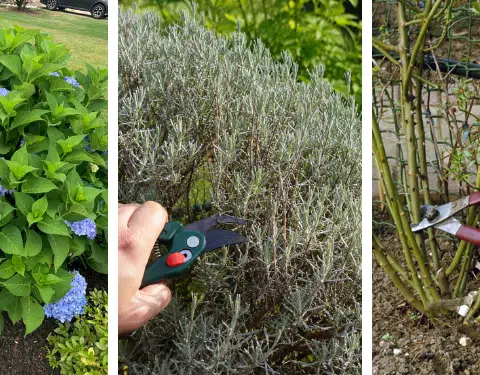
- Pruning and Deadheading: Regularly prune and deadhead spent flowers to encourage new blooms and maintain the shape of your plants.
- Feeding: Use a balanced, slow-release fertilizer in spring to provide nutrients throughout the growing season.
Planting a moon garden is a wonderful way to create a peaceful, magical space that can be enjoyed long after the sun sets.
With night-blooming flowers, fragrant plants, and silvery foliage, your garden will glow under the moonlight, providing a serene retreat for relaxation and reflection.