If you want to keep your herb garden lush, vibrant, and productive through the rest of the growing season, now is the perfect time to give it a little extra attention.
With a pair of sharp snips, a bit of patience, and a few mindful cuts, you can encourage stronger, bushier growth while ensuring a steady supply of flavorful herbs for cooking, preserving, and sharing.
Pruning your herbs is not just good garden maintenance—it’s a soothing, rewarding ritual that connects you to your plants and the rhythm of the growing season.
Why Prune Your Herbs?
Regular pruning offers a host of benefits that help your herb garden flourish:
- Promotes Healthier Plants: Removing excess or older growth allows herbs to focus energy on producing new, vigorous stems and leaves.
- Encourages Bushier Growth: Trimming helps prevent tall, spindly plants by stimulating the development of side shoots, creating a fuller, lusher appearance.
- Prevents Early Flowering: Removing flower buds redirects energy back to leafy growth, extending your harvest season.
- Controls Plant Size: Managing growth keeps your garden organized and prevents aggressive herbs from crowding out their neighbors.
- Provides Fresh Harvests: Regular pruning ensures a continuous supply of tender, flavorful leaves for cooking, drying, and preserving.
Whether you’re growing basil, thyme, rosemary, or mint, strategic pruning will help you get the most from your plants all season long.
How Often Should You Prune Herbs?
Pruning frequency depends largely on the type of herb and the growth stage, but the key is to prune regularly and appropriately to support healthy development without stressing the plant.
There are two general types of pruning:
Light Pruning
Light pruning applies mostly to tender, herbaceous plants like basil, cilantro, stevia, dill, and parsley—herbs that thrive during the warm months and naturally fade away by winter.
- Timing: Begin light pruning once your herbs have several sets of leaves.
- Technique: Use the “tipping” method—snip off the top few inches of growth just above a leaf node (where leaves meet the stem). This encourages the plant to branch into two stems, doubling its fullness.
- Frequency: Monitor your plants every 1–2 weeks. Frequent trimming helps stimulate constant new growth, keeping the plants compact, productive, and lush.
- Blossom Control: Always remove any flower buds as soon as they appear. Once an herb flowers, it often stops producing flavorful leaves and shifts its energy toward seed production.
Important Tip: When pruning herbaceous herbs, avoid cutting large lower leaves or stripping the plant too aggressively. Big, mature leaves are critical for photosynthesis and the overall health of the plant.
Hard Pruning
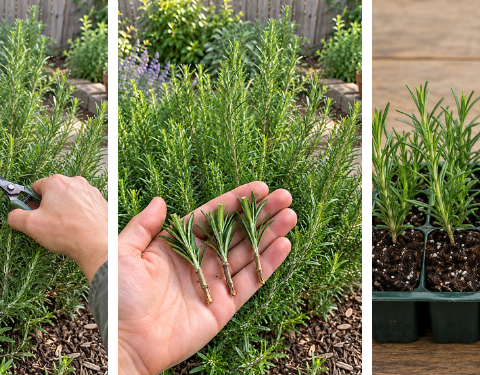
Hard pruning is reserved for woody perennial herbs like rosemary, thyme, lavender, oregano, and sage—plants that develop tough stems and live for multiple seasons if properly maintained.
- Timing: Perform hard pruning early in the growing season when new green growth begins to appear. Avoid heavy pruning late in the season, as tender new growth won’t have time to harden before winter.
- Technique: Use sturdy pruning shears to remove up to 1/3 of the plant’s size, focusing on cutting back older, woody stems to encourage rejuvenation.
- Caution: Never cut back into old, leafless wood unless the plant is still actively sprouting from those sections. Over-pruning can stunt recovery or even kill the plant.
For example, lavender should be trimmed hard at the end of summer or in early spring. Cut back faded flower stems and reduce the plant to a tight mound, leaving about 3–4 inches of green growth above the woody base.
If you prune too far into the wood where there are no green shoots, the plant may not regrow.
Sage, rosemary, and thyme benefit from gentle thinning—removing dead or weak branches and shaping the plant without drastically reducing its size.
Signs It’s Time to Prune
- Your herb plant is growing tall, thin, and leggy.
- The center of the plant is starting to look sparse.
- Flower buds or blossoms are appearing.
- Lower leaves are yellowing from lack of light.
- The herb is crowding out other plants in a shared garden bed.
- You want to encourage fuller, more robust foliage.
Quick Pruning Tips for Popular Herbs
Basil: Regularly pinch off the tips and remove any flower buds immediately to keep it producing tender leaves.
Mint: Trim aggressively throughout the season to control spread and stimulate fresh, aromatic growth.
Cilantro: Harvest frequently by snipping outer stems. Remove flowers as soon as you see them.
Rosemary: Lightly prune in spring and early summer; avoid cutting into old wood.
Thyme: Shear lightly after flowering to maintain a compact shape and remove woody stems.
Parsley: Cut stems from the outer edges first, allowing inner shoots to continue growing.
Pruning your herbs is one of the simplest and most impactful ways to maintain a healthy, productive garden.
By giving your plants the attention they need through regular light pruning or occasional hard cuts, you’ll not only improve their appearance but also extend their productive life well into the season.
Plus, the act of tending to your herbs—snipping, shaping, and harvesting—can be a peaceful, almost meditative practice that connects you to the rhythms of nature right outside your door.
Sharpen your snips, take a deep breath, and enjoy the process—your thriving, fragrant herb garden will reward you with bountiful harvests for months to come.