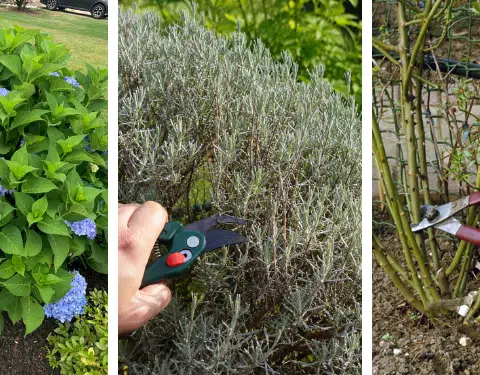
One of the most exciting parts of growing houseplants is discovering how easy it can be to multiply your collection without buying new plants.
Propagation allows you to create new plants from existing ones, helping you fill your home with greenery, share plants with friends, or even start a small plant business.
Depending on the type of plant you’re working with, there are a few main techniques that gardeners use to propagate successfully.
In this guide, we’ll cover the best and easiest methods for houseplant propagation: division, stem cuttings, and leaf cuttings.
Let’s dive in and learn how you can start creating an abundance of beautiful plants with minimal effort!
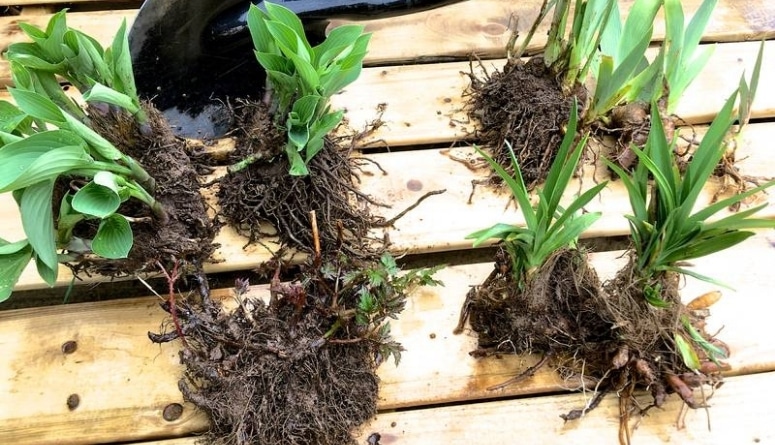
1. Dividing Plants
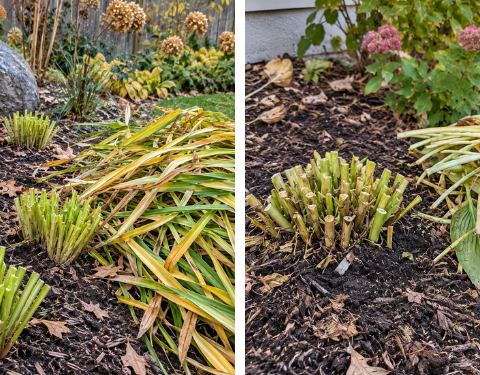
Plant division is one of the simplest and most reliable ways to propagate many types of houseplants and perennials. It’s perfect for plants that naturally grow in clumps or have multiple stems emerging from the soil.
What Plants Are Ideal for Division?
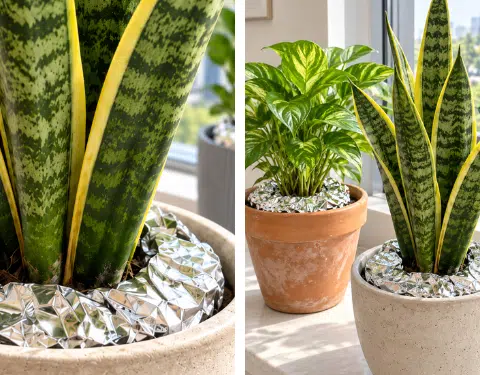
- Indoor plants: Snake Plant, Peace Lily, Spider Plant, Pothos (large clumps), ZZ Plant.
- Outdoor perennials: Hostas, Daylilies, Iris, Phlox, Coneflowers, Black-eyed Susans, Asters, Astilbes.
If a plant has more than one central stalk or forms dense clumps, it’s likely a good candidate for division.
How to Divide Plants
Prepare the Plant: Water your plant a day or two before dividing. This makes the soil easier to work with and reduces stress on the plant.
Remove from Pot or Ground: Gently dig up or slide the plant out of its container. Be careful to keep as much of the root system intact as possible.
Separate the Crowns: Look for natural separations in the plant. Some plants can be pulled apart easily with your fingers. Others might need a clean, sharp knife or shears to separate them.
Replant Immediately: Plant each new division in a fresh pot with well-draining soil or directly into a prepared garden bed. Water thoroughly after planting.
Aftercare: Keep newly divided plants out of direct sun for a few days while they recover, and continue regular watering.
Why Division Works
- Reduces overcrowding, helping the original plant stay healthy.
- Gives you fully formed new plants faster than other propagation methods.
- Easy for beginners with minimal risk.
2. Propagating with Stem Cuttings
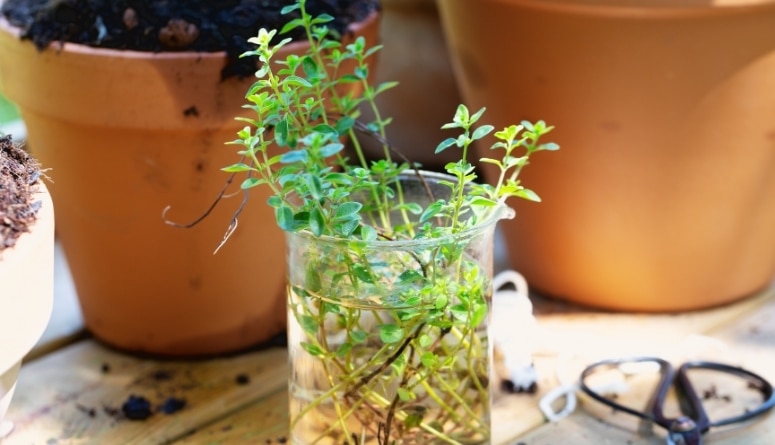
Stem cuttings are probably the most popular way to propagate many soft-stemmed houseplants.
This method involves cutting a healthy piece of a plant’s stem and encouraging it to grow roots either in water or soil.
What Plants Are Ideal for Stem Cuttings?
- Pothos
- Philodendron
- Coleus
- Wandering Jew (Tradescantia)
- Monstera
- Begonias (certain types)
- African Violet (for some)
How to Propagate Using Stem Cuttings
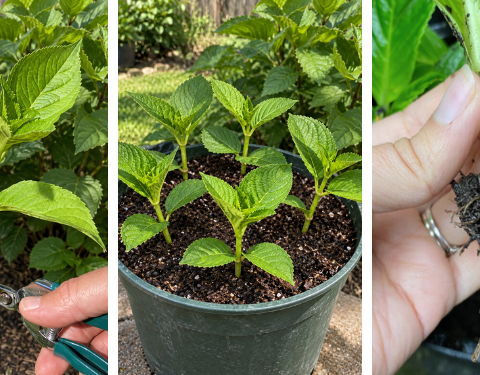
Select a Healthy Stem: Choose a healthy stem with at least 2-3 leaf nodes (the small bumps where leaves grow out of the stem).
Make a Clean Cut: Using sterilized scissors or a sharp knife, cut just below a leaf node.
Prepare the Cutting: Remove any leaves from the bottom third of the cutting to expose the nodes where roots will form.
Choose Your Rooting Method:
- Water Propagation:
Place the cutting in a jar or glass of clean water, ensuring that the nodes are submerged but no leaves are underwater. Change the water every few days to prevent stagnation. - Soil Propagation:
Dip the cut end in rooting hormone (optional) and insert it into moist potting mix. Keep the soil slightly damp but not soggy.
Wait for Roots: Root development typically takes 2–4 weeks depending on the plant and conditions.
Transplant: Once roots are a few inches long (for water propagation) or once new growth appears (for soil propagation), transplant the cutting into a permanent pot.
Why Stem Cuttings Work
- Quick results—you can often see root growth within days or weeks.
- Great for fast-growing, vining, or soft-stemmed plants.
- Minimal equipment needed—just a pair of scissors and a glass of water!
3. Propagating with Leaf Cuttings
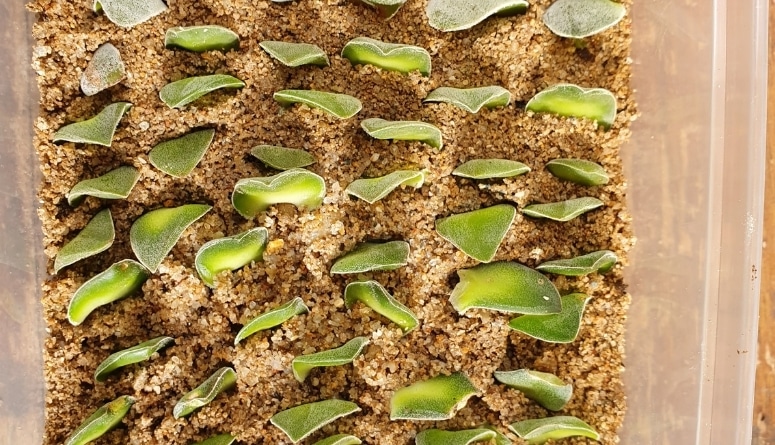
For plants with particularly fleshy, thick leaves—like succulents or certain tropical plants—you can propagate using just a single leaf.
What Plants Are Ideal for Leaf Cuttings?
- Succulents (Echeveria, Jade Plant, Graptopetalum)
- African Violets
- Snake Plants (Sansevieria)
- Begonias (certain types like Rex Begonias)
How to Propagate Using Leaf Cuttings
Select a Healthy Leaf: Choose a mature, healthy leaf from your plant.
Cut Carefully: Use clean, sharp scissors or a knife to make a clean cut at the leaf base.
Prepare for Rooting:
- Succulents: Let the cut end of the leaf dry out and callous over for a day or two to prevent rotting.
- Other Plants: Some (like African Violets) can be placed directly into moist soil without callousing.
Plant the Leaf:
- Place the cut end slightly into a moist, well-draining potting mix.
- For succulents, lay the leaf flat on top of the soil if desired; they’ll still produce roots.
Maintain Moisture: Lightly mist the soil to keep it just barely damp. Too much water can cause rot.
Wait for New Growth: In a few weeks, roots will form, followed by small baby plants at the base of the leaf.
Why Leaf Cuttings Work
- A single leaf can produce multiple new plants.
- Perfect for succulents and specialty plants.
- A low-effort method that teaches patience and rewards you with lots of new greenery.
Bonus: Quick Tips for Successful Propagation
- Use Clean Tools: Always use sterilized scissors or knives to prevent disease spread.
- Provide Warmth: Most cuttings root faster in warm (65-75°F) environments.
- Use Rooting Hormone: Although optional, rooting hormone powder can speed up root development, especially for tricky plants.
- Be Patient: Some plants take weeks or even months to form roots, so be patient and watch for subtle signs of growth.
Learning how to propagate houseplants is not only fun but also incredibly rewarding.
Whether you prefer dividing your favorite plants, snipping off a few stem cuttings, or rooting new plants from leaves, you’ll find the process satisfying and surprisingly easy once you try it.
By mastering these simple propagation methods—division, stem cuttings, and leaf cuttings—you’ll soon find yourself surrounded by thriving, homegrown greenery.
Even better, you can share your new plants with friends and family or expand your indoor jungle without spending a dime.