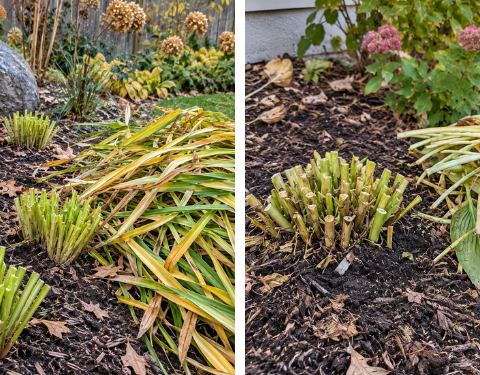
Planting bulbs in the fall is a simple and rewarding way to ensure a beautiful and vibrant garden come spring. Bulbs like tulips, daffodils, crocuses, and hyacinths are easy to plant and provide stunning displays of color after the long winter months
. To achieve maximum spring growth, follow these essential tips for planting bulbs this fall.
1. Choose the Right Bulbs
Why It’s Important
Selecting high-quality bulbs is crucial for ensuring healthy plants and abundant blooms. Look for firm, plump bulbs without any signs of mold or damage.
Tips:
- Variety: Choose a mix of early, mid, and late-blooming varieties to extend the flowering period in your garden.
- Source: Purchase bulbs from reputable garden centers or nurseries to ensure you’re getting disease-free, healthy bulbs.
2. Select the Right Location
Why It’s Important
Bulbs need the right growing conditions to thrive. Most spring-flowering bulbs prefer full sun to partial shade and well-drained soil.
Tips:
- Sunlight: Choose a spot that gets at least six hours of sunlight per day.
- Soil: Ensure the soil is well-drained to prevent bulb rot. If your soil is heavy clay, amend it with compost or sand to improve drainage.
3. Prepare the Soil
Why It’s Important
Proper soil preparation provides the nutrients and structure bulbs need to grow strong roots and produce vibrant flowers.
Tips:
- Cleaning: Remove weeds, rocks, and debris from the planting area.
- Amending: Work compost or well-rotted manure into the soil to add nutrients. A balanced, slow-release bulb fertilizer can also be added.
4. Plant at the Right Depth
Why It’s Important
Planting bulbs at the correct depth helps protect them from temperature extremes and ensures they emerge at the right time in spring.
Tips:
- General Rule: Plant bulbs at a depth that is three times their height. For example, a 2-inch tall bulb should be planted 6 inches deep.
- Spacing: Space bulbs about 2-4 inches apart, depending on their size, to give them room to grow.
5. Plant with the Pointy End Up
Why It’s Important
Bulbs need to be planted correctly to grow properly. The pointy end is where the stem will emerge, while the flatter end will develop roots.
Tips:
- Orientation: Plant bulbs with the pointy end facing up and the flatter, root end facing down.
- Firming: After placing the bulb in the hole, cover it with soil and gently firm it down to eliminate air pockets.
6. Watering After Planting
Why It’s Important
Watering helps settle the soil around the bulbs and kickstarts the root growth process.
Tips:
- Initial Watering: Water the area thoroughly right after planting.
- Ongoing Care: If the fall season is dry, water the bulbs occasionally to keep the soil moist, but avoid overwatering.
7. Mulch for Protection
Why It’s Important
Mulching helps insulate the soil, retain moisture, and prevent weeds from competing with your bulbs.
Tips:
- Materials: Use organic mulch such as shredded leaves, straw, or bark.
- Application: Apply a 2-3 inch layer of mulch over the planted area, being careful not to smother the bulbs.
8. Mark Your Planting Spots
Why It’s Important
Marking where you’ve planted bulbs helps you avoid disturbing them when doing other garden tasks and allows you to plan for companion plantings.
Tips:
- Markers: Use garden stakes, labels, or even a detailed garden map to mark your bulb planting spots.
- Planning: Consider planting low-growing perennials or ground covers that will complement your bulbs in the spring.
9. Protect from Pests
Why It’s Important
Bulbs can be a tasty treat for squirrels, voles, and other pests. Protecting your bulbs ensures they remain undisturbed through the winter.
Tips:
- Barriers: Place wire mesh or chicken wire over the planting area and cover it with soil and mulch.
- Repellents: Use natural repellents like crushed red pepper, garlic powder, or commercial repellents around the planting area.
10. Patience and Anticipation
Why It’s Important
Bulbs need time to establish roots and go through their natural dormancy period before blooming. Patience during this time will be rewarded with a beautiful spring display.
Tips:
- Relax: Trust the process and avoid disturbing the planting area.
- Enjoy: Anticipate the joy of seeing your garden come to life in spring with vibrant colors and blooms.
Planting bulbs in the fall is a straightforward and rewarding way to ensure a colorful and lively garden in the spring.
By following these steps—choosing the right bulbs, selecting the best location, preparing the soil, and providing proper care—you can maximize spring growth and enjoy a stunning display of flowers.