

Growing your own potatoes at home is a satisfying and rewarding experience, and if you want to add some extra color and nutrition to your garden, purple potatoes are a perfect choice.
These stunning tubers not only taste delicious, but they also offer a rich supply of antioxidants thanks to their vibrant purple flesh and skins.
If you have limited garden space or simply want a more controlled growing environment, learning how to grow purple potatoes in containers is a smart move.
Container gardening provides excellent drainage, helps protect plants from pests and diseases, and allows you to enjoy a productive harvest even on a small patio, balcony, or porch.
Here’s a complete guide to successfully growing purple potatoes in containers—from choosing the right variety to harvesting and storing your colorful crop.
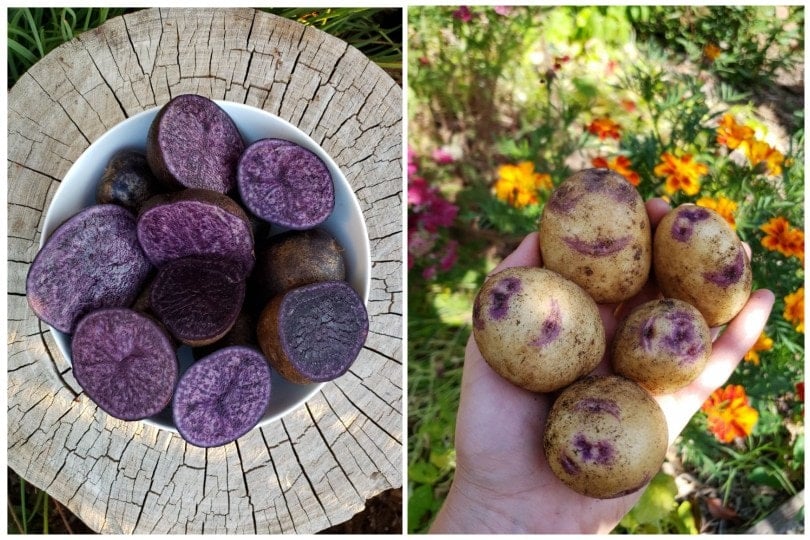
Why Grow Purple Potatoes?
Before we dive into the details, let’s talk about why purple potatoes are a standout choice:
Nutrient-Dense: Purple potatoes are loaded with antioxidants, particularly anthocyanins, the compounds responsible for their deep color. These antioxidants help fight inflammation and oxidative stress in the body.
Delicious Flavor: They have a rich, earthy taste with a slightly nutty undertone, making them a gourmet treat for home cooks.
Eye-Catching Color: Their striking purple hue remains even after cooking, making them a favorite for colorful salads, roasted vegetable dishes, and more.
Compact Growth: Purple potato varieties tend to be compact, making them particularly well-suited for container growing.
Now that you’re convinced of their appeal, let’s get started.
Best Purple Potato Varieties for Containers
Not all purple potatoes are created equal. For the best results in containers, choose compact or mid-sized varieties.
Some popular options include:
- Purple Majesty: Deep purple skin and flesh; great for baking and mashing.
- Purple Viking: Dark purple skin with white and purple marbled flesh; creamy texture.
- All Blue: An heirloom variety with blue-purple skin and flesh, perfect for frying or roasting.
- Adirondack Blue: Bright blue-purple skin and moist, flavorful flesh.
- Violetta: A newer variety that produces high yields in small spaces, with dark purple skin and flesh.
Choosing a variety suited to your climate and culinary preferences will ensure a successful and rewarding harvest.
Choosing the Right Container
Potatoes need plenty of space for their tubers to grow underground. When selecting a container for purple potatoes, keep these tips in mind:
Size: Choose a container that is at least 16 inches deep and 16–18 inches wide. Larger containers (20 gallons or bigger) allow more space and bigger harvests.
Material: Use sturdy containers such as:
- Fabric grow bags (ideal for potatoes)
- Food-grade plastic pots
- Wooden barrels or crates
- Large ceramic or terracotta pots (with good drainage)
Drainage: Ensure your container has multiple drainage holes at the bottom. Waterlogged soil can rot developing tubers.
A container with good size and proper drainage will support healthy root growth and make harvesting much easier.
Preparing the Soil
Purple potatoes thrive in loose, well-draining, nutrient-rich soil. The soil needs to be light and fluffy so the tubers can expand easily.
Ideal soil mix for container potatoes:
- 1 part high-quality potting mix
- 1 part compost (adds nutrients)
- 1 part loose garden soil or coco coir (improves structure)
Additional tips:
- Mix in a handful of bone meal or slow-release fertilizer before planting.
- Maintain a slightly acidic soil pH between 5.0 and 6.5.
- Avoid heavy clay soils that retain water.
The better the soil, the healthier your plants—and the bigger your harvest.
Preparing the Seed Potatoes
To grow purple potatoes, you’ll need seed potatoes—small, certified disease-free potatoes specifically meant for planting.
How to prepare seed potatoes:
Cut larger potatoes: If your seed potatoes are bigger than a chicken egg, cut them into chunks with 1–2 eyes (buds) per piece.
Let them cure: Allow the cut pieces to dry and form a callus for 2–3 days. This helps prevent rotting when planted.
Sprout the eyes (optional): Place seed potatoes in a warm, sunny location for a few days to encourage sprouting (this process is called “chitting”).
Healthy seed potatoes with strong sprouts will establish quickly once planted.
Planting Purple Potatoes in Containers
Once your soil and seed potatoes are ready, it’s time to plant.
Planting steps:
Fill the container: Add 4–6 inches of soil to the bottom of the container.
Plant the potatoes: Place seed potatoes, cut side down and eyes facing upward, 8–10 inches apart. In a large container, plant 3–5 seed pieces.
Cover the potatoes: Cover the potatoes with another 3–4 inches of soil.
Water gently: Water the soil thoroughly but avoid making it soggy.
As the plants grow, you’ll gradually add more soil to encourage tuber development.
Caring for Purple Potatoes
Purple potatoes are relatively low-maintenance, but they do need consistent care to thrive in containers.
1. Watering
- Consistency is key: Keep the soil moist but not saturated.
- Frequency: Water deeply 1–2 times per week, more often during hot weather.
- Avoid water stress: Irregular watering can lead to misshapen tubers or reduced yields.
2. Sunlight
Place containers in a location that receives at least 6–8 hours of direct sunlight daily.
3. Hilling
- When to hill: Once the plants grow 6–8 inches tall, add more soil around the stems, leaving the top 3–4 inches of leaves exposed.
- Why hill: Hilling encourages the plant to produce more tubers along the buried stems.
Continue hilling every 2–3 weeks until the soil reaches the top of the container.
4. Feeding
Mid-season feeding: Apply a balanced, organic fertilizer about halfway through the growing season to support healthy growth and tuber development.
A steady routine of watering, hilling, and feeding will reward you with vigorous plants and abundant harvests.
Managing Pests and Diseases
Container-grown potatoes face fewer pests and diseases than garden-planted potatoes, but you should still watch for common problems:
Pests:
- Colorado potato beetles
- Aphids
- Spider mites
Hand-pick pests if spotted or use organic insecticidal soap if necessary.
Diseases:
- Blight (prevent by providing good air circulation)
- Root rot (avoid overwatering)
- Scab (use slightly acidic soil)
Healthy seed potatoes, proper drainage, and good container hygiene can prevent most problems before they start.
Harvesting Purple Potatoes
One of the most exciting moments of growing purple potatoes is harvesting your colorful crop.
When to harvest:
- New potatoes: Harvest when the plants begin to flower.
- Mature potatoes: Wait until the plants yellow and die back completely, usually 90–120 days after planting.
How to harvest:
- Tip over the container onto a tarp or gently dig through the soil with your hands.
- Handle potatoes carefully to avoid bruising.
- Brush off excess soil but do not wash until ready to use.
Harvesting is like a treasure hunt, uncovering rich purple gems hidden in the soil.
Storing Purple Potatoes
Proper storage ensures you can enjoy your harvest for months.
Cure the potatoes: After harvesting, let potatoes cure in a cool, dark, and well-ventilated place for 1–2 weeks.
Storage conditions: Store in a dark, cool (around 40–50°F / 4–10°C), and humid area.
Avoid: Never store potatoes in the refrigerator. Cold temperatures convert starches into sugars, affecting flavor.
Properly cured and stored purple potatoes can last 3–6 months.
Common Mistakes to Avoid
Planting too shallow: Always hill up soil to encourage tuber production and protect tubers from sunlight (which turns them green and toxic).
Overwatering: Container-grown potatoes need moisture, but too much water will cause rot.
Too much shade: Insufficient sunlight will lead to poor yields and weak plants.
Skipping drainage: Always ensure your container has proper drainage holes to prevent soggy roots.
Avoiding these mistakes will maximize your harvest and ensure a healthy, thriving potato crop.
Growing purple potatoes in containers is an excellent way to enjoy homegrown, nutrient-packed vegetables even if you have limited outdoor space.
Their rich color, powerful health benefits, and delicious flavor make them a standout addition to any garden.
By choosing the right varieties, preparing good soil, practicing consistent care, and harvesting carefully, you can enjoy baskets full of vibrant purple potatoes straight from your patio, balcony, or backyard.
Whether you’re a seasoned gardener or a first-time grower, purple potatoes bring excitement, nutrition, and beautiful color to your harvests—and a big sense of accomplishment when you dig them up.


