Starting a kitchen garden doesn’t have to be expensive. While gardening supplies, seeds, and tools can add up, there’s a budget-friendly and sustainable way to get started: regrowing vegetables from kitchen scraps.
Yes, the ends, tops, and leftover bits of your everyday vegetables can be turned into thriving plants with a little sunlight, water, and patience.
Whether you’re working with a sunny windowsill, a small backyard, or a balcony garden, you can grow your own food at home with zero-waste gardening techniques.
Here are 12 vegetables and herbs you can regrow from kitchen scraps, plus simple step-by-step tips to help you grow a continuous supply of fresh, healthy produce from what you already have on hand.
1. Green Onions (Scallions)
Why they’re great: Fast-growing, flavorful, and super easy to regrow.
How to regrow:
-
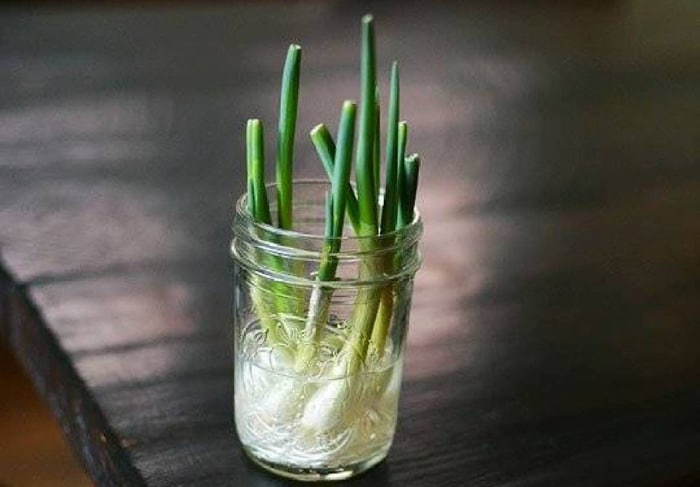
After chopping your green onions, save the white root ends (about 1–2 inches).
-
Place them root-down in a glass of water, with just enough water to cover the roots.
-
Set the glass on a sunny windowsill and change the water daily.
-
Within 7–10 days, green shoots will sprout. You can snip them and regrow again.
Bonus tip: After a few cycles in water, transplant them into soil for stronger growth.
2. Regular Onions
Why they’re great: A pantry staple that regrows well from scraps.
How to regrow:
-
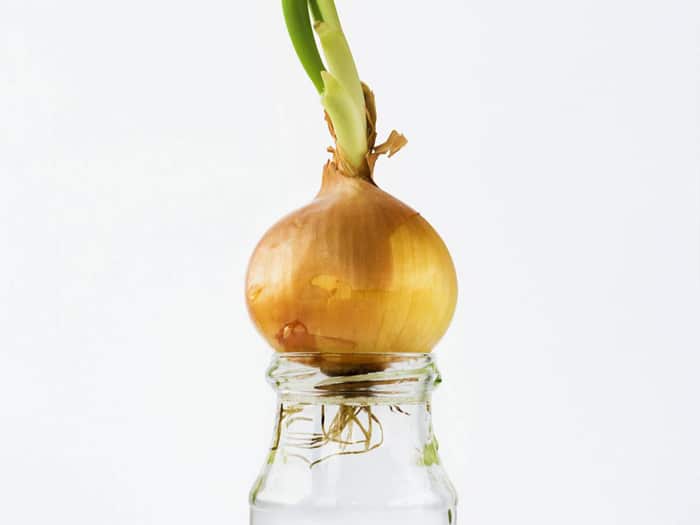
Save the bottom quarter of the onion (root end).
-
Place it in rich, moist soil with the root side down.
-
Water regularly and keep in full sun.
-
In a few weeks, you’ll notice green shoots. Eventually, it will bulb into a new onion.
3. Leeks
Why they’re great: Just like green onions—only milder and larger.
How to regrow:
-
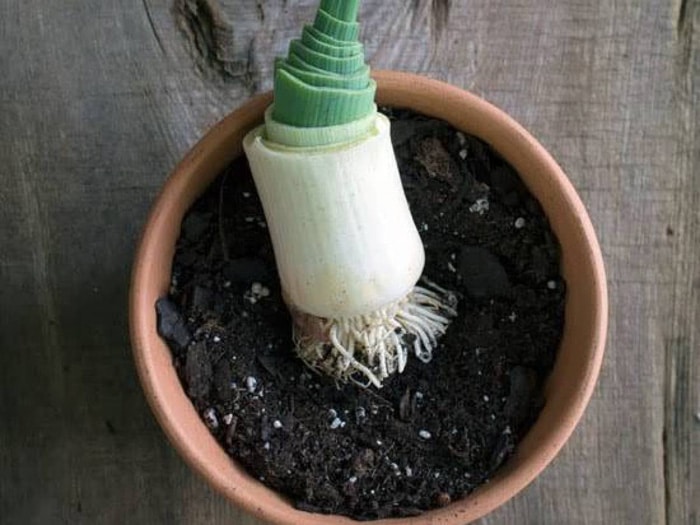
Save the root end (1–2 inches) of the leek.
-
Place it in a shallow dish of water and keep in a sunny spot.
-
Once roots develop and greens sprout, transfer to soil.
Best use: Great for soups, stews, and sautéed dishes.
4. Potatoes
Why they’re great: Hearty, high-yield, and perfect for container gardening.
How to regrow:
-
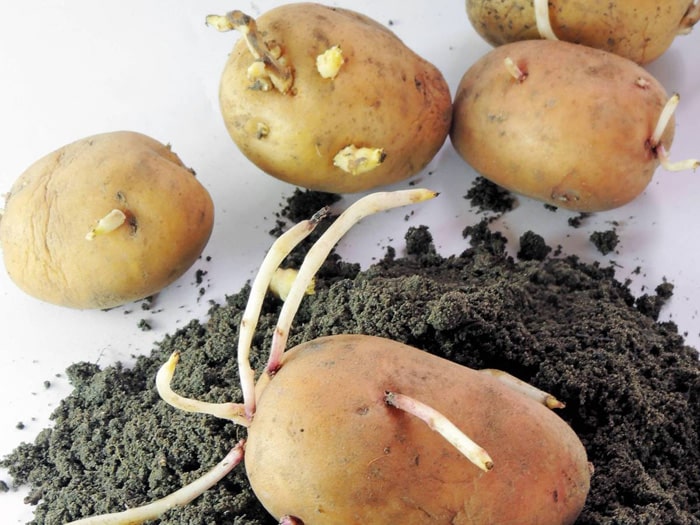
Use sprouting (organic) potatoes with “eyes” forming.
-
Cut into chunks with at least one sprout per piece and let them air-dry for 1–2 days.
-
Plant sprout-side-up in well-draining soil, 4 inches deep.
-
Water regularly. In a month, green growth will appear above ground.
Pro tip: Hill up soil around the stems to encourage more tuber production.
5. Fennel
Why it’s great: Adds a fresh, licorice-like flavor to dishes and is rich in antioxidants.
How to regrow:
-
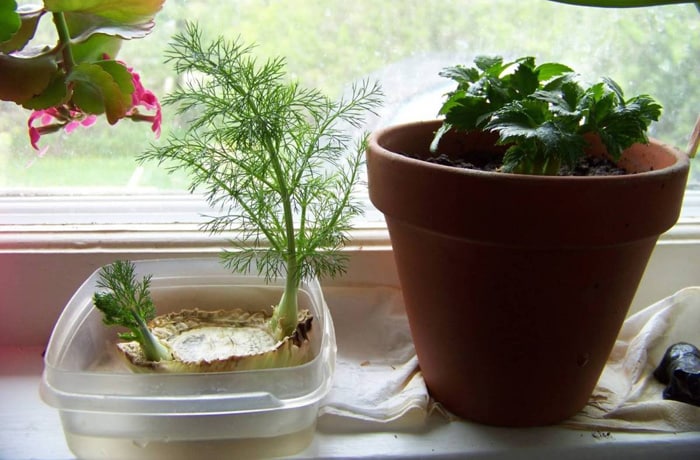
Save the base of the bulb (1–2 inches).
-
Place in a shallow bowl of water in full sunlight.
-
When roots sprout and new greens appear, plant in soil.
Harvest tip: Trim the tops for flavor while allowing the bulb to continue growing.
6. Celery
Why it’s great: A kitchen essential that grows quickly with minimal effort.
How to regrow:
-
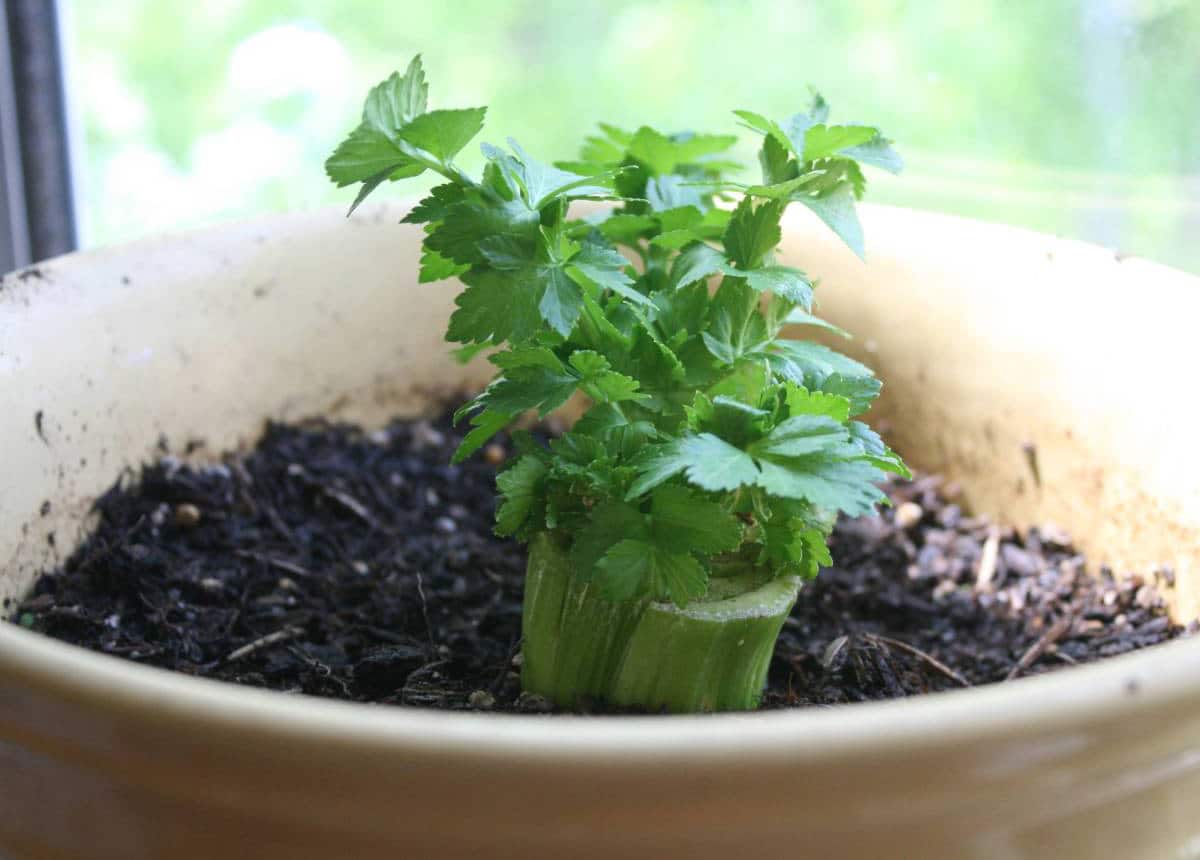
Chop and save the bottom 2 inches of a celery stalk.
-
Place root-end down in a shallow dish of warm water.
-
Keep in a sunny window and change water every few days.
-
After a week, small green shoots will appear. Transplant into soil for a full plant.
7. Lettuce (Romaine, Butter, or Leaf Lettuce)
Why it’s great: Crisp and quick-growing, perfect for fresh salads.
How to regrow:
-
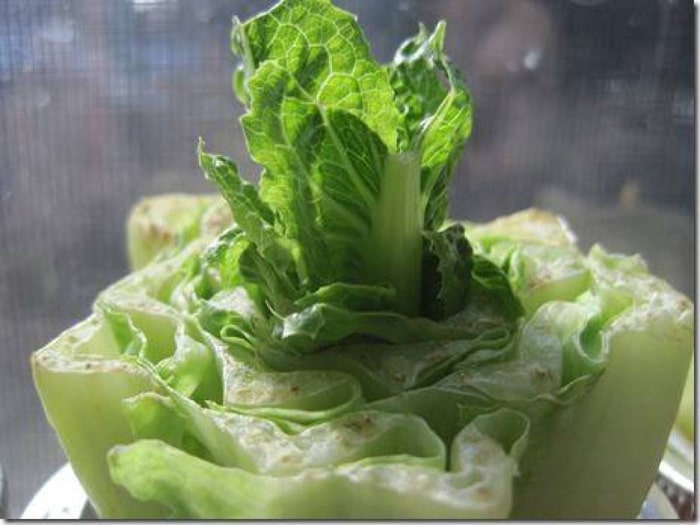
Save the base of the lettuce head (1–2 inches).
-
Place in a shallow dish of water and set in direct sunlight.
-
Mist the top daily and change water every 2–3 days.
-
New leaves will sprout from the center within a week. Transplant to soil when ready.
Also works with: Bok choy, Napa cabbage, and even cabbage.
8. Mushrooms
Why they’re great: Nutritious and delicious—but regrowing takes a little effort.
How to regrow:
-
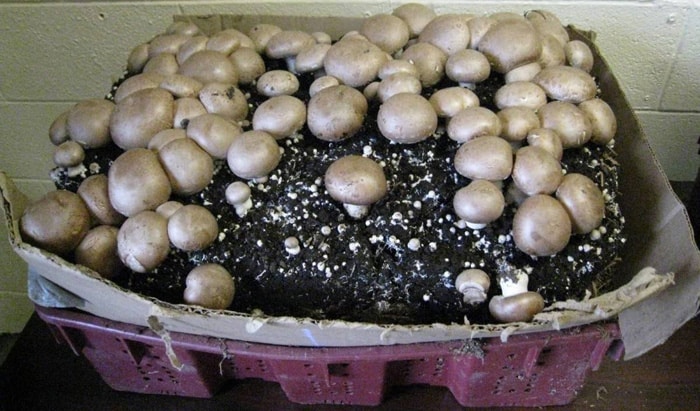
Save the mushroom stems (1 inch).
-
Plant in a moist, compost-rich soil mix, leaving just the top exposed.
-
Keep in a warm, humid environment with indirect light.
-
With patience, you may see new growth in a few weeks.
Note: Not all mushroom varieties regrow successfully; oyster and button mushrooms are best for beginners.
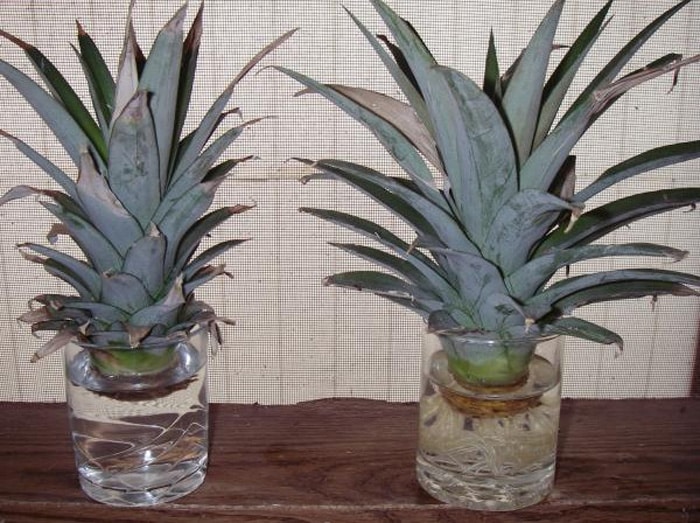
9. Pineapple
Why it’s great: Adds tropical flair to your home—and yes, you can grow one indoors!
How to regrow:
-
Twist or cut off the leafy crown.
-
Remove excess fruit and dry the base for 2–3 days.
-
Plant in a pot with well-draining soil, keeping the crown above the surface.
-
Water lightly until roots develop, then reduce watering.
-
In 2–3 years, your pineapple plant may produce fruit.
10. Ginger
Why it’s great: Flavorful and medicinal—perfect for teas, stir-fries, and natural remedies.
How to regrow:
-
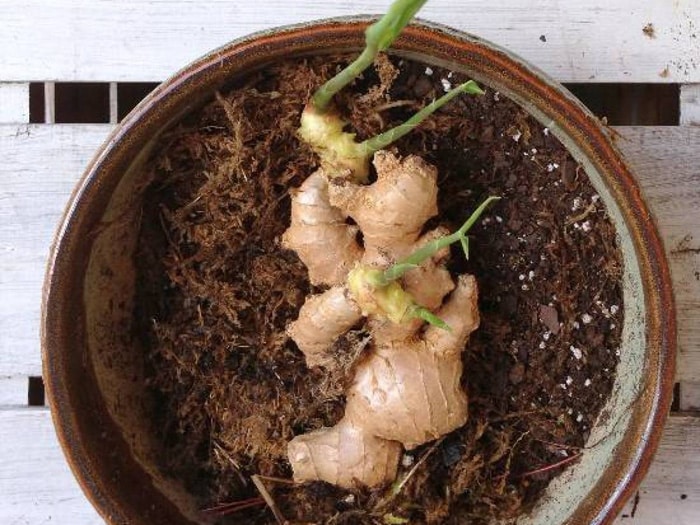
Use a fresh piece of ginger root with visible “eyes” or nodes.
-
Soak overnight, then plant in moist potting soil with the eyes facing up.
-
Keep in a warm, humid location with indirect sunlight.
-
Ginger takes months to mature, but you can harvest small pieces as needed.
11. Garlic
Why it’s great: Easy to grow and a must-have in every kitchen.
How to regrow:
-
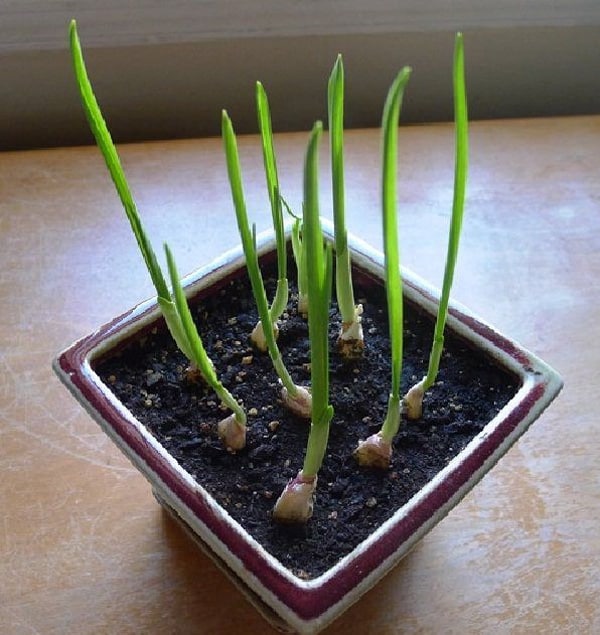
Separate cloves from an organic garlic bulb (avoid those treated with growth inhibitors).
-
Plant each clove, pointy end up, in fertile soil about 2 inches deep.
-
Water regularly and ensure full sun.
-
In a few months, you’ll have a full bulb ready for harvest.
12. Bean Sprouts
Why they’re great: Fast-growing, crunchy, and rich in nutrients.
How to regrow:
-
Place 1–2 tablespoons of mung beans or other sprouting beans in a jar.
-
Cover with water and soak overnight.
-
Drain and rinse the beans, then keep them in a dark, warm area.
-
Rinse and drain 2–3 times a day. In 4–6 days, sprouts will be ready to eat.
Optional: Use a sprouting jar with mesh lid for convenience.

Regrowing vegetables from kitchen scraps is a smart, sustainable, and fun way to save money and reduce food waste.
It’s also a fantastic hands-on learning opportunity for children and beginner gardeners alike. Whether you’re cultivating herbs on a windowsill or growing a full-blown patio garden, these scrap-grown veggies offer a rewarding return on your investment—both in flavor and experience.
So next time you’re prepping dinner, think twice before tossing those ends and bits. You could be holding the beginnings of your next garden harvest.