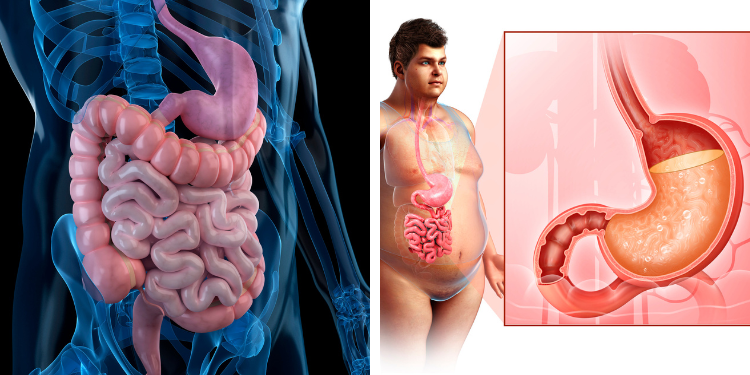
Most people experience occasional heartburn or indigestion after a heavy meal, but when symptoms become frequent, they may indicate excessive stomach acid or acid reflux.
Commonly referred to as “high acidity,” this condition occurs when stomach acid repeatedly moves back into the esophagus, causing irritation and discomfort.
While occasional acid reflux is common, persistent symptoms should not be ignored. Over time, frequent exposure to stomach acid can affect the lining of the esophagus and significantly impact quality of life.
Understanding the warning signs may help you recognize when it’s time to make lifestyle changes or seek medical advice. Here are six symptoms of high acidity that deserve attention.
What Is High Acidity?
The stomach naturally produces hydrochloric acid to help digest food and absorb nutrients. This acid is essential for breaking down proteins and protecting against harmful microbes.
Normally, a ring of muscle called the lower esophageal sphincter keeps stomach contents from flowing backward into the esophagus.
When this valve weakens or relaxes at the wrong time, acid can move upward, resulting in acid reflux.
Factors that may contribute to frequent acid reflux include:
- Large meals
- Obesity
- Smoking
- Pregnancy
- Certain medications
- Eating late at night
- High-fat meals
- Excessive alcohol consumption
When symptoms occur regularly, the condition may be diagnosed as gastroesophageal reflux disease (GERD).
1. Frequent Heartburn
Heartburn is the most common symptom associated with high acidity.
Despite its name, heartburn has nothing to do with the heart. It is a burning sensation that develops behind the breastbone when stomach acid irritates the esophagus.
Many people describe heartburn as:
- Burning in the chest
- Warmth rising toward the throat
- Discomfort after meals
- Worsening symptoms when lying down
Heartburn often occurs after consuming:
- Spicy foods
- Fatty meals
- Citrus fruits
- Chocolate
- Coffee
- Carbonated beverages
Occasional heartburn is common, but experiencing it several times per week may warrant medical evaluation.
2. Sour Taste in the Mouth
One symptom many people overlook is a persistent sour or bitter taste.
When acid travels higher into the esophagus and reaches the throat or mouth, it may leave behind an unpleasant taste.
Some individuals notice:
- A bitter flavor
- A sour sensation
- Acidic liquid in the throat
- Bad breath
This symptom is particularly common when lying flat shortly after eating.
Repeated episodes may indicate that stomach acid is moving farther than it should and irritating upper digestive tissues.
3. Chronic Throat Irritation
High acidity doesn’t always present as heartburn.
In some people, acid reaches the throat and voice box, leading to irritation that can mimic other conditions.
Symptoms may include:
- Frequent throat clearing
- A scratchy throat
- Hoarseness
- A sensation of something stuck in the throat
- Voice changes
Many individuals are surprised to learn that persistent throat symptoms can sometimes be related to acid reflux rather than an infection.
This form of reflux is often called laryngopharyngeal reflux.
4. Persistent Cough
A chronic cough that doesn’t seem connected to a cold or respiratory illness may sometimes be associated with acid reflux.
When stomach acid irritates the throat and airways, it can trigger a protective coughing reflex.
The cough often:
- Occurs mainly at night
- Worsens after meals
- Persists for weeks
- Doesn’t respond to typical cough remedies
Because many conditions can cause chronic coughing, it’s important not to assume reflux is the only explanation. However, persistent cough is one symptom that should not be ignored.
5. Difficulty Swallowing
Difficulty swallowing, known medically as dysphagia, can sometimes develop when chronic acid exposure irritates the esophagus.
People may notice:
- Food feeling stuck
- Pain while swallowing
- A sensation of narrowing in the throat
- Difficulty swallowing solid foods
Repeated inflammation may lead to changes in esophageal tissues over time.
Difficulty swallowing should always be discussed with a healthcare professional because it can have multiple causes, some of which require prompt medical attention.
6. Bloating and Frequent Burping
Many people with high acidity also experience digestive symptoms beyond heartburn.
These may include:
- Bloating after meals
- Excessive burping
- Fullness
- Mild nausea
- Upper abdominal discomfort
While bloating alone doesn’t necessarily indicate acid reflux, it often occurs alongside other symptoms of digestive irritation.
Large meals and carbonated drinks can sometimes make these symptoms worse.
Why Symptoms Often Worsen at Night
Many people find their symptoms become more noticeable after going to bed.
When lying flat:
- Gravity no longer helps keep stomach contents down
- Acid may move upward more easily
- Esophageal irritation may increase
This is why nighttime reflux often leads to:
- Heartburn
- Coughing
- Throat irritation
- Sleep disturbances
Elevating the head of the bed and avoiding meals close to bedtime may help reduce symptoms.
Common Triggers of High Acidity
Although triggers vary from person to person, certain foods and habits commonly contribute to reflux symptoms.
Potential triggers include:
- Spicy foods
- Fried foods
- Fatty meals
- Chocolate
- Coffee
- Peppermint
- Alcohol
- Citrus fruits
- Tomato-based products
Keeping a food journal may help identify personal triggers.
Lifestyle Changes That May Help
Many individuals find relief through simple lifestyle adjustments.
Helpful strategies may include:
Eating smaller meals rather than large portions.
Avoiding meals within two to three hours of bedtime.
Maintaining a healthy weight, as excess abdominal pressure may contribute to reflux.
Reducing alcohol intake and quitting smoking if applicable.
Wearing loose-fitting clothing around the waist.
Staying upright after eating rather than lying down immediately.
These habits often support better digestive comfort and may reduce symptom frequency.
Foods That May Be Easier on the Stomach
While triggers vary, some foods are generally considered gentler for individuals prone to acidity.
Examples include:
- Oatmeal
- Bananas
- Melons
- Brown rice
- Sweet potatoes
- Leafy greens
- Lean proteins
- Non-citrus fruits
Choosing balanced meals rich in fiber may help support healthy digestion.
When to Seek Medical Attention
Occasional heartburn is common, but certain symptoms should never be ignored.
Consult a healthcare professional if you experience:
- Frequent heartburn several times per week
- Difficulty swallowing
- Unexplained weight loss
- Persistent coughing
- Chest pain
- Vomiting blood
- Black or tarry stools
These symptoms may require medical evaluation to determine the underlying cause.
High acidity and acid reflux are common digestive concerns that affect millions of people worldwide.
While occasional symptoms may occur after certain meals, persistent discomfort should not be dismissed as normal.