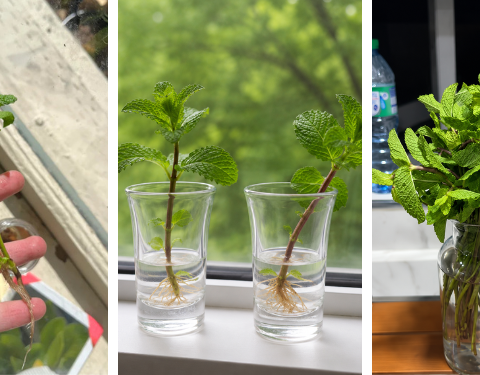
Mint is a versatile and hardy herb that deserves a spot in every garden. With its refreshing aroma, culinary uses, and numerous health benefits, growing mint can be both rewarding and practical.
Here are six compelling reasons why you should grow mint in your garden.
1. Easy to Grow and Maintain
Why It’s Important
Mint is one of the easiest herbs to grow, making it perfect for both novice and experienced gardeners. It thrives in a variety of conditions and requires minimal care.
Benefits:
- Resilience: Mint can grow in full sun to partial shade and tolerates a wide range of soil types.
- Low Maintenance: Once established, mint requires little more than regular watering and occasional trimming to prevent it from spreading too aggressively.
- Perennial Herb: Mint is a perennial, meaning it will come back year after year, providing a continuous supply of fresh leaves.
2. Versatile Culinary Uses
Why It’s Important
Mint’s refreshing flavor can enhance a wide range of dishes and beverages. Having a fresh supply of mint in your garden allows you to elevate your culinary creations effortlessly.
Benefits:
- Cooking: Use mint to flavor salads, soups, and sauces. It pairs well with both sweet and savory dishes.
- Beverages: Add mint to teas, cocktails, and infused waters for a refreshing twist.
- Garnish: Fresh mint leaves make an attractive garnish for desserts and drinks.
3. Health Benefits
Why It’s Important
Mint is packed with essential nutrients and offers several health benefits. Growing your own mint ensures you have access to fresh, organic leaves.
Benefits:
- Digestive Aid: Mint is known to soothe indigestion and improve overall digestive health.
- Respiratory Relief: The menthol in mint can help relieve symptoms of congestion and respiratory issues.
- Nutrient-Rich: Mint contains vitamins A and C, calcium, iron, and antioxidants, contributing to overall wellness.
4. Natural Pest Repellent
Why It’s Important
Mint’s strong aroma can deter common garden pests, making it a valuable companion plant.
Benefits:
- Insect Repellent: Mint can repel pests such as ants, mosquitoes, and aphids, reducing the need for chemical pesticides.
- Companion Planting: Plant mint near susceptible crops like tomatoes and cabbages to help protect them from pests.
5. Attracts Beneficial Insects
Why It’s Important
While mint repels harmful insects, it also attracts beneficial ones that can help pollinate your garden and control pest populations.
Benefits:
- Pollinators: Mint flowers attract bees, butterflies, and other pollinators, enhancing the overall health and productivity of your garden.
- Predatory Insects: Beneficial insects like predatory wasps are attracted to mint, helping to control harmful pests.
6. Aromatic and Aesthetic Appeal
Why It’s Important
Mint’s fragrant leaves and attractive appearance can enhance the sensory experience of your garden.
Benefits:
- Fragrance: The fresh, invigorating scent of mint can create a pleasant atmosphere in your garden, especially when brushed or stepped on.
- Aesthetic: Mint’s lush green foliage can add visual appeal, and its small purple, pink, or white flowers can brighten up the garden.
- Container Gardening: Mint can be grown in containers to prevent it from spreading too aggressively, making it a flexible option for any garden space.
Growing mint in your garden offers numerous benefits, from its ease of cultivation and versatile culinary uses to its health advantages and role as a natural pest repellent.
Whether you’re looking to enhance your garden’s aesthetics, improve your cooking, or boost your health, mint is a valuable addition to any garden.
Start growing mint today and enjoy the fresh, aromatic, and beneficial properties of this wonderful herb.