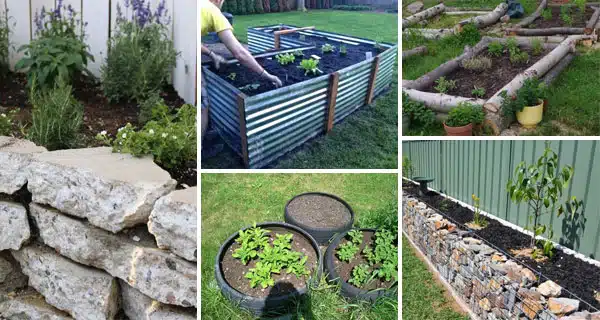
Raised garden beds have become a favorite among home gardeners for good reason. They offer a range of benefits that make growing your own food or flowers more manageable, organized, and productive.
From improving drainage and soil quality to reducing back strain and keeping pests at bay, raised beds make gardening more efficient, accessible, and visually appealing.
Even better, raised beds can be built with a variety of materials—many of which are inexpensive or upcycled—allowing you to customize them to your garden’s size, style, and purpose.
Whether you’re growing herbs, vegetables, or ornamental plants, a well-designed raised garden bed can increase your yields and beautify your outdoor space.
Here are 12 creative and practical DIY raised garden bed ideas to help you make the most of your backyard, patio, or balcony garden.
1. Repurposed Juice Drum Raised Beds
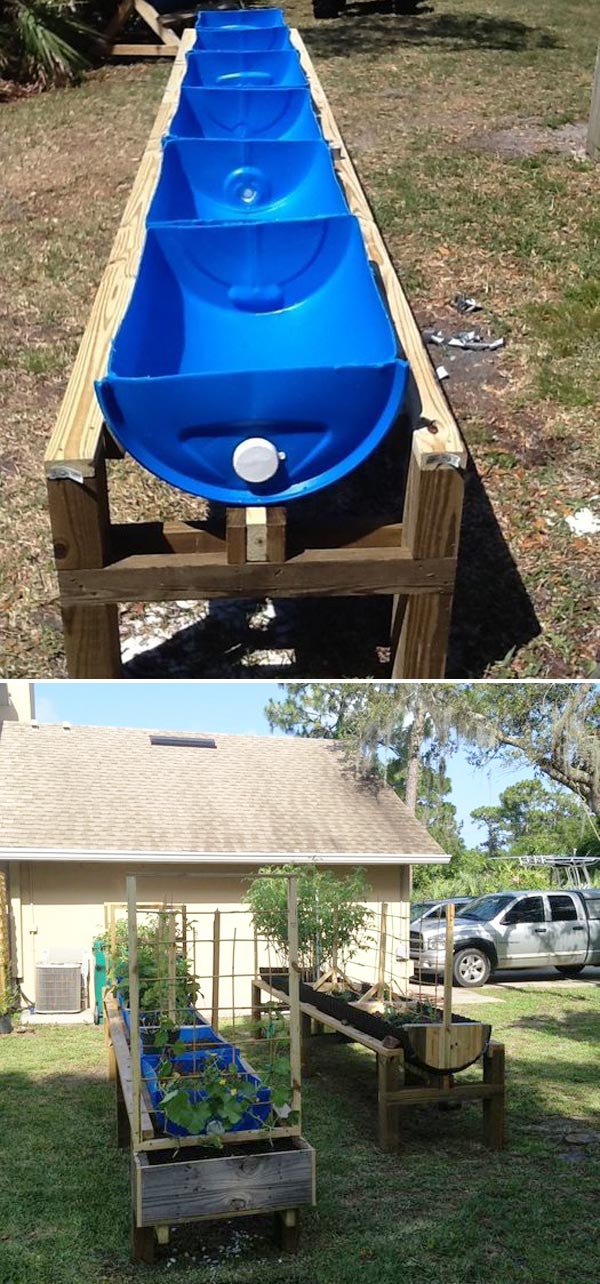
If you have access to food-grade 55-gallon juice drums, you can cut them lengthwise to create deep, curved raised planters.
Mounted into a wooden stand or frame, these half-barrel beds offer a durable and elevated solution for growing vegetables or herbs.
Best for: Tomatoes, cucumbers, lettuce, and root vegetables.
Benefits: Elevated design deters pests, easy to water, excellent drainage.
Pro tip: Drill drainage holes in the base of each half-drum before filling with soil.
2. Wooden Pallet Garden Beds
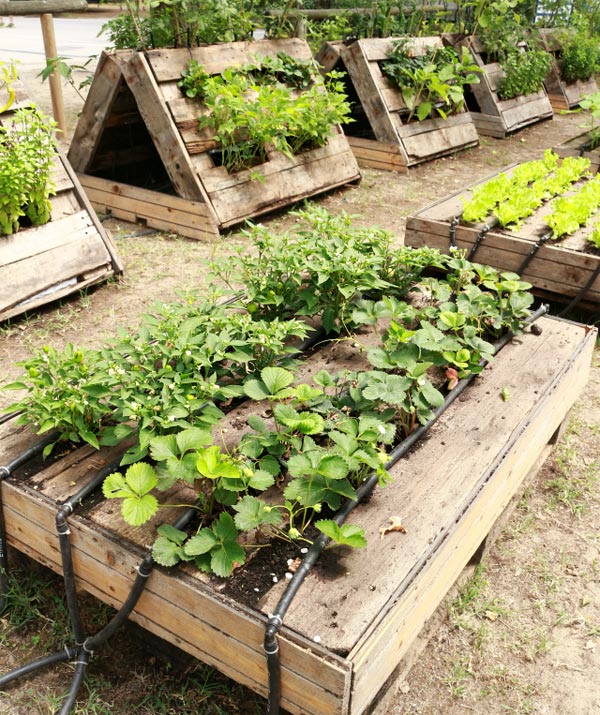
Old wooden pallets can be repurposed into raised beds with minimal effort. Simply arrange the pallets upright to form borders or cut them into sections to create layered beds. Fill the gaps with soil and start planting.
Best for: Strawberries, parsley, cherry tomatoes, eggplants.
Benefits: Affordable, easy to assemble, great for vertical or tiered gardens.
Pro tip: Use heat-treated (HT) pallets to avoid chemicals that may leach into the soil.
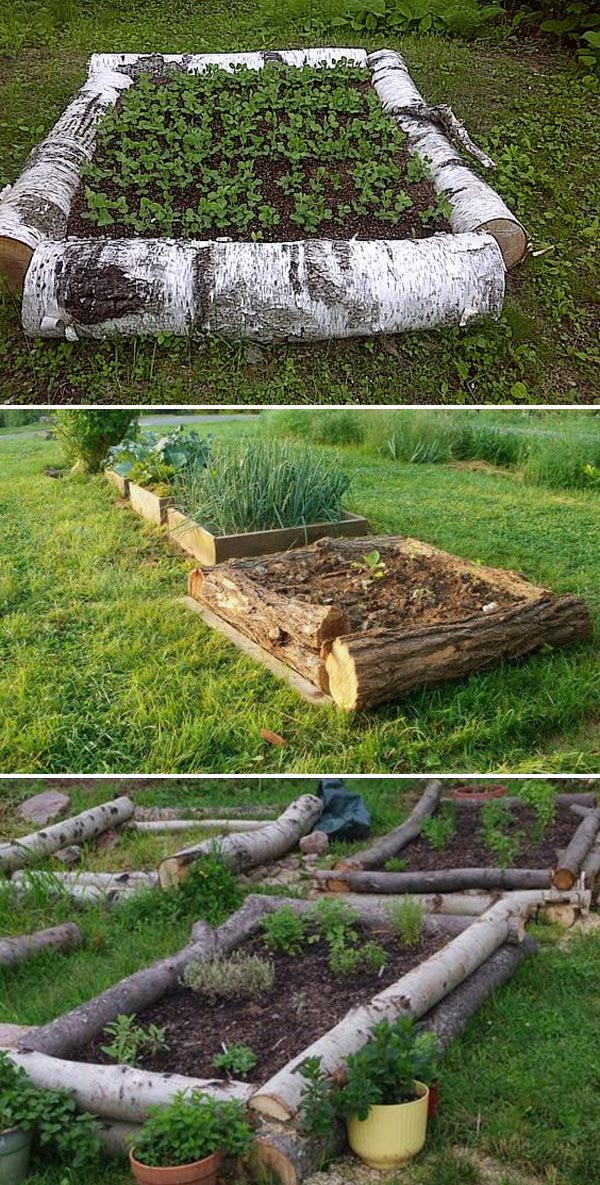
3. Log-Framed Raised Beds
Using natural logs to form the perimeter of your raised bed adds a rustic, woodland aesthetic. Stack them securely to the desired height and fill the center with rich soil. This method works well in forested areas or eco-conscious gardens.
Best for: Potatoes, beans, leafy greens, squash.
Benefits: Almost free if logs are readily available, naturally insulative, blends into natural surroundings.
Pro tip: Choose rot-resistant wood like cedar or larch for longer-lasting results.
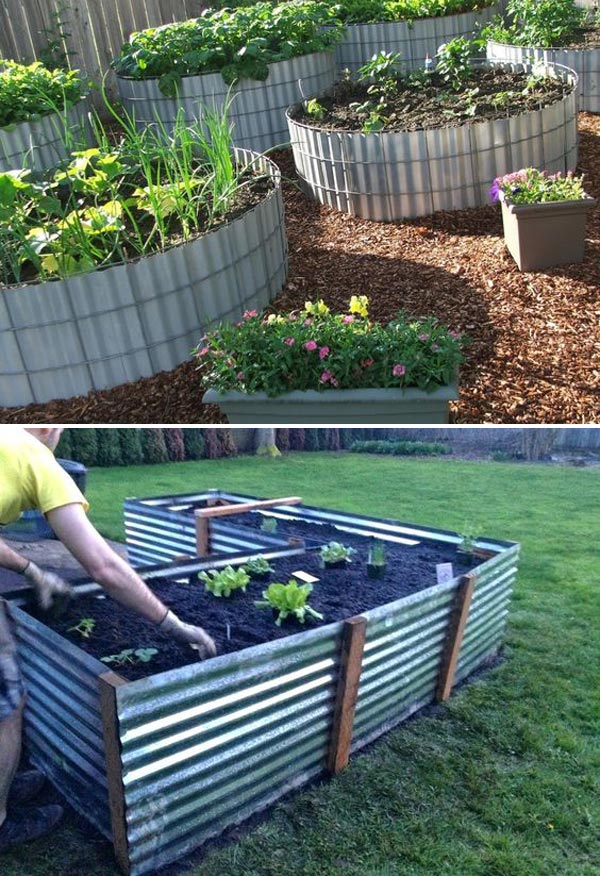
4. Corrugated Steel Raised Beds
Corrugated metal sheets can be bent or cut to size and used to construct modern, industrial-style raised beds.
These materials are long-lasting and weather-resistant, and when framed with wood, they add structure and elegance to your garden.
Best for: Large vegetables like zucchini, peppers, and broccoli.
Benefits: Strong, durable, sleek design, can be built tall for accessibility.
Pro tip: Line the inside with landscape fabric to reduce soil contact with the metal.
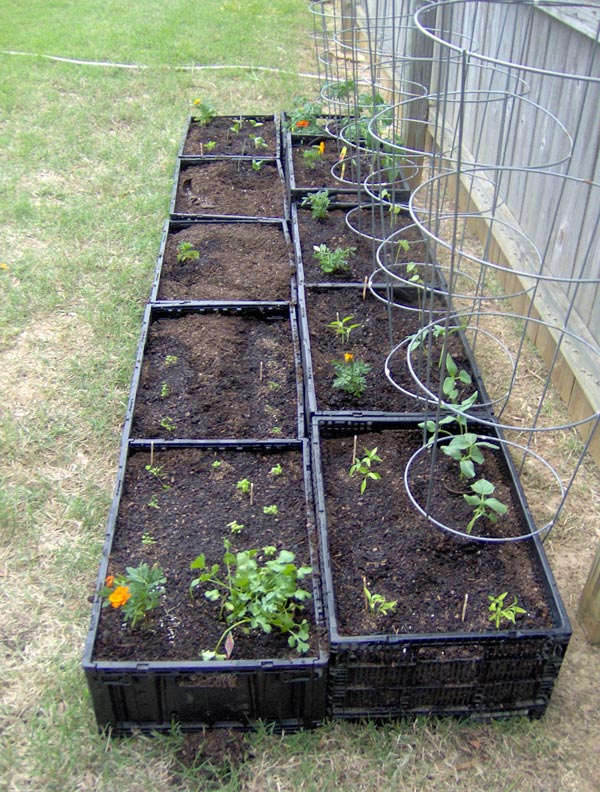
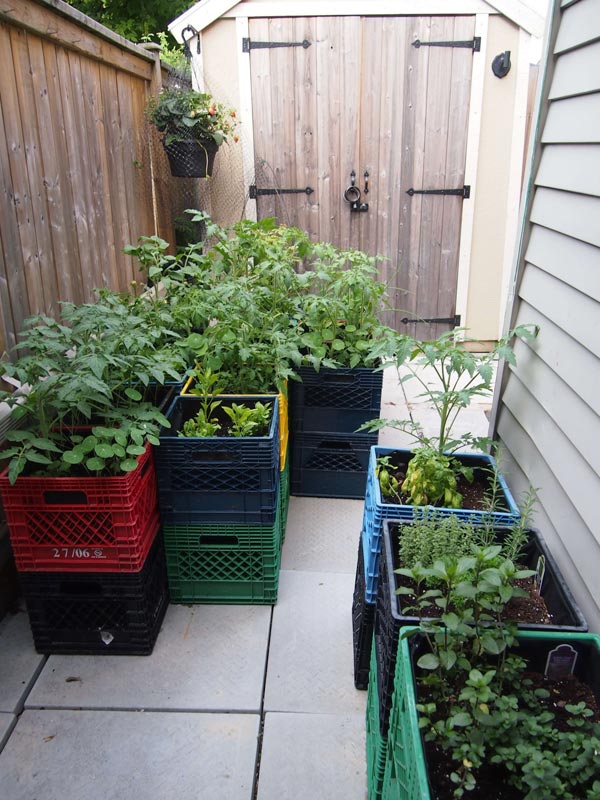
5. Crate-Style Modular Beds
Wooden crates or reclaimed storage boxes can be stacked or arranged to create custom-sized garden beds. This flexible approach lets you build beds that fit tight spaces or create different zones for various plants.
Best for: Mixed herbs, vegetables, or compact edible gardens.
Benefits: Portable, scalable, visually modular.
Pro tip: Drill holes in the bottom of each crate for proper drainage.
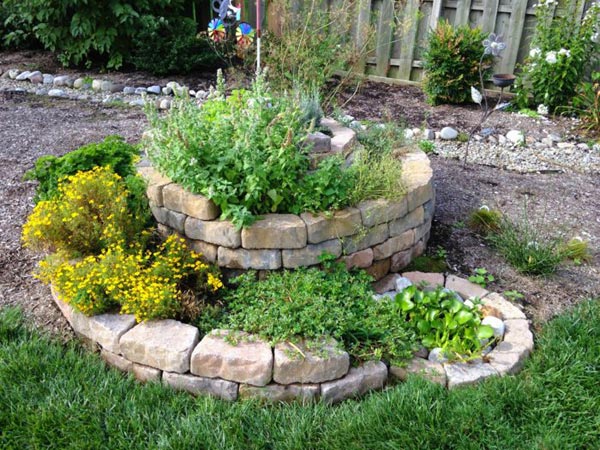
6. Herb Spiral Raised Bed
A spiral-shaped raised bed adds a decorative element while maximizing growing space. Constructed from bricks, stones, or even logs, herb spirals allow you to plant herbs that prefer different sun, water, and soil levels all in one structure.
Best for: Basil, thyme, rosemary, parsley, mint.
Benefits: Space-efficient, beautiful centerpiece, microclimate control.
Pro tip: Plant drought-tolerant herbs at the top and moisture-loving ones at the base.
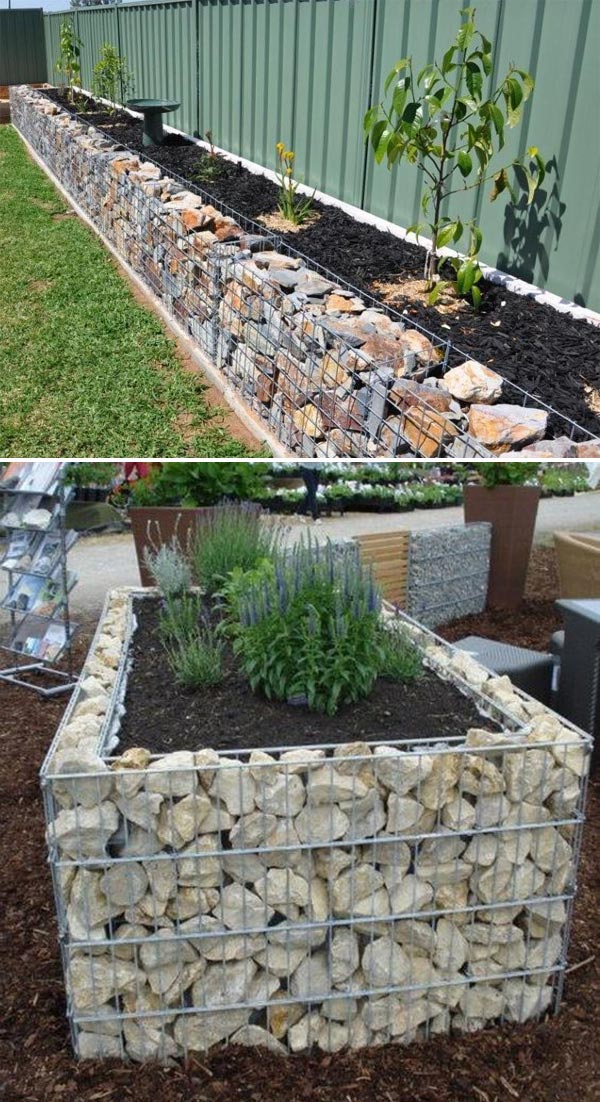
7. Gabion Raised Beds
Gabion planters are made by filling metal wire cages with stones, bricks, or rubble. These architectural-style raised beds are not only visually striking but also extremely sturdy and long-lasting.
Best for: Shrubs, flowers, decorative vegetables.
Benefits: Highly durable, excellent drainage, adds landscaping texture.
Pro tip: Line the interior with landscape fabric to contain soil.
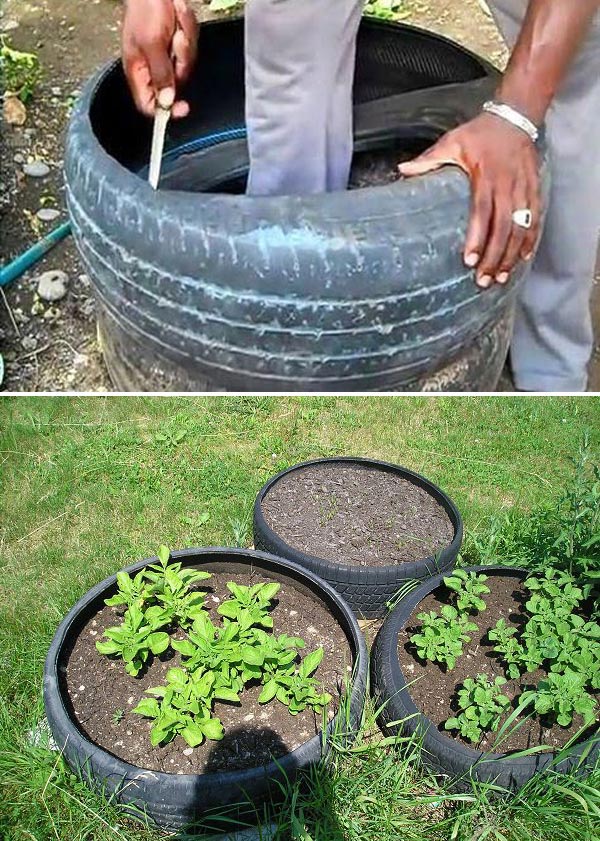
8. Upcycled Tire Planters
Old tires may not be suitable for edible plants due to potential chemical leaching, but they make great raised beds for non-edible plants or hardy perennials. Stack two or more for extra height or paint them for a colorful effect.
Best for: Ornamental grasses, flowers, shrubs.
Benefits: Easy to find, inexpensive, stackable.
Pro tip: Drill drainage holes in the base or remove the sidewall for planting space.
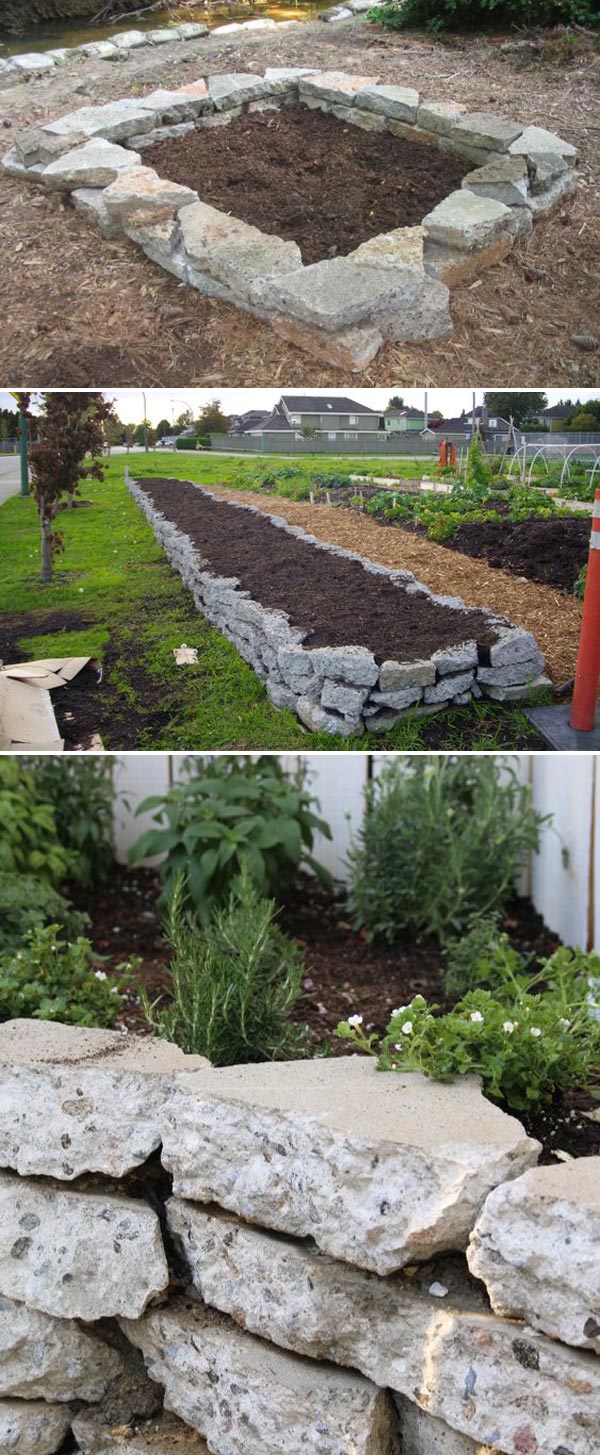
9. Concrete Rubble Raised Bed
If you’ve recently removed an old patio or sidewalk, repurpose broken concrete slabs as edging for your raised garden bed. It’s an eco-friendly solution that brings a rugged, urban flair to your outdoor space.
Best for: Root crops, leafy greens, wildflowers.
Benefits: Recycles waste materials, retains heat for early-season planting.
Pro tip: Stack slabs securely and use mortar or soil between layers for stability.
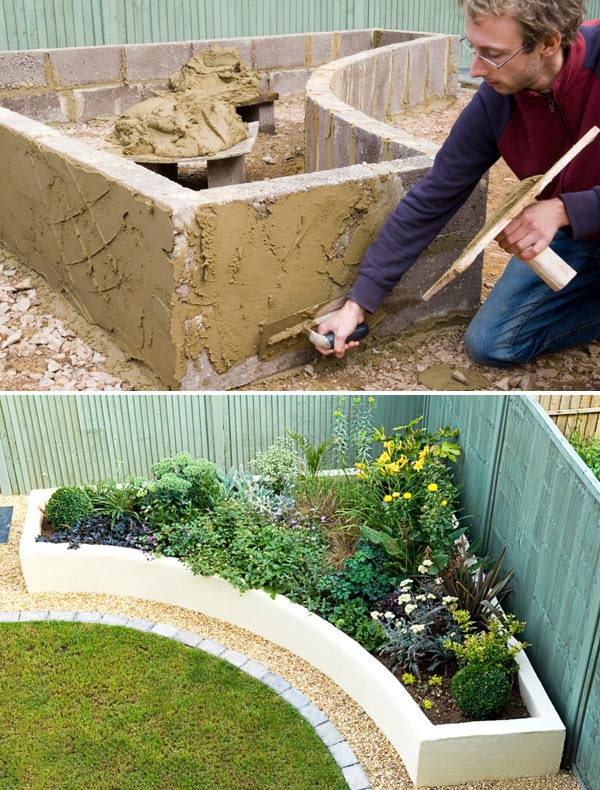
10. Breeze Block Raised Beds
Breeze blocks (or cinder blocks) can be arranged to form quick and durable raised beds. They can be stacked two or three high for deeper beds and even offer planting pockets in their holes for herbs or flowers.
Best for: Vegetables, companion planting.
Benefits: Quick to build, durable, no tools required.
Pro tip: Paint the blocks or fill gaps with cascading plants for a decorative finish.
11. Straw Bale Raised Bed
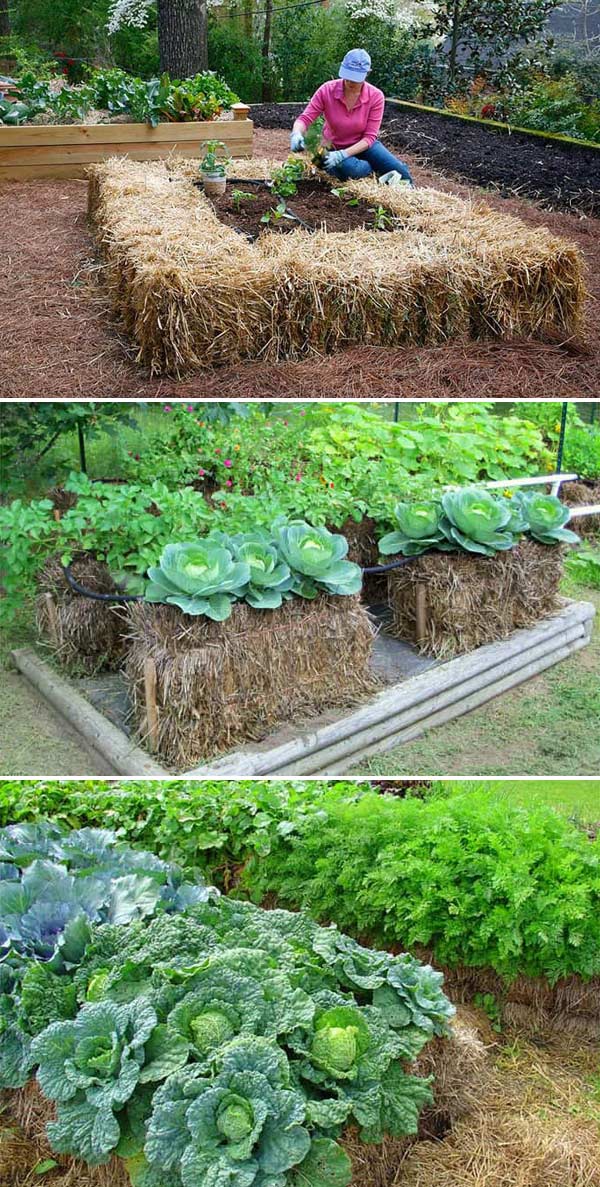
Straw bales can serve as both the border and the growing medium. Arrange bales of wheat or alfalfa straw in a square or rectangular formation, water them thoroughly, and condition them with fertilizer.
Plants can be placed directly into the bales or soil added on top.
Best for: Tomatoes, peppers, cucumbers, leafy greens.
Benefits: No construction needed, naturally composting, pest-resistant.
Pro tip: Replace the bales each year and use the decomposed material in your compost pile.
12. Funnel-Shaped Pallet Beds
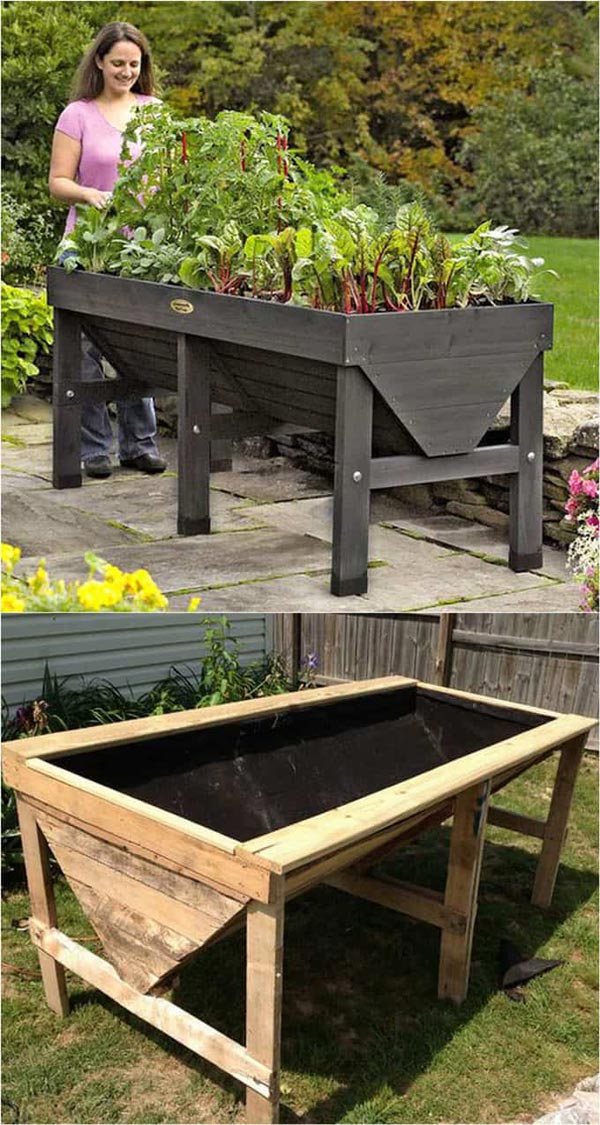
By cutting and arranging pallets in a cone or funnel shape, you can create a vertical garden structure perfect for trailing plants or creating a focal point.
Fill each tier with soil and plant outward-facing crops like strawberries or nasturtiums.
Best for: Strawberries, lettuce, flowers, herbs.
Benefits: Vertical design saves space, visually striking.
Pro tip: Secure each layer with screws or brackets for structural integrity.
DIY raised garden beds offer endless possibilities for personalizing your gardening experience, making it more efficient, manageable, and rewarding.
Whether you choose to build a rustic log bed, a spiral herb garden, or a modern steel box, each option brings unique charm and functionality to your outdoor space.
By using recycled materials, upcycled objects, or natural elements, you can create beautiful and sustainable raised beds tailored to your style and needs.
Not only will these designs improve your garden’s productivity, but they’ll also serve as attractive, conversation-worthy focal points.