
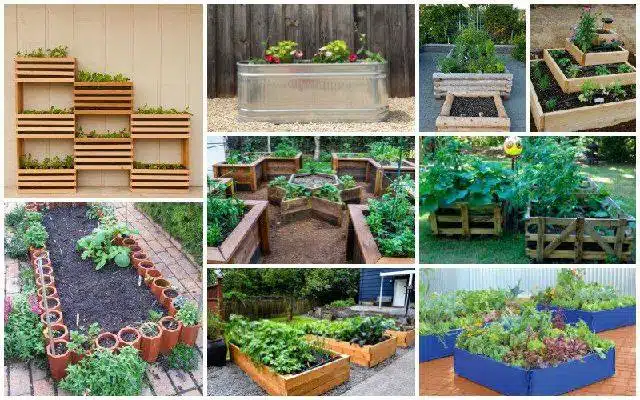
Raised garden beds have become a game-changer for modern gardening.
Whether you’re a beginner or an experienced green thumb, they offer convenience, better soil control, and easier plant maintenance compared to traditional in-ground gardening.
From improving drainage to reducing back strain, raised beds provide numerous benefits. They come in various sizes, materials, and styles, making them a versatile choice for any garden.
If you’re looking for inspiration, check out these creative raised garden bed ideas to find the perfect fit for your space!
Why Choose Raised Garden Beds?
✔ Improved Soil Quality – Fill with rich, well-draining soil for healthier plants.
✔ Better Drainage – Prevents waterlogging and root rot.
✔ Fewer Weeds & Pests – Keeps unwanted weeds and critters at bay.
✔ Less Strain on Your Back – Easier to maintain without excessive bending or kneeling.
✔ Ideal for Small Spaces – Great for urban gardens, patios, and balconies.
✔ Longer Growing Season – Raised beds warm up faster in spring, extending the planting period.
💡 Pro Tip: Choose a raised bed height based on your comfort level—taller beds are best for reducing strain, while lower ones work well for compact spaces.
1. Raised Garden Bed in a Pallet Crate 🛠️
Upcycle wooden pallets into a rustic, cost-effective raised bed.
✔ Best for: Herbs, small vegetables, or decorative flowers.
✔ How to do it: Remove a few pallet slats, line the inside with landscape fabric, and fill with soil.
💡 Tip: Paint or stain the pallet for aesthetic appeal and durability.

2. Raised Garden Bed Made of Stones 🏡
Stacking natural stones creates a durable, elegant garden bed that blends seamlessly with your landscape.
✔ Best for: Perennial plants, ornamental flowers, and veggies.
✔ How to do it: Arrange flat stones in layers, securing them with soil or mortar if needed.
💡 Tip: Use large stones for structure and smaller ones for decorative edges.

3. Raised Garden Bed from Terracotta Pipes 🌿
Terracotta pipes can be stacked or laid horizontally to create a unique modular planting system.
✔ Best for: Herbs, strawberries, and succulents.
✔ How to do it: Arrange pipes in a pattern and fill each with soil.
💡 Tip: Mix different pipe sizes for an eye-catching design!

4. U-Shaped Raised Garden Bed 🔄
A U-shaped layout maximizes planting space while providing easy access from all sides.
✔ Best for: Larger gardens and high-yield vegetable crops.
✔ How to do it: Build wood or cinder block walls with a walkway in the middle.
💡 Tip: Add a trellis or climbing frame in the center for vertical growth.

5. Four-Tier Wooden Raised Garden Beds 🌱
Tiered raised beds offer multiple planting levels, perfect for small spaces or cascading plants.
✔ Best for: Herbs, flowers, and shallow-rooted vegetables.
✔ How to do it: Construct a layered frame using wooden boards.
💡 Tip: Plant shorter crops at the front and taller plants at the back for full sun exposure.

6. Typical Trellis for Vertical Growing 🍅
Maximize vertical space by integrating a trellis into your raised garden bed.
✔ Best for: Tomatoes, cucumbers, beans, and climbing flowers.
✔ How to do it: Attach a sturdy trellis or metal frame at the back of the bed.
💡 Tip: Use string or netting to train plants upward.

7. Modern Space-Saving Vertical Vegetable Garden 🌿🏙️
If you’re short on space, a vertical garden bed lets you grow more in less space.
✔ Best for: Urban patios, balconies, and small backyards.
✔ How to do it: Stack wooden shelves or wall planters with multiple tiers.
💡 Tip: Install self-watering pots for easy maintenance!

8. Raised Bed Garden Out of Cinder Blocks 🏗️
Cinder blocks make sturdy, long-lasting raised beds with built-in side planters.
✔ Best for: Tomatoes, peppers, and hardy greens.
✔ How to do it: Stack cinder blocks in a rectangular or square shape and fill with soil.
💡 Tip: Plant flowers or herbs inside the block holes for extra greenery!

9. Wooden Raised Garden Beds 🌳
Classic wooden raised beds are a versatile, timeless choice for any garden.
✔ Best for: Any type of vegetable, herb, or flower garden.
✔ How to do it: Build with rot-resistant wood (cedar or redwood) and line with landscape fabric.
💡 Tip: Elevate the bed slightly to improve drainage.

10. Unique Shaped Raised Garden Beds 🔵🔺
Think beyond rectangles! Curved, circular, or hexagonal raised beds add visual interest.
✔ Best for: Decorative gardens, pollinator-friendly flowers, and herbs.
✔ How to do it: Customize your design with recycled materials or pre-made molds.
💡 Tip: Use brick edging to define unusual shapes.

11. Plastic Raised Garden Beds ♻️
Plastic beds are lightweight, affordable, and easy to move.
✔ Best for: Portable or temporary gardens.
✔ How to do it: Choose UV-resistant plastic for durability.
💡 Tip: Ensure proper drainage holes to prevent excess water buildup.

12. Rectangular Wooden Raised Garden Beds 📏
A simple rectangular design provides ample growing space and easy maintenance.
✔ Best for: Beginners and large vegetable gardens.
✔ How to do it: Use pre-cut wood panels for quick assembly.
💡 Tip: Install corner brackets for extra durability.

13. Stained Raised Garden Bed 🎨
Give your raised bed a modern look by staining the wood in natural or bold colors.
✔ Best for: Decorative and contemporary gardens.
✔ How to do it: Use non-toxic, waterproof wood stain.
💡 Tip: Match the stain color with your patio furniture for a cohesive look.

14. Whimsical Raised Garden Bed 🏰
Get creative with playful, artistic raised beds shaped like animals, spirals, or fairy gardens.
✔ Best for: Kids’ gardens and creative landscaping.
✔ How to do it: Use painted wood, logs, or repurposed furniture.
💡 Tip: Add colorful signs or garden decorations for a magical effect!

15. Raised Garden Bed in Water Troughs 🐄🌿
Repurpose old water troughs into charming raised garden beds.
✔ Best for: A farmhouse or rustic garden style.
✔ How to do it: Drill drainage holes and fill with nutrient-rich soil.
💡 Tip: Place on a gravel base to enhance drainage.

Whether you prefer wood, stone, cinder blocks, or upcycled materials, raised beds provide an efficient, organized way to grow a thriving garden.


