Getting into gardening doesn’t have to be expensive. In fact, some of the best garden hacks don’t cost a thing – just a little know-how and creativity.
Whether you’re a first-time gardener or a seasoned grower looking to cut costs, these budget-friendly gardening tricks will help your plants thrive while keeping your wallet intact.
From testing soil without fancy kits to regrowing kitchen scraps into lush harvests, these tips are all about saving money, saving time, and growing more with less effort.
Let’s dig into these smart, frugal gardening ideas that anyone can try!
1. Check Your Soil Texture Without a Kit
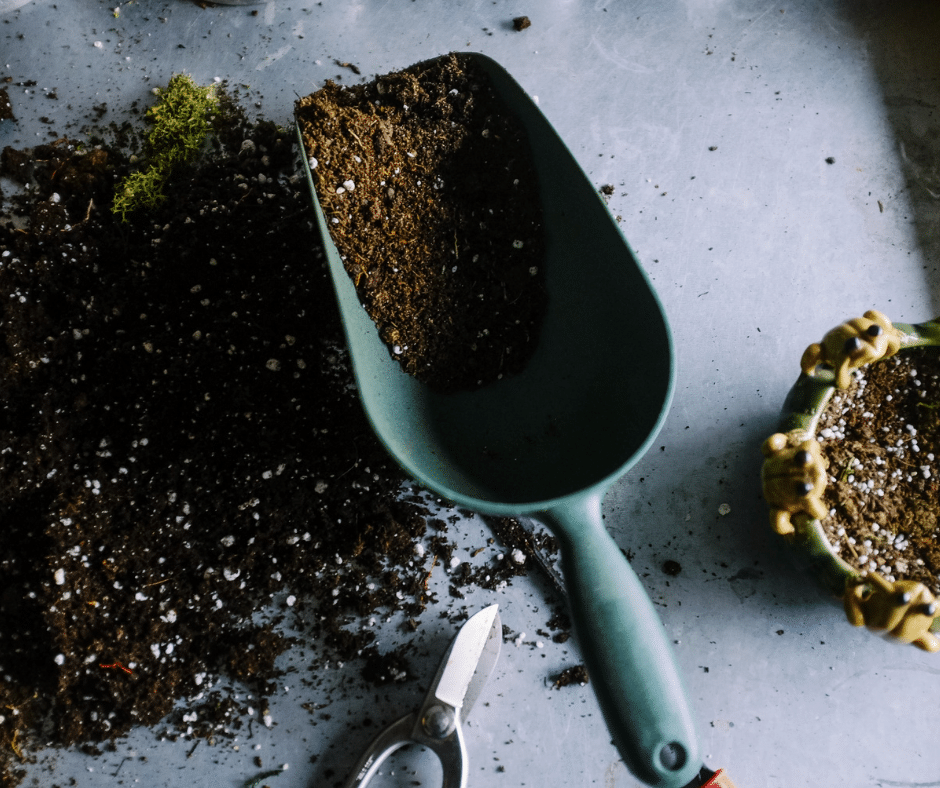
Knowing your soil’s texture is the foundation of successful gardening – but you don’t need an expensive soil test to find out.
Here’s how to check it for free:
- Scoop up a handful of moist (not wet) soil from your garden.
- Roll it into a loose ball.
- Gently press it with your finger.
What to look for:
- If it crumbles easily, your soil is sandy or loamy – great for drainage.
- If it stays compacted or sticky, it likely has a high clay content – this soil retains water but may need amending for drainage.
This trick helps you understand what kinds of plants your soil will support and whether you need to amend it for better results.
2. DIY Soil pH Testing with Household Items
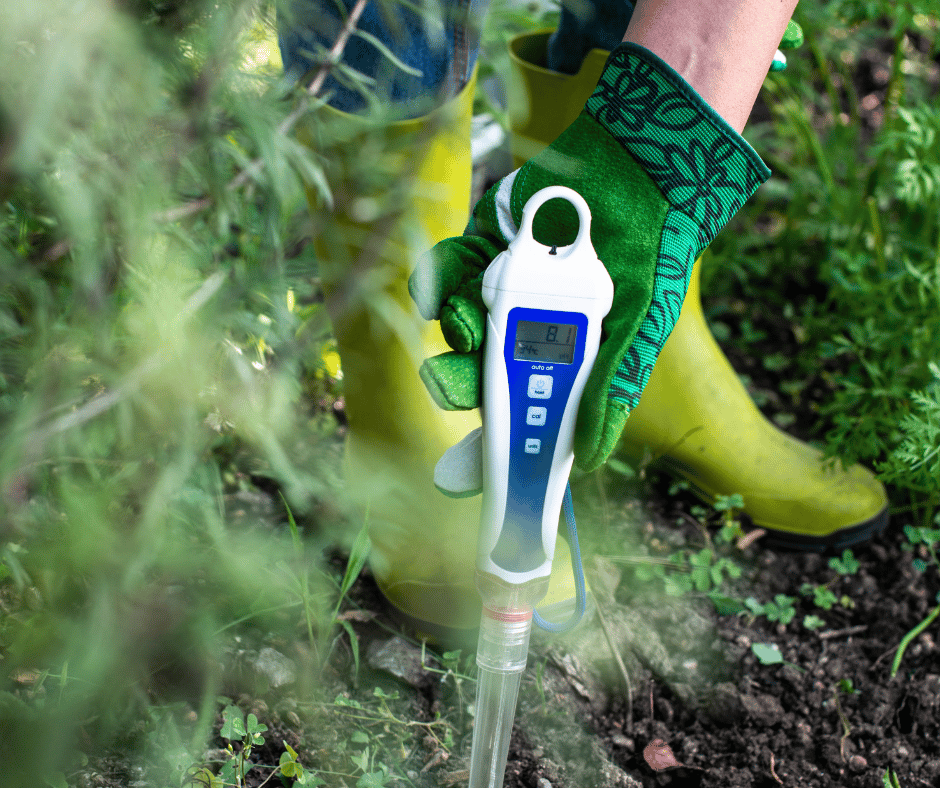
Want to know whether your soil is acidic or alkaline? You don’t need to buy a pH meter. Just use vinegar and baking soda.
To test for alkalinity:
- Add a spoonful of soil to a container.
- Pour in white vinegar.
- If it fizzes or bubbles, your soil is alkaline.
To test for acidity:
- In a different container, add soil and some water to make it muddy.
- Add baking soda.
- If it fizzes, your soil is acidic.
No fizz? You likely have neutral soil – a sweet spot for most vegetables and flowers.
3. Grass Clippings = Free Organic Fertilizer
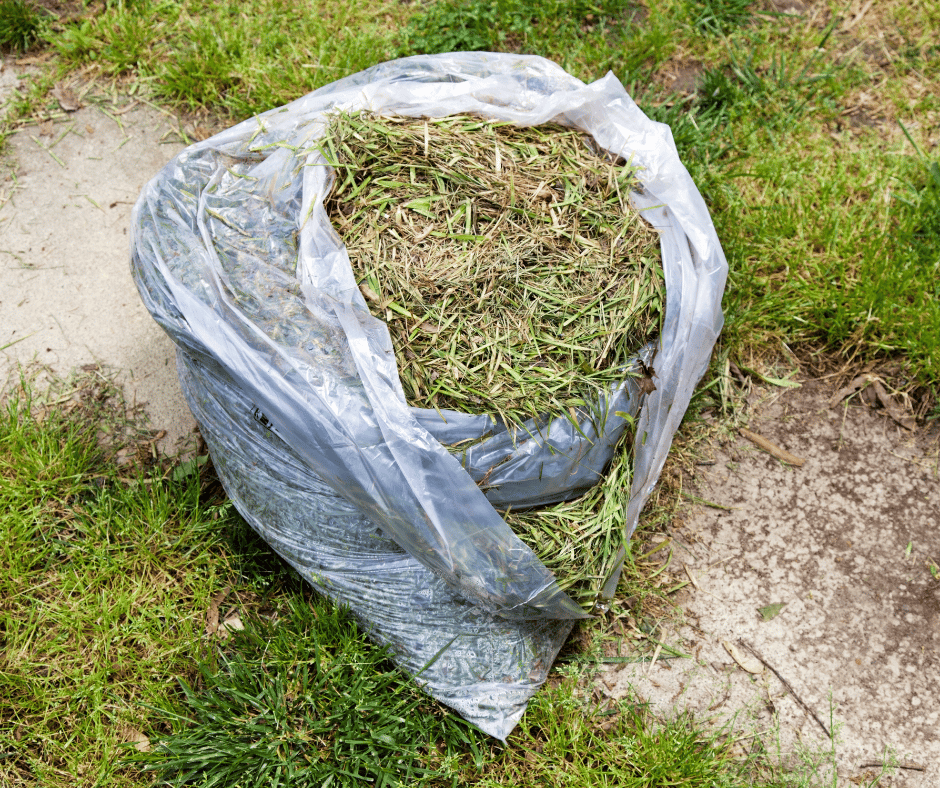
Don’t toss your lawn clippings! They’re packed with nitrogen, potassium, and phosphorus – all key nutrients for healthy plant growth.
How to use:
- Leave grass clippings on your lawn to act as a natural mulch and fertilizer.
- Add a thin layer around vegetable beds or flower borders to retain moisture and enrich the soil.
Just make sure the clippings are from an untreated lawn (no herbicides or pesticides), and don’t pile them too thick, or they’ll mat down and block air.
4. Make Leaf Mold for Rich, Moisture-Retaining Soil
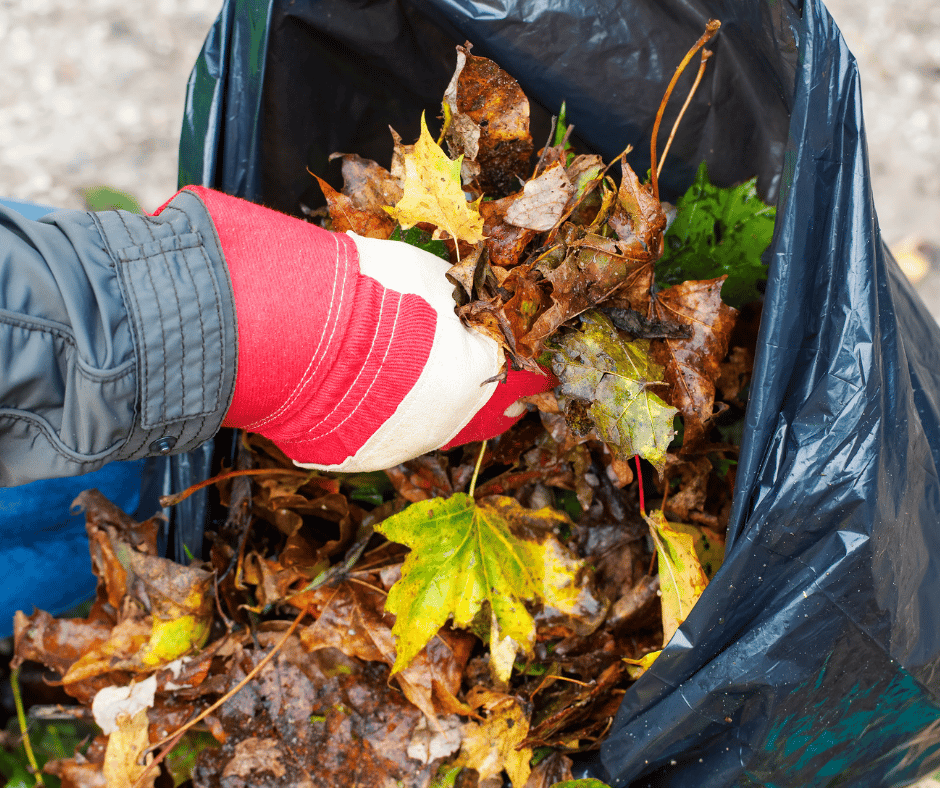
Autumn leaves are more than just yard waste – they’re a goldmine for gardeners. When left to decompose, they turn into leaf mold, a rich, crumbly, water-holding soil conditioner.
To make it:
- Pile up fallen leaves in a corner of your yard.
- Keep the pile moist and turn it every few weeks.
- In 6–12 months, you’ll have a dark, earthy-smelling material perfect for improving soil texture and boosting moisture retention in garden beds.
5. Create Your Own Humus with Compost
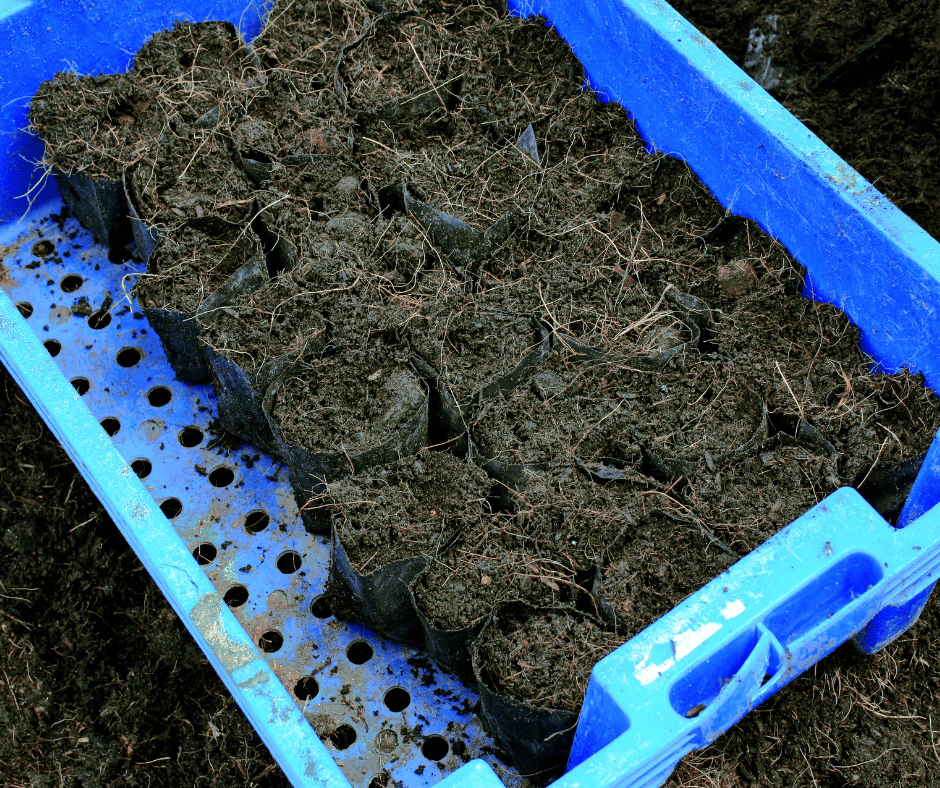
Compost is often called “black gold” for a reason. It transforms food scraps, yard waste, and even paper into nutrient-rich humus – the ultimate garden booster.
Compost at home using:
- Fruit and vegetable scraps
- Coffee grounds and eggshells
- Grass clippings and dry leaves
Once fully decomposed, compost adds beneficial microbes and nutrients to your soil. It’s excellent for building long-term fertility, and it costs nothing to make.
6. Save Seeds From Kitchen Produce
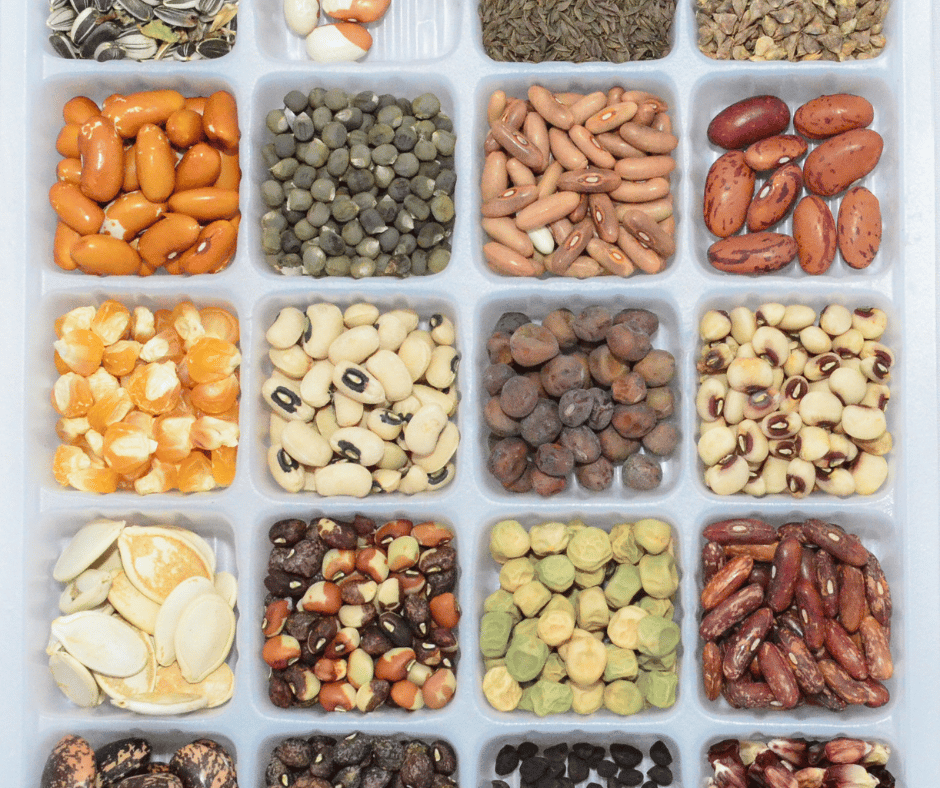
Why buy new seed packets every year when you can grow vegetables from the ones you already have?
How to start:
- Save seeds from tomatoes, peppers, cucumbers, pumpkins, and melons.
- Rinse and dry thoroughly on a paper towel.
- Store in labeled envelopes in a cool, dry place.
When spring arrives, your pantry becomes your seed store. It’s one of the easiest, most cost-effective gardening hacks.
7. Join a Seed Swap Community
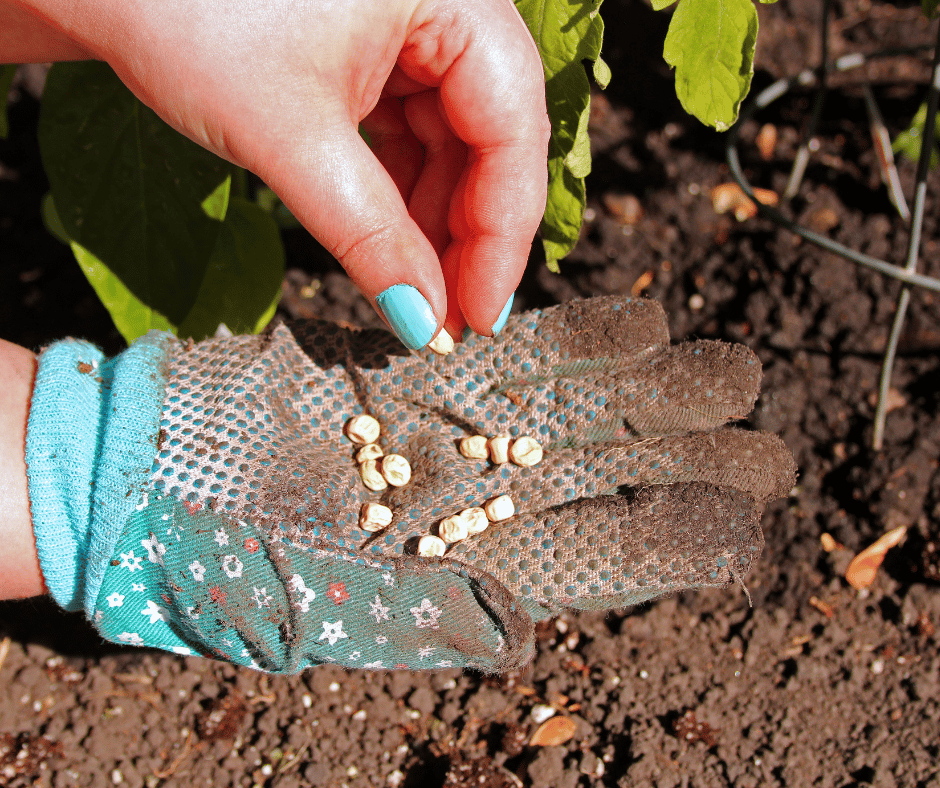
Want more variety in your garden without spending a dime? Participate in a seed swap.
How it works:
- Exchange seeds with neighbors, friends, or local gardening clubs.
- Use community bulletin boards or search for Facebook groups dedicated to local gardening and seed trading.
It’s a fun way to try new varieties – especially heirlooms or hard-to-find plants – while building connections in your community.
8. Regrow Vegetables from Kitchen Scraps
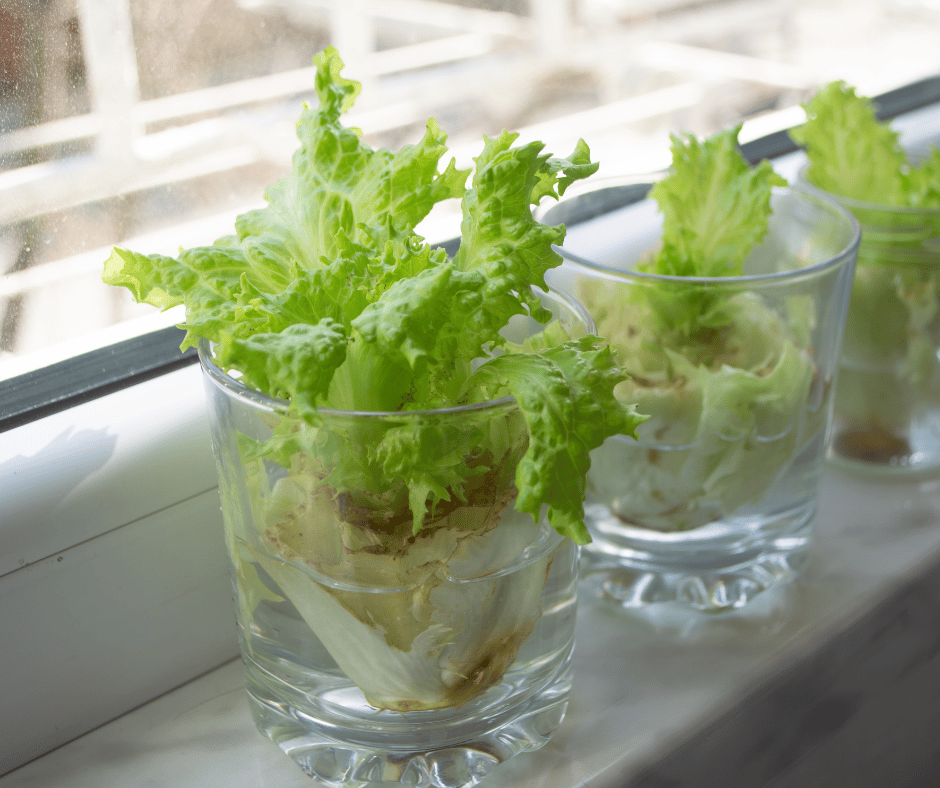
You’d be surprised how many vegetables can be regrown from scraps. Not only does this save money, but it’s also a great way to get kids excited about gardening.
Popular veggies to regrow:
- Green onions: Place white roots in water; they regrow in days.
- Lettuce & celery: Set the base in water and watch it regrow.
- Garlic & ginger: Plant leftover cloves or rhizomes in soil for new growth.
- Potatoes: Sprouting spuds can go straight into the ground.
Before long, your leftovers will be producing fresh food again – with no trip to the store required.
9. Grow Plants from Cuttings
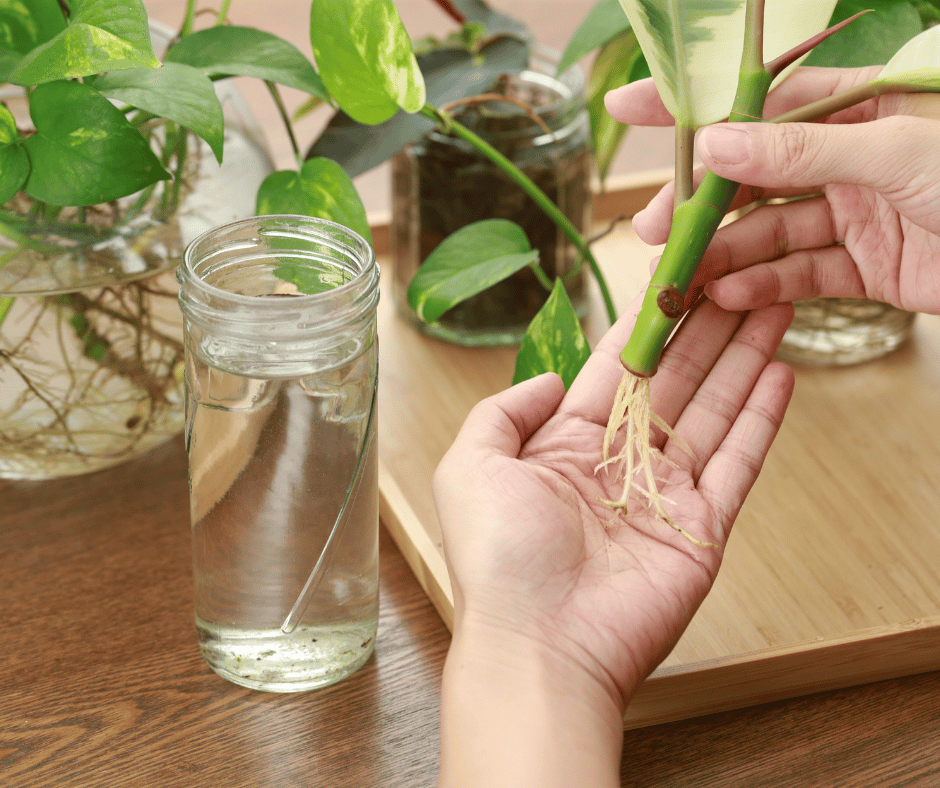
Propagation is one of gardening’s best-kept secrets – and it’s totally free.
Plants that root easily from cuttings: Basil, Mint, Rosemary, Tomatoes, Pothos (for indoor gardeners).
Simply snip a healthy stem, remove the lower leaves, and place the cutting in water or moist soil. After a few weeks, roots will appear, and you’ll have a brand-new plant.
10. Divide Perennials to Multiply Your Garden
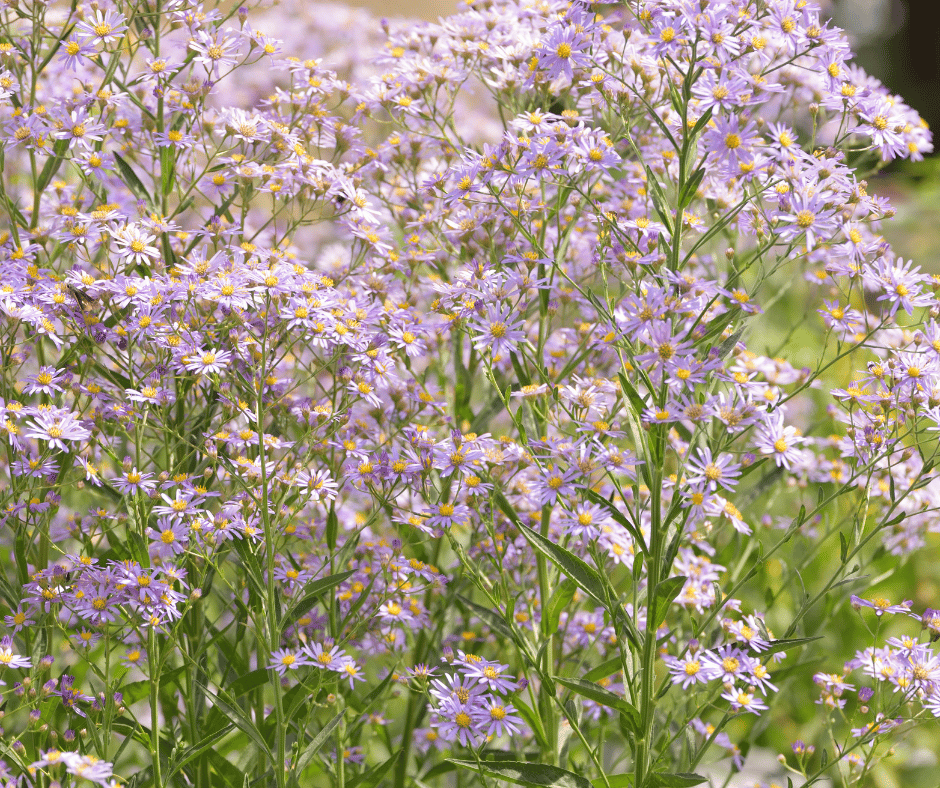
Perennial plants are gift that keeps giving. Once they mature, many can be divided into smaller plants, saving you from buying new ones.
Common perennials to divide: Daylilies, Hostas, Echinacea, Lavender, Bee balm.
When to divide: Usually in spring or fall when the weather is cool. Just dig up the plant, separate the root ball, and replant each clump. Your garden will grow fuller and healthier, all without extra cost.
These cheap and clever gardening tips prove that you don’t need expensive tools or a massive budget to grow a lush, productive garden.
From recycling your kitchen scraps to harnessing natural fertilizers, these DIY solutions are good for your wallet, your plants, and the planet.