Garden walkways and paths are more than just practical features—they’re the framework of your outdoor space, guiding the eye and the feet through different areas of your garden.
While they provide safe, clean, and structured movement from one spot to another, they also offer a huge opportunity to add beauty, texture, and greenery to your landscape.
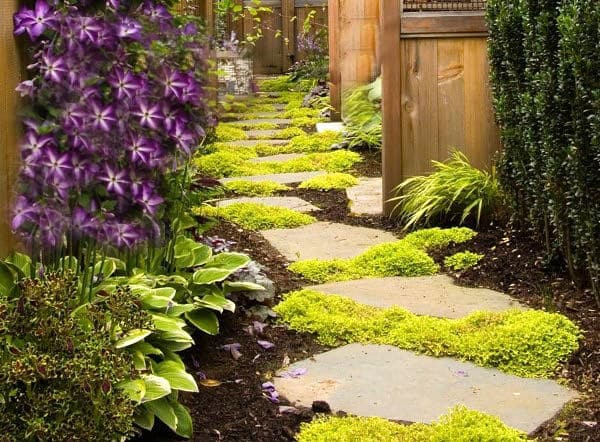
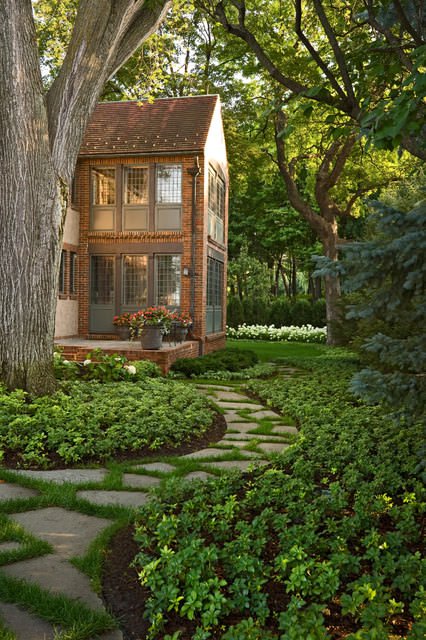
Whether you’re working with stone, gravel, pavers, bricks, or stepping stones, one of the best ways to enhance your garden paths is by integrating low-growing plants and ground covers that thrive between or alongside your walkways.
These plants not only soften hardscape edges, but also introduce color, fragrance, and even pollinator-friendly features to an otherwise utilitarian space.
Better still, many of these plants are tough enough to handle light foot traffic, making them both attractive and practical.
Why Plant Along Garden Paths?
Planting along or between pathways offers a variety of benefits:
- Aesthetic Appeal: Plants add beauty, texture, and seasonal interest to your walkways.
- Softened Hardscapes: Lush greenery breaks up the harsh lines of pavers and stones.
- Natural Weed Suppression: Dense ground covers can help suppress unwanted weeds.
- Erosion Control: Plant roots help stabilize soil and reduce erosion along path edges.
- Wildlife & Pollinators: Many flowering varieties attract bees, butterflies, and beneficial insects.
- Fragrance & Sensory Appeal: Certain ground covers, like creeping thyme or chamomile, release a wonderful scent when walked on.
Choosing the Right Plants for Your Garden Walkway
When selecting plants for your pathways, keep these factors in mind:
- Sunlight: Is your path in full sun, partial shade, or full shade?
- Foot Traffic: Will people regularly walk over the plants, or are they purely decorative?
- Soil & Drainage: Ensure plants match the soil type and drainage conditions of your path.
- Maintenance: Choose low-maintenance varieties for hassle-free beauty.
Top Ground Covers and Plants for Garden Paths
Here are some of the best low-growing, walkable, and visually appealing plants to grow between or beside your garden pathways:
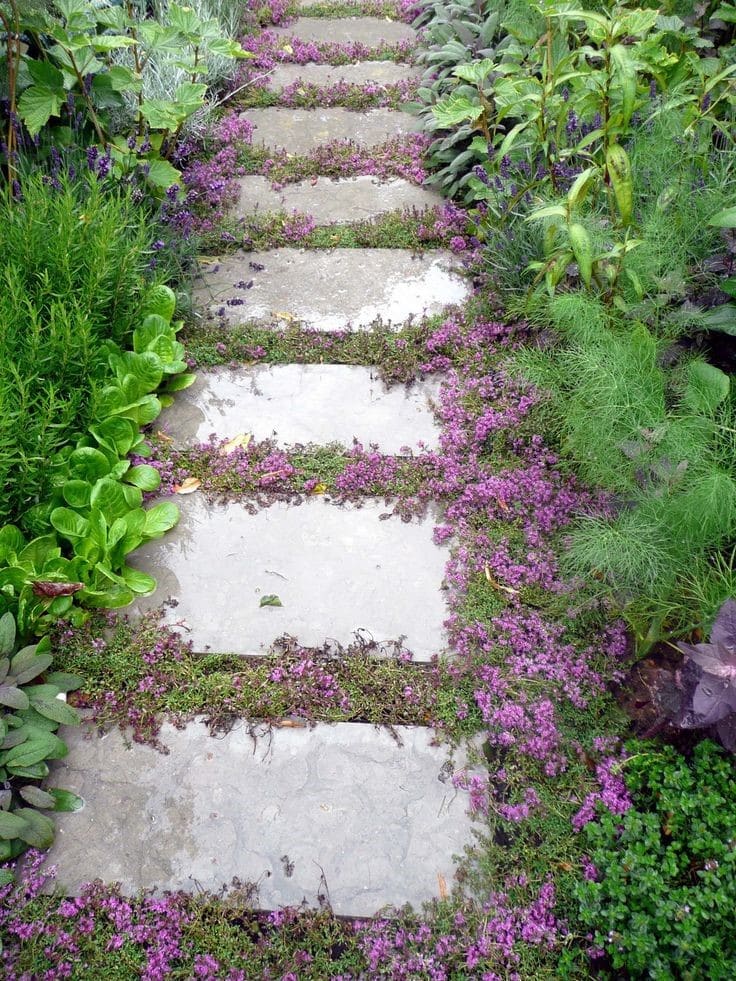
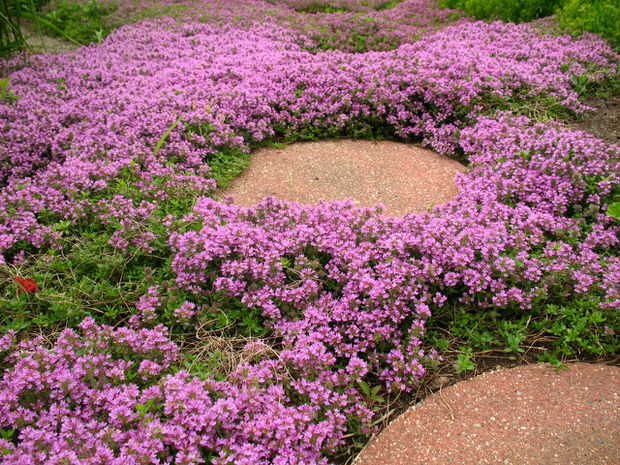
1. Creeping Thyme (Thymus serpyllum)
- Zones: 4–9
- Light: Full sun
- Foot Traffic: High tolerance
- Fragrance: Releases a pleasant scent when stepped on
- Color: Tiny purple or pink flowers in late spring to summer
Creeping thyme is one of the most popular choices for planting between pavers or alongside paths. It’s drought-tolerant, low-maintenance, and absolutely stunning when in bloom.
2. Irish Moss (Sagina subulata)
- Zones: 4–9
- Light: Full sun to part shade
- Foot Traffic: Low to moderate
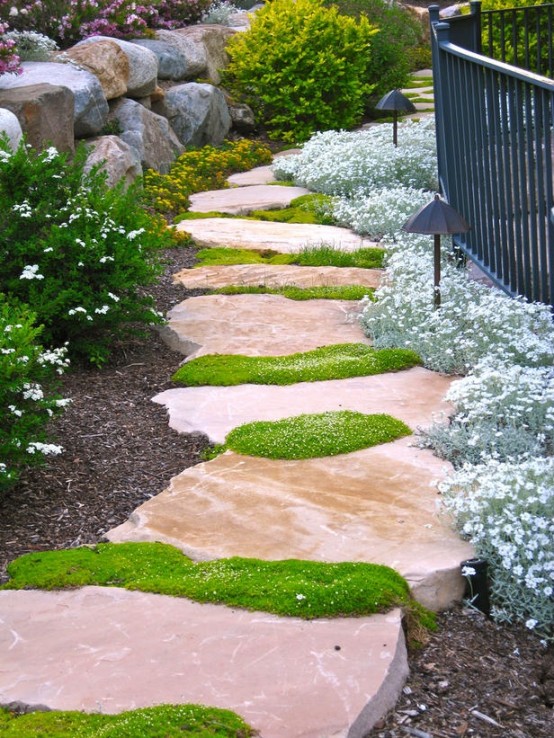
- Appearance: Lush, bright green with small white flowers
Ideal for adding a soft, velvety carpet-like feel to your pathway edges, Irish moss thrives in well-drained soil and fills in gaps quickly.
3. Corsican Mint (Mentha requienii)
- Zones: 6–9
- Light: Partial shade to full sun
- Foot Traffic: Low to moderate
- Bonus: Emits a minty scent when walked on
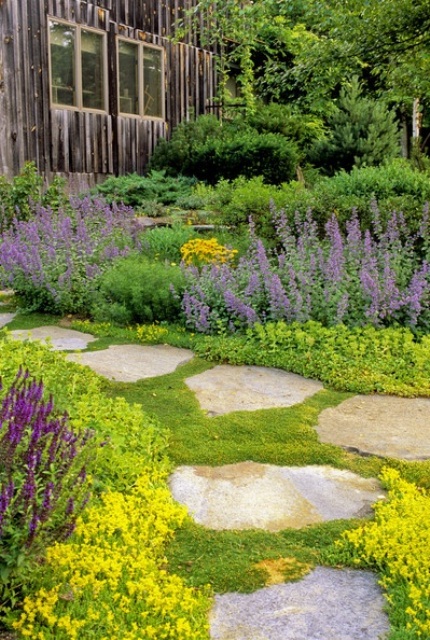
This tiny-leaved mint forms a dense mat and is perfect for moist, shaded pathways. It’s especially beautiful nestled between stepping stones.
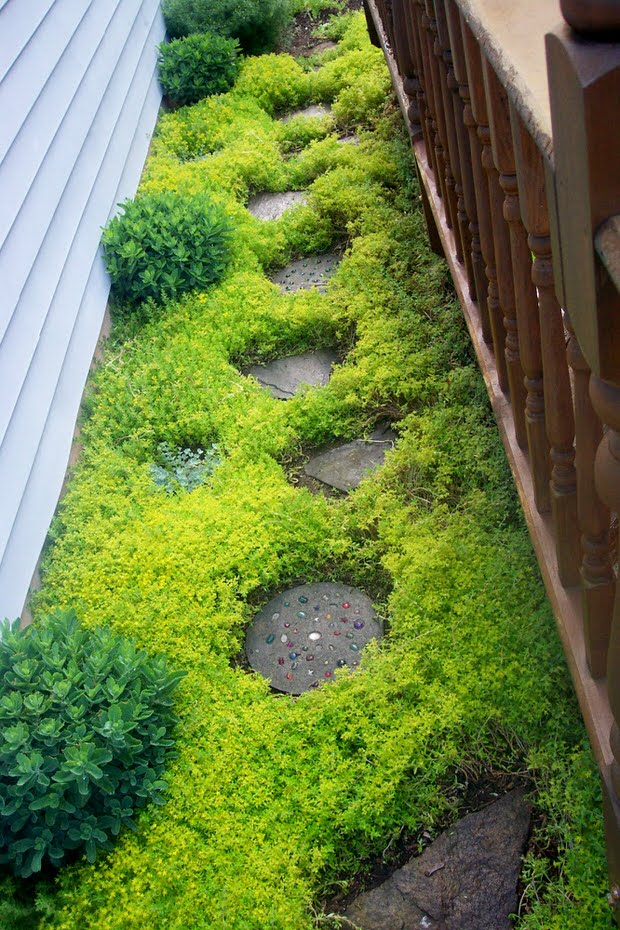
4. Creeping Jenny (Lysimachia nummularia)
- Zones: 3–10
- Light: Sun to partial shade
- Foot Traffic: Light
- Color: Bright chartreuse leaves, small yellow flowers
Fast-growing and vibrant, Creeping Jenny spills beautifully over edges, adding a pop of color to walkways and garden borders.
5. Elfin Thyme (Thymus serpyllum ‘Elfin’)
- Zones: 4–9
- Light: Full sun
- Foot Traffic: High
- Size: Grows only about 1 inch tall
This miniature thyme variety is perfect for tight spaces, between flagstones, or in rock gardens. It forms tight mats and requires minimal care.
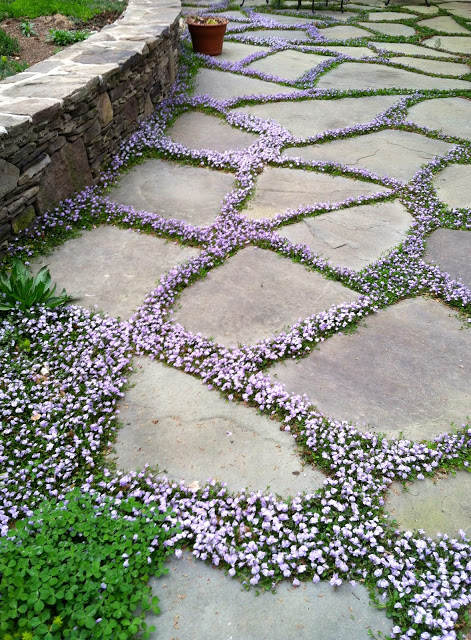
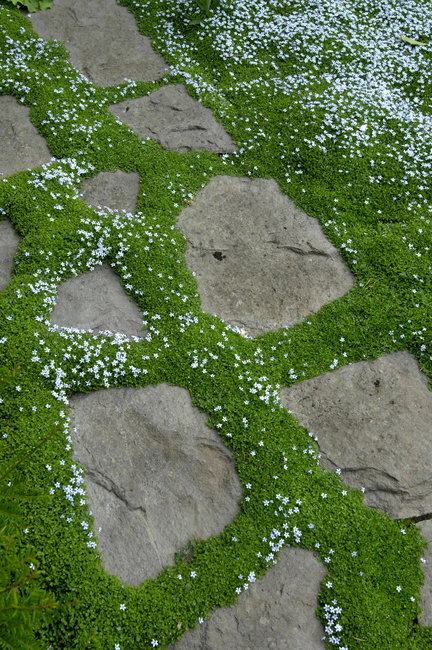
6. Blue Star Creeper (Isotoma fluviatilis)
- Zones: 5–9
- Light: Sun to part shade
- Foot Traffic: Light to moderate
- Bloom: Tiny star-like blue flowers in spring and summer
A charming option for walkways that gives a gentle splash of color, Blue Star Creeper is hardy, non-invasive, and excellent for patio cracks or paver joints.
7. Dwarf Mondo Grass (Ophiopogon japonicus ‘Nana’)
- Zones: 6–10
- Light: Full sun to part shade
- Foot Traffic: Moderate
- Texture: Fine-bladed dark green foliage
If you want a turf-like ground cover that stays neat and compact, dwarf mondo grass is an elegant and evergreen choice for modern garden paths.
8. Ajuga (Ajuga reptans)
- Zones: 3–10
- Light: Full sun to full shade
- Foot Traffic: Light
- Feature: Stunning blue flower spikes in spring
Ajuga spreads quickly and thrives even in challenging spots like shady pathway edges. Its textured leaves come in green, bronze, and variegated tones.
9. Sedum (Creeping Stonecrop)
- Zones: 3–9
- Light: Full sun
- Foot Traffic: Low
- Type: Succulent ground cover, drought-tolerant
Sedums are ideal for dry, sunny paths. Their fleshy leaves and late-season flowers add structure and interest to gravel paths or rocky walkways.
10. Sweet Alyssum (Lobularia maritima)
- Zones: Annual in most zones (self-seeds freely)
- Light: Full sun
- Bloom: Continuous blooms of tiny white, pink, or lavender flowers
- Fragrance: Sweet and pleasant
Sweet alyssum is an annual favorite for edging walkways. It attracts pollinators, smells wonderful, and fills in bare spaces quickly.
Pathway Planting Ideas & Inspiration
Looking to take your garden walkways to the next level? Here are some design tips:
Maintenance Tips for Pathway Plantings
- Weed control: Keep weeds out while your ground cover fills in.
- Watering: New plantings need consistent moisture until established.
- Pruning: Trim as needed to keep walkways clear and plants compact.
- Fertilizing: Use light compost or organic fertilizer in early spring to boost growth.
Garden walkways don’t have to be plain or purely functional. With the right plant choices, your paths can become living corridors of color, texture, and beauty that enhance your entire garden.
From fragrant thyme to cheerful alyssum or rich green mosses, there’s a ground cover for every path style and sun condition.
Whether you’re building a brand-new path or upgrading an existing one, try incorporating plant life to create a space that feels natural, elegant, and uniquely yours.