Intensive gardening is a game-changer when it comes to self-sustainability, maximizing space, and producing more food in a smaller area.
Whether you’re working with a small backyard, patio, or balcony, adopting intensive and vertical gardening techniques can help you grow your own food while minimizing waste and environmental impact.
While intensive gardening requires planning and effort, it offers numerous benefits, including:
✔ Higher crop yields in limited space
✔ Reduced water consumption through smart irrigation techniques
✔ Less soil depletion and healthier plants
✔ Eco-friendly and cost-effective solutions for urban gardeners
Want to get started? Check out these expert tips on how to successfully implement intensive gardening and vertical gardens in your home!
What is Intensive Gardening and Why Is It Important?
Intensive gardening is the practice of growing more plants in less space using efficient techniques such as:
- Companion planting to maximize plant benefits
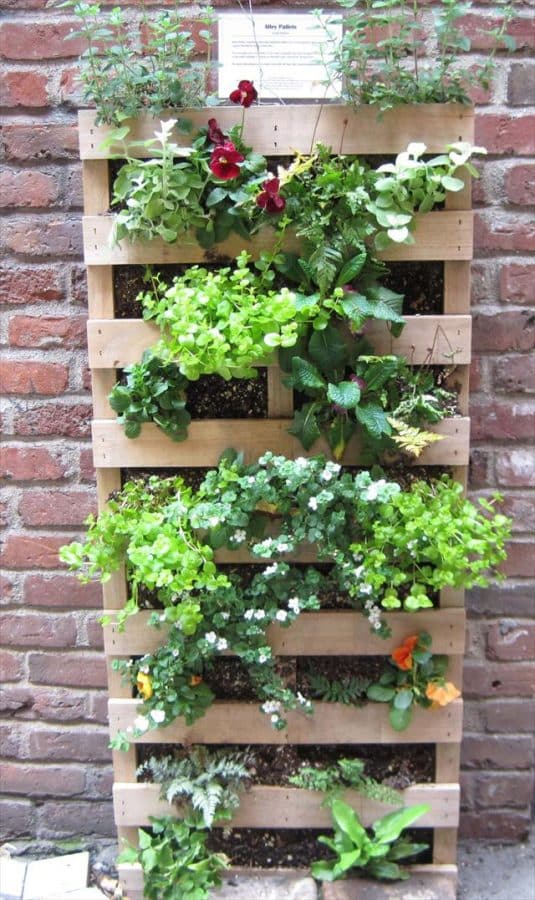
- Vertical gardening to use upward space instead of horizontal land
- Square foot gardening for strategic spacing
- Succession planting to harvest crops continuously
These methods not only reduce waste but also allow small-space gardeners to grow fresh vegetables, herbs, and fruits at home with minimal effort.
💡 Pro Tip: Combine intensive gardening with organic practices like composting and rainwater harvesting for a truly sustainable garden!
Vertical Gardening: The Space-Saving Solution for Urban Gardens
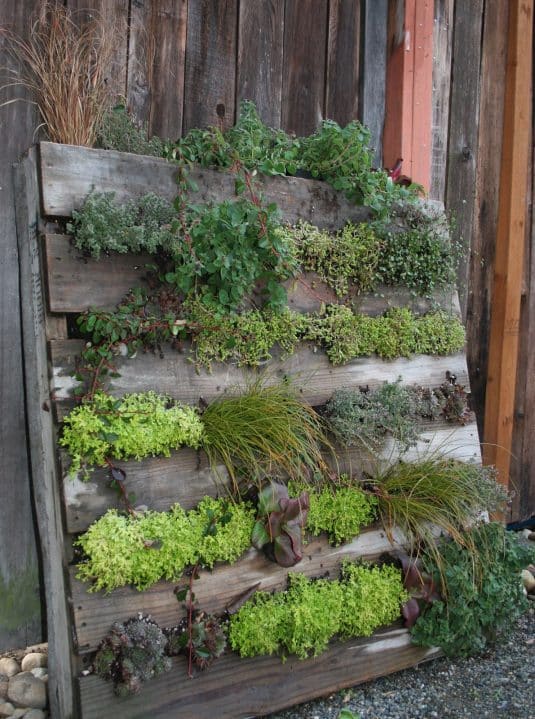
If you lack ground space, vertical gardening is the best way to grow plants efficiently while adding a beautiful, green aesthetic to your home.
It’s an excellent alternative for apartment dwellers, small backyards, and patios.
✔ Benefits of Vertical Gardening:
- Saves space by growing plants upwards.
- Prevents pests and diseases by improving airflow around plants.
- Easier to maintain (less bending and weeding required).
- Enhances urban environments with lush greenery.
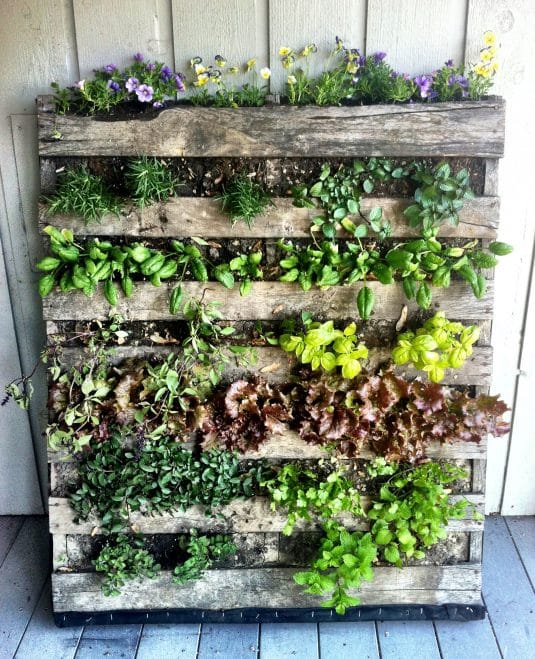
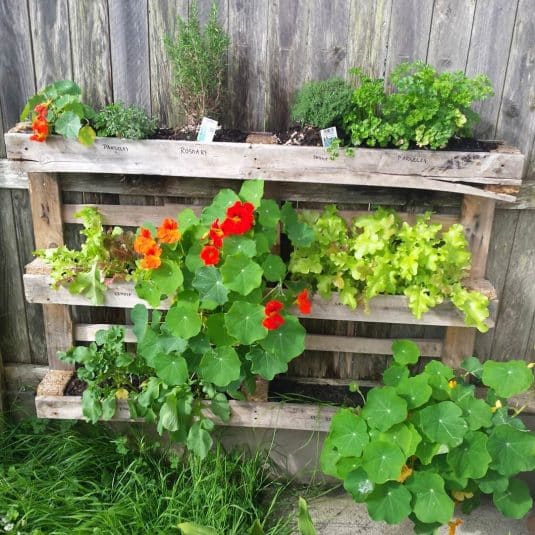
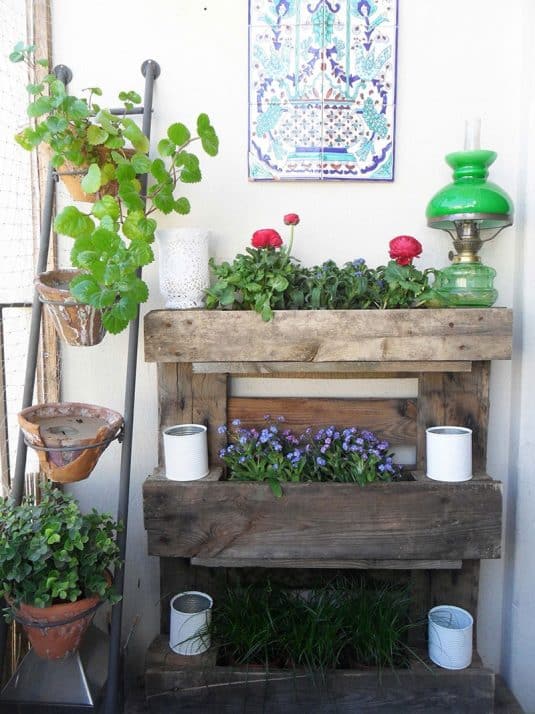
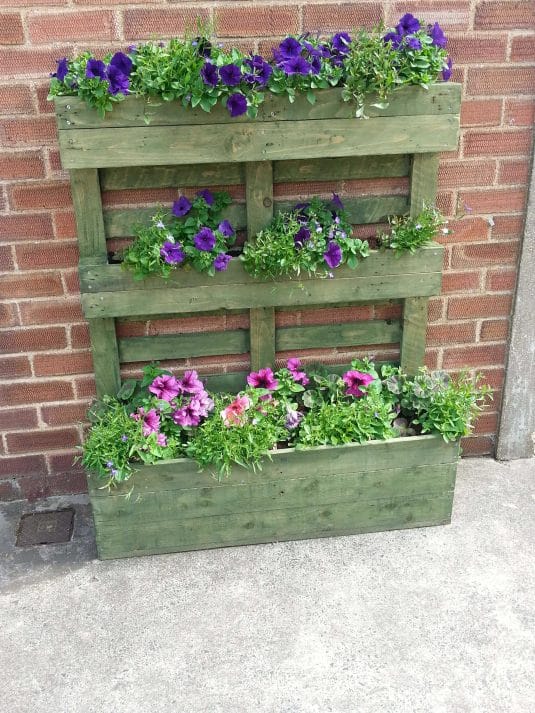
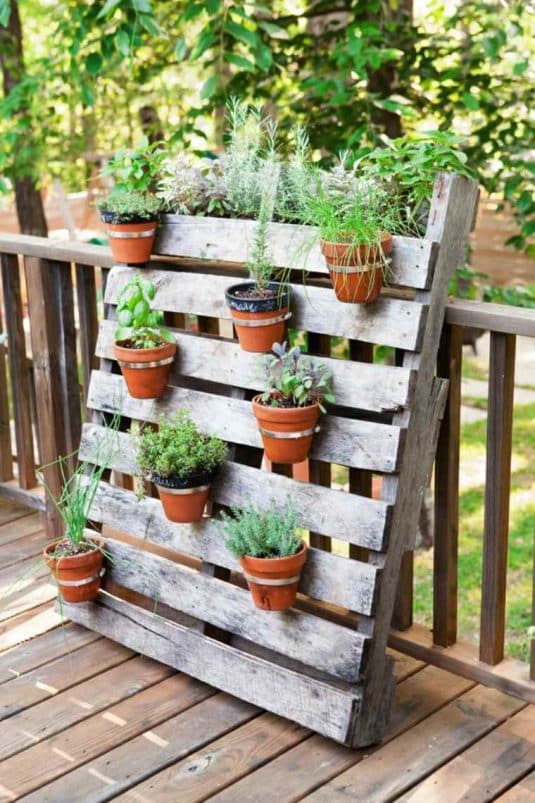
How to Create a DIY Pallet Vertical Garden
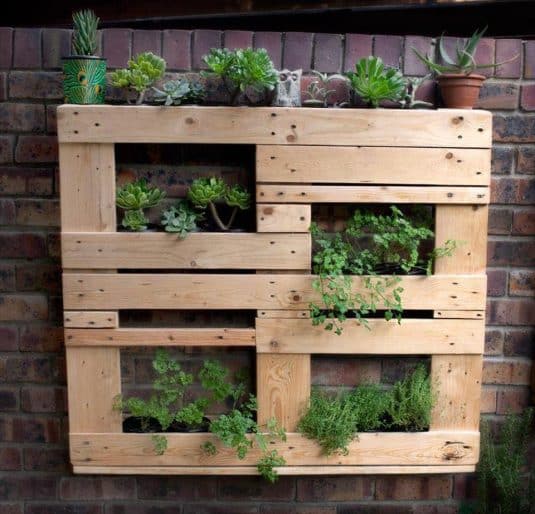
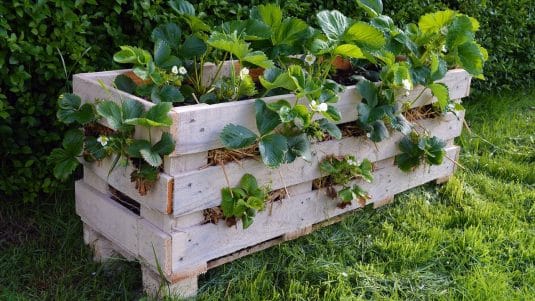
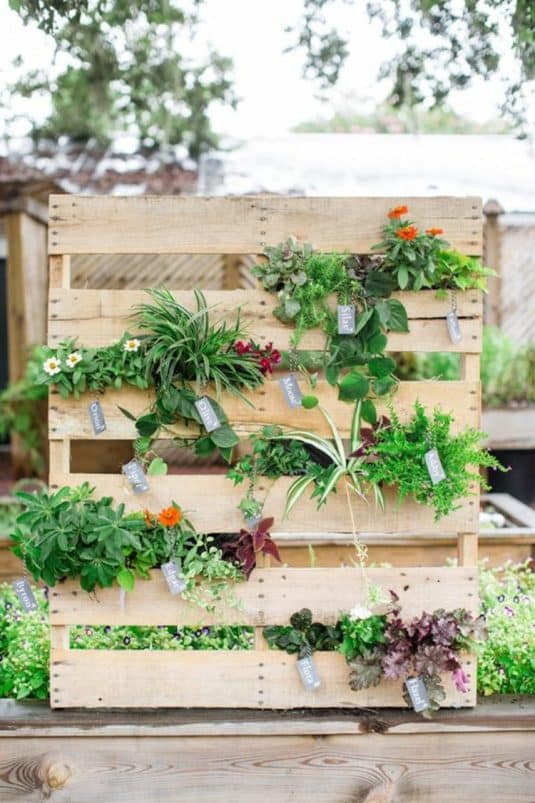
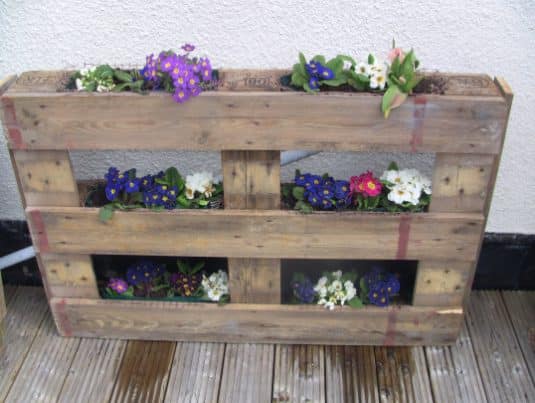
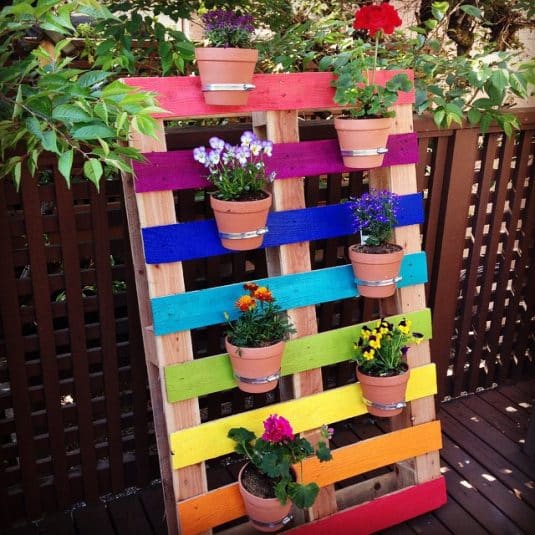
Want a budget-friendly, DIY vertical garden? A wooden pallet garden is an easy, affordable way to grow plants on a wall or fence.
Materials Needed:
✔ An old wooden pallet
✔ Landscaping fabric
✔ Staple gun
✔ Potting soil
✔ Plants (herbs, flowers, vegetables, or succulents)
Step-by-Step Instructions:
1️⃣ Prepare the Pallet
- Inspect the pallet for damaged wood or exposed nails.
- Remove any protruding nails and smooth rough edges with sandpaper.
- If using indoor pallets, ensure they are heat-treated (HT) and not chemically treated (MB) to avoid toxins.
2️⃣ Line the Back & Sides with Landscaping Fabric
- Cut a double layer of landscaping fabric to fit the back and sides of the pallet.
- Secure it with a staple gun to prevent soil from falling out.
3️⃣ Fill with Soil
- Lay the pallet flat on the ground before adding soil.
- Use nutrient-rich potting soil mixed with organic compost for better plant growth.
4️⃣ Plant Your Garden
- Choose plants wisely! Herbs, succulents, strawberries, lettuce, and flowers grow well in pallet gardens.
- Plant in the slats while leaving the top open for trailing plants like cherry tomatoes.
5️⃣ Let the Garden Settle
- Water gently and allow plants to settle for at least 1-2 weeks before standing the pallet upright.
- Once the roots establish, move it to your preferred vertical position.
💡 Bonus Tip: Attach hooks or small pots to the pallet for extra planting space!
Best Plants for Vertical Gardening
✔ Herbs: Basil, thyme, mint, parsley, oregano
✔ Vegetables: Lettuce, kale, cherry tomatoes, peppers
✔ Flowers: Marigolds, petunias, pansies, snapdragons
✔ Vines & Climbers: Cucumbers, beans, peas, ivy
🌱 Pro Tip: Use self-watering planters or a drip irrigation system for easy watering!
Companion Planting: Maximize Your Garden’s Potential
Companion planting is an intensive gardening technique that involves pairing plants together for mutual benefits.
Best Companion Planting Combinations:
✔ Tomatoes & Basil: Basil repels pests and enhances tomato flavor.
✔ Lettuce & Carrots: Lettuce provides shade for carrots.
✔ Cucumbers & Radishes: Radishes deter cucumber beetles.
✔ Beans & Corn: Beans fix nitrogen in the soil, benefiting corn.
💡 Tip: Avoid planting onions near beans as they inhibit each other’s growth.
Sustainable Watering Techniques for Vertical Gardens
Since vertical gardens dry out faster, efficient watering methods are essential.
✔ Drip Irrigation: Saves water by delivering moisture directly to plant roots.
✔ Self-Watering Planters: Perfect for balconies and patios.
✔ Rainwater Collection: Sustainable and free water source for your garden.
💡 Tip: Water in the early morning or late afternoon to reduce evaporation and keep plants hydrated longer!
Harvesting & Maintaining Your Intensive Garden
🌿 Harvest Frequently: Picking herbs and vegetables promotes continuous growth.
🌱 Trim Dead Leaves: Encourages new, healthy growth.
🔄 Rotate Crops: Prevents soil depletion and pest buildup.
💧 Monitor Moisture Levels: Vertical gardens dry out faster, so check soil moisture regularly.
By implementing intensive gardening and vertical gardening techniques, you can create a self-sustaining garden that provides fresh produce, improves the environment, and enhances your home—no matter how much space you have!