If you’ve ever wanted to enhance your landscape without breaking the bank, a dry river bed might be exactly what your yard needs.
This simple yet stylish garden feature mimics the natural look of a flowing river—without the water.
Not only is it affordable and relatively easy to install, but it also offers multiple practical benefits, from improving drainage to adding structure, texture, and visual interest to your outdoor space.
Whether your yard is sloped, flat, dry, or prone to puddling, a dry river bed can transform it into a breathtaking focal point.
With a little planning and effort, you can create a low-maintenance, natural-looking riverbed that blends seamlessly with your existing garden design.
In this article, you’ll learn what a dry river bed is, why it’s useful, how to build one step-by-step, and creative ways to personalize it with plants, rocks, and design elements.
What Is a Dry River Bed?
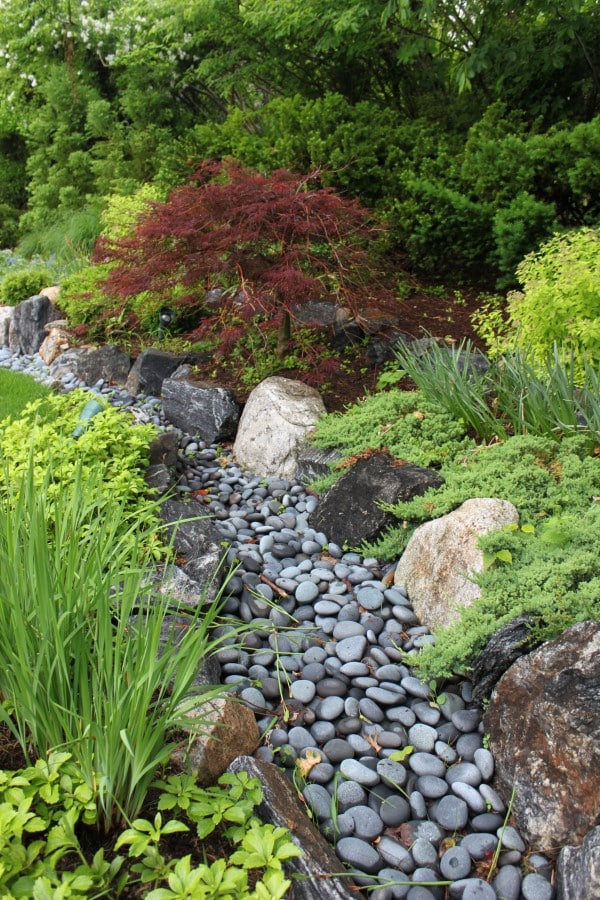
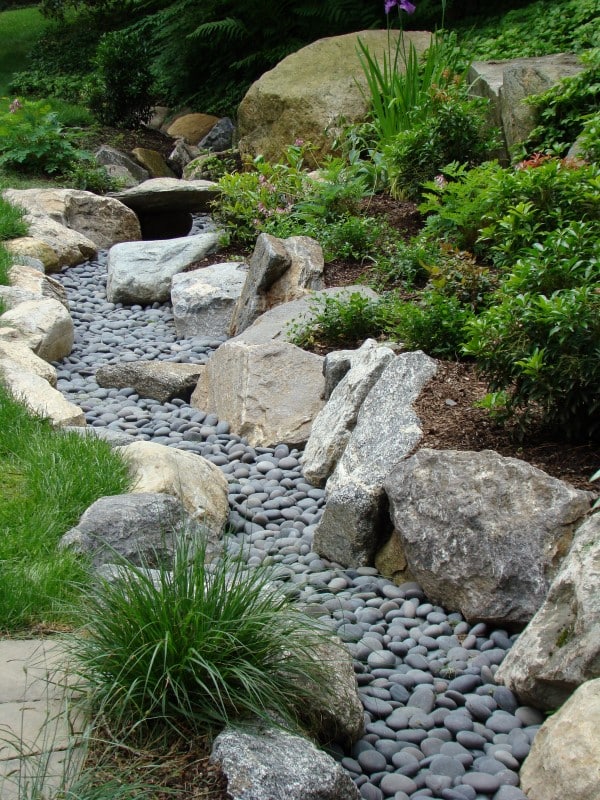
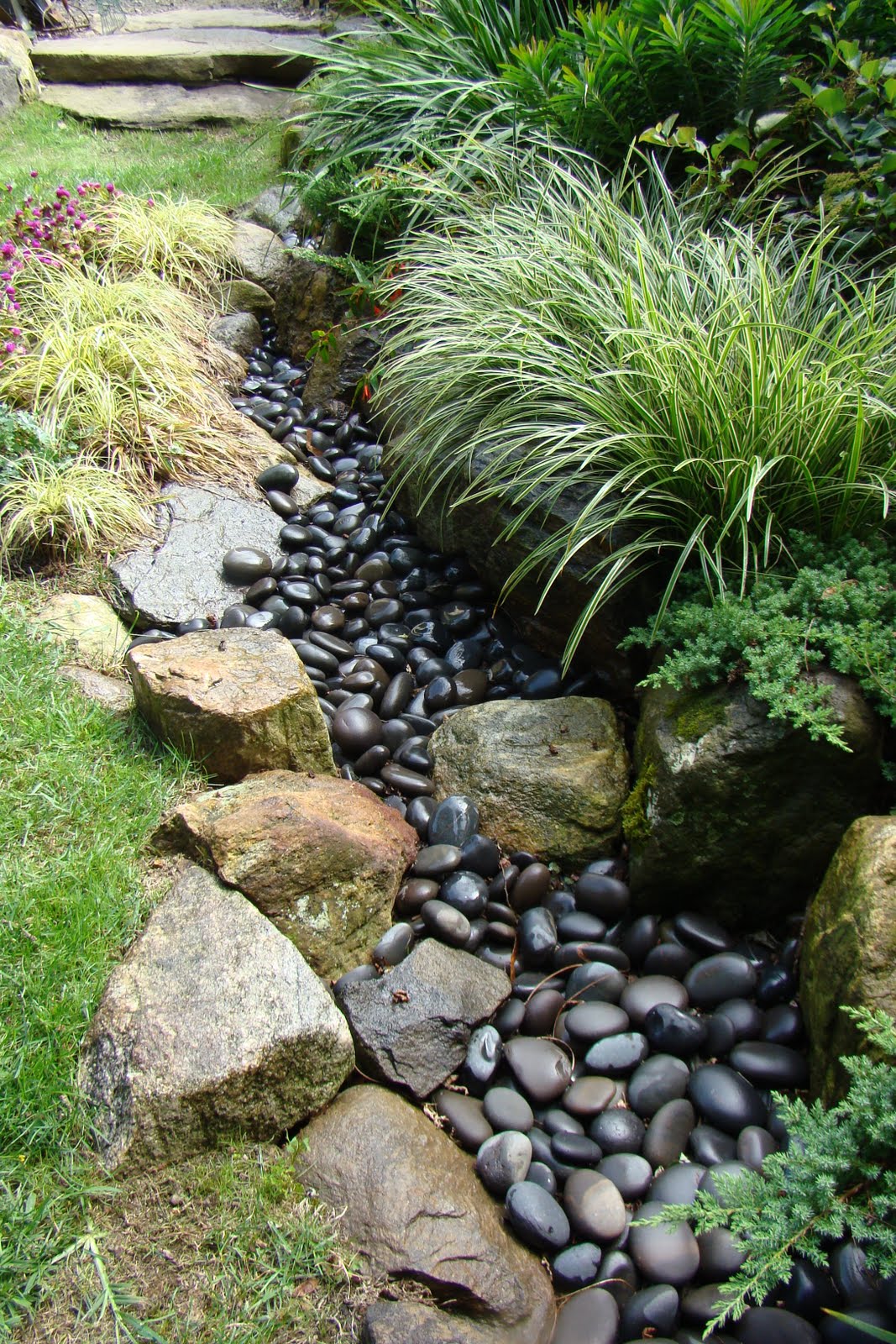
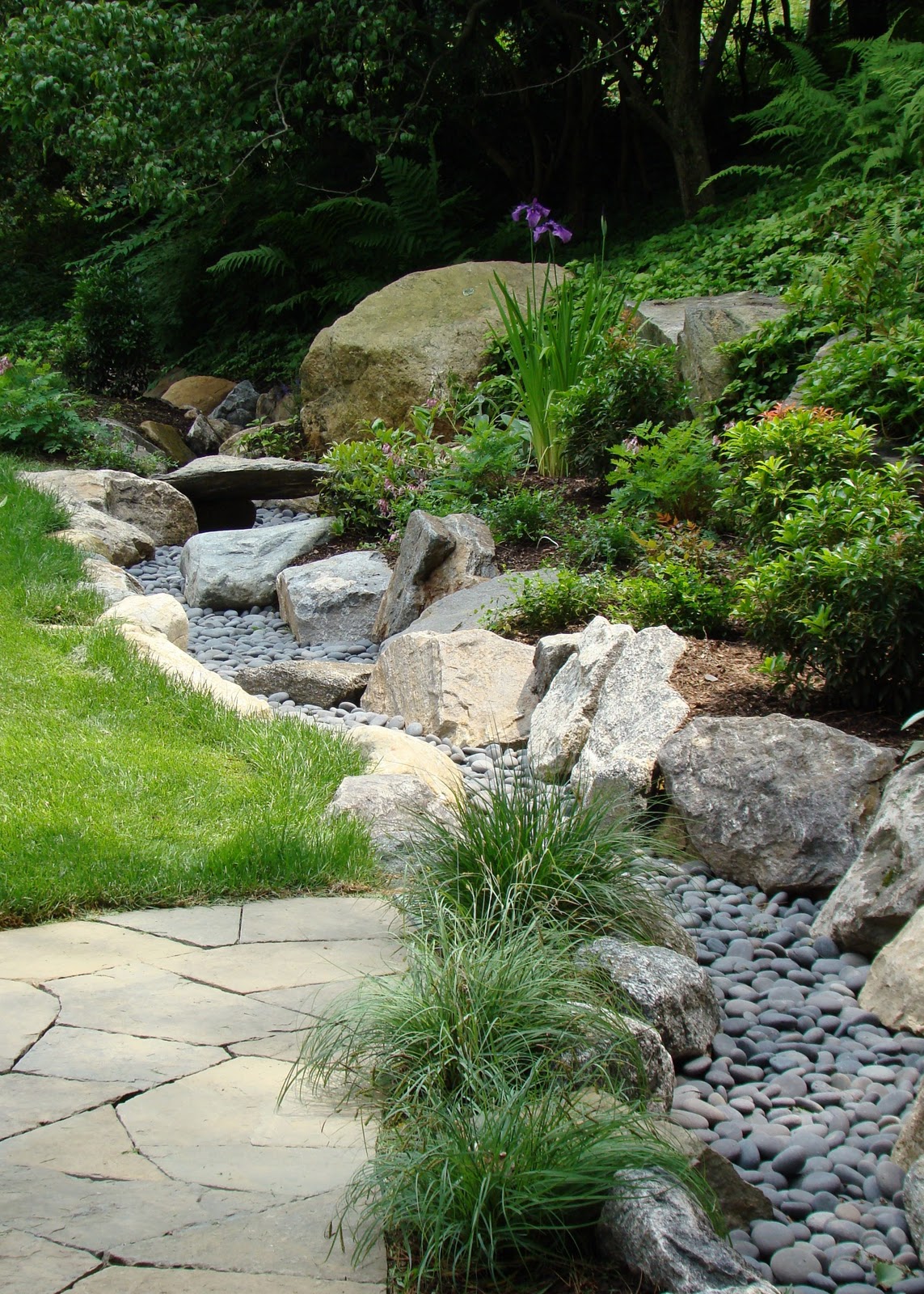
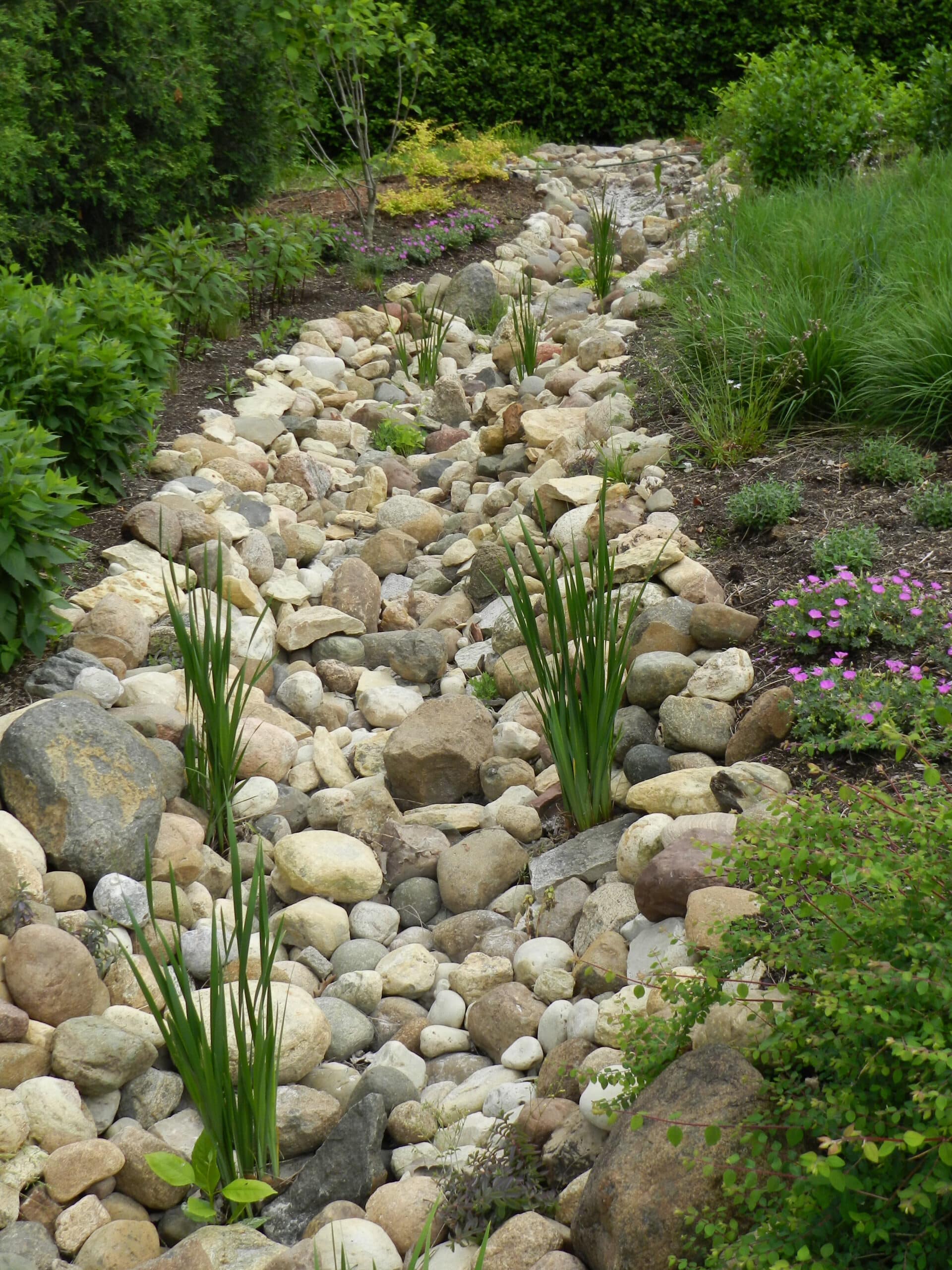
A dry river bed (also known as a dry stream bed or dry creek bed) is a landscape feature that simulates the look of a natural stream, but without water flowing through it.
It typically consists of rocks, gravel, pebbles, and sometimes boulders, arranged to resemble a flowing river.
Some designs include a gentle slope to guide rainwater and prevent erosion, while others are purely decorative.
Although it appears dry, a well-designed river bed can redirect stormwater, manage runoff, and reduce drainage issues in your yard.
It also adds aesthetic appeal year-round, especially in low-maintenance, drought-tolerant gardens.
Materials Needed
Creating a dry river bed doesn’t require many supplies. You can buy materials from garden centers or source them for free (or cheap) from local gravel yards, construction sites, or reuse centers.
Here’s what you’ll need:
-
Landscape fabric (to prevent weeds)
-
Large rocks or boulders (for edges and focal points)
-
Medium-sized river rocks
-
Small gravel or pebbles
-
Sand (optional, for leveling)
-
Shovel and rake
-
Wheelbarrow or buckets (to transport materials)
-
Optional: drought-tolerant plants, mulch, edging materials
How to Build a Dry River Bed: Step-by-Step
Step 1: Plan Your Design
Start by deciding where you want your river bed. If you’re solving a drainage issue, follow the natural path where water flows. Otherwise, design a curved, meandering line that mimics a natural creek.
Sketch your layout and mark it on the ground using a garden hose, rope, or spray paint. Consider varying the width and shape to make it look more natural.
Step 2: Dig the Trench
Using a shovel, dig a shallow trench along your marked line. Most dry river beds are 4–6 inches deep, though you can dig deeper if you’re managing heavy runoff.
Taper the edges for a natural look. Widen the trench where you want to simulate deeper pools or slower movement.
Step 3: Add Landscape Fabric
Once the trench is dug, lay landscape fabric across the entire bed. This step is crucial to prevent weeds from growing between the rocks. Secure the edges with landscape staples or by tucking them under the soil.
Step 4: Place Large Rocks and Boulders
Position your largest rocks or boulders first, especially along the edges of the bed. These anchor the design and give the impression of a natural watercourse.
Stagger the placement and tilt the rocks slightly toward the trench to enhance the look of flowing water.
Step 5: Add Medium Rocks and Gravel
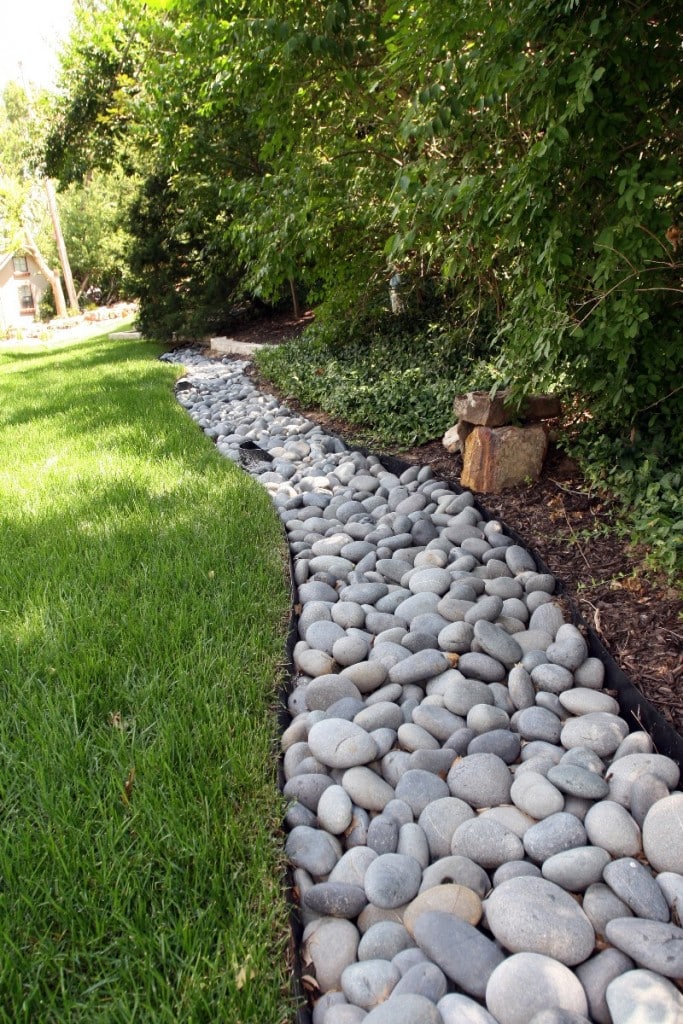
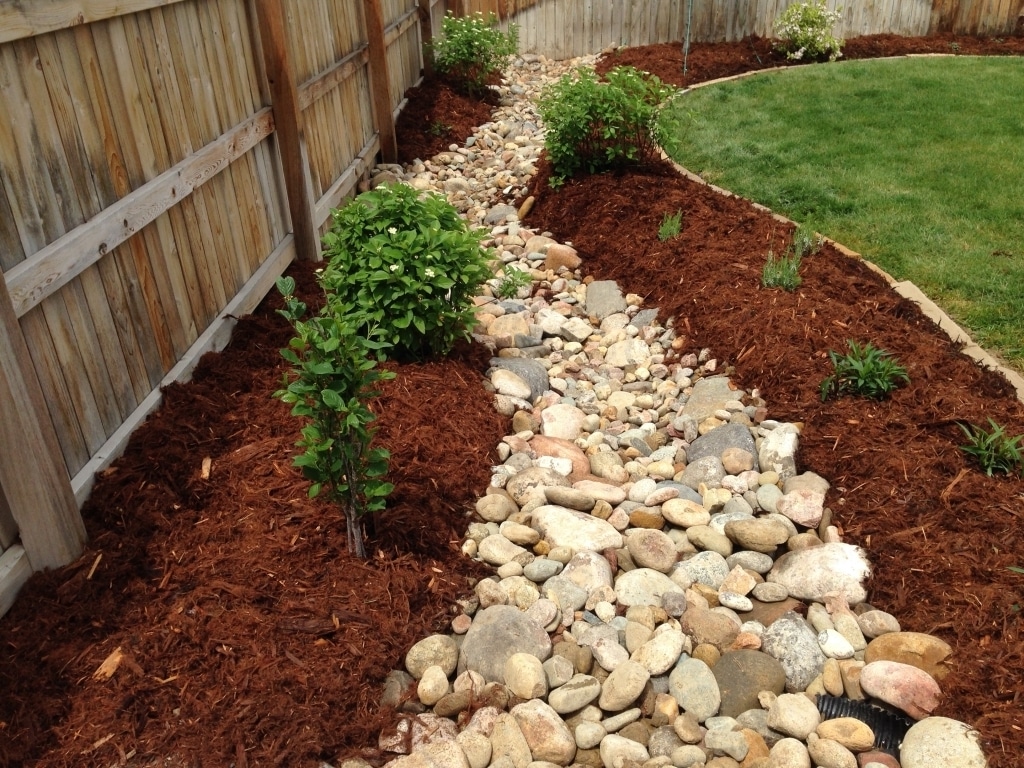
Next, fill in the trench with medium-sized river stones, followed by smaller gravel or pebbles. Create a visual flow by placing larger stones at the “banks” and using finer gravel in the “stream” center.
For a more realistic appearance, blend different sizes and colors of rock. Use your rake to shape and smooth the materials so they slope gently from the sides to the middle.
Step 6: Enhance with Plants (Optional)
To make your dry river bed look even more like a real stream, add plants along the edges.
Use drought-tolerant varieties such as ornamental grasses, sedum, lavender, creeping thyme, or succulents. You can also incorporate flowering perennials for seasonal color.
Plant taller grasses near the outer curves and low-growing groundcovers along the banks to create dimension.
Step 7: Finishing Touches
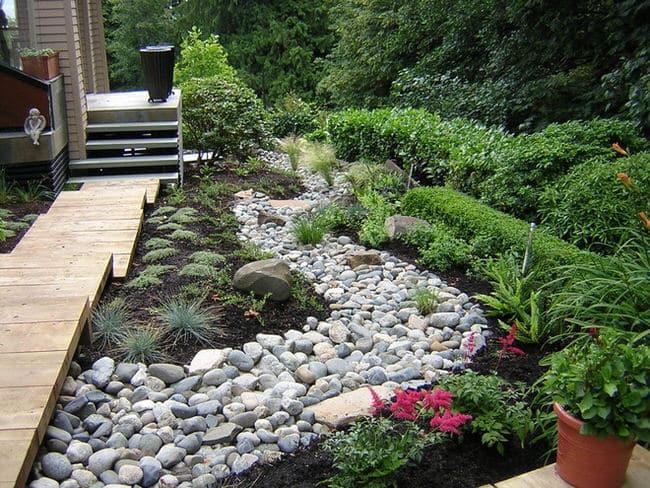
Add mulch or decorative bark around your planted areas. Place a few flat stepping stones nearby if you’d like it to serve as a garden path. For extra realism, you can even add driftwood, dry moss, or faux water features.
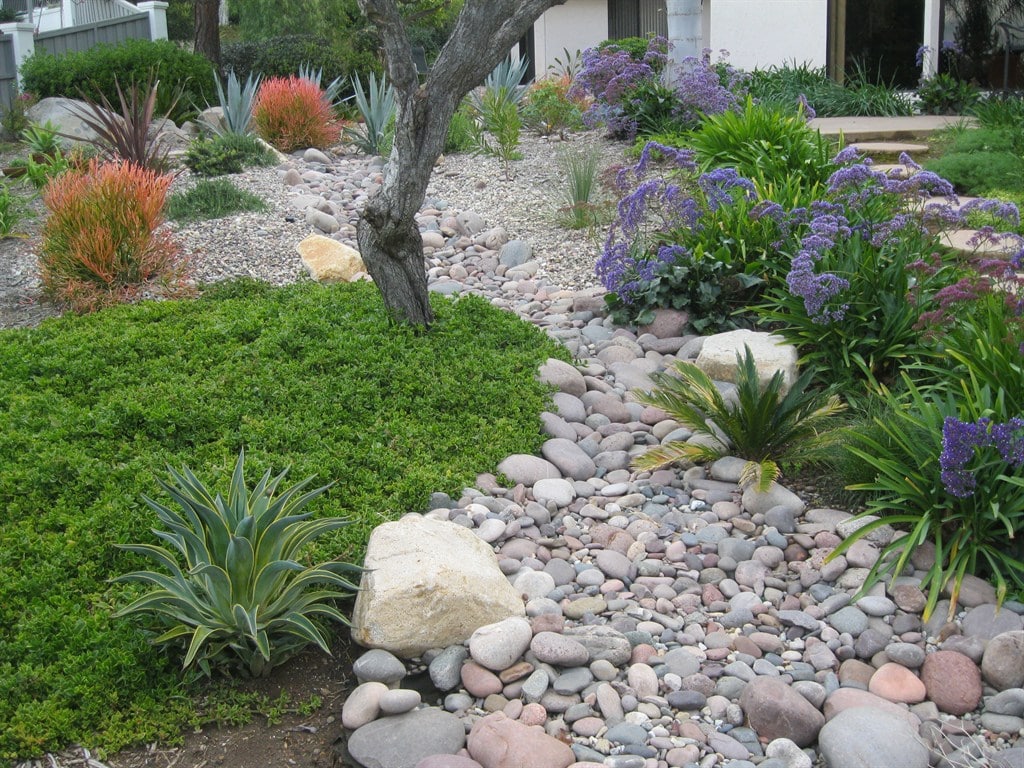
Creative Design Tips
-
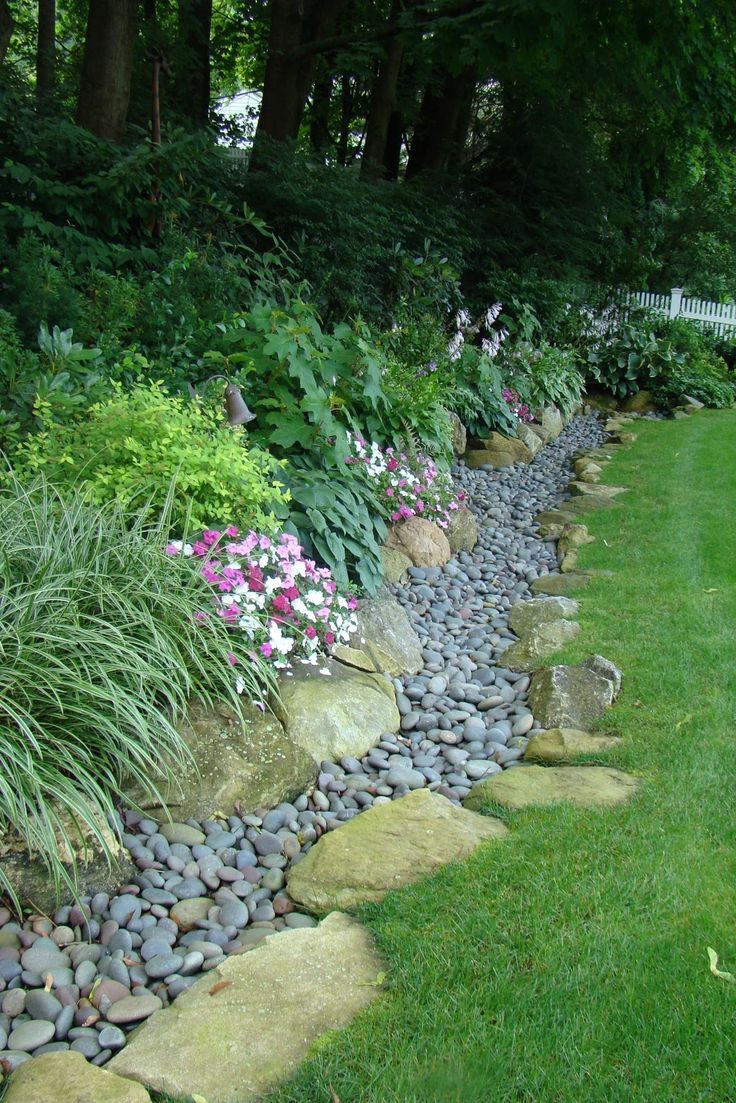
Curve your design rather than making it too straight. Natural streams bend and twist, so mimic that flow.
-
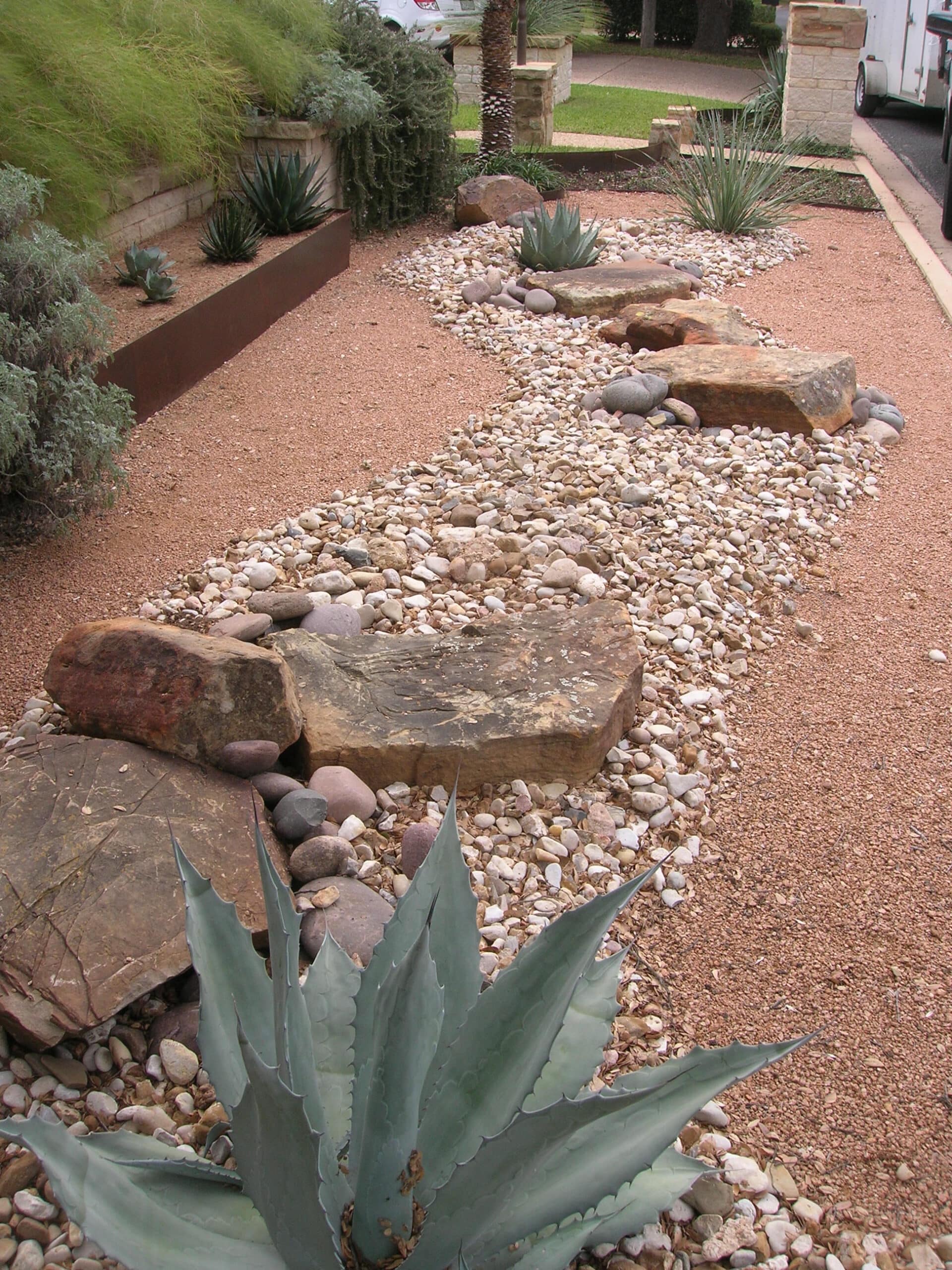
Vary the rock sizes to keep the river bed from looking too uniform or manmade.
-
Consider adding a “dry waterfall” effect with large stones at the start or end of the stream to mimic cascading water.
-
Use lighting—like solar garden lights or low-voltage landscape lighting—to make the feature stand out at night.
-
Try combining it with rain chains or rain barrels for functional stormwater harvesting.
Maintenance Tips
Your dry river bed won’t need much maintenance, but there are a few things you can do to keep it looking fresh:
-
Remove weeds or grass that may push through over time.
-
Reposition rocks if they shift during heavy rains.
-
Top up the gravel every year or two if it settles.
-
Trim nearby plants to prevent overgrowth.
-
Rinse off dust or debris during dry spells for a cleaner look.
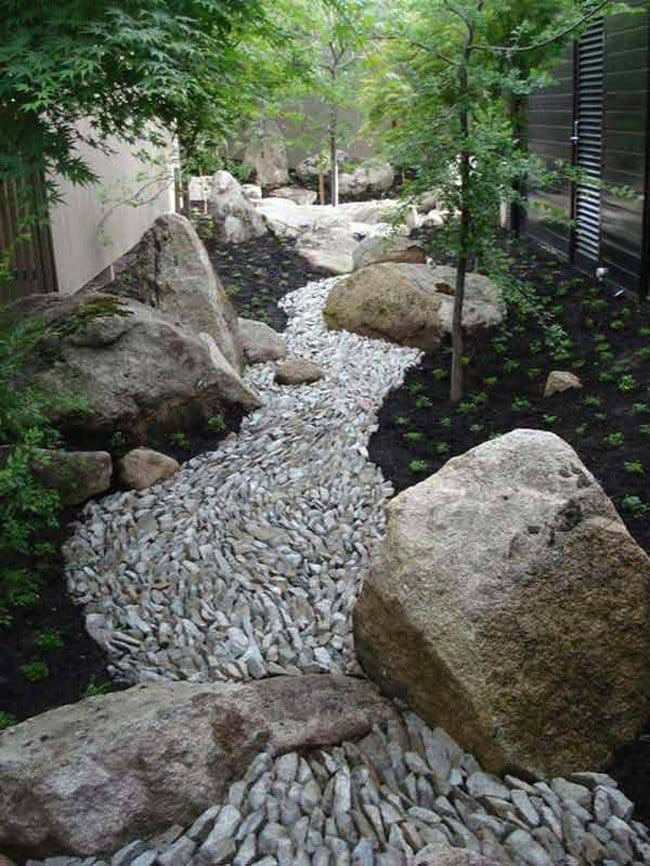
A dry river bed is one of the easiest and most affordable ways to enhance your landscape.
It brings the beauty of nature into your yard, adds texture and depth, and serves a functional purpose if your property experiences drainage issues.
With just a weekend of work and a few basic supplies, you can build a feature that looks professional, yet remains low-maintenance and long-lasting.
Whether you want a charming garden accent or a practical solution to runoff, a dry stream bed offers a stunning way to transform your outdoor space—without needing running water at all.