Vertical gardening has become one of the most innovative and effective methods for growing edible plants—especially in urban or small garden settings.
Whether you’re working with a balcony, patio, or limited backyard space, vertical gardening allows you to maximize your harvest while minimizing space, pests, and effort.
By training plants to grow upward instead of outward, you not only save room, but you also improve air circulation, reduce disease, keep fruits off the damp soil, and make harvesting much more convenient.
From tomatoes and cucumbers to beans, melons, and herbs, many crops can thrive vertically with just a little structure and creativity.
In this guide, you’ll discover the benefits of growing food vertically, the top edible plants to grow up rather than out, and creative vertical garden ideas to turn your space into a productive, attractive green wall of edibles.
Benefits of Growing Edible Plants Vertically
Vertical gardening isn’t just about saving space—it comes with a host of practical and aesthetic advantages:
-
Improved air circulation around plants reduces fungal diseases
-
Better sun exposure for foliage and fruits
-
Easier harvesting since fruits hang freely and are more accessible
-
Reduced pest issues, especially soil-dwelling pests like slugs and snails
-
Tidier and more organized gardens
-
Creative use of structures like fences, arches, walls, and trellises
-
Double the planting space—you can grow crops beneath climbing ones
Let’s explore some of the best edible crops to grow vertically, and how to do it effectively.
Tomatoes
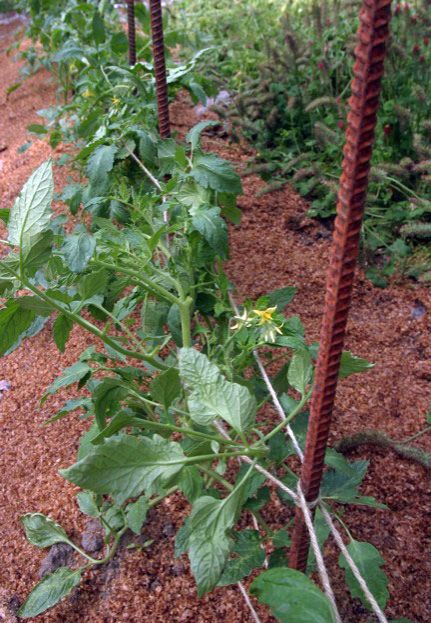
Tomatoes are one of the most popular vertical garden crops—but traditional tomato cages can be bulky and ineffective for tall or indeterminate varieties. As plants grow taller, cages may collapse under the weight.
Vertical growing techniques for tomatoes:
-
String Method: Anchor a string above the plant (on a beam, pole, or frame) and gently twist the growing tomato vine around it. Prune regularly to encourage a single leading stem.
-
Weave System: Use wooden or metal stakes set in rows, then tie heavy-duty garden twine around them at intervals as the plant grows. This creates a woven support that keeps the vines upright.
-
Trellis Wall: Build a mesh or lattice wall for multiple tomato plants to climb with clips or ties for support.
These methods keep fruit off the ground and make pruning, watering, and harvesting much easier.
Cucumbers
Cucumbers can quickly overrun garden beds if left to sprawl, but they’re perfectly suited for vertical growing. When trained to climb, cucumbers produce straighter fruit, are easier to spot and pick, and stay cleaner.
How to grow cucumbers vertically:
-
Cucumber Arch: Build a simple arch using garden stakes and sturdy fencing or metal mesh. This creates a tunnel of cucumbers and adds dramatic visual appeal.
-
Trellis Netting: Use soft netting or wire fencing against a wall or between posts.
-
A-Frame Support: A two-sided wooden A-frame can support multiple vines on each side.
Bonus: You can plant shade-loving greens like lettuce or spinach underneath a cucumber arch, making smart use of the shaded space below.
Pole Beans and Peas
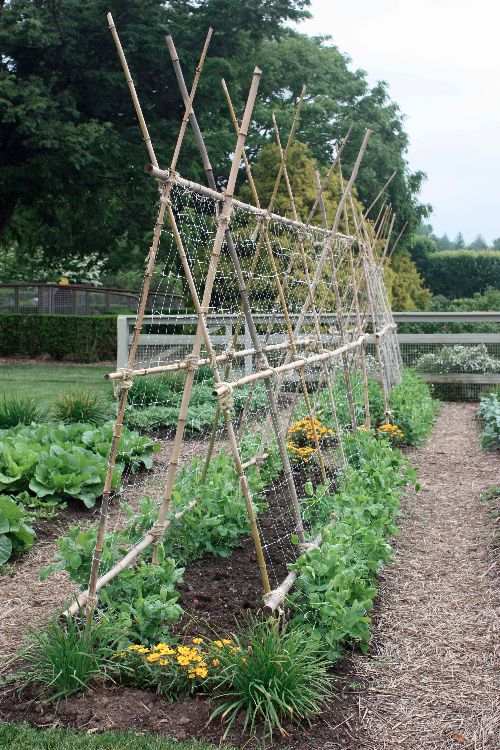
These climbing legumes are natural vertical growers. Pole beans and climbing peas send out tendrils to cling and climb any nearby support, making them some of the easiest vertical crops.
How to support beans and peas:
-
Bamboo Teepee: Tie three or four bamboo canes together at the top and plant around the base.
-
String Trellis: Use twine or jute lines against a wooden frame or fence.
-
Panel Trellis: Lean a panel of wire fencing against a wall or support with posts.
Tip: Sow peas early in spring, then switch to pole beans as temperatures rise. Plant in succession every few weeks to extend your harvest season.
Squash and Melons
Most people think large vining crops like squash, melons, and pumpkins need sprawling garden space, but many of these can be trained upward with the right support.
How to grow squash and melons vertically:
-
Strong Trellis: Use reinforced wood or metal trellises that can bear the weight of fruit.
-
Tie Plants Loosely: Use fabric ties or garden twine to train stems upward without damaging them.
-
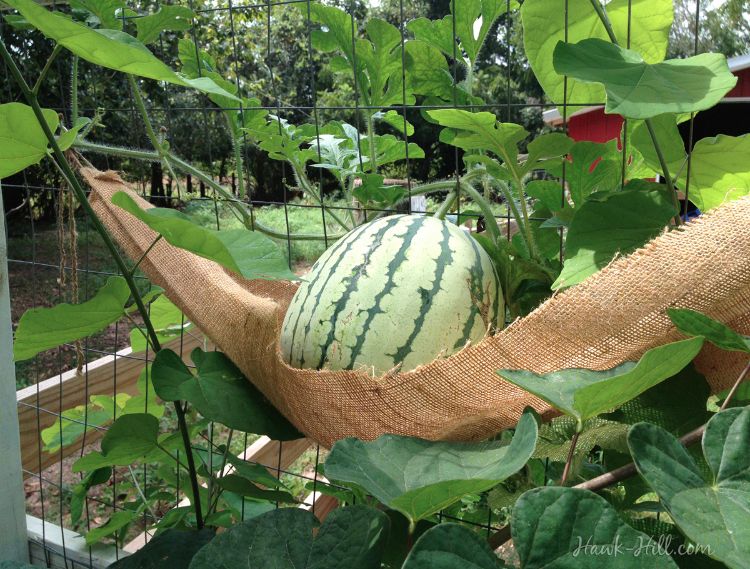
Fruit Slings: For heavy crops like watermelon, winter squash, and cantaloupe, use soft slings made of old T-shirts or pantyhose to support ripening fruit and prevent breakage.
Vertical growth reduces ground rot and makes large fruit easier to monitor and harvest.
Vertical Garden Ideas: Functional and Beautiful
Looking for inspiration to turn your space into a vertical edible oasis? These ideas combine creativity, practicality, and aesthetic appeal.
1. Galvanized Steel Raised Beds with Trellises
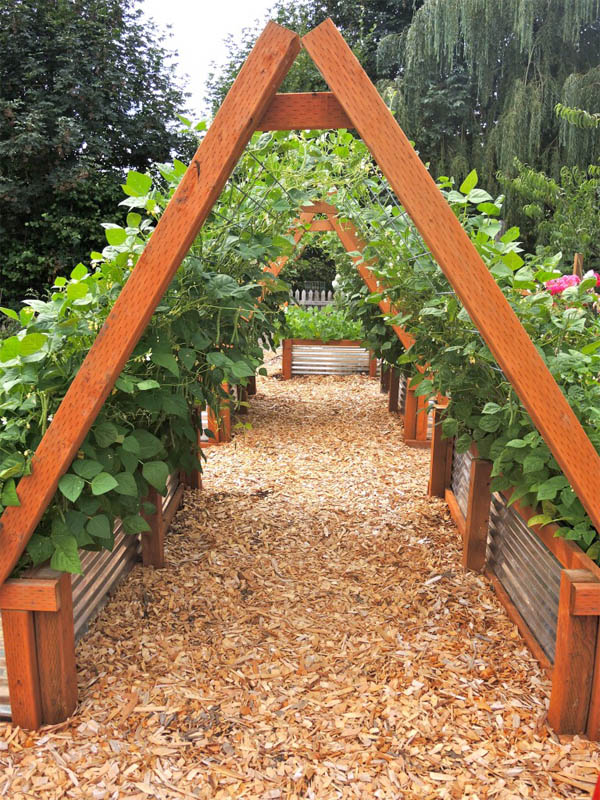
Attach a steel mesh or panel to raised metal beds to allow cucumbers, peas, and tomatoes to climb. These raised beds are sleek, durable, and perfect for modern gardens.
2. Wooden Box Gardens
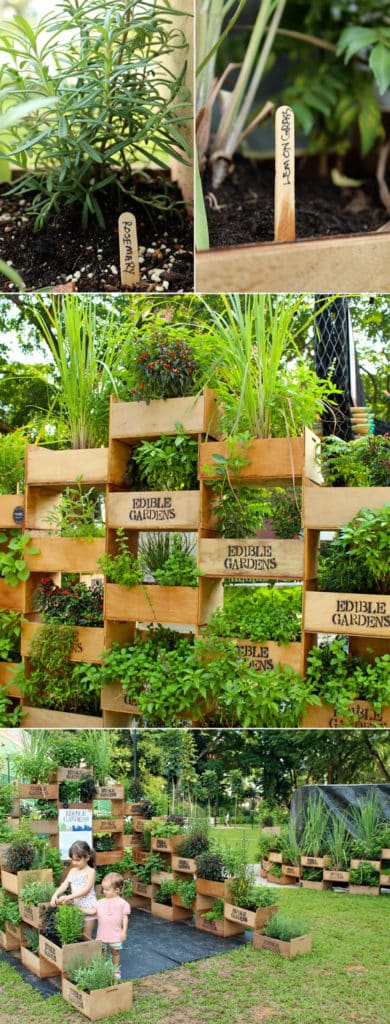
Stackable wooden planter boxes can be arranged vertically or stair-stepped. Great for herbs, strawberries, and shallow-rooted greens.
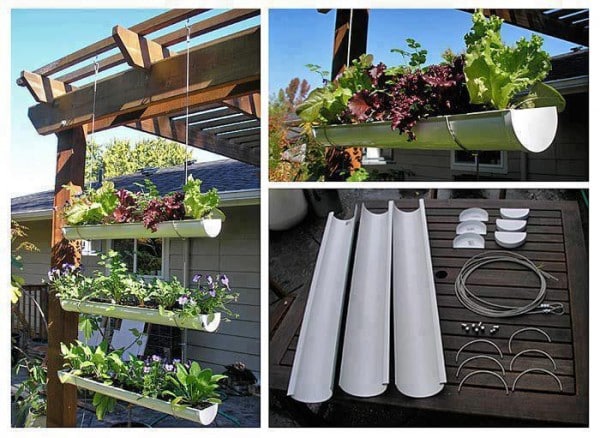
3. Hanging Gutter Gardens
Mount old rain gutters horizontally to a fence or wall and fill them with soil for a layered herb or lettuce garden. Perfect for patios and balconies.
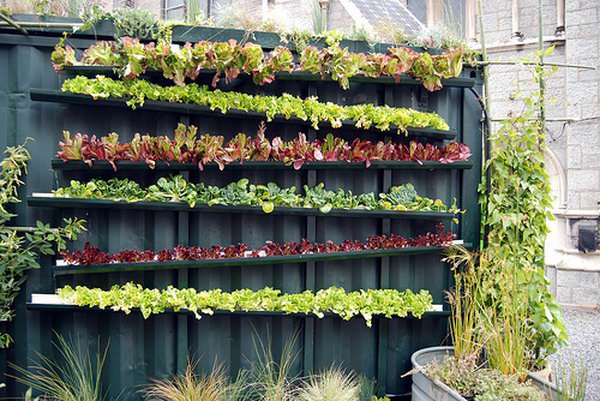
4. Real Vertical Farm Setup
Build a multi-tiered shelving unit or hydroponic vertical farm wall for a full production-style garden. Ideal for serious growers or indoor-outdoor growing systems.
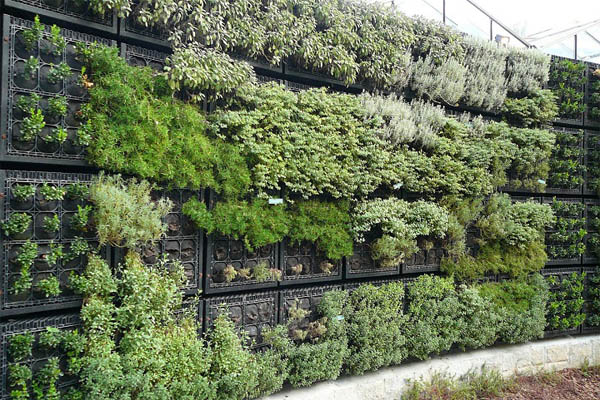
5. Botanic Vertical Gardens (Green Walls)
Install wall-mounted planters or vertical garden kits with pockets to grow mixed vegetables and herbs. These lush, living walls look stunning and produce year-round with care.
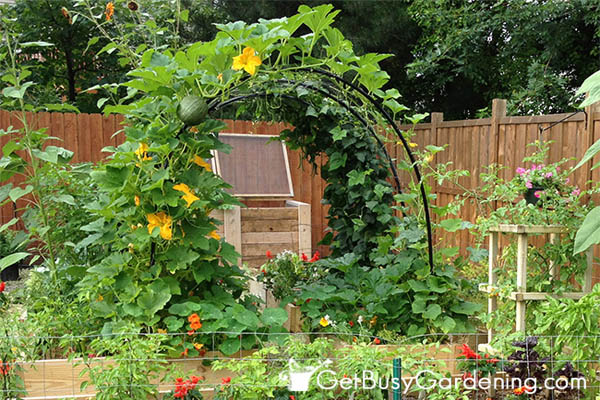
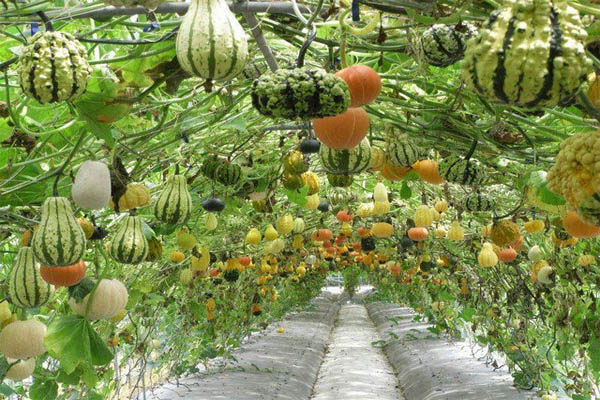
6. Squash Arch or Tunnel
A stunning feature for any garden, a sturdy arch supports vining squash while creating an attractive shaded walkway.
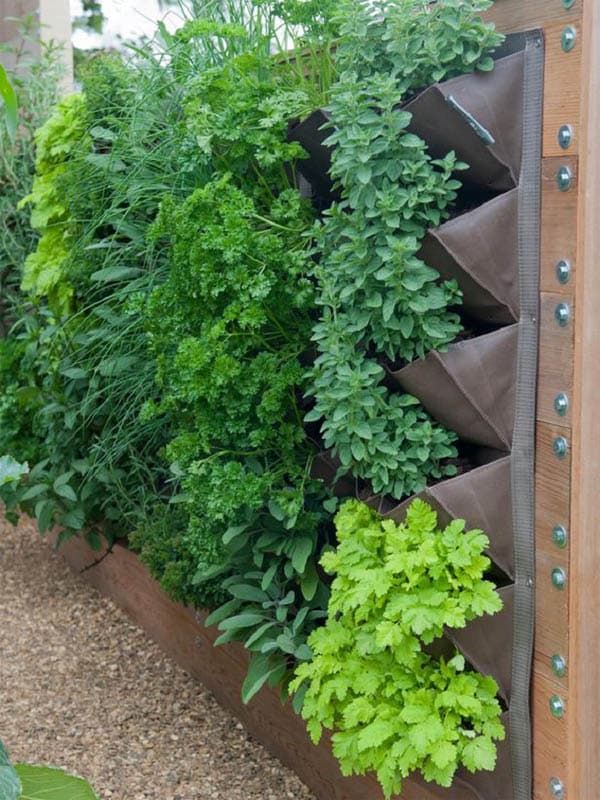
7. Pocket Planter Full of Herbs
Hang fabric wall planters with pockets filled with different herbs. Ideal for kitchen gardens or apartment balconies.
8. Vertical Vegetable Wall with Pumpkins, Gourds & Kumquats
Train these vining plants to grow up walls or large mesh fences. This setup creates a productive and decorative vertical garden.
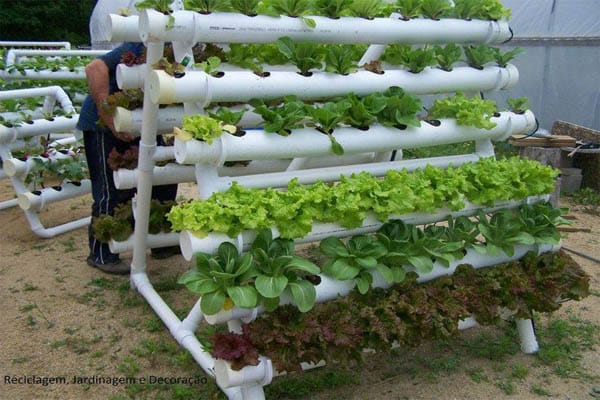
9. PVC Pipe Vertical Garden
Use vertical or horizontal PVC tubes with cut-outs to plant strawberries, lettuce, and herbs. Lightweight, inexpensive, and ideal for balcony growing.
Vertical gardening opens a world of possibilities for growing fresh, healthy food in small or unconventional spaces.
It brings together efficiency, aesthetics, and productivity, making it ideal for city dwellers, container gardeners, or anyone looking to make their garden more dynamic and fruitful.
By choosing the right plants and structures, and incorporating smart, vertical-friendly designs, you can enjoy bountiful harvests with less space, fewer pests, and easier maintenance.
So whether you’re looking to expand your garden or reinvent a small space, vertical gardening offers an inspiring and practical solution. Start growing up—not out—and transform your garden into a lush, space-savvy paradise.