Perennials are often praised for being low-maintenance plants that return year after year. But there’s an important truth many gardeners learn the hard way: perennials don’t thrive forever if they’re never divided.
When perennial clumps are left untouched for too long, they slowly become crowded, exhausted, and less productive.
Flowering declines, stems weaken, centers die out, and plants that once looked lush start to struggle. By the time summer arrives, it’s often too late to fix the problem.
Late winter to very early spring – before March in most climates – is one of the most important windows for dividing many popular perennials.
At this stage, plants are still dormant or just beginning to wake up. Their energy is stored in the roots, not the leaves, which means division causes minimal stress and leads to faster recovery.
If you divide the right perennials now, they’ll grow stronger, bloom better, and stay healthy for years to come. If you skip it, many will spend the entire season fighting overcrowding instead of thriving.
Here’s why division matters so much, how to do it correctly, and which perennials should be divided before March to prevent weak, crowded growth.
Why Dividing Perennials Is So Important
Perennials grow by expanding outward from a central crown or rhizome. Over time, that expansion creates competition within the plant itself.
When perennials aren’t divided, several problems develop:
- The center of the plant becomes woody, compacted, or dies out entirely
- Roots compete for water and nutrients
- Flowering decreases or stops
- Stems become thin and floppy
- Disease and pests spread more easily
- Plants struggle during heat or drought
Division resets the plant’s growth cycle. It restores spacing, improves airflow, rejuvenates the root system, and redirects energy into fresh growth.
Think of division as preventive care, not a rescue tactic.
Why Late Winter and Early Spring Are Ideal for Division
Dividing perennials before March works so well because plants are dormant or barely active.
At this stage:
- Roots contain stored energy
- Top growth is minimal or nonexistent
- Moist soil reduces transplant shock
- Cool temperatures slow water loss
- Plants establish before summer heat
Once leaves fully emerge, division becomes more stressful. In summer, it can seriously weaken plants or cause losses.
Early division gives perennials a head start so they grow stronger instead of struggling to recover.
Signs a Perennial Needs Dividing
You don’t have to guess. Perennials give clear signals when they’re overdue for division.
Watch for:
- Fewer flowers each year
- A dead or empty center
- Crowded clumps pushing outward
- Stems flopping over
- Reduced vigor despite good care
- Plants encroaching on neighbors
If you see one or more of these signs, division isn’t optional – it’s necessary.
Perennials You Should Divide Before March
Not all perennials need frequent division, but many of the most common garden plants benefit enormously from early spring splitting.
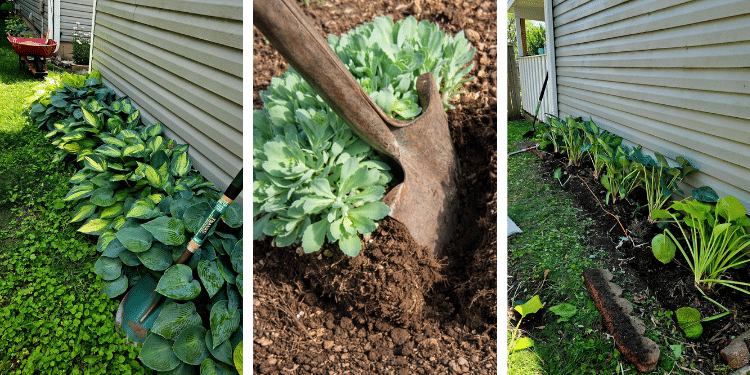
Hostas
Hostas are famous for tolerating shade and neglect, but even they decline when overcrowded. As clumps expand, the center often weakens while outer growth becomes crowded.
Dividing hostas before leaves fully emerge allows you to see the crown structure clearly. Each division should have several healthy shoots and a solid root mass. Early division leads to fuller plants with better leaf size and color.
Left undivided, hostas become smaller, stressed, and more susceptible to slugs and disease.
Daylilies
Daylilies are tough, but they aren’t immune to overcrowding. Large clumps often bloom poorly and produce thin stems when left untouched.
Early spring division restores spacing and encourages heavier flowering. Even divisions with just a few fans establish quickly when planted before active growth begins.
If daylilies aren’t divided every few years, they often stop blooming altogether.
Bearded Iris
Bearded iris are especially sensitive to crowding. Their rhizomes grow outward, and older sections in the center stop producing flowers.
Dividing iris before March allows new rhizomes to establish before blooming season. Each healthy division should have firm rhizomes and visible leaf fans.
If left overcrowded, iris often produce lush foliage with few or no blooms.
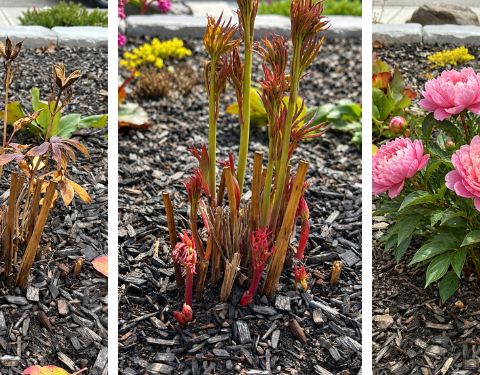
Peonies (Only If Necessary)
Peonies dislike disturbance, but mature clumps that stop blooming may benefit from careful division.
Early spring is the only acceptable time if division is necessary. Each division must include several healthy eyes and strong roots.
Peonies may take a year or two to rebloom after division, but overcrowded plants will eventually decline if ignored.
Ornamental Grasses (Clump-Forming Types)
Many ornamental grasses become woody and dead in the center if not divided. New growth appears around the edges while the middle collapses.
Early spring division rejuvenates grasses and restores upright form. Cut back old growth first, then split the clump into manageable sections.
Undivided grasses often flop, thin out, and lose visual appeal.
Shasta Daisies
Shasta daisies lose vigor quickly when crowded. Flower size shrinks, stems weaken, and blooming becomes sparse.
Dividing before March encourages compact growth and strong flowering later in the season. Each division should include healthy roots and shoots.
If skipped, daisies often become short-lived and unattractive.
Coneflowers (Echinacea)
Coneflowers don’t always need frequent division, but crowded clumps benefit from early spring splitting.
Division improves airflow, reduces disease risk, and increases flower production. It also prevents overcrowding that leads to weak stems.
Left undivided too long, coneflowers can thin out and decline unexpectedly.
Black-Eyed Susans
These fast-growing perennials spread aggressively and crowd themselves quickly.
Dividing before March keeps them vigorous and prevents them from overtaking nearby plants. Early division also leads to sturdier stems and better flowering.
Without division, they often become floppy and disease-prone.
Bee Balm
Bee balm spreads through underground rhizomes and becomes congested fast. Overcrowding leads to poor airflow and increased powdery mildew.
Early spring division improves circulation and reduces disease. Divisions establish quickly and bloom well the same season.
Undivided bee balm often looks lush early, then collapses mid-summer.
Phlox (Garden Phlox)
Garden phlox declines rapidly when crowded. Flowering weakens, mildew increases, and plants lose vigor.
Dividing before March rejuvenates growth and improves airflow. Healthy divisions produce stronger stems and fuller blooms.
Skipping division often results in thin, disease-ridden plants.
Yarrow
Yarrow spreads outward and becomes woody in the center if left alone.
Early division restores dense growth and improves flowering. It also prevents yarrow from becoming invasive in smaller gardens.
Undivided yarrow often looks sparse and untidy.
Coreopsis
Coreopsis benefits from periodic division to maintain compact shape and abundant blooms.
Early spring division encourages bushier plants and longer flowering. Without it, plants often thin out and lose vigor after a few seasons.
Perennials You Should NOT Divide Before March
Some perennials prefer warmer conditions or bloom on early growth and shouldn’t be divided now.
Avoid early division of:
- Spring-blooming bulbs
- Lavender (divide only after bloom if needed)
- Woody perennials with active growth
- Fall-dividing specialists
Knowing which plants to leave alone is just as important as knowing which to divide.
How to Divide Perennials Correctly
Division is simple, but technique matters.
Start by digging the entire clump, lifting as much of the root system as possible. Shake or rinse off excess soil so you can see the root structure clearly.
Use a sharp spade or clean knife to split the clump into sections. Each division should include healthy roots and at least one visible growing point.
Discard old, woody, or diseased sections – especially from the center.
Replant divisions immediately at the same depth they were growing before. Water thoroughly to settle soil around the roots.
How Far Apart to Replant Divisions
Spacing matters.
Crowding plants again defeats the purpose of division. Follow recommended spacing for each plant type, and err on the side of more room rather than less.
Good spacing improves airflow, reduces disease, and allows roots to expand freely.
What to Expect After Dividing
Most perennials show little to no setback when divided early.
In fact, many respond with:
- Stronger stems
- Improved flowering
- Healthier foliage
- Faster establishment
- Longer lifespan
Some plants may take a few weeks to fully rebound, but the long-term benefits far outweigh the short adjustment period.
Common Mistakes That Weaken Divided Plants
- Dividing too late in spring
- Leaving divisions too small
- Replanting too deeply
- Allowing roots to dry out
- Failing to water after planting
- Overcrowding again
Avoiding these mistakes ensures success.
Perennials are generous plants, but they need occasional renewal to stay strong.
Dividing the right perennials before March prevents overcrowding, restores vigor, and sets the stage for a healthier growing season.