Hydrangeas are beloved for their large, showy blooms and vibrant colors, making them a perfect choice for creating a dreamy garden landscape.
With their versatility and striking beauty, hydrangeas can be used in various ways to enhance your garden.
Here are some inspiring hydrangea landscape ideas to help you create a picturesque and enchanting garden.
1. Hydrangea Hedges
Why It Works
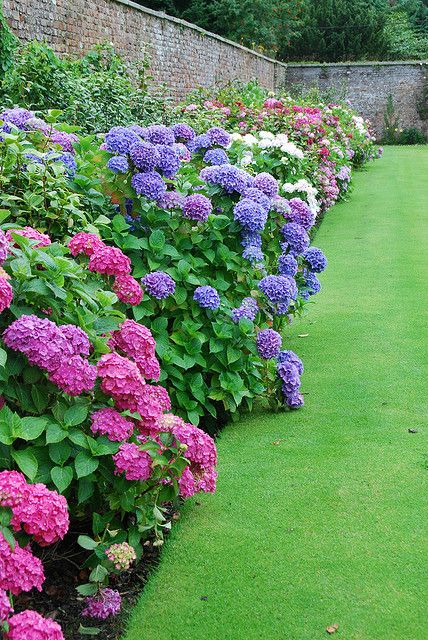
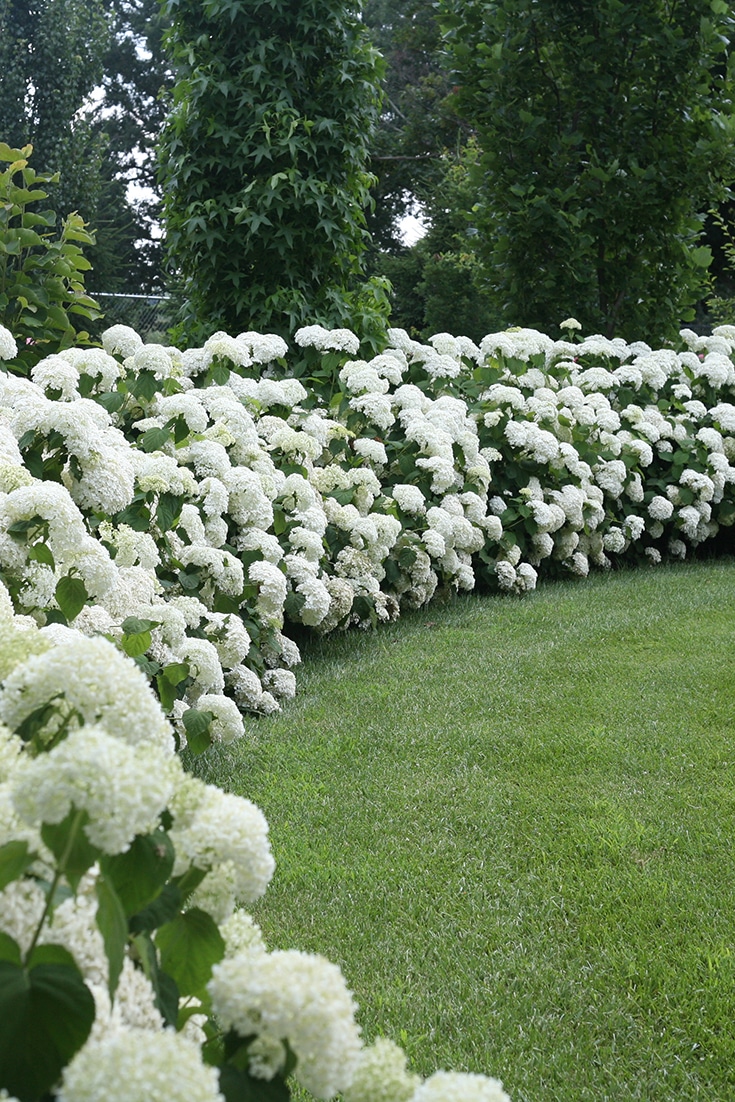
Hydrangea hedges create a stunning visual barrier and add a lush, colorful backdrop to your garden. They can be used to define boundaries, provide privacy, or frame pathways.
Tips for Planting:
- Variety: Choose Hydrangea macrophylla (bigleaf hydrangea) or Hydrangea paniculata (panicle hydrangea) for dense, impactful hedges.
- Spacing: Plant hydrangeas 3-4 feet apart to allow room for growth.
- Pruning: Regular pruning helps maintain the shape and encourages blooming.
2. Mixed Flower Beds
Why It Works
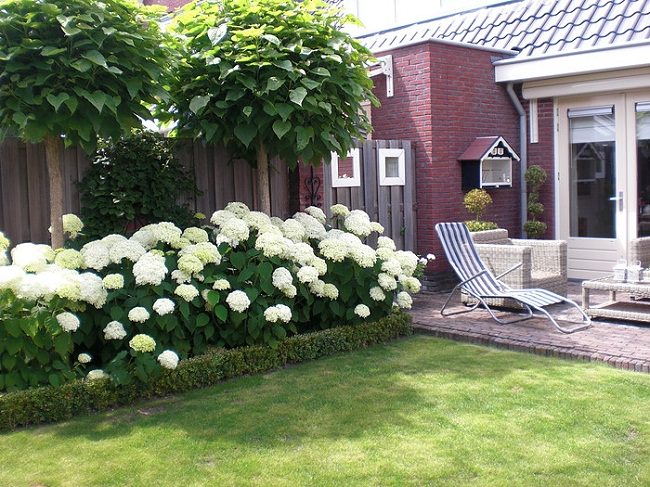
Integrating hydrangeas into mixed flower beds adds texture, color, and height, creating a dynamic and visually appealing garden.
Tips for Planting:
- Complementary Plants: Pair hydrangeas with hostas, ferns, and astilbes for a harmonious look.
- Color Coordination: Choose hydrangeas that complement the color scheme of your garden.
- Layering: Plant taller hydrangeas at the back and smaller plants in the front to create depth.
3. Hydrangea Borders
Why It Works
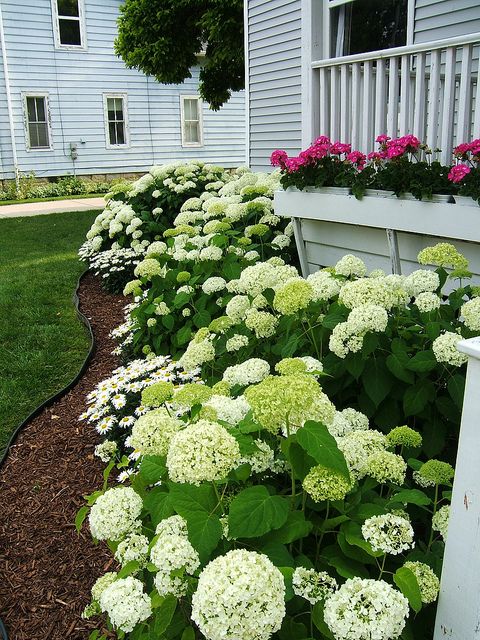
Using hydrangeas as borders along garden beds or walkways creates a striking and elegant edge that draws the eye.
Tips for Planting:
- Variety: Consider dwarf varieties like Hydrangea arborescens ‘Annabelle’ for a more compact border.
- Maintenance: Keep borders neat by removing spent blooms and deadheading regularly.
- Symmetry: Plant hydrangeas evenly spaced for a uniform look.
4. Container Gardening
Why It Works
Hydrangeas in containers add flexibility to your garden design. They can be moved to different locations to suit the season or your garden’s layout.
Tips for Planting:
- Container Size: Use large containers to accommodate the hydrangea’s root system.
- Soil: Use high-quality potting mix with good drainage.
- Watering: Ensure consistent watering, as container plants dry out faster.
5. Hydrangea Arbors and Trellises
Why It Works
Hydrangeas can be trained to grow over arbors and trellises, creating a breathtaking canopy of flowers that adds vertical interest to your garden.
Tips for Planting:
- Variety: Choose climbing hydrangeas like Hydrangea anomala subsp. petiolaris.
- Support: Provide sturdy support for the hydrangeas to climb.
- Pruning: Train and prune the hydrangeas to encourage upward growth.
6. Shady Garden Spots
Why It Works
Hydrangeas thrive in partial shade, making them an ideal choice for brightening up shady garden areas.
Tips for Planting:
- Location: Plant hydrangeas in spots with morning sun and afternoon shade.
- Companion Plants: Pair with shade-loving plants like hostas and ferns.
- Soil: Ensure well-draining soil rich in organic matter.
7. Hydrangea Islands
Why It Works
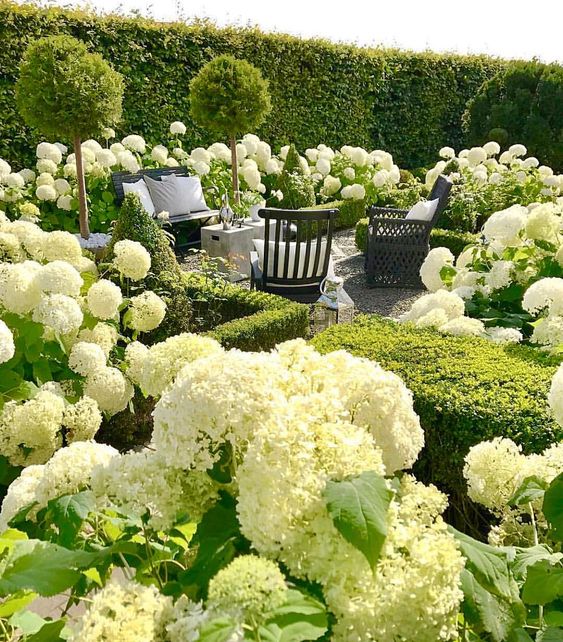
Creating hydrangea islands or clusters in the middle of a lawn or large garden bed adds a focal point and creates a lush, vibrant centerpiece.
Tips for Planting:
- Design: Plan the island shape and size according to your garden layout.
- Layering: Use a mix of hydrangea varieties and heights for a natural look.
- Mulching: Mulch around the base to retain moisture and suppress weeds.
8. Seasonal Color Changes
Why It Works
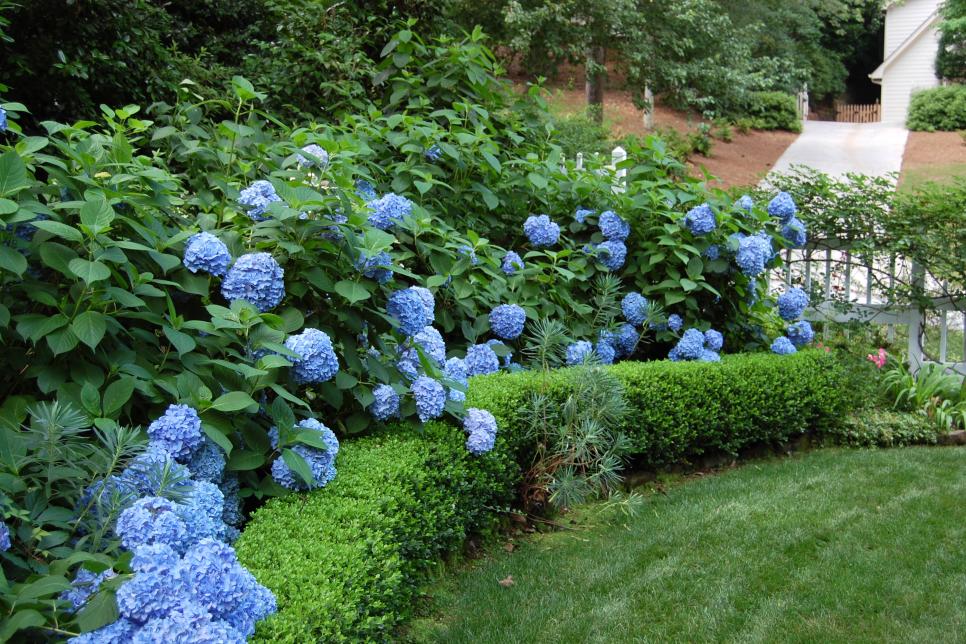
Hydrangeas offer the unique ability to change colors based on soil pH, allowing you to customize the colors in your garden.
Tips for Planting:
- Soil pH: Adjust the soil pH to change bloom colors. Acidic soil (pH below 6) produces blue flowers, while alkaline soil (pH above 7) results in pink flowers.
- Testing: Regularly test soil pH and amend as needed with lime (to raise pH) or sulfur (to lower pH).
- Consistency: Maintain consistent soil conditions to keep desired bloom colors.
9. Water Features and Hydrangeas
Why It Works
Pairing hydrangeas with water features like ponds, fountains, or streams creates a tranquil, serene garden atmosphere.
Tips for Planting:
- Placement: Plant hydrangeas near water features but ensure they are not in standing water.
- Reflection: Position hydrangeas where their reflection can be seen in the water for added visual interest.
- Complementary Plants: Use moisture-loving plants like iris or canna lilies alongside hydrangeas.
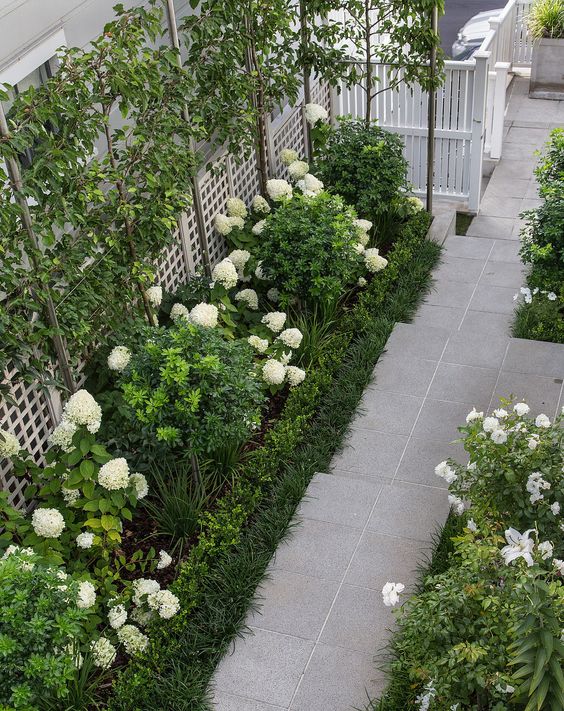
10. Hydrangea Paths
Why It Works
Lining garden paths with hydrangeas creates a magical, inviting walkway that leads visitors through your garden.
Tips for Planting:
- Spacing: Plant hydrangeas at intervals along the path to create a continuous flow.
- Variety: Mix different hydrangea varieties for a diverse look.
- Lighting: Install garden lighting to highlight the hydrangeas and path at night.
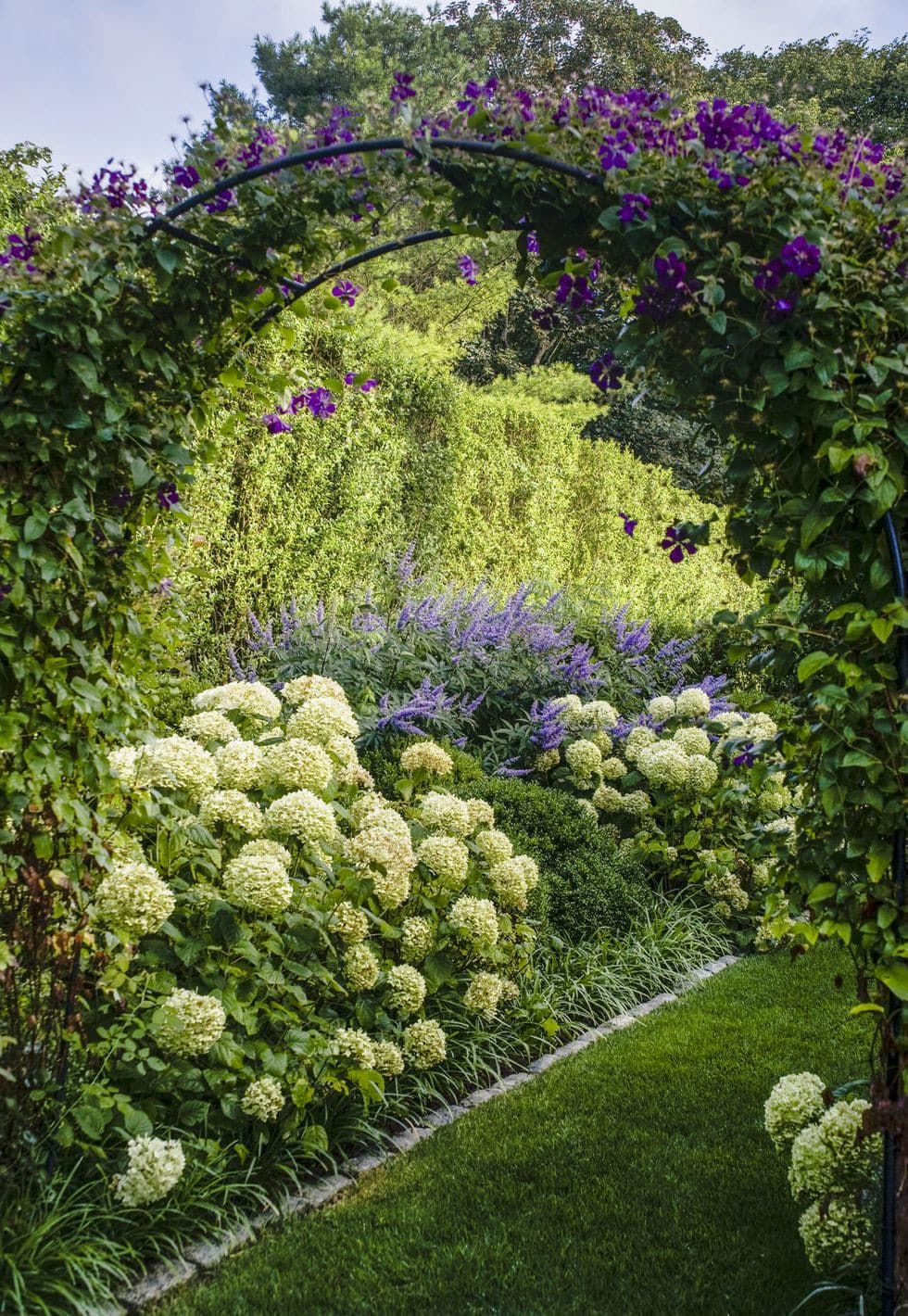
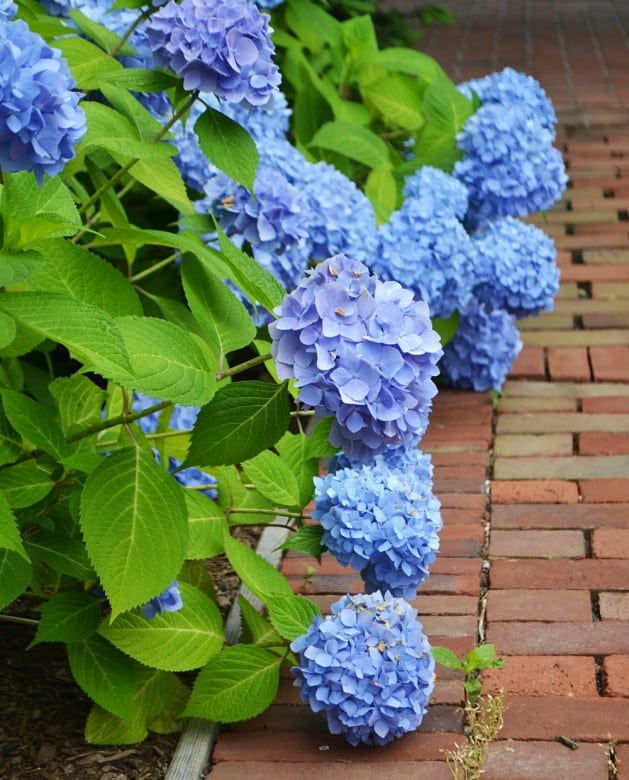
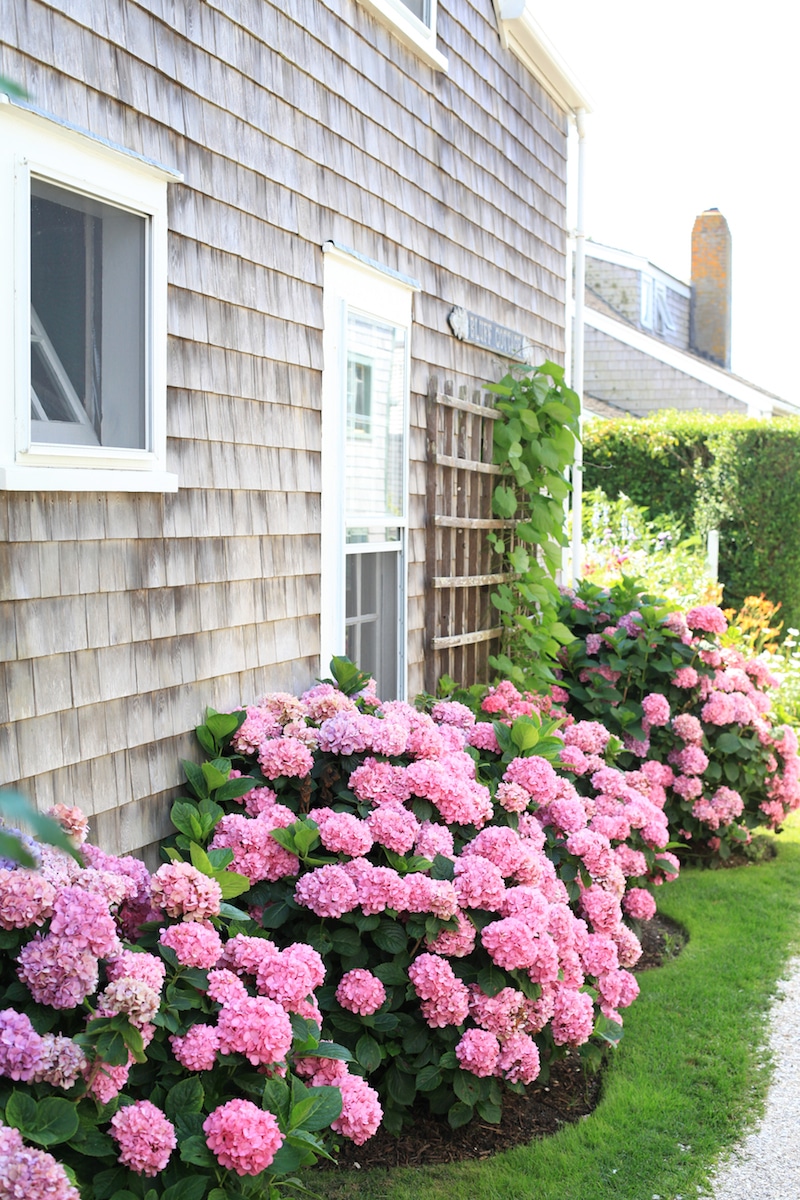
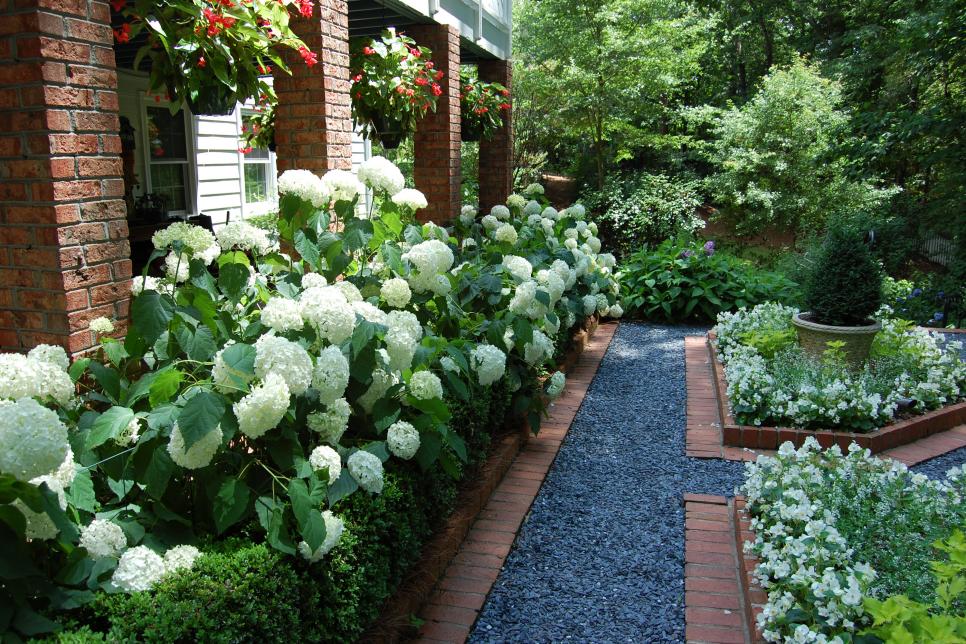
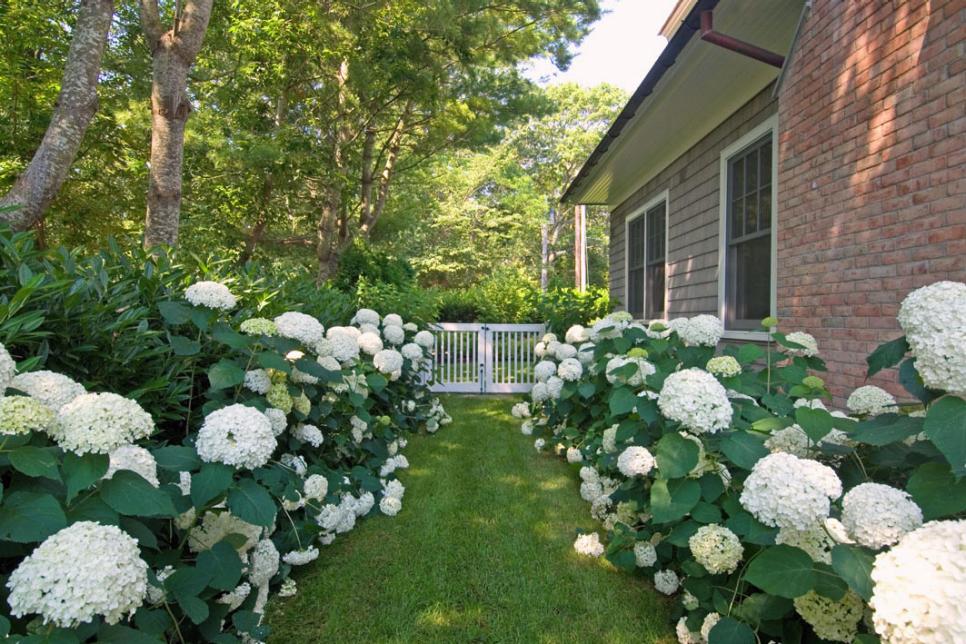
Hydrangeas offer endless possibilities for creating a dreamy garden landscape.
Whether you use them as hedges, in mixed flower beds, or as part of a water feature, their stunning blooms and versatile growth habits make them a fantastic addition to any garden.
Experiment with these hydrangea landscape ideas to design a garden that is both beautiful and unique.