When it comes to landscaping, the little details can make a big impact—and garden edging is one of those powerful finishing touches.
Whether you’re outlining flower beds, separating your lawn from walkways, or framing a vegetable patch, the right garden border can tie your entire landscape design together, adding structure, style, and curb appeal.
From natural materials like logs and stones to upcycled items like glass bottles and dishware, you can transform the edges of your garden into eye-catching features. Best of all, many of these ideas are budget-friendly and easy to DIY.
Ready to enhance your garden’s design? Check out these 20 stunning garden edging ideas to inspire your next outdoor project:
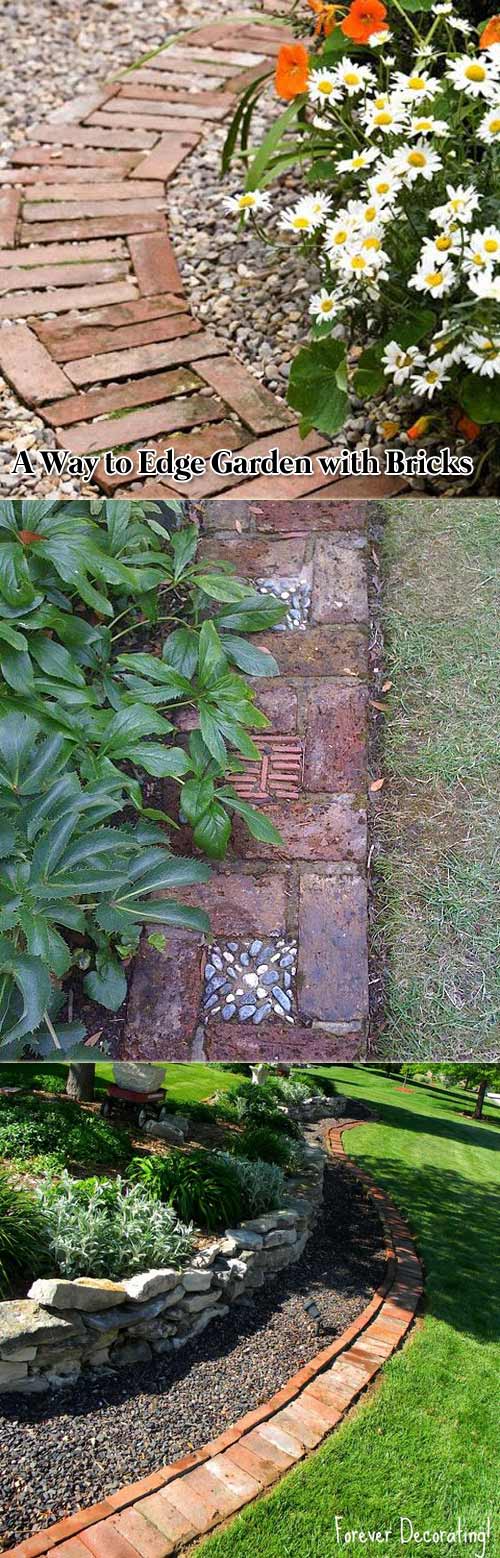
1. Classic Brick Garden Edging
Bricks are a timeless choice for edging. Lay them flat or stack them vertically to create a clean, durable border. You can match the brick color to your patio or walkway for a cohesive look.
Best for: Formal gardens, flower beds, pathways
Tip: Use a rubber mallet and level to keep bricks even and snug.
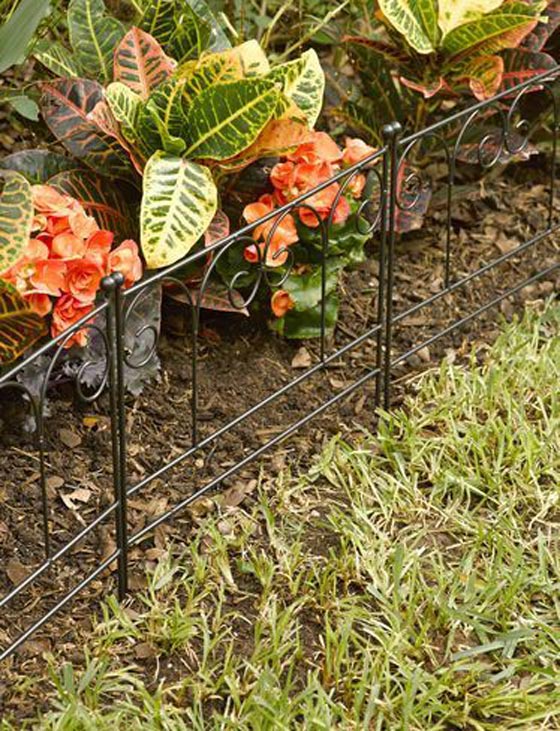
2. Charming Metal Garden Border
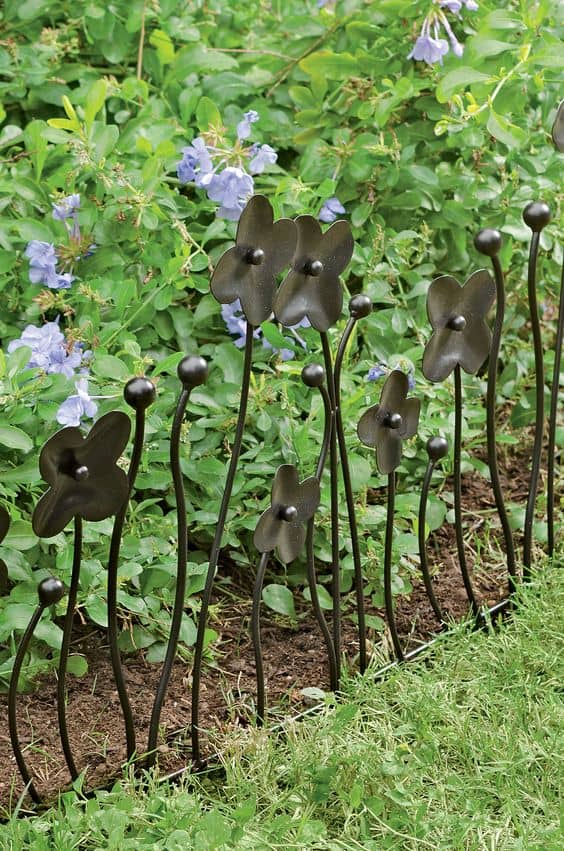
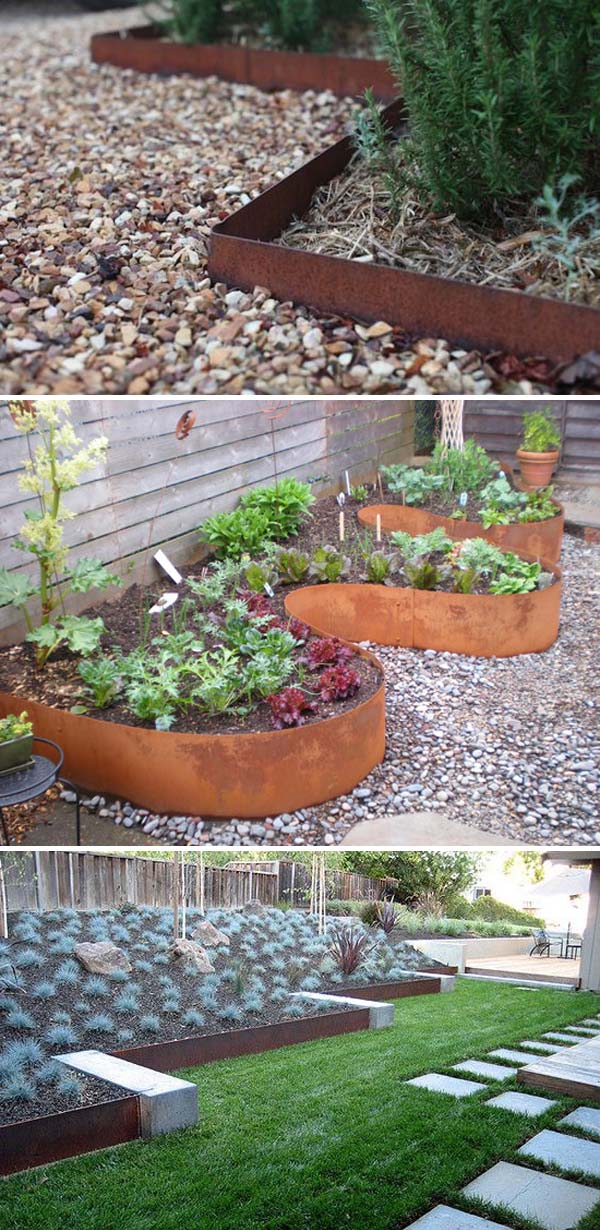
Metal edging—whether made from steel, aluminum, or iron—offers a sleek, industrial finish and is perfect for modern or rustic gardens. It resists weathering and lasts for years.
Great for: Straight lines or geometric garden layouts
Try: Corten steel for a rustic, weathered look that evolves beautifully over time.
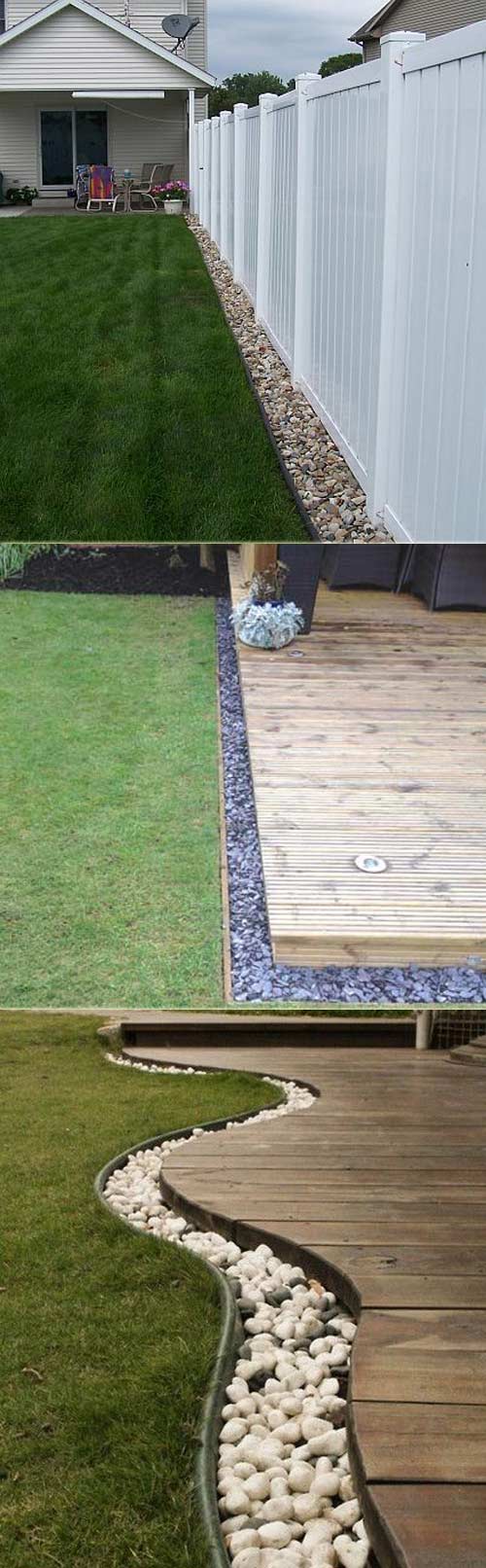
3. Pebble or River Rock Deck Border
Create a clean transition between your deck or patio and surrounding landscape with river rocks or polished pebbles. This edging adds texture and helps with drainage too.
Bonus: Choose white or black stones to contrast with greenery.
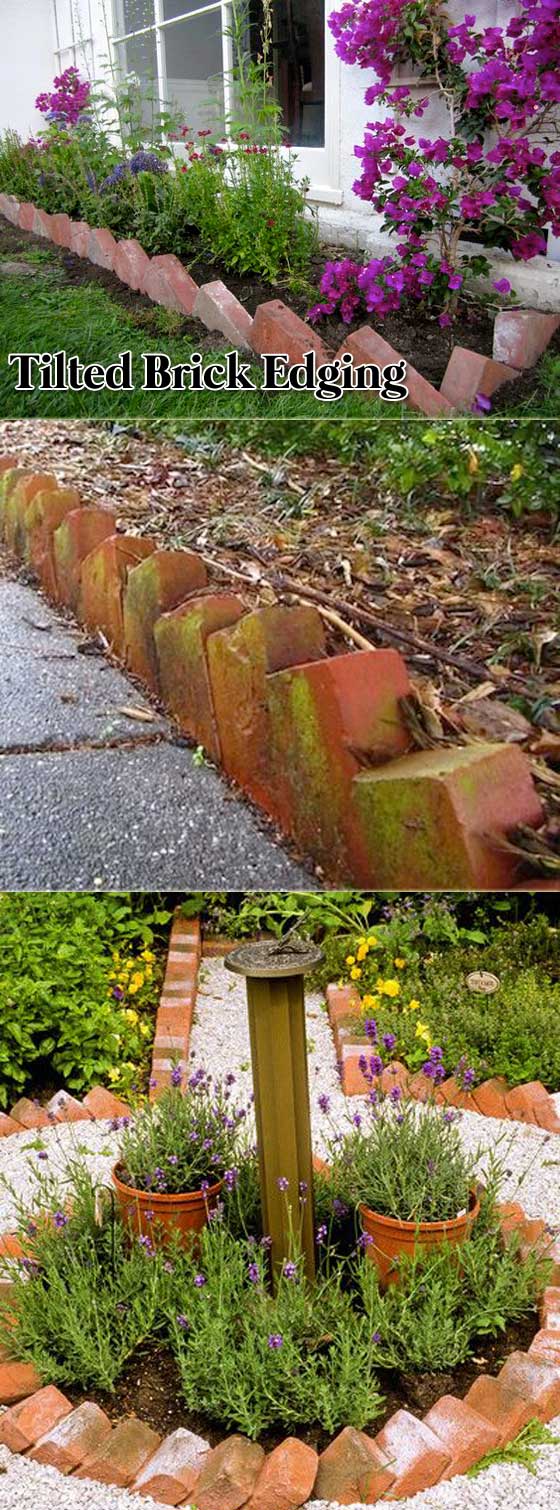
4. Tilted Brick Edging for a Unique Touch
Lay bricks diagonally or at a 45-degree angle for a fun twist on the traditional brick border. This simple change adds a playful, dynamic edge to garden beds.
Perfect for: Cottage or English-style gardens
Tip: Alternate brick colors for added pattern.
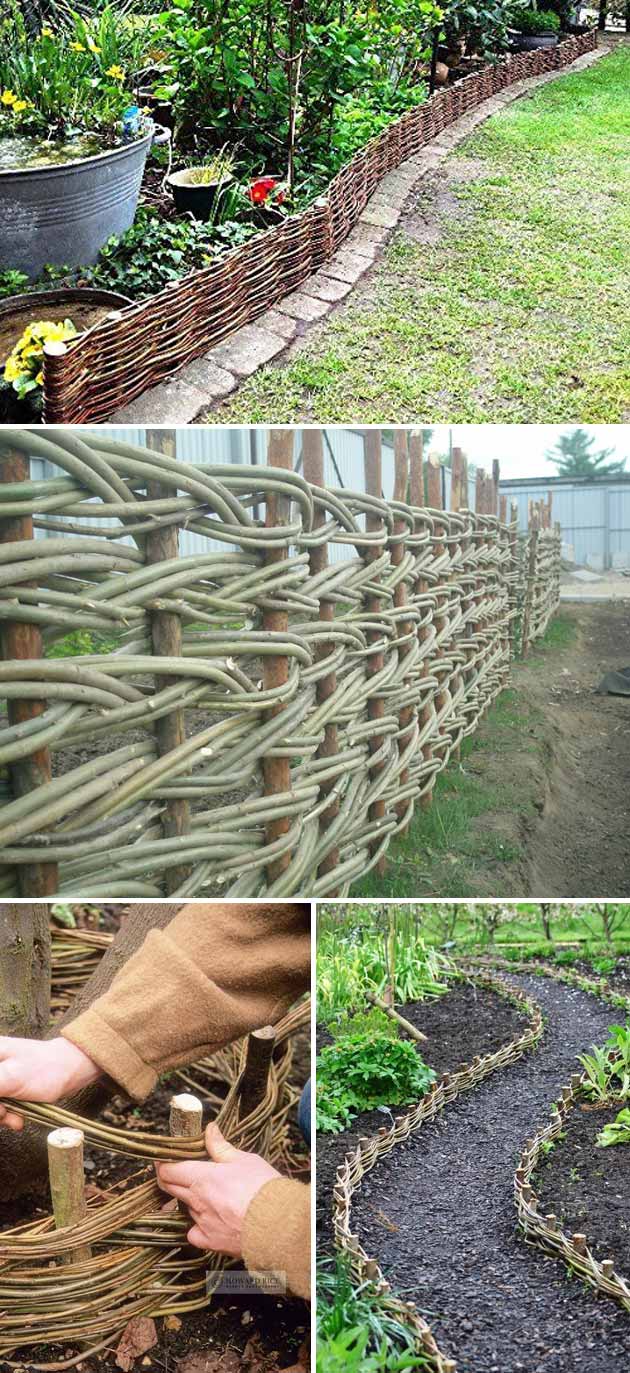
5. Woven Vine or Willow Branch Border
Create a whimsical, natural border by weaving flexible vines, branches, or willow stems into a braided fence. This eco-friendly edging blends seamlessly into organic garden designs.
Best for: Herb gardens, forest gardens, wildflower beds
DIY-friendly: Use young saplings or prunings from your own yard.
6. Recycled Pallet Wood Garden Edging
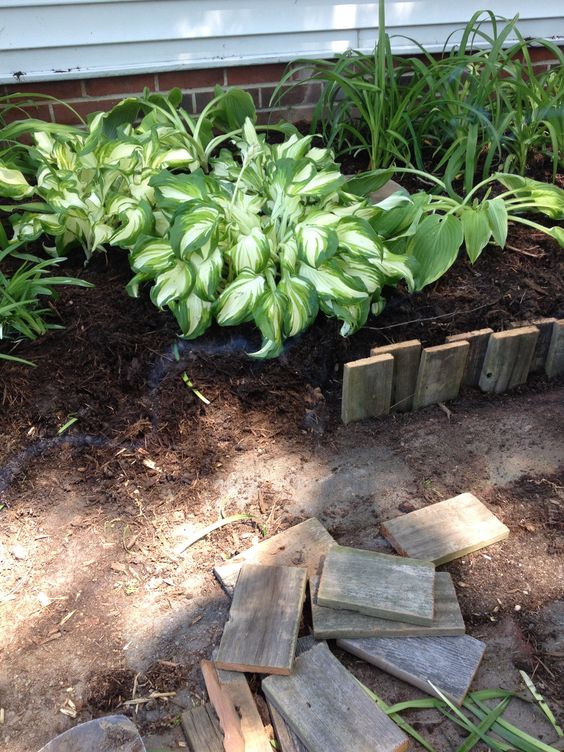
Upcycle old shipping pallets or scrap treated wood into garden borders. Cut into uniform pieces and set vertically or horizontally for a rustic, farmhouse look.
Eco-friendly tip: Sand and seal wood to prevent weather damage and splinters.
7. Terra Cotta Pot Border
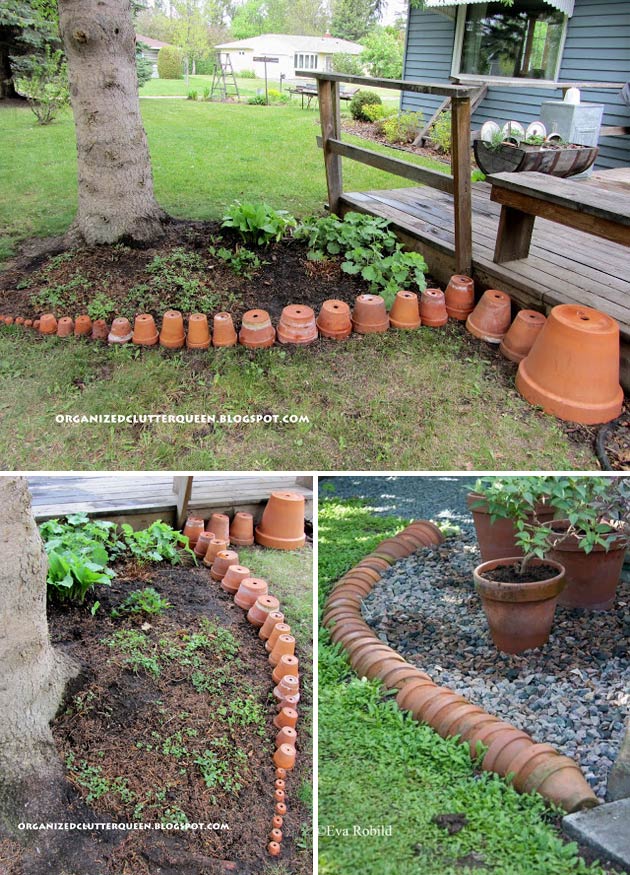
Broken or full-sized terra cotta pots can be half-buried in the soil to create a charming, curved garden edge. This is an especially fun and creative way to reuse cracked pots.
Perfect for: Mediterranean or container-style gardens
Bonus: Fill them with herbs or succulents for extra flair.
8. No-Dig Plastic Garden Edging
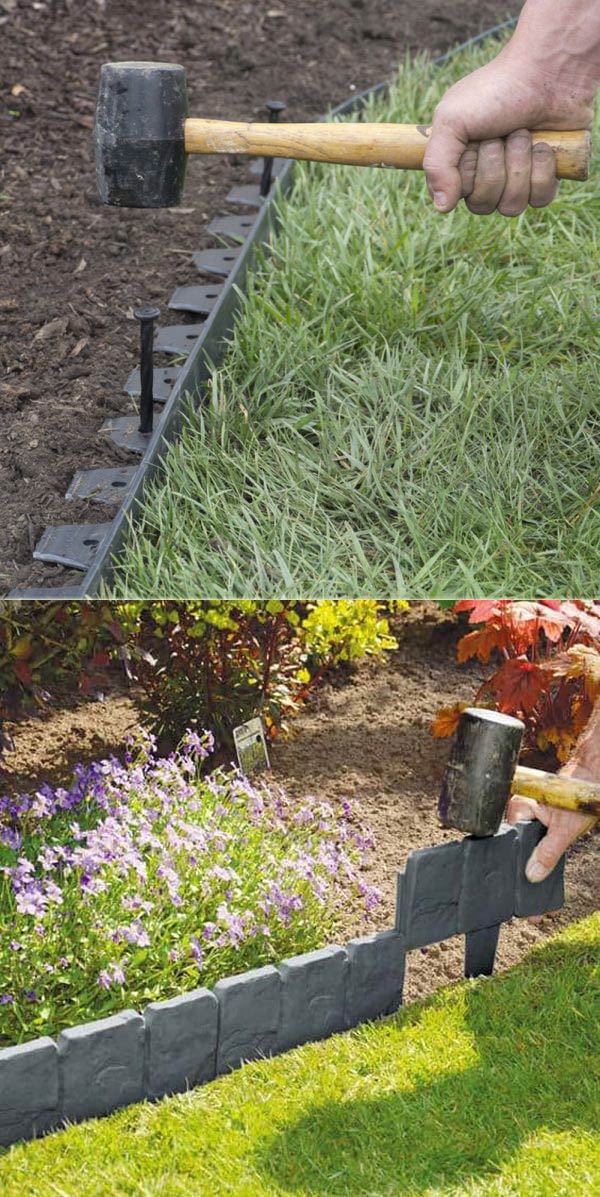
If you’re looking for a quick and low-maintenance solution, manufactured plastic edging is easy to install and highly flexible. Great for curved flower beds and tree rings.
Tip: Choose a color that complements your mulch or soil.
9. Railway Sleepers as Garden Edging
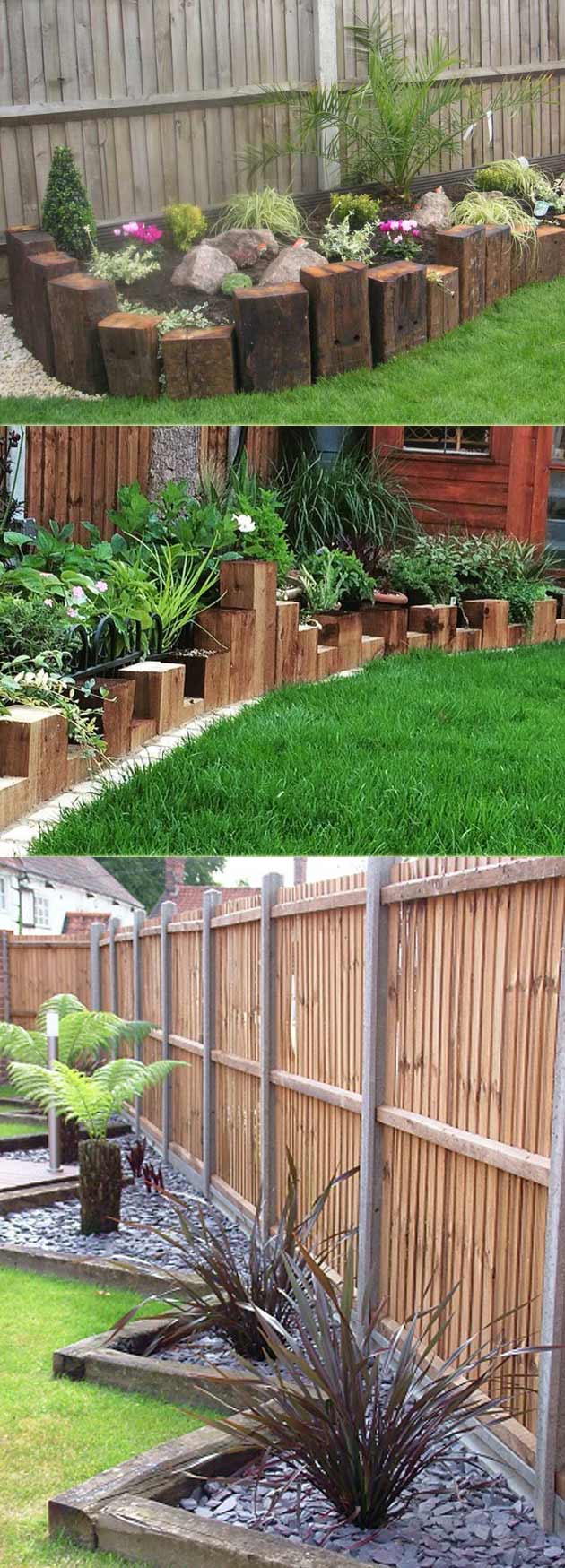
Reclaimed railway sleepers (aka landscape timbers) create strong, bold edges and can double as low seating in larger beds. Their rustic charm is ideal for raised borders.
Note: Make sure the sleepers are untreated or safe for garden use.
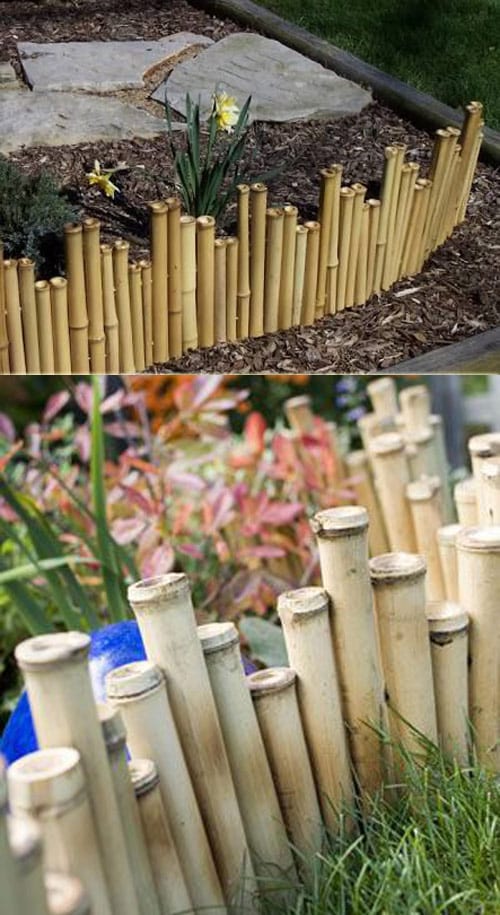
10. Bamboo Garden Border
Line up cut bamboo poles of varying heights for a zen-inspired edging design. Bamboo’s natural durability and texture make it perfect for tranquil garden spaces.
Great for: Japanese-style gardens, shade gardens, or zen paths
Pro tip: Use zip ties or twine to bind bamboo into panels.
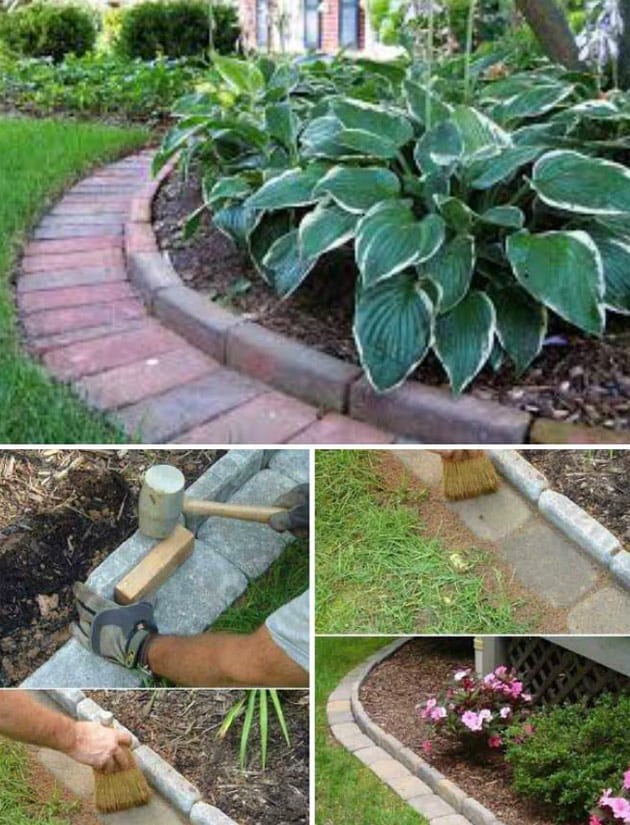
11. Cement or Stone Brick Edging
Cement pavers or manufactured stone bricks create a polished, structured look. These can be laid in patterns like herringbone or stacked for height and dimension.
Best for: Neat, formal landscaping
Tip: Choose stones that match your patio for design unity.
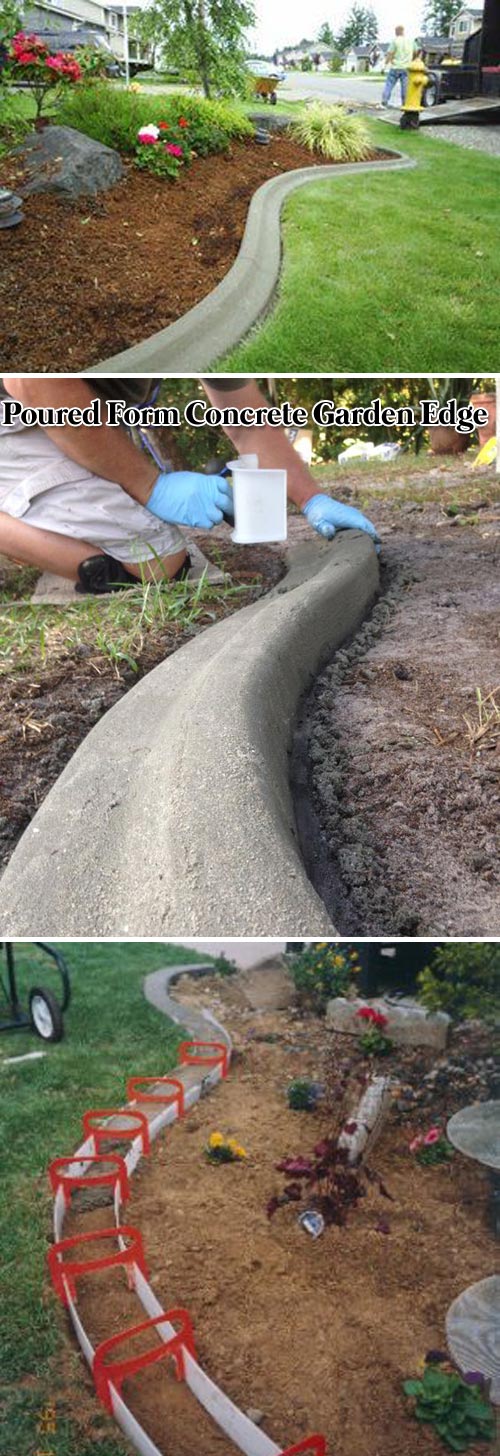
12. Poured Concrete Edge
For a permanent and custom-fit solution, pour concrete borders directly into molds. You can even shape and stamp it to look like stone or brick.
Durability: Lasts for decades with minimal upkeep
Bonus: Add coloring agents for custom finishes.
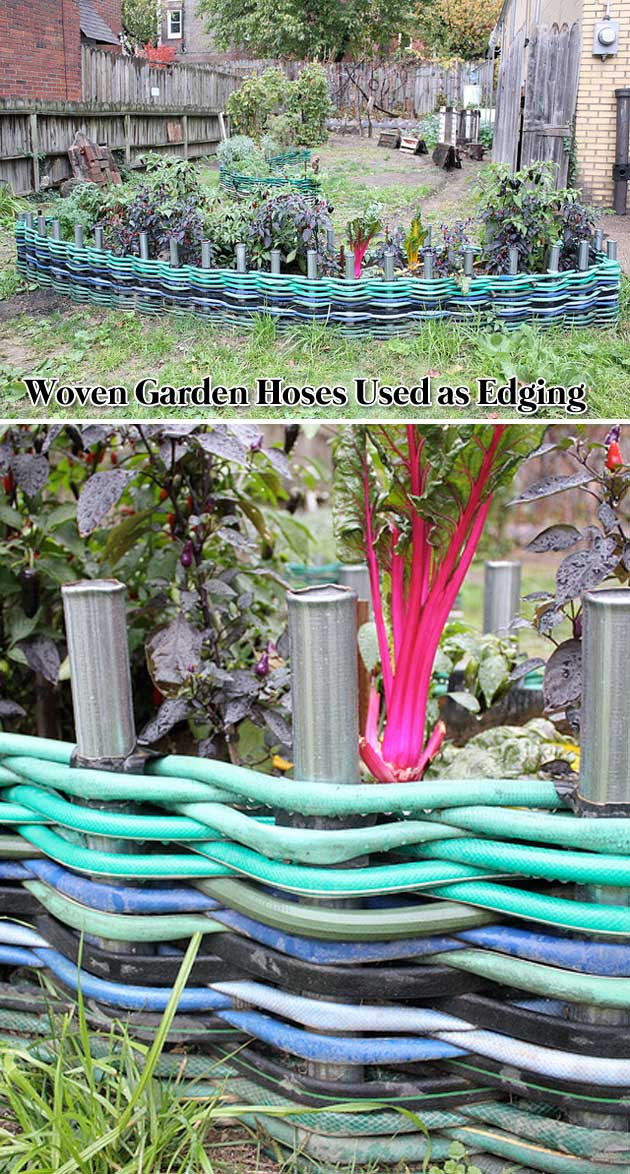
13. Woven Garden Hose Edging
Old garden hoses can be coiled or woven into fun and quirky borders—especially around vegetable beds or children’s play gardens.
DIY tip: Secure with U-shaped garden stakes to keep in place.
14. Rustic Metal Landscape Edging
Corten or galvanized steel strips can be inserted along bed edges to give a clean yet rustic finish. It’s a strong, thin option that defines borders without being bulky.
Great for: Modern, minimalist gardens
Bonus: Low-profile design is mower-friendly.
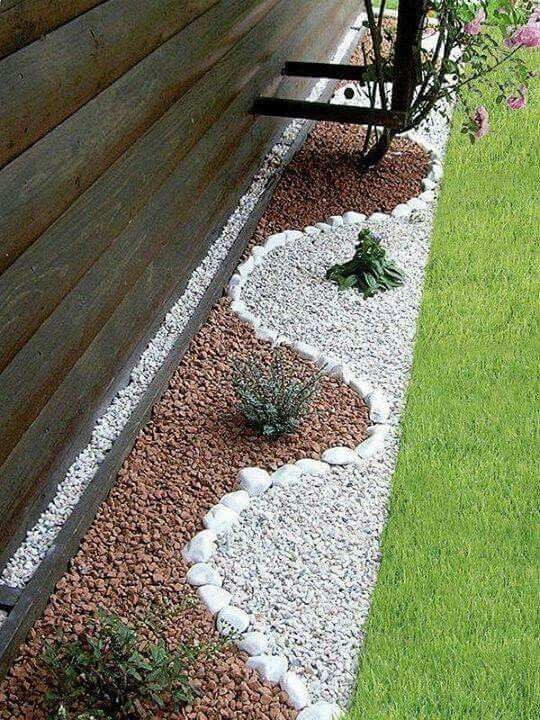
15. White Decorative Pebble Lawn Border
Line the edge of your lawn or flower beds with crisp, white pebbles or crushed stone to highlight greenery and brighten shady spots.
Pro tip: Use landscape fabric underneath to prevent weed growth.
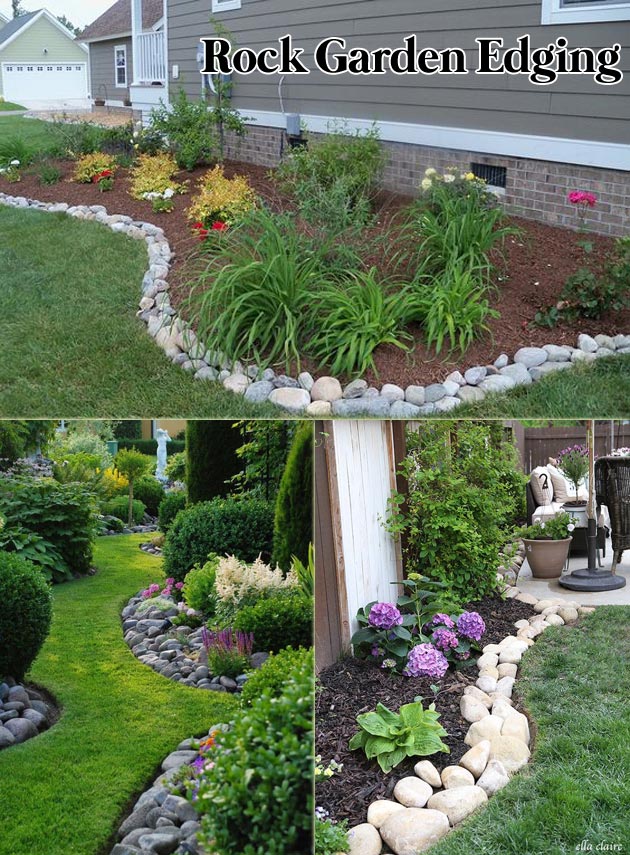
16. Natural Rock Edging
Larger rocks or small boulders make excellent, organic edging for natural-style gardens. Mix stone sizes for a more organic flow, or use uniform stones for clean lines.
Perfect for: Xeriscapes, woodland gardens, alpine beds
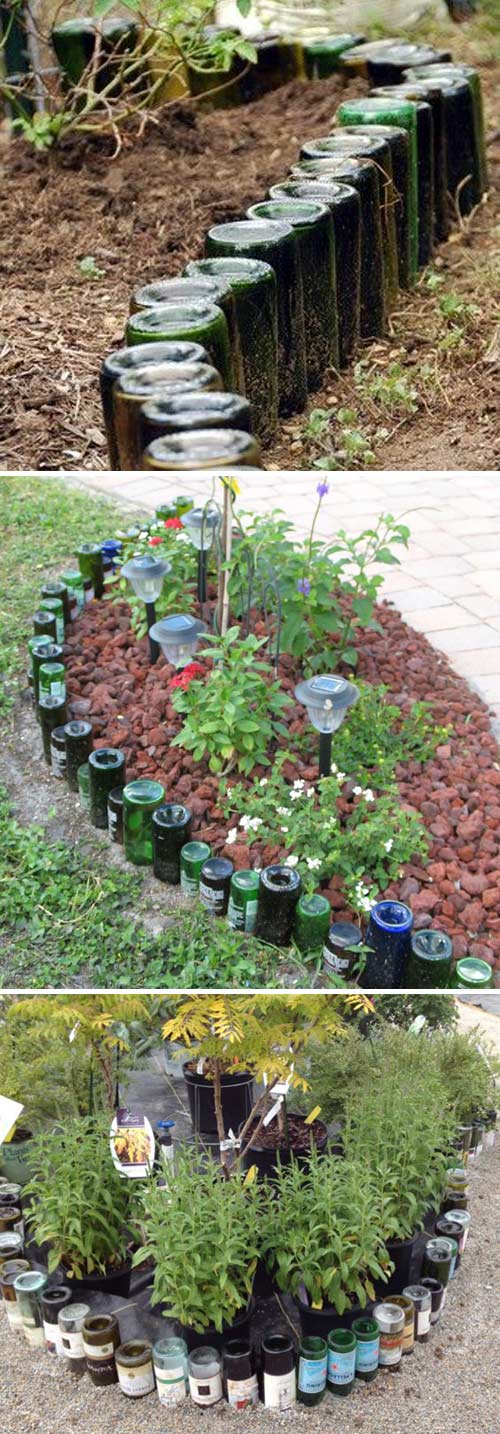
17. Upcycled Glass Bottle Border
Turn colorful glass bottles upside-down and bury them neck-first into the soil to form a vibrant, glowing edge. Mix colors or create a pattern for extra impact.
Tip: Use wine, soda, or craft bottles for variety
Safety note: Ensure bottles are not cracked or broken.
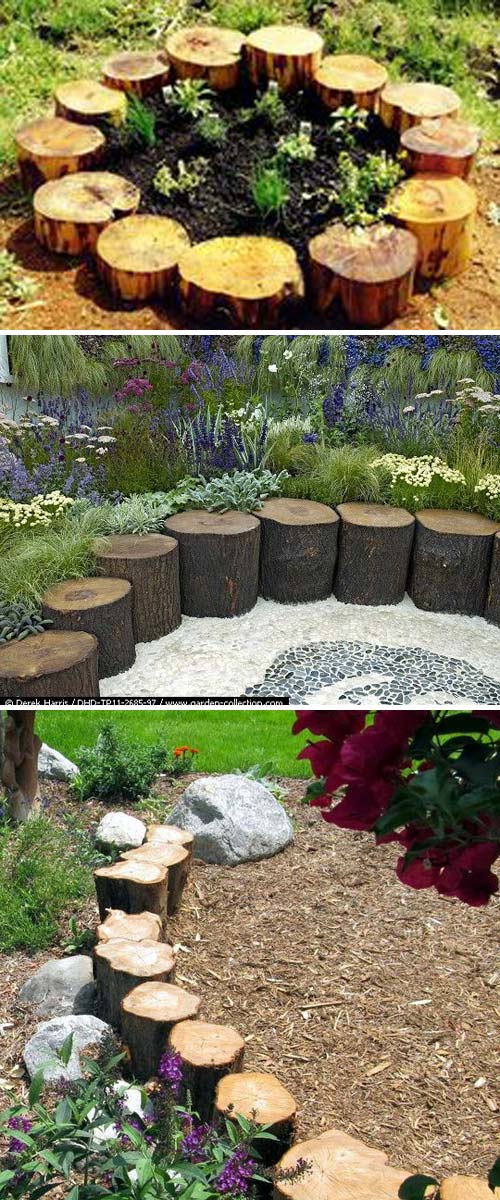
18. Tree Logs as Rustic Edging
Cut logs or thick branches to similar lengths and stand them vertically side by side to edge beds. This creates a natural, forest-inspired look.
Best for: Woodland or permaculture gardens
Pro tip: Use rot-resistant wood like cedar or redwood.
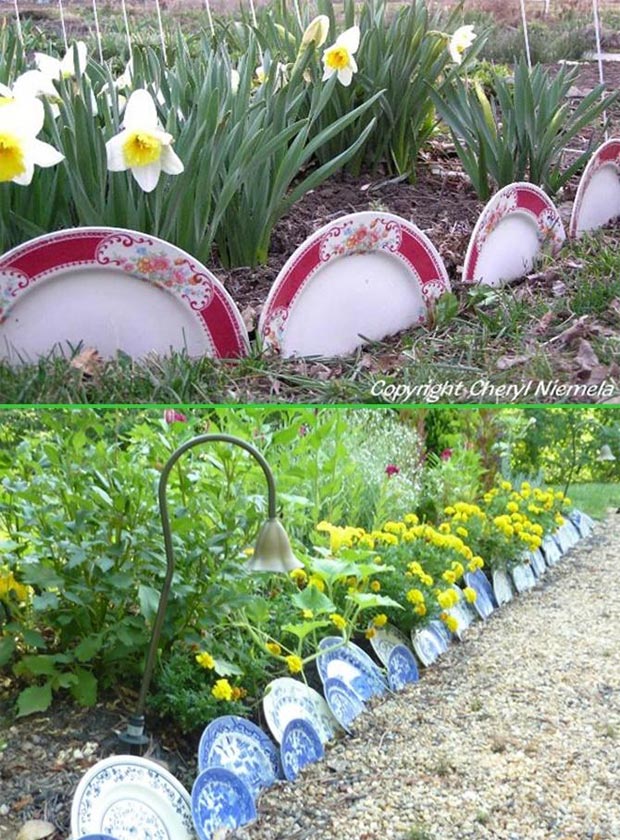
19. China Plate Dish Border
Create a charming, eclectic edge by burying old china dishes, plates, or saucers halfway into the ground. Ideal for cottage gardens or whimsical flower beds.
DIY idea: Use mismatched vintage plates for a colorful, artsy vibe.
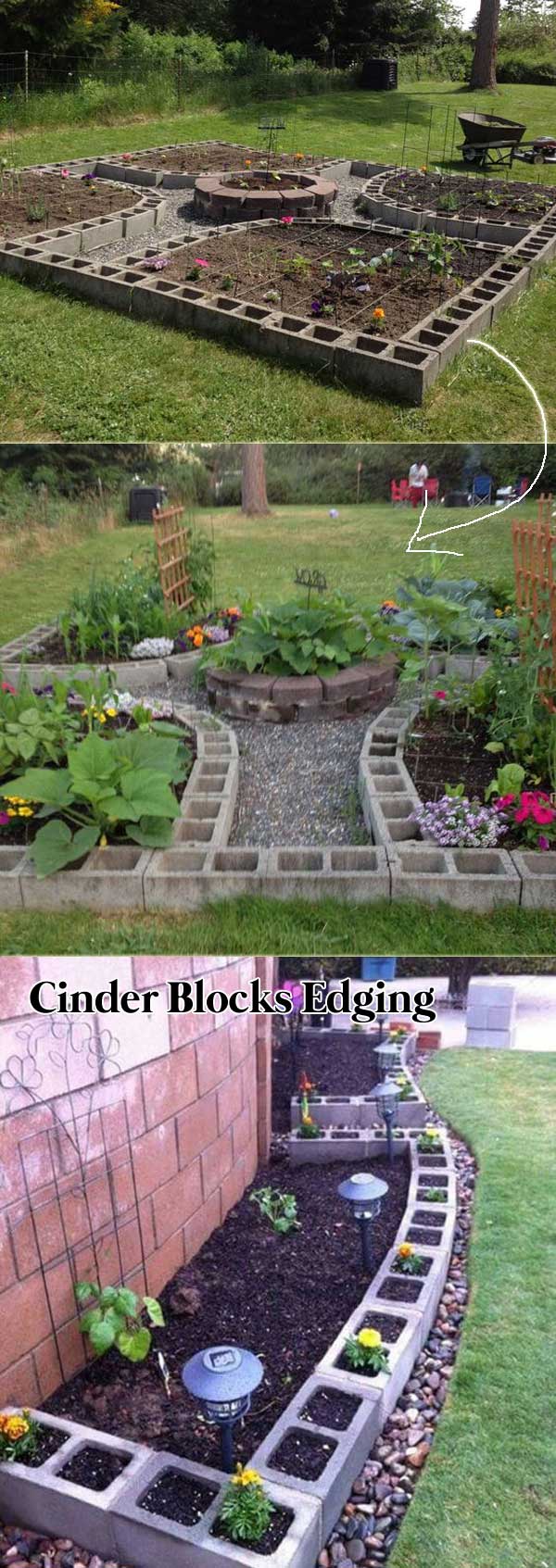
20. Cinder Block Garden Bed Edging
Cinder blocks are durable, functional, and budget-friendly. Stack them around garden beds or line them along walkways. Bonus: use the holes to grow herbs, flowers, or succulents!
Perfect for: Urban gardens, raised vegetable beds
Tip: Paint them or plant in the openings to soften the look.
Garden edging is more than just a decorative element—it’s a functional boundary that keeps mulch in place, prevents grass from creeping into your flower beds, and gives your landscape a neat, intentional appearance.
With these 20 creative garden edging ideas, you can match any style—from rustic and natural to modern and artistic.
Whether you’re recycling materials or crafting something custom, these borders will give your garden the polished finishing touch it deserves.