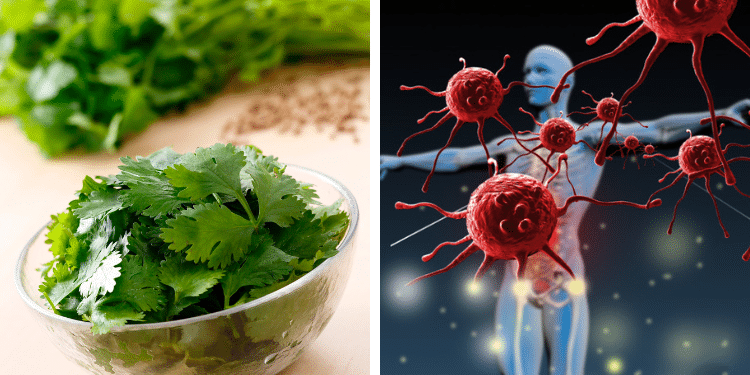
In the culinary world, cilantro (Coriandrum sativum) is a divisive herb – loved by many for its bright, citrusy profile and avoided by others due to a genetic trait that makes it taste like soap.
However, in the realm of functional toxicology and clinical nutrition, cilantro is far more than a garnish.
It is increasingly recognized as a potent chelating agent, a biological tool capable of binding to and removing toxic heavy metals from the body’s tissues.
As we are increasingly exposed to environmental pollutants through our water, soil, and industrial products, the concept of “metabolic cleansing” has shifted from a wellness trend to a physiological necessity.
The Science of Chelation: How Cilantro Works
Chelation is a process where a specific molecule binds to a metal ion, forming a stable, complex ring structure that the body can then safely excrete through the kidneys or bile.
Cilantro contains unique volatile oils and phytochemicals – specifically dodecanal and various flavonoids – that have a high affinity for heavy metal ions.
Unlike many synthetic chelators that only circulate in the bloodstream, cilantro is often linked to the mobilization of metals stored deep within intracellular spaces and even the central nervous system.
This makes it a “mobilizer,” pulling toxins out of hiding so they can be processed by the body’s primary filtration organs.
The 4 Primary Heavy Metals Targeted by Cilantro
1. Mercury (Hg)
Mercury is one of the most pervasive neurotoxins, often entering the body through certain types of seafood, dental amalgams, and industrial emissions. It has a high affinity for fatty tissues, particularly the brain.
The Impact: Cilantro is one of the few botanical agents believed to cross the blood-brain barrier.
Research pioneered by Dr. Yoshiaki Omura suggested that cilantro could accelerate the excretion of mercury from the body following medical procedures, significantly reducing the toxic load on the nervous system.
2. Aluminum (Al)
While not technically a “heavy” metal, aluminum is a significant neurotoxic metal found in cookware, antiperspirants, and treated water. Over time, aluminum accumulation is linked to cognitive decline and oxidative stress in the brain.
The Impact: Studies on animal models have indicated that cilantro extracts can reduce the deposition of aluminum in the bone and brain tissue.
By binding to aluminum ions, cilantro facilitates their removal through the urinary tract before they can interfere with cellular signaling.
3. Lead (Pb)
Lead exposure remains a concern due to aging infrastructure, old paint, and contaminated soil. Once in the body, lead mimics calcium and stores itself in the bones and soft tissues, where it can remain for decades.
The Impact: Cilantro is frequently utilized in “heavy metal detox” protocols to address lead because it helps to dislodge lead from the soft tissues.
This mobilization is critical for reducing the systemic inflammatory response triggered by chronic lead exposure.
4. Cadmium (Cd)
Cadmium is a toxic metal often found in cigarette smoke, industrial fertilizers, and certain vegetable crops grown in contaminated soil. It is particularly damaging to the kidneys and is classified as a group 1 carcinogen.
The Impact: The antioxidant compounds in cilantro, such as quercetin and apigenin, help protect the kidneys from the oxidative damage caused by cadmium while simultaneously helping to escort the metal out of the system.
The “Cilantro-Chlorella” Protocol: A Necessary Partnership
One of the most critical professional insights regarding cilantro is its role as a mobilizer.
Because cilantro is so effective at pulling metals out of the tissues, it can sometimes “re-toxify” the body if those metals aren’t immediately captured and removed from the digestive tract.
The Role of Chlorella
To prevent the “re-circulation” of metals, cilantro should almost always be paired with Chlorella, a single-celled green alga.
The Dynamic: While cilantro pulls the metals out of the cells (mobilization), chlorella acts as a “binder.” Chlorella has a unique cell wall that absorbs heavy metals like a sponge.
When they are taken together, the cilantro moves the toxins into the gut, and the chlorella ensures they are excreted through the stool rather than being reabsorbed by the intestinal lining.
Practical Ways to Incorporate Cilantro for Detox
To achieve the levels of chelation discussed in clinical studies, a simple sprinkle of cilantro on a taco is insufficient. You must consume it in concentrated, “therapeutic” doses.
-
The Heavy Metal Detox Pesto: Blend two cups of fresh, organic cilantro with olive oil, walnuts (for Omega-3 support), and lemon juice. Consuming two tablespoons of this pesto daily for three weeks is a standard functional nutrition protocol.
-
Fresh Juicing: Adding a handful of cilantro to your morning green juice (alongside cucumber and celery) provides a bioavailable form of the herb’s volatile oils.
-
Cilantro Tinctures: For a more controlled dose, many practitioners recommend a high-potency cilantro tincture, typically taken 15 minutes before a meal to prime the digestive system for detoxification.
3 Professional Tips for a Safe Detox
-
Start Slowly: If you have a high toxic load, a sudden surge of cilantro can cause a “Herxheimer reaction” (detox flu), including headaches or fatigue, as metals are mobilized. Start with small amounts and increase over 14 days.
-
Hydration is Mandatory: Since many mobilized metals are excreted through the kidneys, you must drink at least 2 to 3 liters of filtered water daily to prevent kidney strain.
-
Support Your Minerals: Chelation can sometimes remove “good” minerals like zinc or magnesium along with the “bad” metals. Ensure you are eating a mineral-rich diet or supplementing with an electrolyte complex during your detox period.
Cilantro is a masterclass in the “food as medicine” philosophy. Its ability to mobilize mercury, aluminum, lead, and cadmium makes it an essential ally in a world where environmental toxicity is a constant factor.
By understanding its role as a mobilizer and pairing it with proper binders and hydration, you can transform this kitchen herb into a powerful guardian of your long-term cellular health.