In modern green cleaning, simple household staples often outperform commercial sprays laden with harsh chemicals.
Blending lemon peels with white vinegar is one of the most effective, affordable, and versatile natural home remedies you can make.
Instead of tossing out leftover citrus rinds after squeezing a lemon, combining them with distilled white vinegar creates an all-natural, multi-purpose cleaning concentrate.
It harnesses organic acids and botanical oils to cut through stubborn grease, dissolve mineral deposits, neutralize odors, and sanitize surfaces – all while replacing the pungent smell of sour vinegar with a fresh citrus aroma.
Here is a deep dive into what blending lemon peel with vinegar creates, the underlying science of why it works, and how to prepare and use it safely across your home.
The Science: Why Lemon Peel + Vinegar Works So Well
To understand why this combination is so effective, look at the chemical synergy between acetic acid in distilled white vinegar and d-limonene in lemon rinds:
-
Acetic Acid: Standard household distilled white vinegar contains 5% acetic acid. This mild acid lowers pH, effectively dissolving alkaline mineral scale (calcium carbonate), soap scum, rust stains, and hard water buildup. It also disrupts microbial cell walls to act as a natural disinfectant.
-
D-Limonene: The flavedo (the bright yellow outer skin of the lemon) is loaded with essential oil glands rich in d-limonene – a potent natural solvent used in industrial degreasers. Limonene breaks down non-polar grease, oils, and sticky residues that acid alone cannot dissolve easily.
-
Citric Acid: Traces of natural citric acid remaining in the peel and pith work alongside acetic acid, enhancing its ability to chelate (bind) metal minerals and brighten dingy surfaces.
When you blend or infuse lemon peels into vinegar, you extract these bio-active terpenes into the acid matrix. The result is a dual-action cleaner that tackles both alkaline mineral deposits and greasy organic grime simultaneously.
Key Benefits of Lemon Peel & Vinegar Cleaner
1. Superior Degreasing Power
Plain vinegar is great for glass and mineral deposits, but it often slips right off heavy kitchen grease.
The d-limonene extracted from lemon peels acts as a natural surfactant and degreaser, helping the liquid penetrate cooked-on oil on stovetops, range hoods, and backsplash tiles.
2. Natural Mineral Scale and Soap Scum Remover
Hard water stains on glass shower doors, chrome faucets, and stainless steel sinks consist primarily of calcium and magnesium salts.
The combination of acetic acid and citric acid converts these insoluble minerals into water-soluble acetates and citrates, letting you wipe them away with minimal scrubbing.
3. Neutralizes Odors at the Source
Rather than simply covering up bad odors with synthetic perfumes, vinegar neutralizes alkaline odor molecules (like ammonia and fishy amines) by altering their pH.
The citrus oils leave behind a crisp, clean scent instead of the harsh pickle smell of plain vinegar.
4. Eco-Friendly and Budget-Smart
Commercial cleaning sprays often contain synthetic fragrances, phthalates, and harsh surfactants that can irritate lungs and skin. Making your own cleaner diverts food waste by reusing lemon peels and costs mere cents per batch.
Performance Comparison: DIY Lemon Vinegar vs. Standard Cleaners
| Feature / Property | DIY Lemon-Vinegar Blend | Plain White Vinegar | Commercial All-Purpose Spray |
| Primary Active Ingredients | Acetic Acid + D-Limonene | 5% Acetic Acid | Synthetic Surfactants & Solvents |
| Degreasing Ability | High (due to citrus oils) | Moderate to Low | High |
| Limescale Removal | High | High | Moderate |
| Post-Cleaning Aroma | Fresh Citrus (Subtle) | Sharp Vinegar Smell | Heavy Artificial Perfume |
| Cost Per Liter | Very Low ($< \$0.50$) | Very Low ($< \$0.40$) | Moderate to High |
| Biodegradability | 100% Natural & Compostable | 100% Natural | Varies (may contain persistent chemicals) |
How to Prepare Your DIY Lemon Peel Vinegar Spray
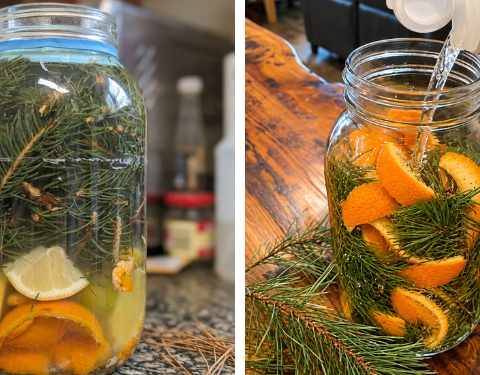
There are two primary ways to prepare this remedy: the high-speed blended method (fast and concentrated) or the traditional steeped infusion (crystal clear). The blended method extracts maximum limonene oil quickly.
Practical Uses Around the House
Here are some of the best places to use your lemon-vinegar blend:
-
Kitchen Countertops & Backsplashes: Wipes away daily spills, food splatters, and light grease (suitable for laminate, tile, and quartz—see warnings below).
-
Microwave & Oven Interiors: Spray inside a greasy microwave, let it sit for 2 minutes, then wipe clean easily.
-
Glass Shower Doors & Chrome Faucets: Spray onto cloudy glass or water-spotted taps, leave for 5 minutes, and wipe down with a microfiber cloth for a streak-free shine.
-
Cutting Boards: Removes lingering garlic, onion, or raw meat odors while sanitizing wooden or plastic boards naturally.
-
Garbage Cans & Recycling Bins: Spray inside empty bins and scrub with a brush to eliminate lingering odors and bacteria.
Important Warnings: Where NOT to Use Vinegar
Because vinegar is acidic, it is not safe for every surface in your home. Avoid using lemon-vinegar blend on the following materials:
-
Natural Stone (Granite, Marble, Limestone, Slate): Acid reacts chemically with calcium carbonate in natural stone, causing permanent surface dulling, etching, and pitting.
-
Unsealed Hardwood Floors: Acid can strip protective polyurethane finishes and penetrate wood grain, causing discoloration.
-
Electronic Screens (TVs, Laptops, Phones): Acid damages anti-glare coatings on modern display glass.
-
Rubber Gaskets and Seals: Continuous exposure to unbuffered acetic acid can cause certain natural rubber hoses (like those in washing machines) to degrade or turn brittle over time.
Pro-Tip for Zero-Waste Prep: Keep a glass jar filled with white vinegar in your fridge. Whenever you use a lemon or lime in cooking, toss the spent peels right into the jar. Once the jar is full of peels, blend or strain it for a fresh batch of cleaner with zero extra effort.
Blending lemon peel with vinegar gives new life to kitchen scraps, turning them into a safe, effective, and aromatic cleaning solution.