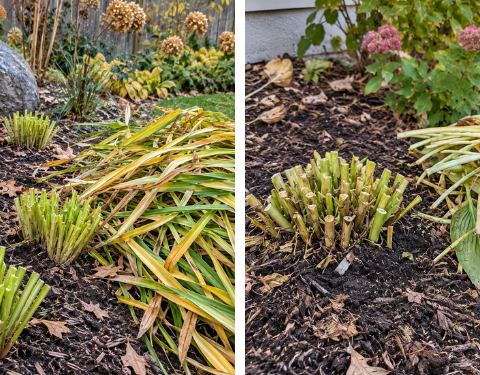
Have you ever wondered what your favorite fruits, vegetables, and spices look like while they are growing?
Many of us are used to seeing them neatly packaged at the grocery store, but their natural form can be quite surprising!
Understanding how food is grown not only deepens our appreciation for nature but also encourages healthier food choices.
That’s why we’re taking you on a journey to explore 19 fascinating examples of how common produce appears in its natural habitat!
1. Brussels Sprouts Grow on Towering Stems
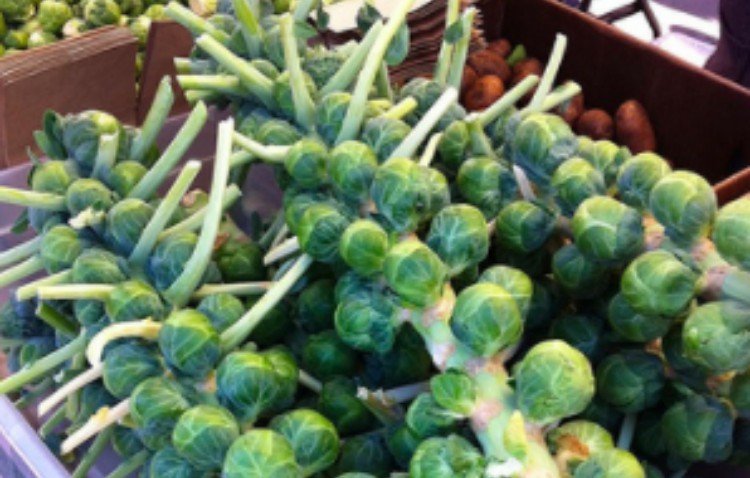
If you’ve only seen Brussels sprouts in a grocery bag, you might be surprised to learn that they grow on thick, tall stalks with rows of tiny cabbage-like buds sprouting along the sides. Farmers harvest them by cutting the entire stalk, which can reach up to three feet tall!
2. Artichokes Are Stunning Flowers in Disguise
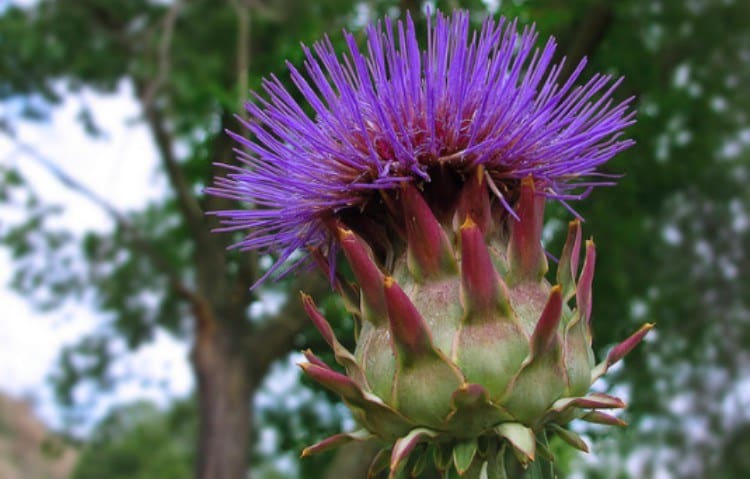
Did you know that artichokes are actually flower buds? If left unharvested, they bloom into vibrant purple flowers, revealing their secret beauty. The part we eat is the fleshy base of the flower’s leaves.
3. Kiwis Grow on Long Vines Like Grapes
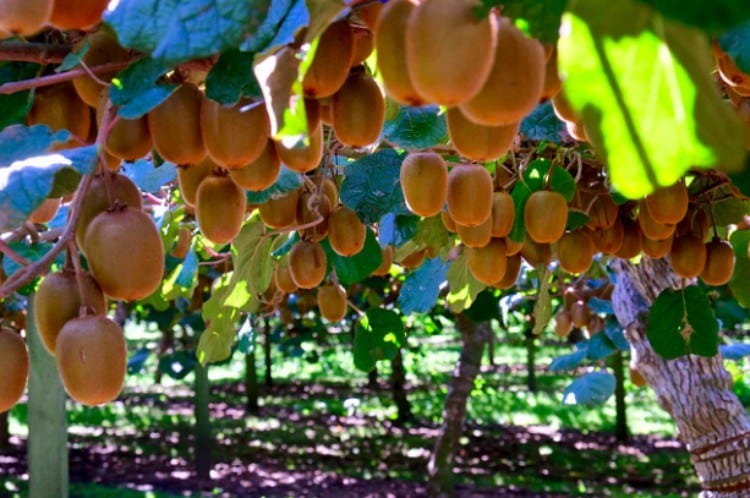
Kiwis don’t grow on trees but rather on climbing vines similar to grapevines. They hang in clusters and are covered in fuzzy brown skin while developing their sweet and tangy flavor.
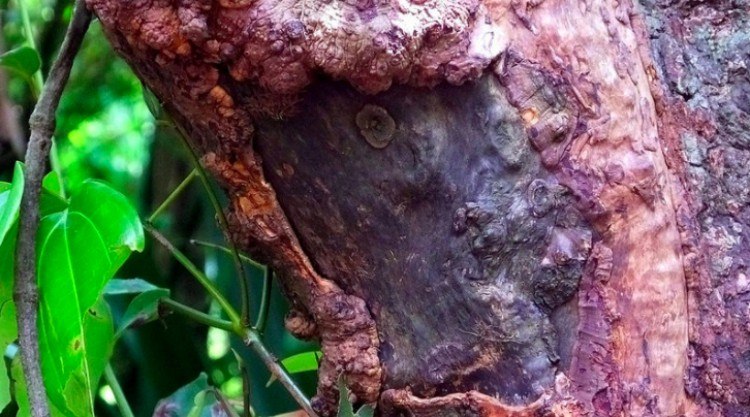
4. Cinnamon Comes from the Bark of a Tree
That fragrant cinnamon stick in your spice rack is actually stripped tree bark! The inner bark of the cinnamon tree is carefully peeled, rolled, and dried, forming the curled sticks we use in baking and beverages.
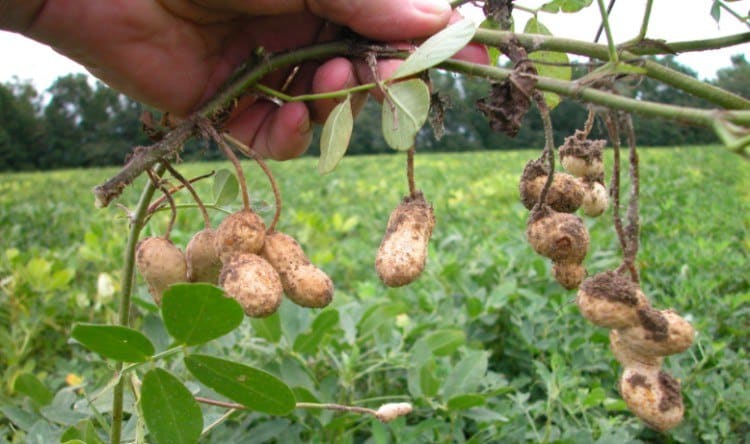
5. Peanuts Grow Underground Like Root Vegetables
Unlike other nuts, peanuts grow beneath the soil! After their yellow flowers bloom, the plant sends its stems downward, burying the pods in the ground where the peanuts develop.
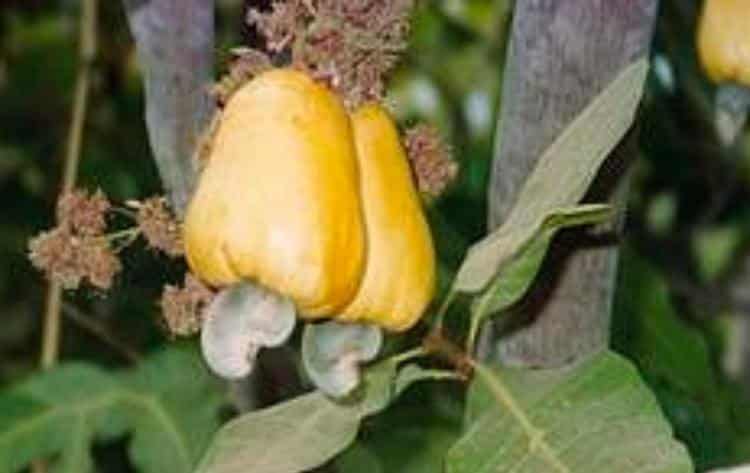
6. Cashews Grow Attached to Large, Colorful Fruits
Cashews grow in an unusual way—each nut develops outside of a cashew apple, a tropical fruit that is also edible. The nut itself is encased in a toxic shell that must be roasted before eating.
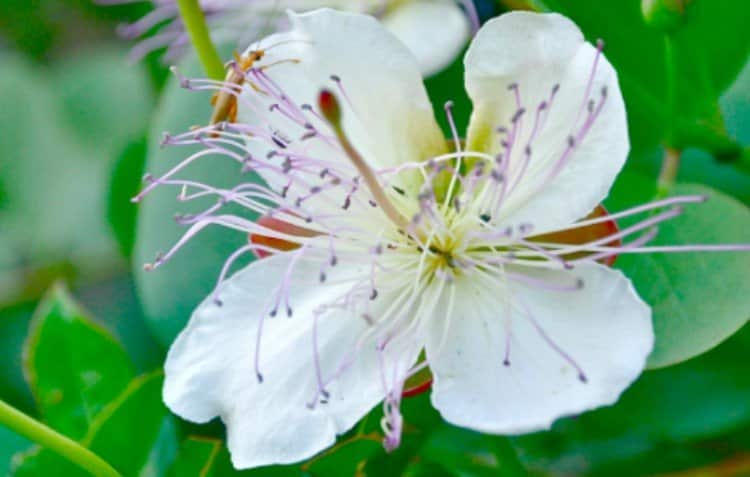
7. Capers Look Like Delicate Hibiscus Flowers
Before they become the tiny, pickled condiments we use in cooking, capers bloom into beautiful white and purple flowers. These buds are hand-harvested before they fully open.
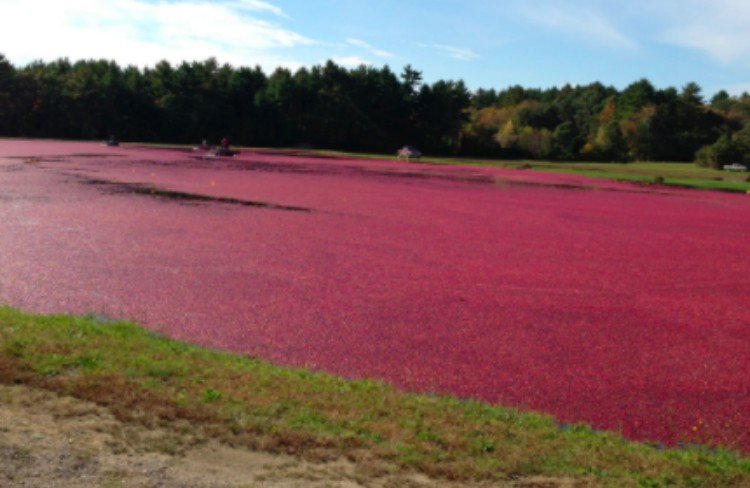
8. Cranberries Are Harvested from Floating Bogs
Cranberries grow on low-lying shrubs in marshy areas. When it’s time to harvest, farmers flood the bogs, allowing the cranberries to float to the surface for easy collection.
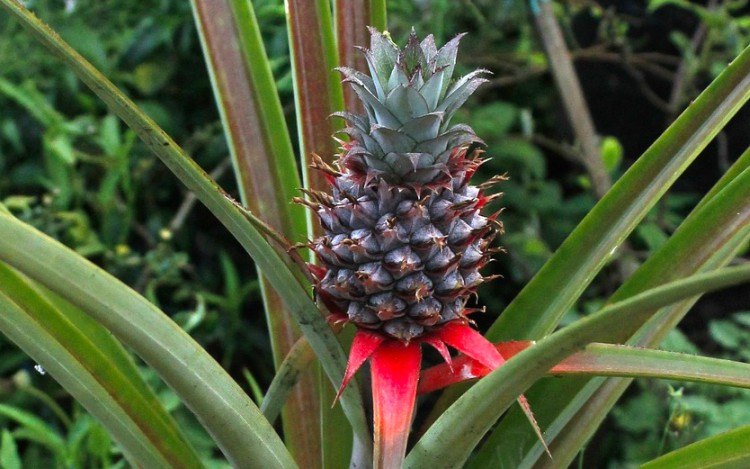
9. Pineapples Grow from the Ground Up
Many people assume that pineapples grow on trees, but they actually sprout from a leafy plant near the ground. Each plant produces only one pineapple at a time, making them a slow-growing but fascinating crop.
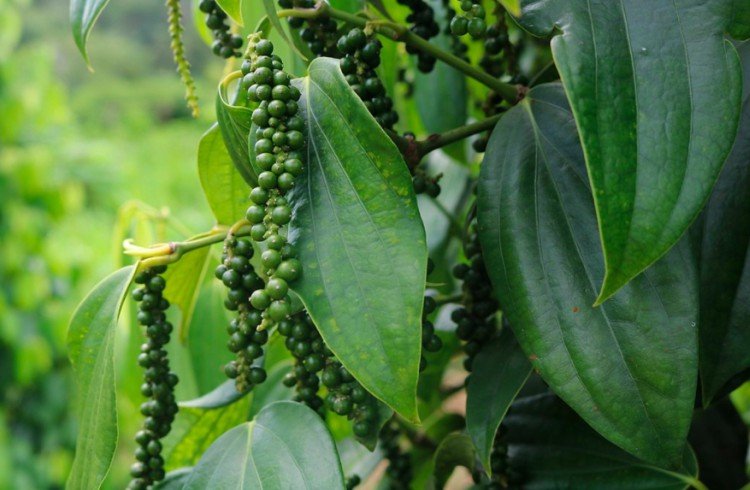
10. Black Pepper Comes from Tiny, Unripe Berries
Black pepper is harvested from small, green berries that grow on climbing vines. Once picked, they are dried, turning into the black peppercorns we grind for seasoning.
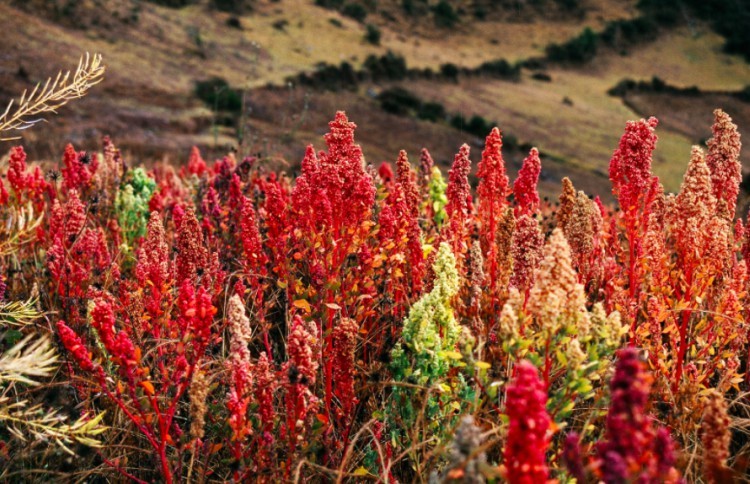
11. Quinoa Fields Look Like Lavender Meadows
Quinoa plants are breathtaking in full bloom, resembling fields of red, pink, and purple flowers. The seeds, which are harvested for consumption, grow in clusters along the stalks.
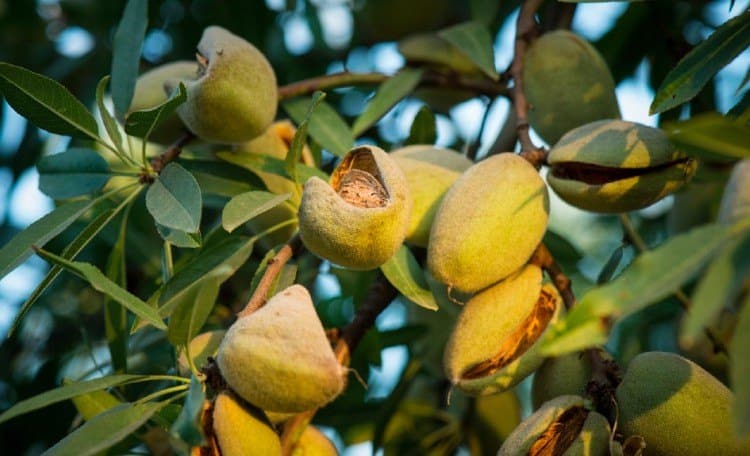
12. Almonds Develop Inside Fuzzy Green Shells
Before reaching their crunchy, nutty form, almonds grow inside soft, green outer shells that split open when the nuts are ready for harvest. These shells dry out, revealing the familiar almond inside.
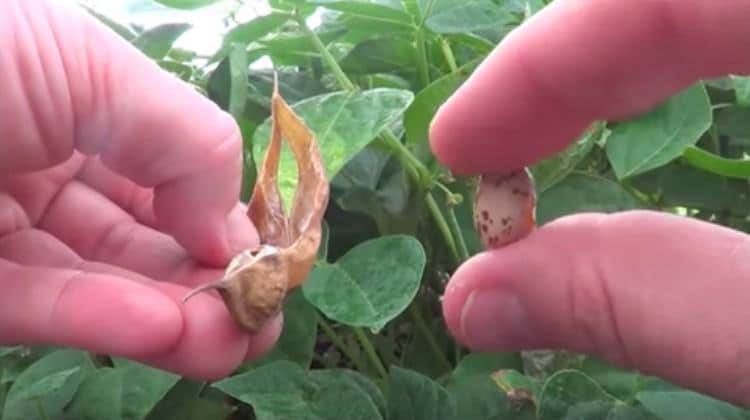
13. Pinto Beans Grow in Pods Like Peas
Just like green beans, pinto beans develop inside pods that grow along the plant’s vines. When the pods dry out, they are harvested and shelled to reveal the brown-speckled beans inside.
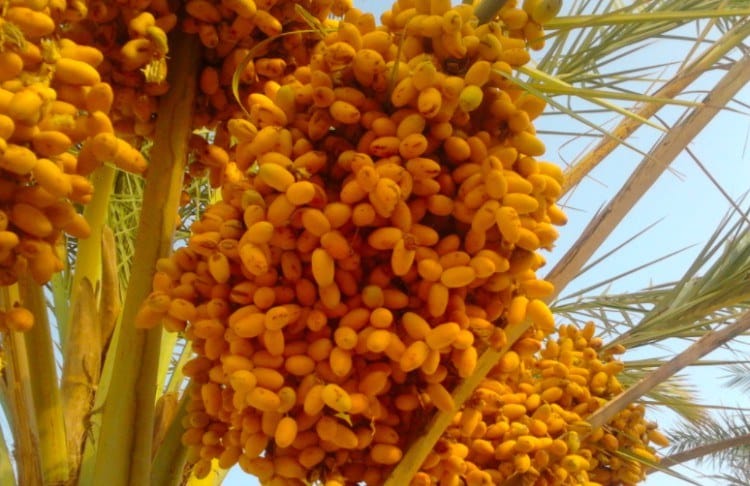
14. Dates Grow in Towering Clusters on Palm Trees
Dates grow in huge bunches on tall palm trees, sometimes weighing over 40 pounds per cluster! These naturally sweet fruits are hand-harvested by climbing or using special lifts.
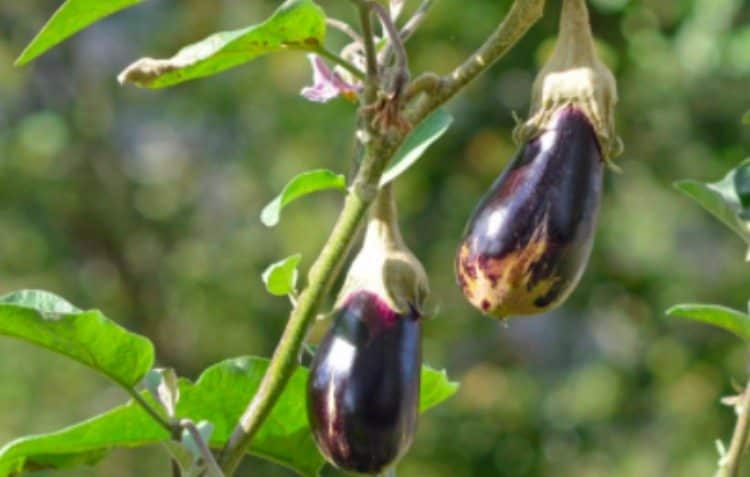
15. Eggplants Are Technically Fruits, Not Vegetables
It’s true—eggplants belong to the fruit family since they grow from flowers and contain seeds. They thrive on bushy plants and come in various colors and shapes, from deep purple to white or even striped varieties.
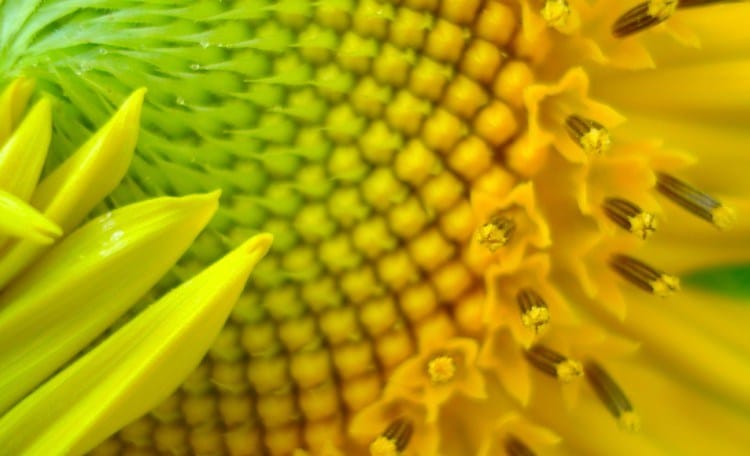
16. Sunflower Seeds Are Hidden Inside the Flower’s Head
A single sunflower head can contain up to 2,000 seeds! Once pollinated, the seeds form in neat spirals within the flower. When dried, they are harvested for snacking or oil production.
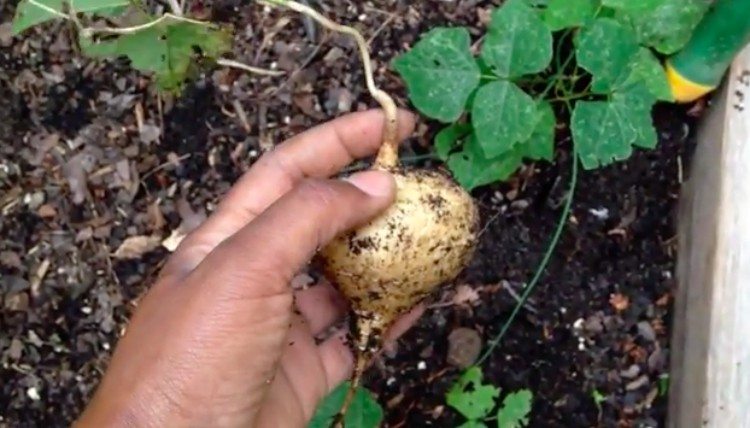
17. Jicama Resembles a Turnip Underground
Jicama, also known as the Mexican yam bean, is a root vegetable with a crisp, refreshing taste. Its leafy vine grows above the ground, while the edible root forms beneath the soil.
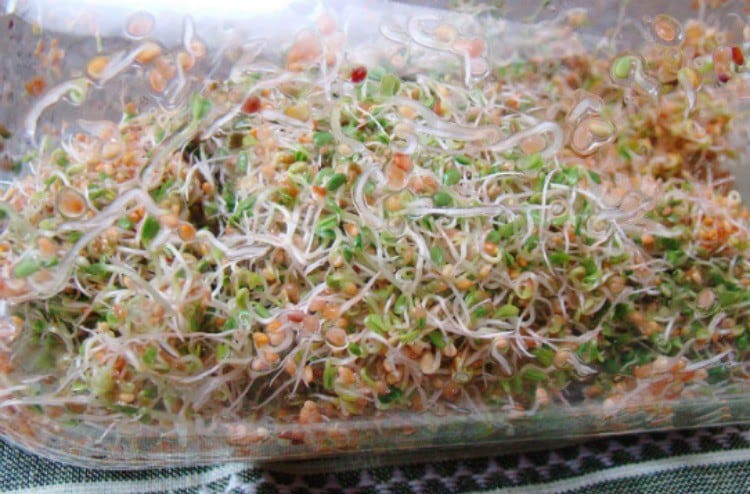
18. Alfalfa Sprouts Can Be Grown Right in a Jar
Alfalfa, commonly eaten in salads and sandwiches, starts as tiny seeds that can sprout in just a few days inside a jar with a bit of water. They are packed with nutrients and easy to grow at home!
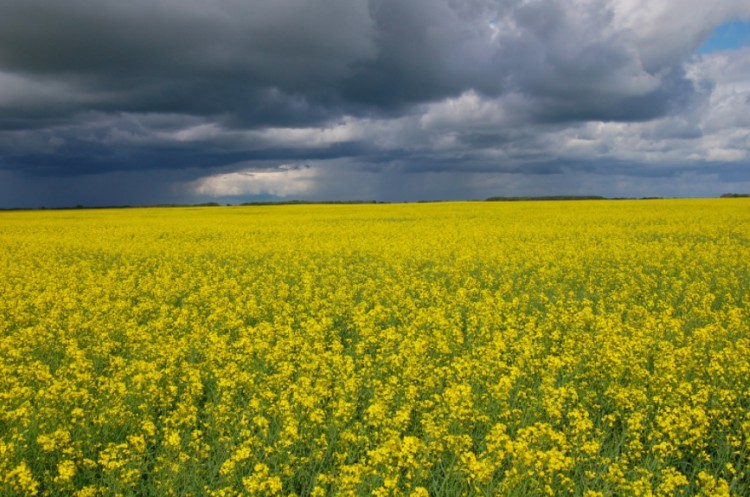
19. Mustard Plants Produce Tiny Seeds for a Big Flavor
The classic mustard condiment originates from small, yellow-flowered plants that produce tiny seeds inside pods. These seeds are ground and mixed with vinegar to create the mustard we know and love.
Next time you shop for fruits and vegetables, take a moment to appreciate the fascinating ways they grow!
Seeing their natural beauty and unexpected forms can make you even more excited about fresh, whole foods.