Natural remedies are gaining renewed attention, and for good reason. Many everyday skin and fungal problems respond surprisingly well to simple ingredients found in almost every home.
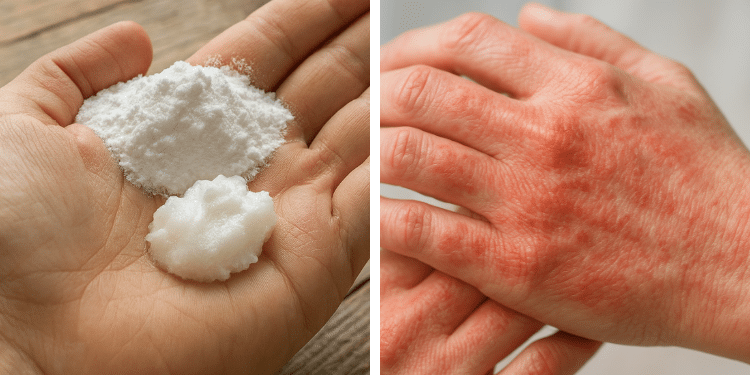
Two of the most powerful – and affordable – are baking soda and coconut oil. Used together, they create a gentle yet effective combination that supports skin balance, reduces fungal overgrowth, and promotes healing without harsh chemicals.
Baking soda works by balancing pH and gently exfoliating the skin, while coconut oil delivers antifungal, antibacterial, and deeply moisturizing benefits.
When combined properly, these two ingredients can address a wide range of skin concerns that many people struggle with daily.
Here’s how this natural duo works – and the more than 12 skin and fungal issues it may help improve.
Why Baking Soda and Coconut Oil Work So Well Together
Baking soda (sodium bicarbonate) has mild alkalizing and exfoliating properties. It helps neutralize excess acidity on the skin, which is often where fungi and odor-causing bacteria thrive.
Coconut oil, on the other hand, is rich in lauric acid and caprylic acid, two fatty acids known for their antifungal and antibacterial effects.
Together, they create a balanced topical blend that can:
- reduce fungal growth
- calm inflammation
- remove dead skin cells
- moisturize and repair the skin barrier
- discourage odor-causing microbes
This makes the combination especially useful for skin conditions linked to moisture, friction, or microbial imbalance.
1. Athlete’s Foot
Athlete’s foot thrives in warm, damp environments and is caused by a fungal overgrowth.
Baking soda helps dry the area and neutralize odor, while coconut oil actively fights fungal organisms and soothes cracked skin.
Regular application may help reduce itching, flaking, and redness while supporting skin healing.
2. Toenail and Fingernail Fungus
Fungal nail infections are stubborn, but coconut oil’s antifungal fatty acids can penetrate the nail bed over time.
Baking soda helps create an environment less favorable for fungal survival.
Consistent use may help slow fungal growth, improve nail appearance, and support healthier regrowth.
3. Ringworm (Fungal Skin Infections)
Despite its name, ringworm is a fungal condition. Coconut oil helps combat the fungus directly, while baking soda reduces irritation and helps dry the affected area.
This combination may help calm redness, itching, and spreading when used early.
4. Candida-Related Skin Rashes
Candida can affect skin folds, causing redness, itching, and irritation.
Baking soda helps reduce excessive moisture and acidity, while coconut oil targets yeast overgrowth and repairs irritated skin.
This is especially useful for underarms, groin areas, and skin folds.
5. Dandruff and Scalp Fungus
Many dandruff cases are linked to fungal imbalance on the scalp. A diluted baking soda scrub followed by coconut oil can help gently exfoliate flakes while moisturizing and calming the scalp.
This combination may help reduce itching, flaking, and dryness over time.
6. Body Odor and Underarm Issues
Body odor is often caused by bacteria feeding on sweat. Baking soda neutralizes odor-causing compounds, while coconut oil helps control bacterial growth and soothe sensitive skin.
Many people use this mixture as a natural alternative to chemical deodorants.
7. Foot Odor and Sweaty Feet
Feet are particularly prone to odor and fungal issues. Baking soda absorbs moisture and neutralizes smells, while coconut oil nourishes skin and discourages fungal growth.
Used consistently, this combination may help keep feet drier and fresher.
8. Jock Itch
Jock itch is another fungal condition that thrives in warm, moist areas. Coconut oil’s antifungal action combined with baking soda’s drying and soothing effects may help relieve itching and irritation.
Applying the mixture after washing and drying the area thoroughly can support recovery.
9. Dry, Cracked Heels
Beyond fungal issues, this duo is excellent for severely dry or cracked skin. Coconut oil deeply moisturizes and repairs, while baking soda gently exfoliates rough areas.
This makes it especially effective for heels, elbows, and knees.
10. Minor Skin Irritations and Rashes
Baking soda can help calm itching and irritation, while coconut oil reduces inflammation and supports skin repair.
Together, they may soothe minor rashes caused by friction, sweating, or mild allergic reactions.
This gentle approach is useful for sensitive skin when used sparingly.
11. Acne-Prone Skin (Occasional Use)
Coconut oil has antibacterial properties, while baking soda helps exfoliate clogged pores. When used carefully and infrequently, this combination may help reduce surface bacteria and dead skin buildup.
It’s best used as a short-contact mask or spot treatment rather than a daily routine.
12. Insect Bites and Itchy Skin
Baking soda helps reduce itching and inflammation, while coconut oil soothes the skin and supports healing. Together, they can help calm mosquito bites, ant bites, and mild skin irritation.
13. Fungal-Related Skin Discoloration
Some fungal infections cause dark or uneven skin patches. By addressing the underlying fungal imbalance and supporting healthy skin turnover, this mixture may help improve skin tone over time.
How to Make the Baking Soda and Coconut Oil Paste
To prepare a basic topical blend:
- Mix 1 tablespoon of coconut oil
- Add ½ to 1 teaspoon of baking soda
- Stir into a smooth paste
Apply a thin layer to clean, dry skin. Leave on for 10–15 minutes or overnight (depending on sensitivity), then rinse if desired.
For feet or nails, overnight application with socks can enhance results.
How Often Should You Use It?
- For fungal issues: 1–2 times daily
- For odor or moisture control: once daily
- For exfoliation or skin smoothing: 2–3 times per week
Consistency matters more than quantity.
Precautions and Skin Sensitivity
While natural, baking soda can be abrasive if overused. Always:
- patch test first
- avoid broken skin
- reduce baking soda amount for sensitive areas
- discontinue if irritation occurs
Coconut oil is generally well tolerated but may clog pores for some skin types.
Why This Remedy Remains Popular
Baking soda and coconut oil continue to be used because they are:
- affordable
- widely available
- free from synthetic chemicals
- multifunctional
- gentle when used correctly
They address the root causes of many skin and fungal issues rather than simply masking symptoms.
Baking soda and coconut oil form a powerful natural combination that can help address more than a dozen common skin and fungal concerns.
From athlete’s foot and nail fungus to body odor, rashes, and dry skin, this simple duo offers an effective, budget-friendly alternative to many store-bought products.