The human circulatory network is a masterfully engineered highway system spanning over 60,000 miles.
At the center of this system are your arteries – the flexible, muscular vessels responsible for carrying oxygen-dense, nutrient-rich blood from your heart to every organ and tissue in your body.
In a perfectly healthy state, the inner lining of these vessels (the endothelium) is smooth, flexible, and highly elastic.
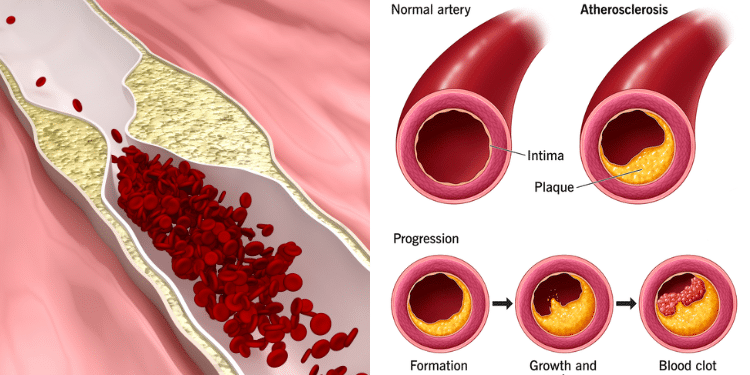
However, over time, a combination of oxidative stress, systemic inflammation, and elevated lipid levels can cause plaque to build up along the arterial walls.
This process, known as atherosclerosis, gradually stiffens and narrows the vessels, forcing the heart to work harder to pump blood.
While genetics play a role, your daily nutritional choices are a powerful tool for maintaining clear, flexible blood vessels.
Certain whole foods contain specific micronutrients, antioxidants, and compounds that actively protect the endothelium, look after nitric oxide production, and support smooth blood flow.
The Biological Engine of Vascular Suppleness
To understand how food protects your arteries, you must look at the endothelial matrix. The endothelium isn’t just a simple pipeline lining; it is an active cellular layer that regulates blood pressure and vascular health.
The primary tool your endothelium uses to keep blood flowing smoothly is a gas molecule called nitric oxide (NO).
Nitric oxide signals the smooth muscle tissue surrounding your arteries to relax and dilate, naturally helping to manage blood pressure.
When your diet is low in protective antioxidants and high in ultra-processed ingredients, free radicals can break down nitric oxide, leaving the arterial walls vulnerable to damage.
By focusing on foods rich in specific polyphenols, healthy fats, and clean fibers, you can support your body’s natural arterial protection systems.
Cardiovascular Vital Metrics to Know
To support optimal circulation and arterial elasticity, modern lifestyle tracking typically focuses on maintaining these key clinical baselines:
| Cardiovascular Marker | Ideal Target Range | Physiological Significance |
| Total Cholesterol Profile | Under 200 mg/dL | Measures the total volume of circulating lipids within the bloodstream |
| HDL “Protective” Lipid Level | Above 60 mg/dL | Acts as a scavenger, carrying excess cholesterol back to the liver |
| Optimal Blood Pressure | Less than 120/80 mmHg | Reflects the physical pressure exerted against arterial walls during beats |
| Fasting Blood Glucose Baseline | 70 to 99 mg/dL | Prevents advanced glycation end-products from stiffening the vessel walls |
10 Foods to Support Clean, Flexible Arteries
1. Leafy Green Vegetables (Spinach, Kale, and Swiss Chard)
Leafy greens are foundational for vascular health, acting as an excellent source of natural dietary nitrates.
-
The Vascular Science: Your body converts these dietary nitrates directly into nitric oxide. This helps naturally dilate and relax blood vessels, reducing arterial pressure. Additionally, greens are packed with Vitamin K1, which plays a vital role in preventing calcium from building up inside your arterial walls, keeping them flexible.
2. Wild-Caught Fatty Fish (Salmon, Mackerel, and Sardines)
Fatty fish are the premier dietary source of long-chain Omega-3 fatty acids, specifically EPA (eicosapentaenoic acid) and DHA (docosahexaenoic acid).
-
The Vascular Science: Omega-3 fatty acids help stabilize cellular membranes and manage the production of inflammatory signaling molecules. Regular intake helps keep blood moving smoothly, lowers fasting triglyceride levels, and supports the structural integrity of the endothelial lining.
3. Whole Berries (Blueberries, Blackberries, and Raspberries)
Berries get their vibrant blue, red, and purple hues from a powerful class of antioxidants known as anthocyanins.
-
The Vascular Science: Anthocyanins help stimulate the enzyme responsible for creating nitric oxide inside your blood vessels. This proactive antioxidant support helps shield circulating LDL cholesterol from oxidizing, a key initial step in maintaining clear, smooth arterial pathways.
4. Extra Virgin Olive Oil (EVOO)
Extra virgin olive oil is the cornerstone of the heart-healthy Mediterranean diet, packed with monounsaturated fats and rich polyphenol compounds like oleocanthal and hydroxytyrosol.
-
The Vascular Science: High-quality, cold-pressed olive oil helps maintain healthy levels of HDL (“good”) cholesterol, which clears excess lipids from the bloodstream. Its dense antioxidant profile helps protect endothelial cells from everyday oxidative stress.
5. Garlic (Allium sativum)
Garlic has been used for centuries to support cardiovascular health. When raw garlic is crushed or chopped, an enzyme reaction creates a powerful sulfur compound called allicin.
-
The Vascular Science: Allicin interacts with red blood cells to produce small amounts of hydrogen sulfide, a gas that works alongside nitric oxide to relax blood vessels and support healthy, efficient circulation throughout the body.
6. Pomegranates and Pure Pomegranate Juice
Pomegranates contain an exceptional concentration of unique antioxidant compounds called punicalagins.
-
The Vascular Science: Clinical research indicates that the dense polyphenols in pomegranates help protect the nitric oxide molecule from being broken down by free radicals. This steady support helps preserve arterial flexibility and shields delicate inner vessel walls from oxidative wear and tear.
7. Fermented Foods (Natto, Kimchi, and Raw Kefir)
Fermented foods are packed with beneficial probiotics and are an excellent source of Vitamin K2 (specifically the menaquinone-7 form), which is created during the fermentation process.
-
The Vascular Science: While Vitamin K1 manages blood clotting, Vitamin K2 acts as a traffic controller for calcium. It activates a specific protein (Matrix Gla Protein) that binds to free calcium in the blood and delivers it to your bones and teeth, keeping it from building up inside your delicate arterial walls.
8. Walnuts and Almonds
Walnuts are unique among tree nuts because they contain a high concentration of alpha-linolenic acid (ALA), an essential plant-based omega-3 fatty acid, alongside protective vitamin E.
-
The Vascular Science: Enjoying a handful of walnuts or almonds helps look after your blood vessels’ ability to expand and contract smoothly after meals. Their high fiber and healthy fat content also support balanced cholesterol levels.
9. Avocado
Avocados are rich in heart-healthy monounsaturated oleic acid, dietary fiber, and essential potassium.
-
The Vascular Science: Replacing saturated fats with the monounsaturated fats found in avocados helps support optimal balances of LDL and HDL cholesterol. Additionally, the high potassium content helps manage normal blood pressure by assisting the kidneys in clearing excess sodium from the body.
10. High-Flavanol Dark Chocolate (85%+ Cacao)
Pure, minimally processed cacao beans are packed with bitter plant compounds known as flavanols.
-
The Vascular Science: Cocoa flavanols actively support the endothelial cells, helping them produce nitric oxide to maintain healthy blood flow and arterial flexibility. To enjoy these benefits without excess refined sugar, choose dark chocolate with a cacao content of 85% or higher.
3 Pillars to Support Vibrant Circulation
To complement a heart-healthy diet, focus on these three foundational lifestyle practices to keep your circulatory system in top shape:
Maintaining clear, elastic, and strong arteries is a lifelong process that relies heavily on your daily nutritional choices.
By shifting away from heavily processed, sugar-laden foods and incorporating nutrient-dense options like leafy greens, fatty fish, vibrant berries, and cold-pressed olive oil, you provide your blood vessels with the raw materials they need to stay flexible and healthy for years to come.