Water is one of the most important elements in garden landscaping, but what if you live in a dry climate or want to reduce water consumption?
The solution is a low-water or drought-tolerant garden—a trend that is becoming increasingly popular due to its easy maintenance, sustainability, and stunning aesthetics.
With the right plants, materials, and design techniques, you can create a beautiful, thriving garden that requires minimal watering. And the best part? You don’t need to sacrifice beauty for sustainability!
Let’s explore how to design a low-water garden, what plants to choose, and the best landscaping tips to keep your yard looking lush and vibrant—even in dry conditions!
Why Choose a Low-Water Garden?
A low-water landscape (also known as xeriscaping) is designed to minimize water usage while still looking lush and inviting.
It’s a great choice for:
- Drought-prone areas where water restrictions are common.
- Busy homeowners who want a low-maintenance yard.
- Eco-conscious gardeners looking to conserve water.
- Anyone who wants a stunning, unique outdoor space!
By selecting the right plants and incorporating smart landscaping elements, you can create a garden that thrives year-round—without constant watering.
Best Plants for Low-Water Landscaping
Even without a traditional lawn or flower beds, your garden can still be full of color, texture, and life. Consider these drought-tolerant plants to keep your landscape looking lush with minimal effort:
1. Succulents & Cacti
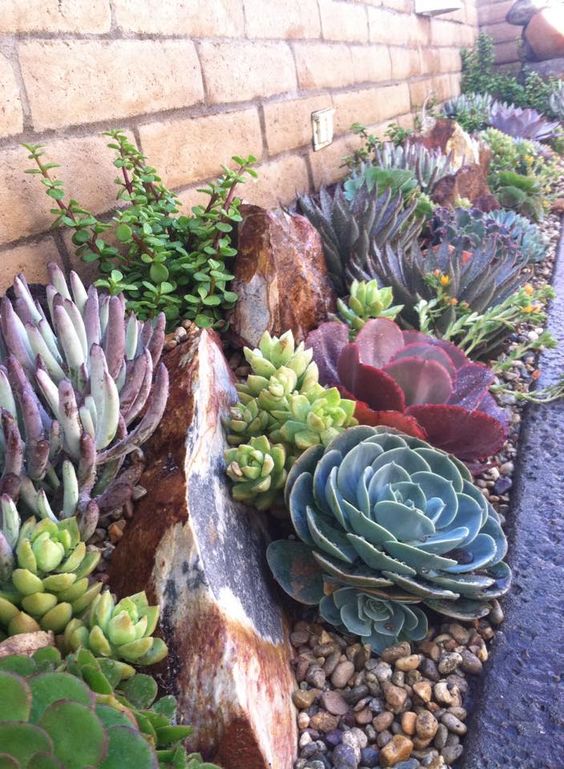
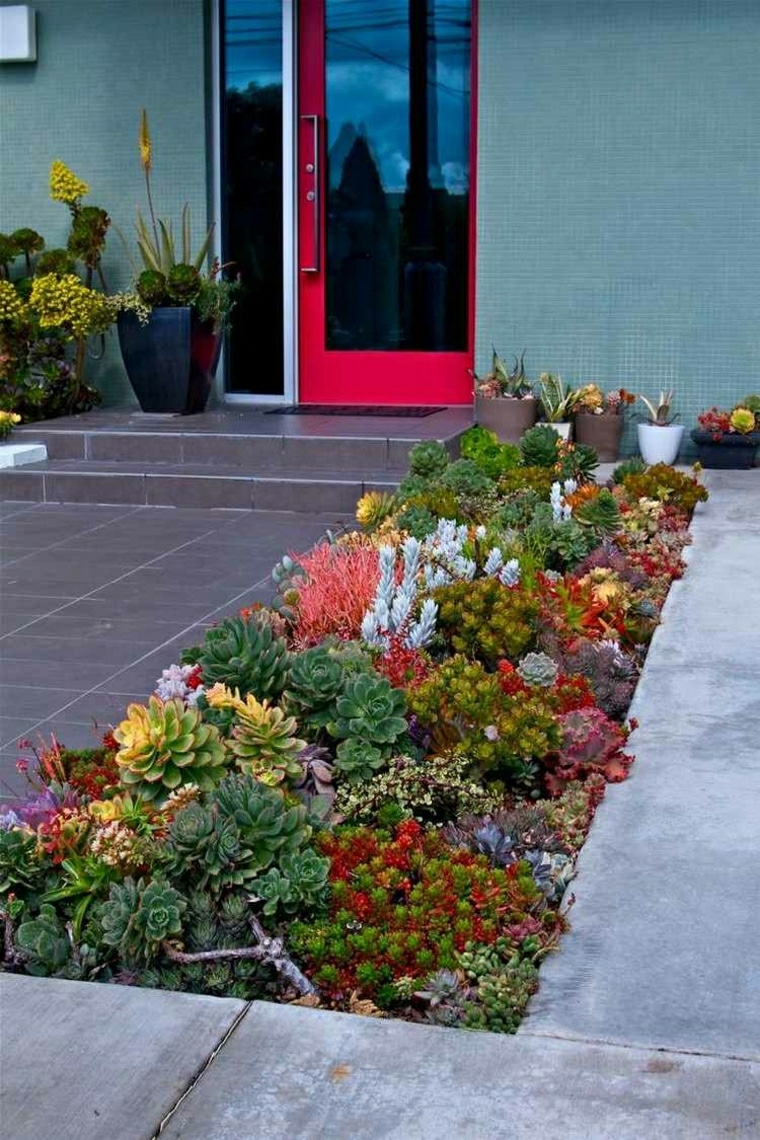
Succulents are the ultimate low-water plants, thanks to their ability to store moisture in their leaves. They come in various shapes, sizes, and colors, adding a striking visual appeal to your garden.
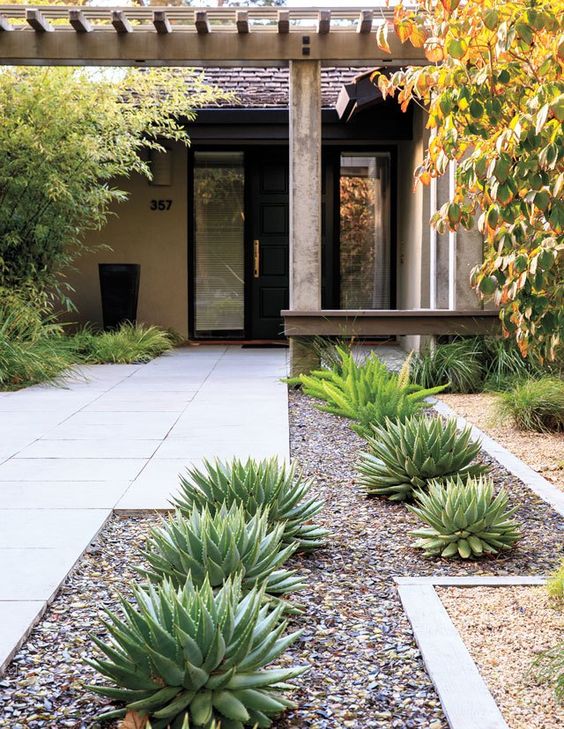
Best Succulents for Dry Landscaping: Agave, Echeveria, Aloe Vera, Sedum, Jade Plant, Yucca.
Care Tip: Plant succulents in sandy, well-draining soil and avoid overwatering.
2. Drought-Resistant Perennials & Flowers
If you still want flowers in your garden, choose perennials that can thrive in dry conditions. These flowers are not only beautiful but also attract pollinators like bees and butterflies!
Best Drought-Tolerant Perennials:
- Lavender – Fragrant, attracts pollinators, and thrives in full sun.
- Yarrow – Comes in a variety of colors and is highly resistant to drought.
- Russian Sage – A gorgeous, tall plant with silvery-green leaves and purple flowers.
- Blanket Flower – Adds bold red, orange, and yellow hues to the garden.
Care Tip: Group plants with similar water needs together to improve efficiency.
3. Ornamental Grasses for a Natural Look
Grasses add movement and texture to a garden, and many varieties thrive in low-water environments.
Best Ornamental Grasses for Low-Water Landscaping:
- Fountain Grass – Soft, feathery plumes that sway beautifully in the wind.
- Blue Oatgrass – Striking blue-green color with an upright growth habit.
- Purple Fountain Grass – Adds rich color with its deep purple hues.
- Pampas Grass – Tall, dramatic, and drought-tolerant.
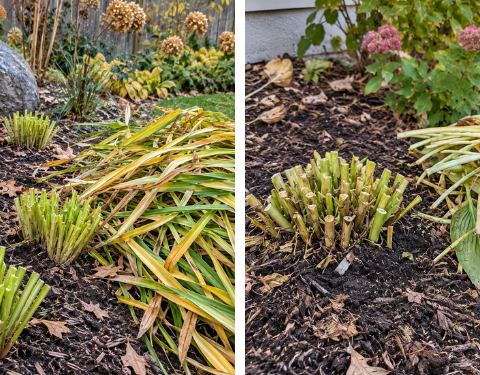
Care Tip: Cut back ornamental grasses in late winter to encourage fresh growth in spring.
Hardscaping: Using Rocks, Gravel & Mulch for Low-Water Gardens
Since water conservation is key, replacing large grassy areas with decorative hardscaping elements helps reduce water use while still maintaining a stunning outdoor space.
1. Replace Grass with Artificial Turf or Gravel
Instead of maintaining a thirsty lawn, opt for:
- Artificial grass – Realistic-looking and maintenance-free.
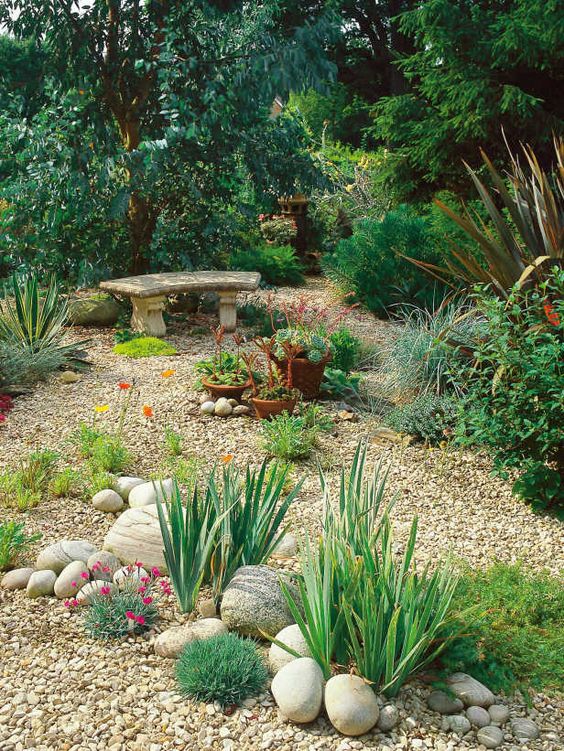
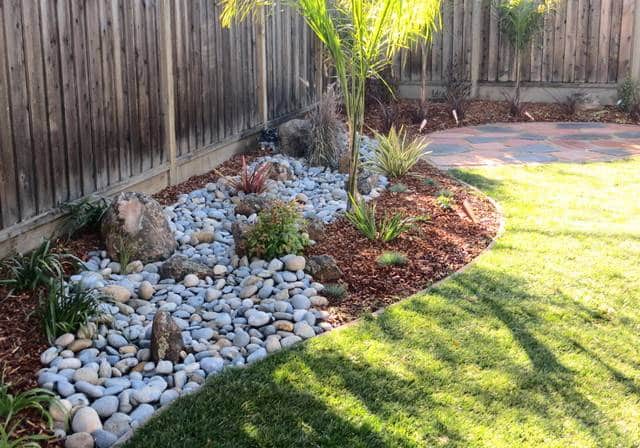
- Pea gravel or crushed rock – Allows for good drainage while providing a modern, minimalist aesthetic.
- Decomposed granite – Works well for pathways and open spaces.
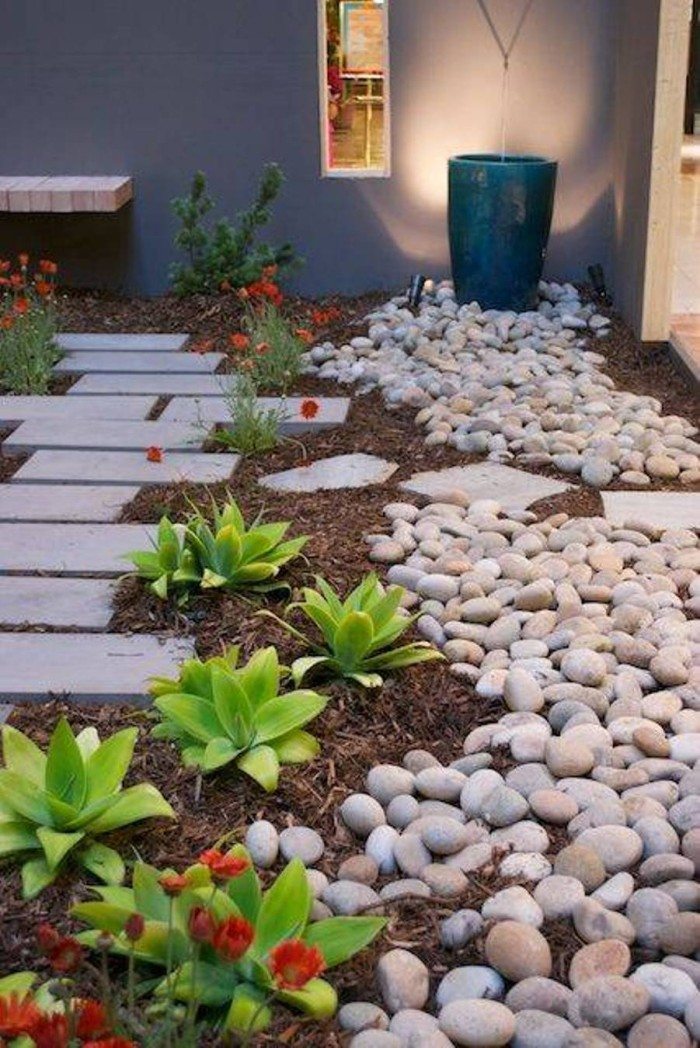
Bonus Tip: Use stepping stones to create a beautiful, natural walkway.
2. Use Mulch to Retain Moisture & Prevent Weeds
Mulch is an essential part of low-water landscaping because it reduces evaporation, retains moisture, and prevents weed growth.
Best Mulches for Dry Climates:
- Wood chips – Slow to break down and provide long-term moisture retention.
- Bark mulch – Looks great and is ideal for flower beds.
- Stone mulch (gravel, pebbles, river rock) – Adds a modern look and prevents weeds.
Pro Tip: Apply 2-4 inches of mulch around plants to keep soil cool and prevent moisture loss.
Design Tips for a Stunning Low-Water Garden
Now that you know which plants and materials to use, here are a few extra design tips to make your low-water landscape visually appealing:
Mix Textures & Heights – Combine tall ornamental grasses, low-growing succulents, and flowering perennials for contrast.
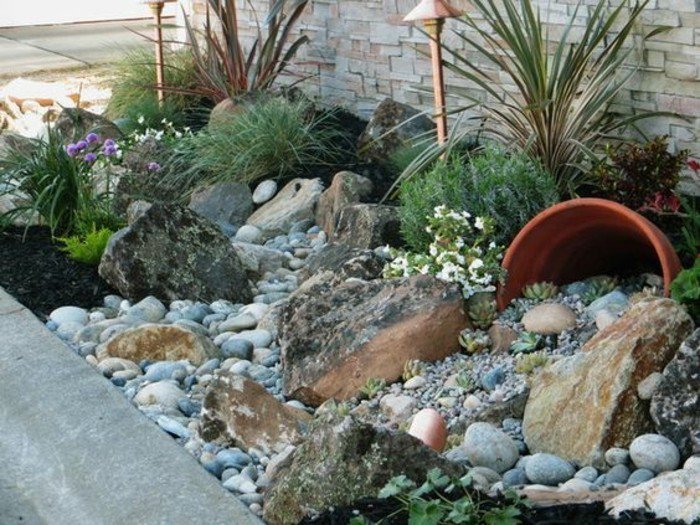
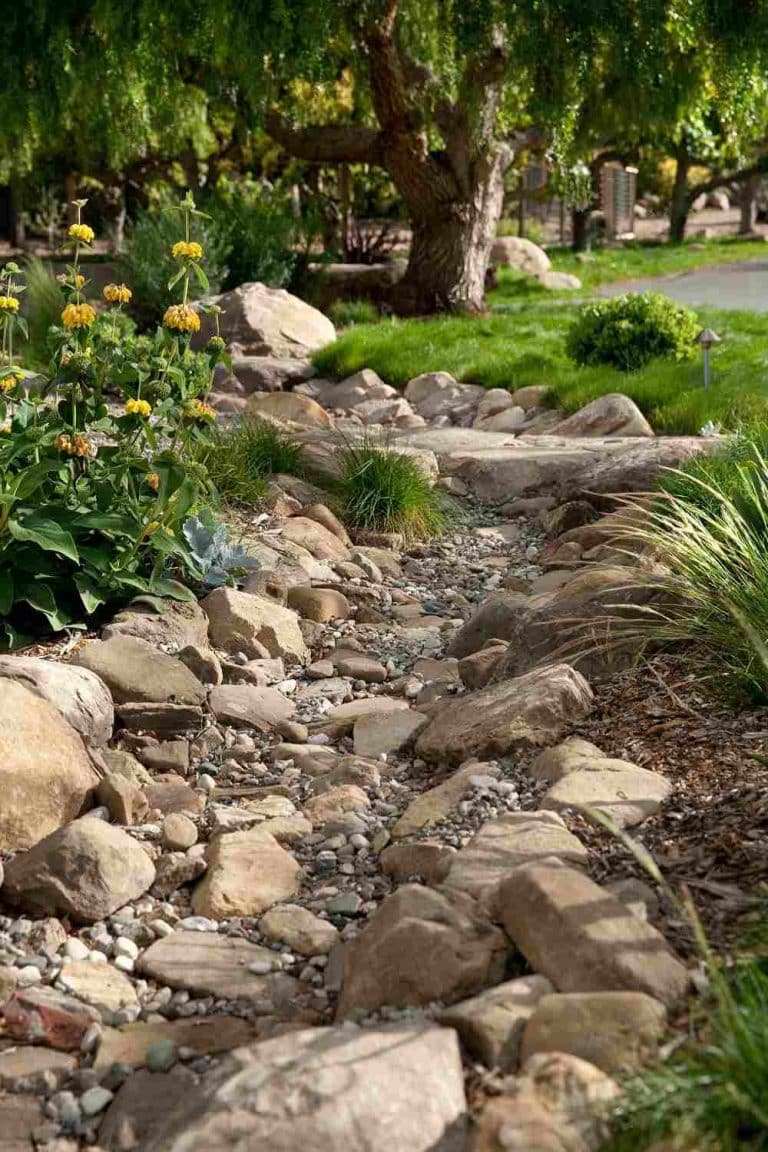
Create Rock Gardens – Use boulders, river rocks, and gravel to create a natural, artistic look.
Add a Water Feature – A small fountain or dry riverbed can add a tranquil feel without using much water.
Use Raised Beds or Containers – Helps control soil moisture and reduces water waste.
Incorporate Drought-Tolerant Trees – Trees like olive, mesquite, and acacia provide shade and reduce water evaporation.
Below we have picked several low water landscaping ideas that you can get inspired from. Let’s check them out!
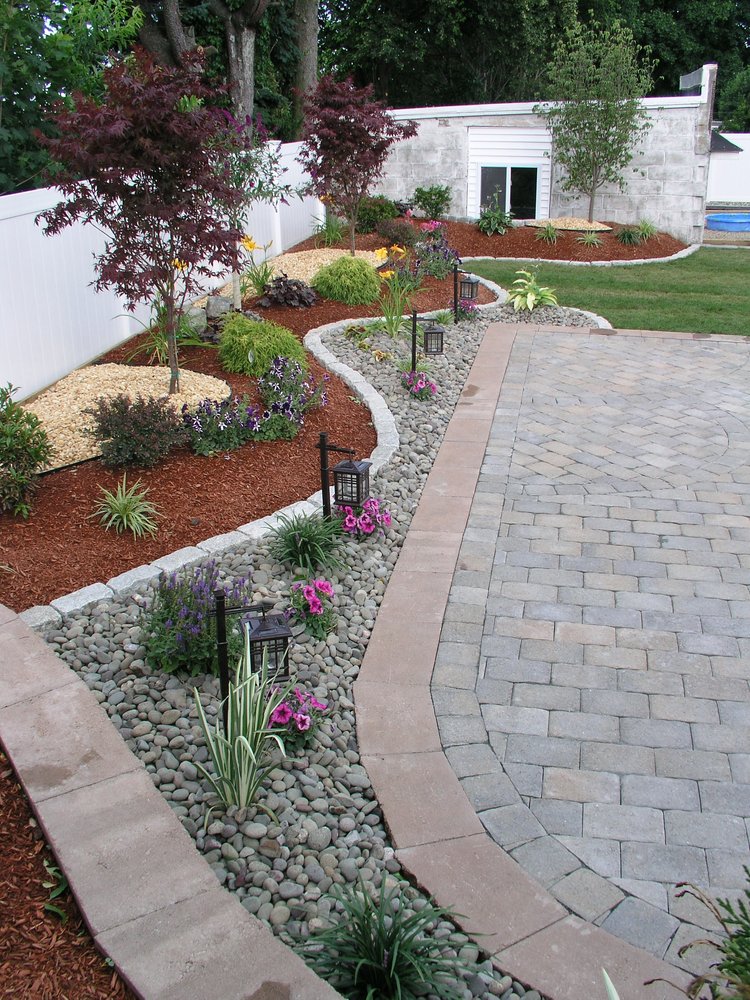
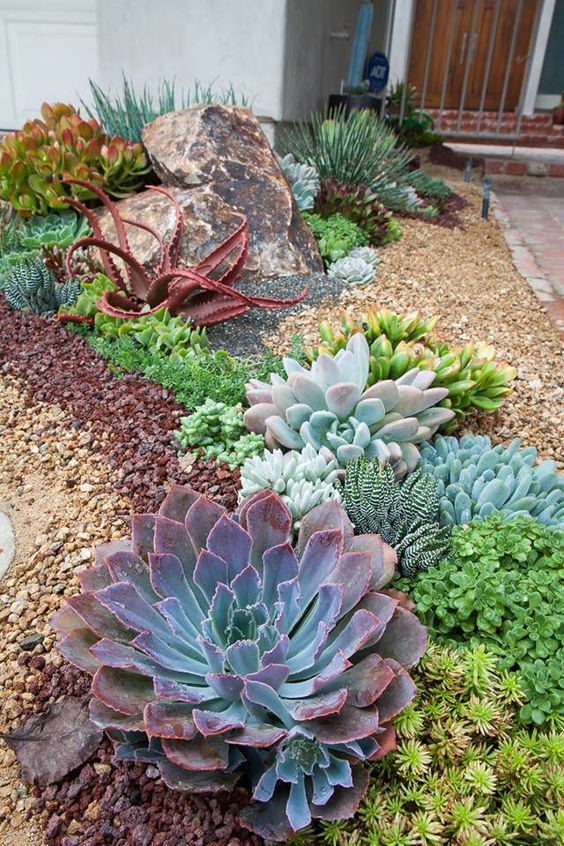
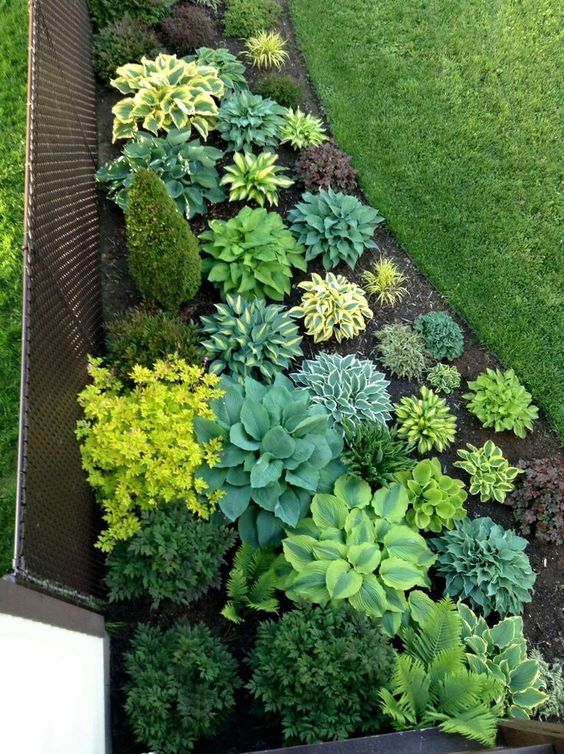
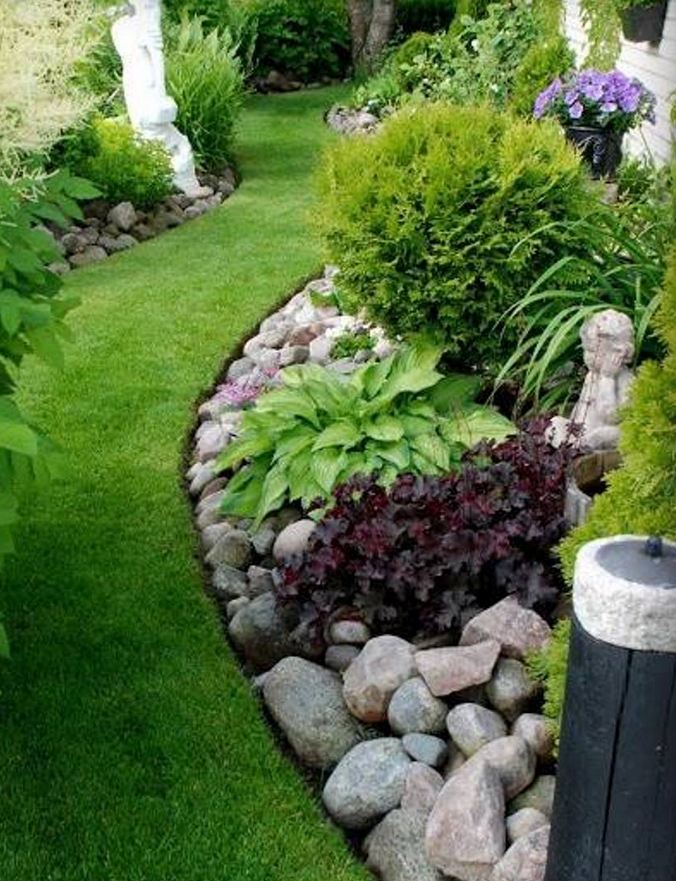
Switching to a low-water landscape doesn’t mean sacrificing beauty or greenery.
By using drought-resistant plants, hardscaping elements, and smart design techniques, you can create a stunning, eco-friendly outdoor space with minimal maintenance.