When you think of thistles, the first thing that might come to mind is their prickly, invasive nature. Often dismissed as a nuisance weed, the bull thistle (Cirsium vulgare) is a plant that many gardeners and farmers actively try to eradicate.
However, what most people don’t realize is that this wild plant has a wealth of surprising benefits. From its nutritional value to its medicinal properties and ecological importance, the bull thistle is a plant worth understanding and appreciating.
In this article, we’ll explore the many uses and benefits of bull thistle, how to identify it, and why it deserves a second look.
What is Bull Thistle?
Bull thistle (Cirsium vulgare) is a biennial plant native to Europe, Asia, and North Africa. It has since spread to other parts of the world, including North America, where it is often considered an invasive species.
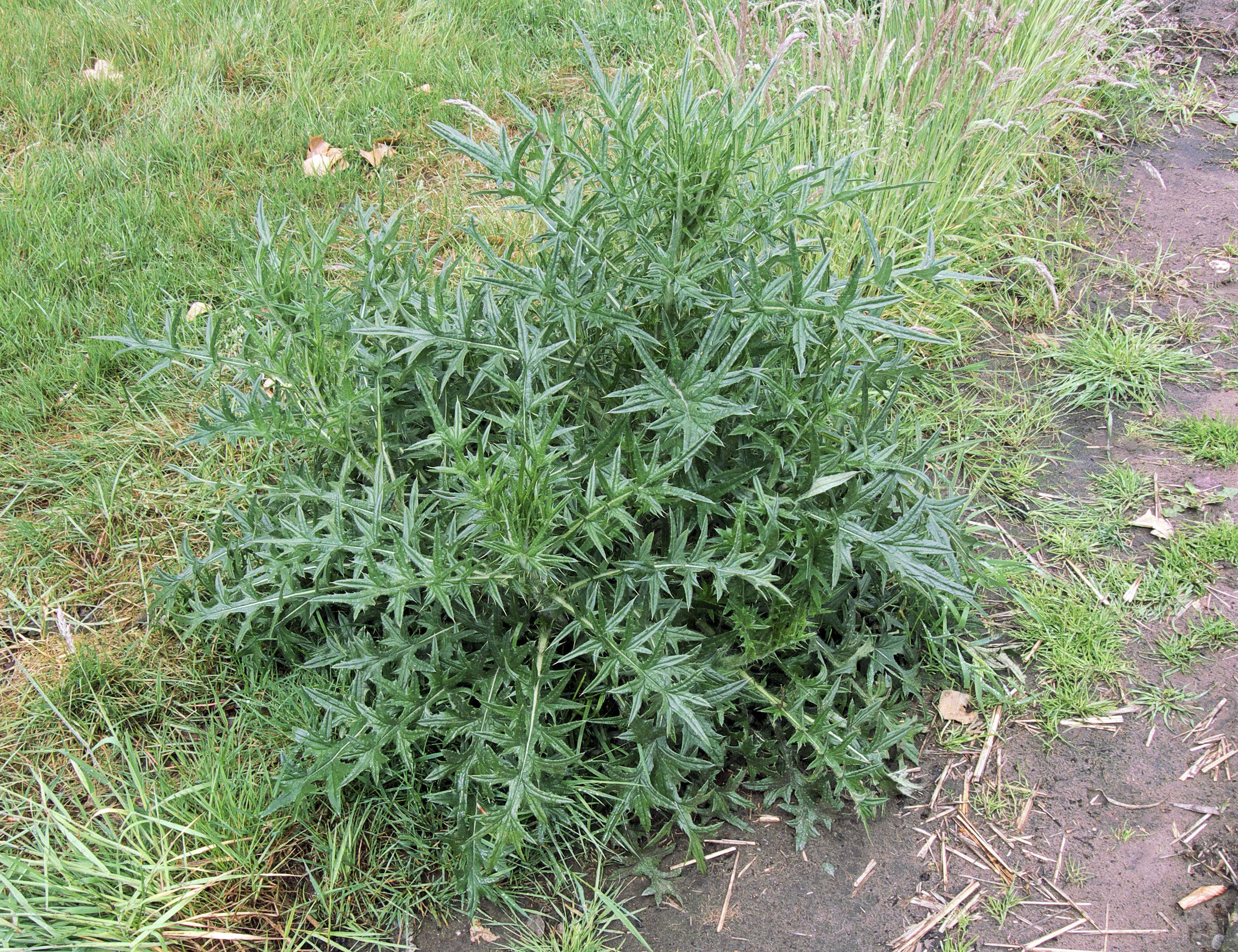
The plant is characterized by its tall, spiny stems, purple flower heads, and deeply lobed leaves covered in sharp spines.
Despite its aggressive growth habits, bull thistle plays a significant role in ecosystems and has been used by humans for centuries.
Identifying Bull Thistle
Before you can appreciate the benefits of bull thistle, it’s important to know how to identify it. Here are some key features:
- Height: Bull thistle can grow up to 6 feet tall.
- Stems: The stems are thick, hairy, and covered in sharp spines.
- Leaves: The leaves are dark green, deeply lobed, and have sharp spines along the edges.
- Flowers: The flower heads are purple or pink and surrounded by spiny bracts.
- Roots: The plant has a taproot that can extend deep into the soil.
Bull thistle is often confused with other thistle species, such as the Canada thistle (Cirsium arvense). However, bull thistle’s larger size, spiny stems, and biennial growth cycle help distinguish it from its relatives.
Ecological Importance of Bull Thistle
While bull thistle is often labeled as invasive, it plays a vital role in ecosystems. Here’s how:
1. Supports Pollinators
Bull thistle is a favorite among pollinators, including bees, butterflies, and hummingbirds. Its nectar-rich flowers provide an essential food source, especially in late summer when other flowers may be scarce.
2. Provides Habitat
The dense growth of bull thistle offers shelter and nesting sites for small animals and birds. Its spiny leaves also protect these creatures from predators.
3. Improves Soil Health
As a pioneer species, bull thistle often grows in disturbed or degraded soils. Its deep taproot helps break up compacted soil, improving aeration and water infiltration.
When the plant dies, it adds organic matter to the soil, enriching it for future plant growth.
Nutritional Benefits of Bull Thistle
Bull thistle is not just a pretty flower—it’s also a nutritious plant.
Here’s what makes it a valuable addition to your diet:
- Rich in Vitamins: Bull thistle leaves are a good source of vitamins A and C, which support immune function and skin health.
- High in Fiber: The plant’s leaves and stems are rich in dietary fiber, promoting digestive health.
- Contains Minerals: Bull thistle provides essential minerals like calcium, magnesium, and potassium, which are important for bone health and muscle function.
- Low in Calories: Like many wild greens, bull thistle is low in calories, making it a healthy choice for weight management.
Medicinal Uses of Bull Thistle
Bull thistle has a long history of use in traditional medicine. Modern research is beginning to uncover the science behind its healing properties.
Here are some of its most notable medicinal benefits:
1. Anti-Inflammatory Properties
Bull thistle contains compounds that help reduce inflammation, making it useful for treating conditions like arthritis and joint pain.
2. Liver Support
The plant has been used traditionally to support liver health and detoxification. Its antioxidants help protect the liver from damage caused by toxins.
3. Wound Healing
Bull thistle leaves can be crushed and applied topically to wounds, cuts, and burns. Their antimicrobial properties help prevent infection and promote healing.
4. Digestive Aid
The high fiber content in bull thistle supports healthy digestion and can help alleviate constipation and bloating.
5. Immune Booster
Thanks to its vitamin C content, bull thistle can strengthen the immune system and help the body fight off infections.
Culinary Uses of Bull Thistle
While bull thistle may not be a staple in modern kitchens, it has been used as a food source for centuries.
Here’s how you can incorporate it into your meals:
1. Young Leaves
The young leaves of bull thistle are edible and can be eaten raw or cooked. They have a slightly bitter taste, similar to dandelion greens. To reduce the bitterness, boil the leaves in water for a few minutes before using them in salads, soups, or stir-fries.
2. Stems
The tender stems of young bull thistle plants can be peeled and eaten raw or cooked. They have a mild, celery-like flavor and can be added to salads or used as a crunchy snack.
3. Roots
The roots of bull thistle can be harvested in the plant’s first year. They can be boiled, roasted, or ground into flour for use in baking.
4. Flowers
The flower buds of bull thistle can be cooked and eaten like artichokes. They have a similar flavor and texture, making them a unique addition to your meals.
How to Harvest Bull Thistle Safely
Harvesting bull thistle requires caution due to its sharp spines. Here are some tips to do it safely:
- Wear Gloves: Protect your hands with thick gloves to avoid getting pricked by the spines.
- Use Tools: Use scissors or a knife to cut the leaves, stems, or flowers.
- Choose Young Plants: Young bull thistle plants are more tender and easier to harvest than mature ones.
- Avoid Contaminated Areas: Only harvest bull thistle from areas free of pesticides and pollution.
Precautions and Considerations
While bull thistle has many benefits, there are a few things to keep in mind:
- Allergies: Some people may be allergic to thistles. If you experience any allergic reactions, discontinue use immediately.
- Invasive Nature: Bull thistle can spread quickly and outcompete native plants. If you’re growing it, take steps to control its spread.
- Spines: Handle the plant with care to avoid injury from its sharp spines.
Bull thistle (Cirsium vulgare) is a plant that often gets a bad rap, but it’s time to reconsider its value.
From supporting pollinators and improving soil health to providing nutritional and medicinal benefits, this wild plant has much to offer.
Whether you’re foraging for its edible leaves and stems or using it as a natural remedy, bull thistle is a versatile and underappreciated resource.