Brussels sprouts are a nutritious and delicious addition to any home garden. These mini cabbage-like vegetables thrive in cool weather and produce an abundant harvest when properly cared for.
If you’re looking to grow a bounty of beautiful Brussels sprouts, this guide will provide you with everything you need to know—from planting and maintenance to harvesting and storage.
Why Grow Brussels Sprouts?
Before diving into the growing process, let’s explore why Brussels sprouts are a fantastic vegetable to cultivate:
1. Nutritional Powerhouse
Brussels sprouts are packed with essential nutrients, including:
- Vitamin C – Supports a healthy immune system.
- Vitamin K – Important for bone health and blood clotting.
- Fiber – Aids digestion and promotes gut health.
- Antioxidants – Help reduce inflammation and improve overall health.
2. Long Harvest Season
Once established, Brussels sprouts provide multiple harvests throughout fall and early winter.
3. Cold-Weather Hardy
Unlike many vegetables, Brussels sprouts thrive in cooler temperatures, making them perfect for autumn and winter gardening.
4. High Yield from Limited Space
Brussels sprouts grow vertically, making them an excellent crop for small gardens or raised beds.
Best Brussels Sprouts Varieties for Home Gardens
Choosing the right variety is key to a successful harvest. Here are some of the best types for home gardening:
- Long Island Improved – A reliable heirloom variety with great flavor.
- Jade Cross – Compact plants with disease resistance.
- Diablo – Produces firm, nutty-flavored sprouts.
- Hestia – Fast-growing and ideal for shorter seasons.
- Red Rubine – A stunning purple variety with a slightly sweeter taste.
How to Grow Brussels Sprouts: Step-by-Step Guide
1. Choose the Right Growing Season
Brussels sprouts are a cool-season crop and should be planted for a fall or early winter harvest. They require about 90-120 days to mature, so plan accordingly:
- For a fall harvest: Start seeds indoors 12-14 weeks before the first frost.
- For a spring harvest: Start seeds in late summer and transplant in early fall (best for mild winter climates).
2. Selecting the Best Location
Brussels sprouts need the right conditions to thrive:
- Full Sun: Provide at least 6-8 hours of direct sunlight daily.
- Well-Drained Soil: Loamy, fertile soil with good drainage.
- Soil pH: Ideal pH is 6.0-7.5.
3. Planting Brussels Sprouts
Starting from Seeds Indoors
- Begin seeds indoors about 12-14 weeks before the first expected frost.
- Use seed trays with a light potting mix and plant seeds ¼ inch deep.
- Keep soil moist and maintain a temperature of 65-75°F (18-24°C) for optimal germination.
- Transplant seedlings outdoors once they are 4-6 weeks old and have 4-6 true leaves.
Direct Sowing in the Garden
- Plant seeds ½ inch deep in well-prepared soil.
- Space plants 18-24 inches apart to allow for proper air circulation.
- Thin seedlings once they reach 2-3 inches tall.
4. Caring for Brussels Sprouts
Watering Requirements
- Keep soil consistently moist but not waterlogged.
- Provide about 1-1.5 inches of water per week.
- Mulch around plants to retain moisture and regulate temperature.
Fertilizing Brussels Sprouts
- Before planting: Mix compost or balanced fertilizer (10-10-10) into the soil.
- During growth: Feed with nitrogen-rich fertilizer every 3-4 weeks to encourage leafy growth.
Pest & Disease Prevention
Brussels sprouts can attract common pests, so keep an eye out for:
- Cabbage Worms & Aphids – Use row covers or introduce beneficial insects like ladybugs.
- Clubroot (Fungal Disease) – Rotate crops yearly and improve drainage.
- Powdery Mildew – Ensure good air circulation and avoid overhead watering.
Staking & Supporting Tall Plants
Brussels sprouts grow tall and may need staking, especially in windy areas.
Harvesting Brussels Sprouts for the Best Flavor
When to Harvest
- Sprouts are ready when they reach 1-2 inches in diameter and feel firm.
- Start harvesting from the bottom up, as lower sprouts mature first.
- Brussels sprouts taste sweeter after a light frost, so don’t rush to pick them all at once.
How to Harvest
- Use a sharp knife or twist sprouts off the stalk.
- Continue harvesting as more sprouts develop higher up the stalk.
- If frost threatens, cut the entire stalk and store in a cool place.
Common Growing Problems & How to Fix Them
1. Small or Loose Sprouts
- Cause: High temperatures or overcrowding.
- Solution: Plant in cool weather and ensure proper spacing.
2. Yellowing Leaves
- Cause: Nutrient deficiency or overwatering.
- Solution: Apply nitrogen-rich fertilizer and check drainage.
3. Bitter-Tasting Sprouts
- Cause: Harvesting too late or exposure to high temperatures.
- Solution: Pick sprouts at the right size and grow in cool weather.
Companion Planting for Brussels Sprouts
Some plants enhance Brussels sprouts’ growth and repel pests, while others should be avoided:
Best Companion Plants: Carrots, Onions, Beets, Chamomile, Dill
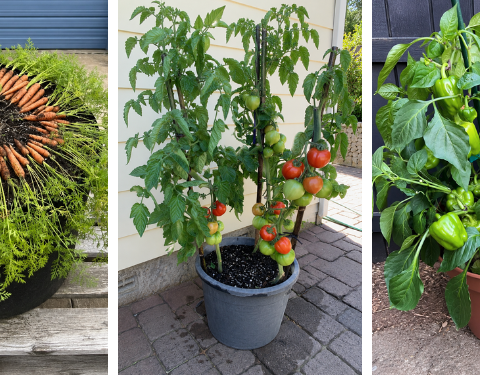
Plants to Avoid: Strawberries, Tomatoes, Peppers (compete for nutrients)
Storing & Preserving Brussels Sprouts
After harvesting, you can store Brussels sprouts in several ways:
- Refrigeration: Keep fresh sprouts in a plastic bag for up to 2 weeks.
- Freezing: Blanch sprouts for 3 minutes, then freeze for up to 1 year.
- Pickling: A tangy and delicious way to preserve your harvest.
Final Thoughts
Growing Brussels sprouts is a rewarding experience that results in nutritious, homegrown produce. By following these tips, you can enjoy a bountiful harvest of firm, flavorful sprouts throughout the cooler months.
Are You Ready to Grow Your Own Brussels Sprouts?
Follow this guide, and soon, you’ll have a thriving Brussels sprouts garden producing delicious, homegrown veggies.
Let us know in the comments if you’ve tried growing Brussels sprouts or if you have any additional tips to share!
Frequently Asked Questions (FAQs)
1. How long does it take to grow Brussels sprouts?
Brussels sprouts take about 90-120 days from planting to harvest.
2. Can I grow Brussels sprouts in containers?
Yes! Choose a large 12-16 inch pot with deep soil and proper drainage.
3. Do Brussels sprouts grow back after harvesting?
Yes! Sprouts continue forming along the stalk, allowing for multiple harvests.
Now, get started and enjoy the benefits of growing fresh, homegrown Brussels sprouts in your garden!