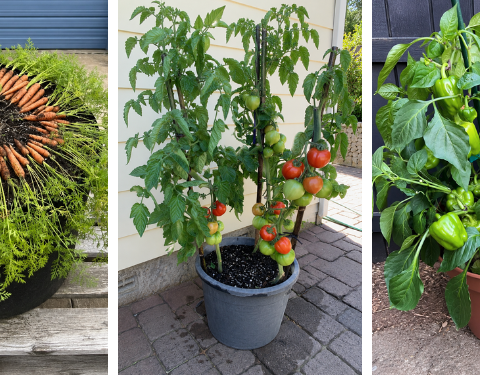
When the cold winter months arrive, many people assume that fresh, nutritious produce is hard to come by.
However, winter-friendly vegetables not only thrive in colder temperatures but also offer essential nutrients that can boost your immunity, improve digestion, and keep you healthy all season long.
From leafy greens to root vegetables, these cold-hardy crops can be grown in your backyard garden or found at your local market during winter.
Plus, incorporating them into your diet can help combat seasonal fatigue, inflammation, and nutrient deficiencies.
Let’s explore 12 winter-friendly vegetables that can improve your health while keeping your meals delicious and nutritious!
1. Kale – The Winter Superfood
Health Benefits:
✔️ Packed with vitamins A, C, and K for immune support.
✔️ Contains powerful antioxidants to fight inflammation.
✔️ High in fiber for better digestion and gut health.
Growing Tips:
Hardy down to 10°F (-12°C), kale thrives in cold weather and even becomes sweeter after a frost.
Plant in rich, well-drained soil with plenty of sunlight.
Harvest outer leaves first to keep the plant producing all winter.
Best Ways to Eat: Add it to soups, stir-fries, smoothies, or bake crispy kale chips.
2. Brussels Sprouts – Tiny Nutrient Bombs
Health Benefits:
✔️ High in fiber and antioxidants to support gut and heart health.
✔️ Great source of vitamin K for bone strength.
✔️ Rich in glucosinolates, which may help fight cancer.
Growing Tips:
Can withstand temperatures as low as 20°F (-7°C).
Plant in full sun and ensure good air circulation.
Harvest from the bottom up when sprouts reach 1-2 inches in diameter.
Best Ways to Eat: Roast with olive oil and garlic, steam, or add to winter salads.
3. Carrots – Sweet and Crunchy Winter Treat
Health Benefits:
✔️ Beta-carotene in carrots converts into vitamin A, supporting vision and skin health.
✔️ Contains antioxidants that help reduce the risk of chronic diseases.
✔️ High in fiber to support digestion.
Growing Tips:
Carrots tolerate freezing temperatures and taste sweeter after a frost.
Grow in loose, well-draining soil to prevent misshapen roots.
Mulch heavily to keep the soil warm and extend the harvest.
Best Ways to Eat: Eat raw, roast with honey and herbs, or add to stews and soups.
4. Beets – The Heart-Healthy Root Veggie
Health Benefits:
✔️ High in nitrates that help lower blood pressure.
✔️ Supports liver detoxification with betaine compounds.
✔️ Rich in iron and folate, promoting healthy blood cells.
Growing Tips:
Beets thrive in cool weather and survive light frosts.
Sow seeds in deep, well-draining soil.
Harvest when they reach golf ball size for the best flavor.
Best Ways to Eat: Roast, blend into smoothies, or grate raw into salads.
5. Cabbage – The Cold-Weather Gut Booster
Health Benefits:
✔️ Rich in probiotics (when fermented) to support digestion.
✔️ Contains sulfur compounds that support detoxification.
✔️ High in vitamin C for immune health.
Growing Tips:
Can withstand temperatures down to 15°F (-9°C).
Needs full sun and regular watering.
Harvest heads when firm and fully developed.
Best Ways to Eat: Make coleslaw, ferment into sauerkraut, or add to stir-fries.
6. Spinach – The Winter Powerhouse
Health Benefits:
✔️ Packed with iron, which helps prevent anemia.
✔️ High in lutein and zeaxanthin, supporting eye health.
✔️ Loaded with magnesium, which aids in muscle relaxation and sleep.
Growing Tips:
Spinach can survive temperatures as low as 20°F (-7°C).
Prefers moist, nitrogen-rich soil.
Harvest outer leaves first for continuous growth.
Best Ways to Eat: Toss into salads, blend into smoothies, or cook in soups.
7. Garlic – The Natural Immune Booster
Health Benefits:
✔️ Contains allicin, which has strong antibacterial and antiviral properties.
✔️ Supports heart health by lowering blood pressure.
✔️ Helps reduce inflammation and boosts immunity.
Growing Tips:
Plant in fall before the ground freezes for a summer harvest.
Needs well-drained soil and full sun.
Harvest when tops turn yellow and dry.
Best Ways to Eat: Use in stir-fries, soups, sauces, and roasted dishes.
8. Swiss Chard – Colorful & Nutritious
Health Benefits:
✔️ High in potassium and magnesium, which support heart function.
✔️ Contains phytonutrients that promote brain health.
✔️ Great for bone strength due to its calcium content.
Growing Tips:
Hardy down to 15°F (-9°C).
Prefers moist, fertile soil.
Harvest outer leaves first for a prolonged season.
Best Ways to Eat: Sauté with garlic, add to soups, or mix into omelets.
9. Parsnips – Sweet & Earthy Root Veggies
Health Benefits:
✔️ High in soluble fiber, which aids digestion and controls blood sugar.
✔️ Packed with vitamin C and folate.
✔️ Supports weight management with its low-calorie content.
Growing Tips:
Taste sweeter after frost exposure.
Requires loose, well-draining soil.
Harvest when roots reach 6-10 inches long.
Best Ways to Eat: Roast with honey, mash like potatoes, or add to soups.
10. Leeks – The Digestive & Heart-Healthy Veggie
Health Benefits:
✔️ Supports gut health with its prebiotic fiber.
✔️ Reduces inflammation and improves heart health.
✔️ High in vitamin K for bone strength.
Growing Tips:
Hardy in freezing temperatures.
Prefers well-draining, fertile soil.
Harvest when stalks reach 1 inch in diameter.
Best Ways to Eat: Add to soups, quiches, or sauté as a side dish.
11. Radishes – Fast-Growing & Refreshing
Health Benefits:
✔️ High in antioxidants that help detoxify the liver.
✔️ Supports hydration due to its high water content.
✔️ Contains compounds that fight infections.
Growing Tips:
Thrives in cool temperatures.
Grows in just 4-6 weeks.
Harvest when 1 inch in diameter.
Best Ways to Eat: Eat raw in salads or pickle for a crunchy treat.
12. Broccoli – The Cancer-Fighting Veggie
Health Benefits:
✔️ High in sulforaphane, which helps prevent cancer.
✔️ Supports brain function and heart health.
✔️ Strengthens bones and the immune system.
Growing Tips:
Tolerates frost and light snow.
Needs full sun and nitrogen-rich soil.
Harvest when florets are tight and green.
Best Ways to Eat: Roast, steam, or add to pasta dishes.
Eating winter-friendly vegetables ensures you get essential nutrients all season. Whether you’re growing your own or buying locally, these veggies will keep you healthy, strong, and energized!