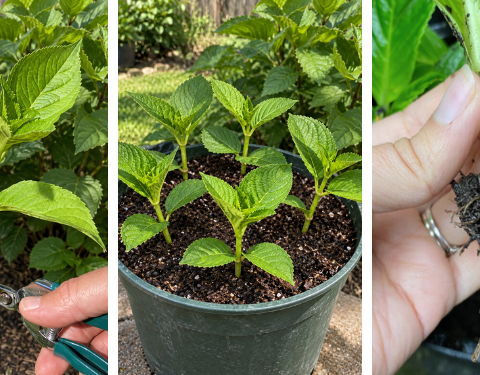
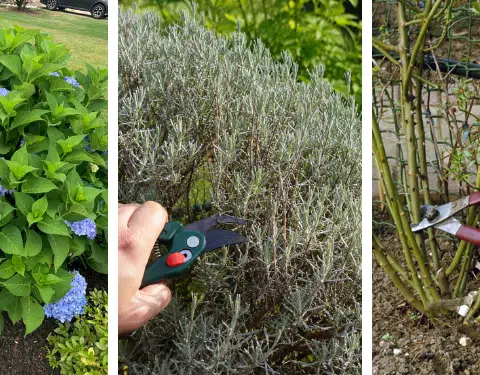
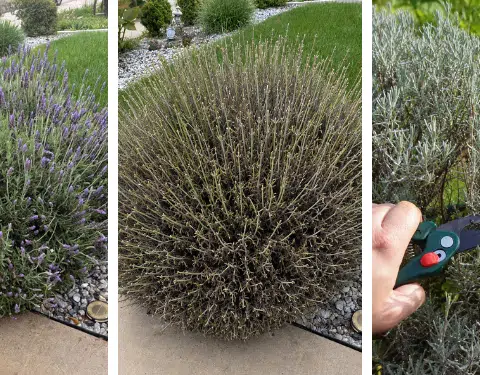
With winter just around the corner, now is the perfect time to start preparing your garden for a successful spring revival.
Many gardeners think that winter means putting gardening on hold, but in reality, the cold months offer the best opportunity to lay the foundation for a lush, healthy garden when the warmer weather returns.
By taking the time to protect plants, clean up your space, and maintain essential structures, you’ll reduce spring workload and set yourself up for a thriving garden.
Let’s dive into 10 essential winter gardening tasks to help you make the most of those cold months!
1. Reinforce and Repair Dry Stacked Stone Walls
If you have decorative stone walls, retaining walls, or stacked garden edges, winter can cause damage due to freezing and thawing cycles. Loose stones pose a safety risk, especially if you have children or pets.
✔ What to Do:
- Check for loose or shifting stones and reposition them firmly.
- Fill in gaps with sand, gravel, or mortar to prevent movement.
- Ensure the wall is stable enough to withstand snow and rain.
💡 Bonus Tip: Use this time to rearrange or expand your garden walls for a fresh look in the spring!

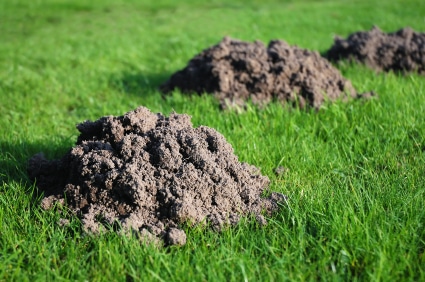
2. Fill in Holes to Prevent Pests from Nesting
During winter, rodents, insects, and small critters look for warm places to burrow. Unattended holes in your garden can become pest hideouts, leading to unwanted guests in the spring.
✔ How to Prevent Winter Pests:
- Check around garden beds, fences, and near the house for burrow holes.
- Fill holes with soil, mulch, or natural deterrents like crushed stone.
- Keep your compost pile covered and secured to avoid attracting rodents.
💡 Extra Step: Place natural deterrents like garlic, cayenne pepper, or peppermint oil around your garden to discourage critters.
3. Prune Trees and Shrubs Before Spring Growth
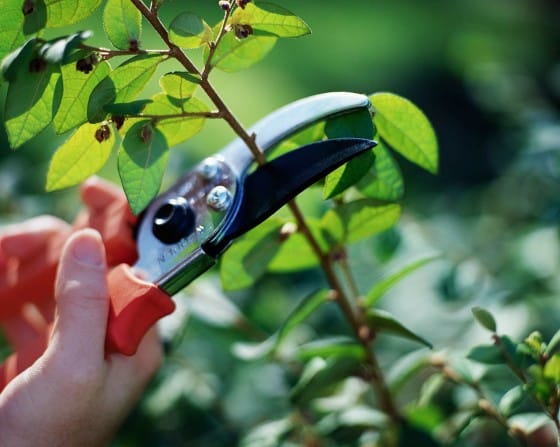
Late winter is the best time to prune trees, shrubs, and perennials since most plants are dormant and less vulnerable to disease.
✔ Pruning Checklist:
- Remove dead, weak, or diseased branches to prevent breakage from snow and ice.
- Shape shrubs and hedges to promote healthy spring growth.
- Cut back ornamental grasses and flowering perennials to encourage new blooms.
💡 Best Time to Prune: Late winter (February-March), right before new growth starts.
4. Clean Out Gutters and Downspouts
Winter storms and falling leaves can clog your gutters, leading to water buildup around your home and garden beds. Keeping them clean prevents flooding, mold, and foundation damage.
✔ How to Clean Gutters Effectively:
- Use a ladder and gloves to remove leaves, twigs, and debris.
- Rinse downspouts with a hose or pressure washer.
- Check for loose or sagging sections and make repairs as needed.
💡 Pro Tip: Install gutter guards to keep debris out year-round!

5. Maintain and Clean Birdhouses
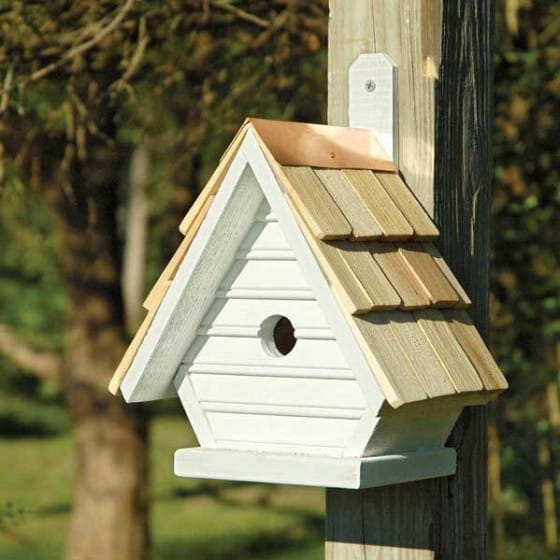
If you have birdhouses in your yard, winter is the time to clean and repair them. Birds rely on sheltered spaces for warmth, and an unclean birdhouse can harbor parasites.
✔ Birdhouse Maintenance Tips:
- Remove old nesting materials to prevent disease.
- Scrub the inside with a solution of water and vinegar.
- Repaint or seal the exterior to protect against moisture damage.
💡 Encourage Birds in Winter: Provide bird feeders stocked with sunflower seeds and suet for extra energy.
6. Remove Leaves from Water Features
If you have a pond, fountain, or small water feature, excess leaves and debris can cause clogs and poor water circulation during winter.
✔ Steps to Keep Your Water Feature Clean:
- Use a skimmer or net to remove floating leaves.
- Add a mesh cover over your pond to prevent debris buildup.
- If your pond contains fish, keep a small section unfrozen for oxygen flow.
💡 Tip for Ponds: Introduce barley straw to naturally reduce algae growth.

7. Deep Clean and Sharpen Gardening Tools
Starting the spring season with rusty or dirty tools can make gardening frustrating and inefficient. Winter is the perfect time to clean, sharpen, and store your tools properly.
✔ How to Maintain Garden Tools:
- Remove dirt and sap using soapy water and a wire brush.
- Sharpen blades on pruners, shears, and shovels.
- Apply a thin coat of oil (vegetable oil or WD-40) to prevent rust.
- Store tools in a dry, covered space.
💡 Bonus: Organize your gardening tools in a DIY pegboard system for easy access.

8. Repaint and Repair Fences
Your garden fence endures harsh weather, moisture, and sun exposure year-round. Winter is a great time to inspect and repaint any worn areas.
✔ Fence Maintenance Checklist:
- Look for rotting or loose wooden panels and replace them.
- Sand down rough edges before applying a fresh coat of weatherproof paint.
- Tighten any loose hinges or posts for stability.
💡 Pro Tip: Choose a UV-resistant, waterproof sealant to protect wooden fences from sun and rain damage.

9. Restore Garden Paths and Walkways
Winter weather can shift stones, create muddy patches, or erode gravel paths. Before spring arrives, restore the beauty of your walkways.
✔ How to Fix Garden Paths:
- Rake gravel back into place for even coverage.
- Reset loose stepping stones and level them.
- Remove caked-on dirt and moss using a pressure washer or stiff brush.
💡 Bonus Tip: Line pathways with solar lights or low-growing plants for a charming effect.

10. Cut Back Perennials for Healthy Spring Growth
Pruning perennials in late winter prepares them for strong regrowth in spring.
✔ What to Cut Back:
- Trim dead stems and foliage from perennials like hostas, daylilies, and peonies.
- Remove old flower stalks to encourage new blooms.
- Leave ornamental grasses untouched until late winter, then trim them down to 6 inches.
💡 Tip: Add the cuttings to your compost pile for nutrient-rich soil in spring!

Preparing your garden during winter saves time, prevents damage, and ensures a smooth transition into the growing season.
By cleaning, repairing, and pruning, you’ll give your plants, soil, and structures the care they need to thrive when spring arrives.