

Creating healthy, nutrient-rich soil is the key to growing delicious, high-quality fruits and vegetables.
The best part? You don’t need to spend a lot of money or time maintaining your garden when you compost the right way!
Composting is an eco-friendly, cost-effective method that turns kitchen scraps and yard waste into a powerful natural fertilizer.
By following these 12 composting tips, you’ll improve your soil quality, reduce waste, and grow stronger, more productive plants.
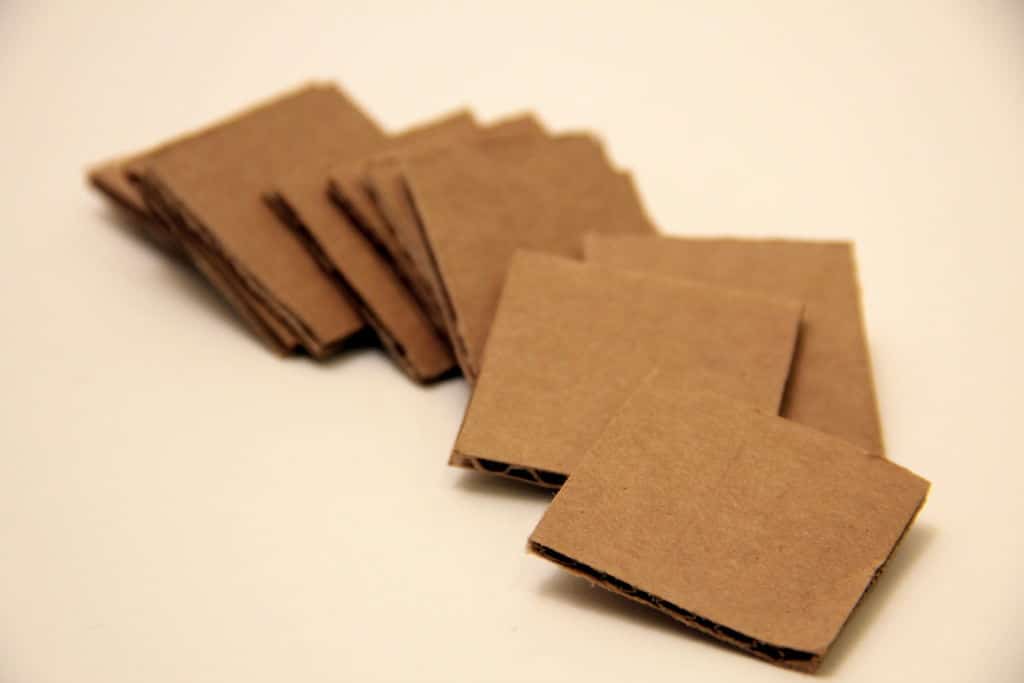
1. Use Cardboard as a Compost Ingredient
Cardboard is an excellent source of carbon and helps balance the nitrogen-rich materials in your compost.
However, not all cardboard is suitable for composting.
✔ Best types to use:
- Plain brown cardboard (shipping boxes, packing material)
- Egg cartons and toilet paper rolls (unbleached, without glossy coatings)
❌ Avoid: Glossy, colored, or wax-coated cardboard (like cereal boxes) as they contain chemicals that do not break down naturally.
💡 Bonus Tip: Shred or tear cardboard into small pieces to help it decompose faster!
2. Recycle Fall Leaves into Compost
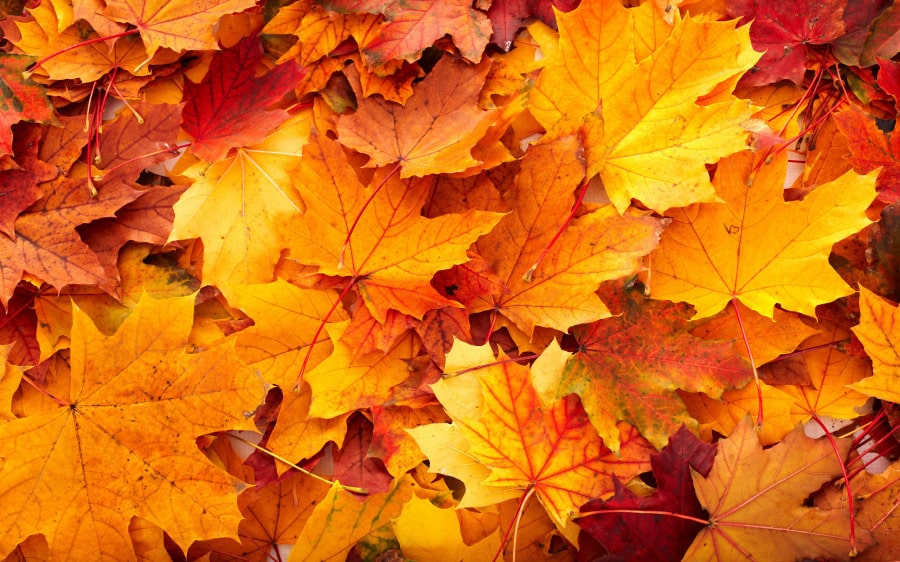
Don’t waste those beautiful autumn leaves! Dried leaves are rich in carbon and help create a balanced compost pile.
🍂 How to use leaves in compost:
✔ Layer them with green materials like vegetable scraps or grass clippings.
✔ Shred them first for faster decomposition.
✔ Mix them with soil to create leaf mold, a fantastic mulch for moisture retention.
💡 Pro Tip: Store leaves in bags to use throughout the year when your compost pile needs a carbon boost!
3. Add Eggshells for Calcium-Rich Soil
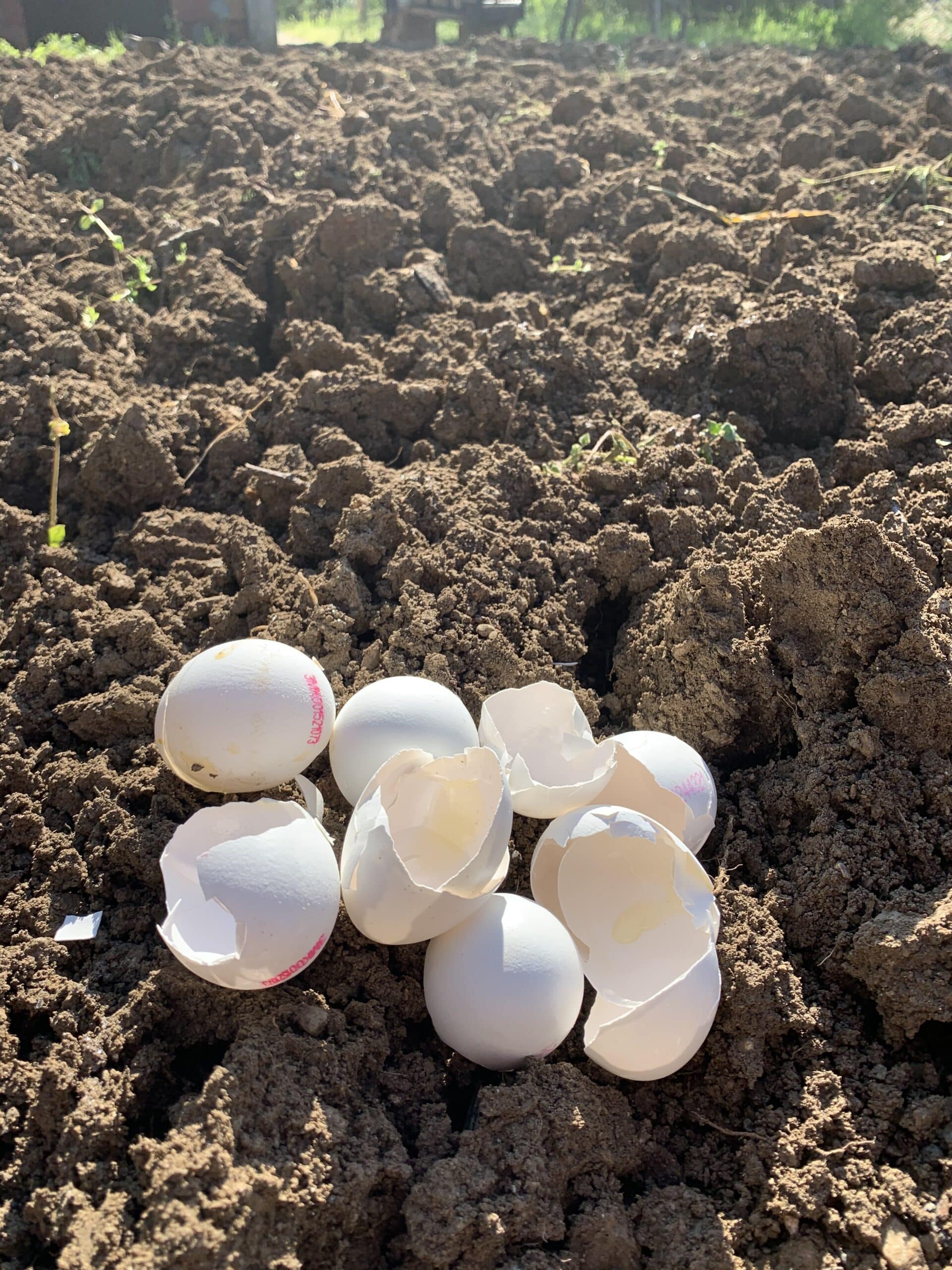
Eggshells enrich your compost with calcium, a vital nutrient for strong plant growth.
🥚 How to compost eggshells:
✔ Crush them before adding to speed up decomposition.
✔ Scatter around tomato plants to prevent blossom-end rot.
✔ Mix with coffee grounds for an extra soil nutrient boost.
💡 Alternative Use: Dry and grind eggshells into powder, then mix them into the soil for a slow-release calcium supplement.
4. Use Wood Ash in Moderation
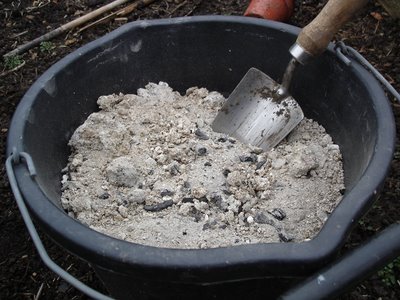
Wood ash adds potassium and raises soil pH, but it should be used with caution.
🔥 Best practices for composting wood ash:
✔ Use small amounts to avoid making the compost too alkaline.
✔ Only use natural wood ash (no treated wood, painted wood, or charcoal).
✔ Mix with other compost ingredients to balance pH levels.
💡 Best for: Tomato plants, fruit trees, and root vegetables like carrots and potatoes.
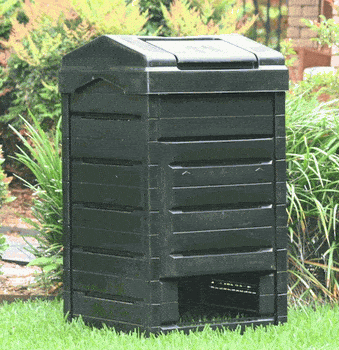
5. Compost in a Black Plastic Bin for Faster Breakdown
A black plastic compost bin helps retain heat, speeding up the decomposition process.
🗑️ Best practices for using a compost bin:
✔ Place in full sun to maximize warmth.
✔ Turn the pile regularly to aerate and break down materials faster.
✔ Add a mix of green (nitrogen) and brown (carbon) materials to maintain balance.
💡 Alternative: If you don’t have a compost bin, a pile covered with a tarp works well, too!
6. Recycle Grass Clippings for Organic Matter
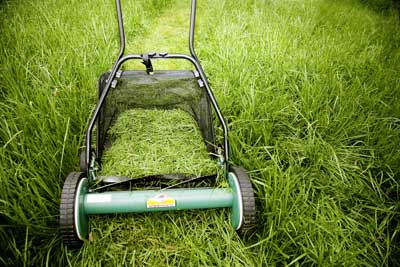
Grass clippings are nitrogen-rich and provide excellent nutrients for composting.
🌱 Tips for composting grass clippings:
✔ Mix with brown materials (leaves, cardboard) to prevent odor.
✔ Avoid adding herbicide-treated grass, as chemicals can harm compost microbes.
✔ Let grass clippings dry out before adding to prevent clumping.
💡 Alternative Use: Spread grass clippings as mulch around plants to retain moisture and suppress weeds.
7. Compost Old 100% Cotton T-Shirts
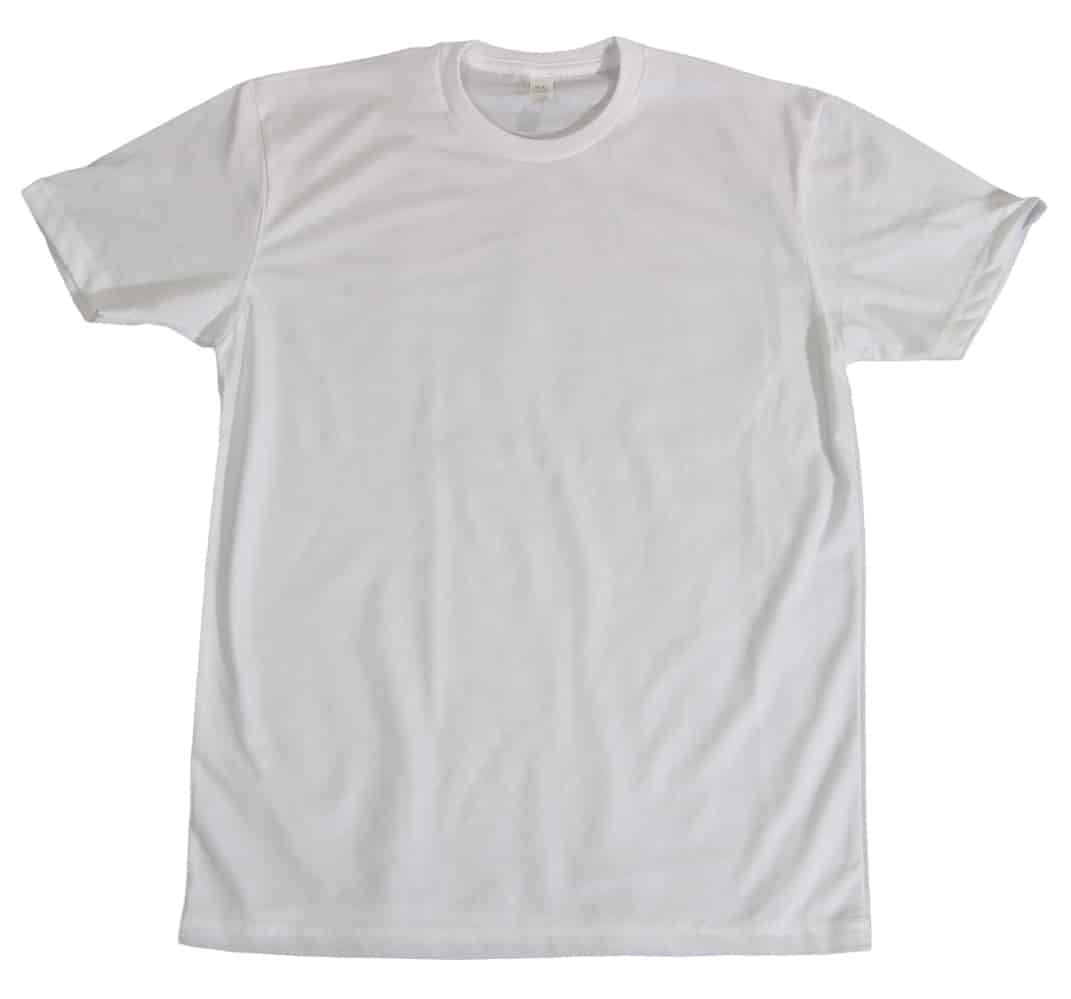
Surprisingly, old cotton T-shirts can be composted! Natural fibers break down just like plant material.
👕 How to compost fabric:
✔ Only use 100% cotton, linen, or wool (no synthetic fabrics).
✔ Cut into small pieces to speed up decomposition.
✔ Remove tags, buttons, and zippers before composting.
💡 Eco-Friendly Idea: Repurpose old shirts into plant covers or weed barriers before composting them.
8. Keep Your Compost Moist and Aerated
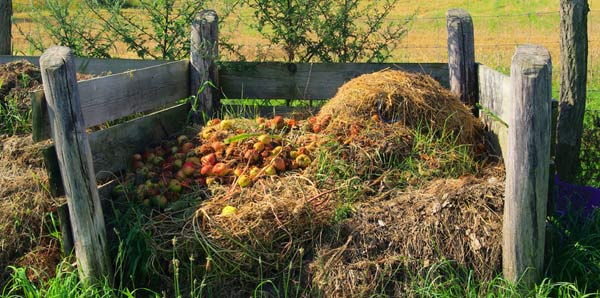
Compost piles need oxygen and moisture to decompose efficiently.
💦 Best ways to maintain proper compost moisture:
✔ Turn the pile regularly to increase airflow.
✔ Add water if the pile becomes too dry (like a damp sponge, not soggy).
✔ Cover with a tarp to prevent excessive rain from soaking the pile.
💡 Tip: If your compost smells bad, it may need more air or dry materials like leaves and shredded paper.
9. Avoid Composting Fats, Pet Droppings, or Animal Products
🚫 DO NOT compost:
- Meat, bones, or dairy (attracts pests)
- Oily foods or grease (slows down decomposition)
- Pet waste (can spread disease)
💡 Safe alternative: Use plant-based kitchen scraps like vegetable peels, fruit cores, and grains.
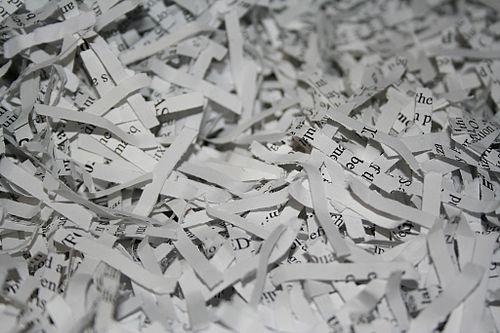
10. Shred Newspaper for an Easy Carbon Boost
Newspaper is rich in carbon and helps maintain compost balance.
📰 How to compost newspaper:
✔ Tear into small strips for faster breakdown.
✔ Mix with kitchen scraps to prevent clumping.
✔ Avoid glossy or colored newspaper, as they contain harmful inks.
💡 Tip: Use shredded newspaper as a weed barrier before composting it!
11. Boost Compost with Coffee Grounds
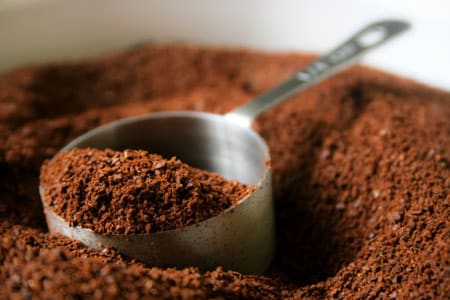
Used coffee grounds are rich in nitrogen, which helps speed up compost breakdown.
☕ How to use coffee grounds in compost:
✔ Sprinkle directly into the compost bin.
✔ Mix with eggshells for calcium.
✔ Combine with leaves for a balanced green/brown ratio.
💡 Bonus: Coffee grounds naturally repel slugs and snails, protecting plants!
12. Add Seaweed for a Nutrient-Rich Compost
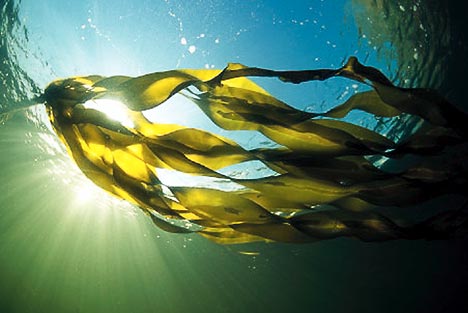
If you live near the coast, seaweed is a fantastic compost booster! It’s packed with minerals and natural growth hormones.
🌊 How to compost seaweed:
✔ Rinse with water to remove excess salt.
✔ Chop into small pieces for quick decomposition.
✔ Mix with leaves, grass clippings, or kitchen scraps.
💡 Bonus: Seaweed improves soil aeration and water retention!
Final Thoughts: Turn Waste into Garden Gold with These Composting Tips!
Composting is one of the easiest and most effective ways to improve your soil, reduce waste, and grow healthier plants without chemicals.
🌱 Quick Recap of Composting Tips:
✅ Use cardboard, leaves, and eggshells for a balanced mix.
✅ Add grass clippings and coffee grounds for nitrogen.
✅ Keep compost moist, aerated, and in a warm location.
✅ Avoid meat, pet waste, or fatty foods to prevent issues.
✅ Boost compost nutrients with wood ash, newspaper, and seaweed.
By following these 12 composting hacks, your garden will flourish naturally while helping the environment. 🌎♻️


