

The health of your garden begins with the soil. If the soil lacks nutrients, plants will struggle to grow, produce weak harvests, or even become prone to diseases and pests.
Unfortunately, most home gardens start with poor-quality soil, especially in urban areas. But don’t worry!
There are simple, natural, and budget-friendly ways to improve your soil quality and create a thriving, nutrient-rich garden without harmful chemicals.
Here are 7 easy and effective methods to transform your soil into a fertile powerhouse!
1. Compost – The Ultimate Soil Booster
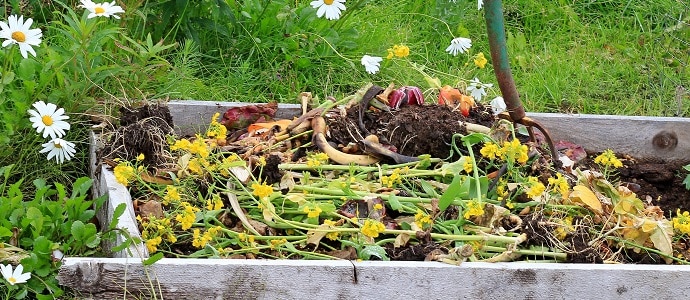
Composting is the most effective and affordable way to improve soil health. It enriches the soil with organic matter, improves water retention, and supports beneficial microbes.
How to Start a Simple Compost Pile:
- Collect organic kitchen scraps: Fruit and vegetable peels, coffee grounds, eggshells, tea bags, and newspaper.
- Balance greens and browns: Add “green” materials (nitrogen-rich like food scraps) and “brown” materials (carbon-rich like dried leaves, paper, or wood chips).
- Avoid these items: Meat, dairy, oily foods, and large branches (they take too long to break down).
- Turn the pile weekly: This aerates it, speeding up decomposition.
- Keep it moist, not soggy: The consistency should be like a damp sponge.
Tip: If you live in an apartment or have limited space, use a compost bin or worm composting system (vermicompost).
Benefits of Composting:
- Adds essential nutrients like nitrogen, phosphorus, and potassium.
- Reduces waste by recycling food scraps.
- Improves soil texture, making it ideal for root growth.
2. Earthworms – The Underground Soil Engineers
Earthworms play a crucial role in maintaining soil health. They:
- Break down organic matter, turning it into nutrient-rich castings.
- Aerate the soil, improving water drainage.
- Increase microbial activity, which helps plants absorb nutrients.
How to Encourage Earthworms in Your Garden:
- Add compost, aged manure, or organic mulch (earthworms love decomposing material!).
- Keep the soil moist but not waterlogged.
- Avoid using chemical fertilizers and pesticides, as they harm earthworms.
- If starting a new garden, introduce worms manually by purchasing them from a local farm.
Tip: Consider setting up a worm composting bin (vermicomposting) to use worm castings as a powerful organic fertilizer!
3. Leaf Mold – Nature’s Moisture Retainer
Leaf mold is not the same as moldy leaves! Instead, it’s decomposed leaves that create a lightweight, water-retaining soil amendment.
How to Make Leaf Mold:
- Rake up fallen leaves in autumn.
- Shred them with a lawnmower or garden shredder to speed up decomposition.
- Pile the shredded leaves in a corner of your garden or in a wire bin.
- Keep the pile moist and let it decompose over a few months.
Benefits of Leaf Mold:
- Holds moisture up to five times its weight.
- Improves soil aeration and reduces compaction.
- Encourages beneficial fungi that aid plant growth.
Tip: Mix leaf mold into the soil before planting or use it as a mulch to protect roots from heat.

4. Molasses – Feeding Soil Microbes Naturally
Molasses is a cheap and effective way to boost microbial activity in soil. The natural sugars feed beneficial bacteria, helping to break down organic matter faster.
How to Use Molasses in the Garden:
- Mix one tablespoon of blackstrap molasses per gallon of water.
- Water plants with this mixture once a month to boost microbial activity.
- For compost piles, add one cup of molasses to accelerate decomposition.
Benefits of Molasses for Soil:
- Provides essential minerals like calcium, magnesium, potassium, and iron.
- Encourages beneficial microbes, improving nutrient absorption.
- Promotes healthier root development.
Tip: Use unsulfured blackstrap molasses, as it contains the most nutrients.
5. Coffee Grounds – A Natural Soil Conditioner
Instead of tossing coffee grounds, use them to enrich your soil!
How Coffee Grounds Improve Soil:
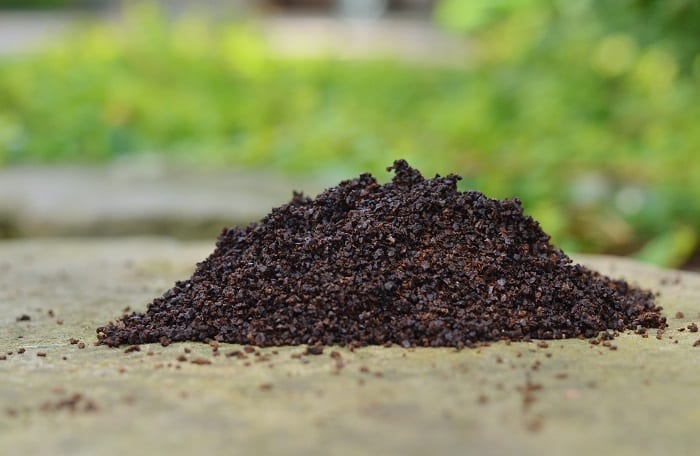
- Boosts nitrogen levels, helping leafy greens thrive.
- Improves soil texture, making it fluffier and easier for roots to grow.
- Attracts earthworms, which further enhance soil fertility.
How to Use Coffee Grounds in Your Garden:
- Sprinkle used coffee grounds directly onto the soil.
- Mix into compost for an added nitrogen boost.
- Brew a “coffee ground tea” by soaking them in water for 24 hours, then use as a liquid fertilizer.
Tip: Use coffee grounds in moderation—too much can make soil overly acidic.
6. Urine – A Surprising Source of Natural Fertilizer
It might sound odd, but diluted urine is an excellent organic fertilizer. It’s high in nitrogen, potassium, and phosphorus, all essential for plant growth.
How to Use Urine Safely:
- Dilute 1 part urine with 10 parts water before applying to soil.
- Apply only to the base of plants, avoiding direct contact with leaves.
- Use it on nitrogen-loving plants like tomatoes, cucumbers, and leafy greens.
Benefits of Urine Fertilizer:
- Boosts soil fertility naturally.
- Reduces the need for synthetic fertilizers.
- Saves water by reducing toilet flushing!
Tip: Never use urine from individuals taking medications, as traces may affect soil microbes.
7. Crop Rotation & Companion Planting – Keep Soil Balanced
Growing the same plants in the same spot year after year depletes nutrients and increases pest problems.
How Crop Rotation Helps:
- Prevents soil nutrient depletion by alternating plant families.
- Reduces pest infestations, as insects struggle to find their favorite plants.
- Improves soil structure, preventing compaction.
Companion Planting for Better Soil Health:
Marigolds – Repel pests and improve soil quality.
Legumes (beans, peas) – Fix nitrogen in the soil, making it available for other plants.
Basil & Tomatoes – Enhance growth and ward off harmful insects.
Tip: Keep a garden journal to track where you plant different crops each year.
Soil is the foundation of your garden, and investing time in improving it pays off with stronger, healthier plants.
By using these simple, natural methods, you can boost soil fertility, reduce chemical dependence, and create a thriving garden—all while being eco-friendly and cost-effective.


