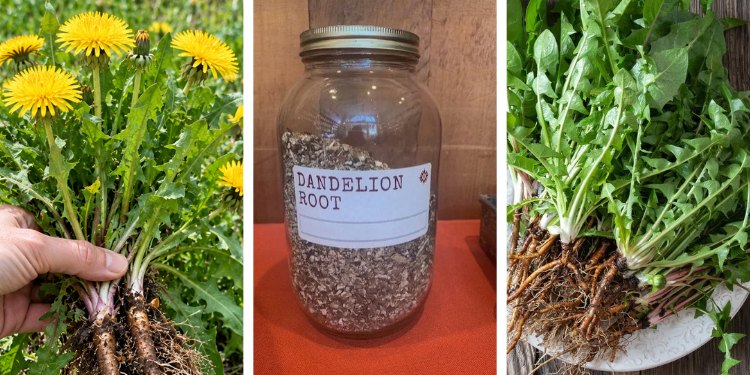
In recent years, viral social media headlines and sensational health blogs have made a startling claim: that a simple tea or extract made from common dandelion root (Taraxacum officinale) can “kill 95% of cancer cells in just 48 hours.”
For individuals and families navigating a cancer diagnosis, such dramatic claims offer a powerful wave of hope.
Dandelion root has indeed been used for centuries in Traditional Chinese Medicine and Native American herbalism to support liver function, digest food, and reduce swelling.
However, when a natural remedy is paired with extraordinary statistics like “95% destruction in 48 hours,” it is vital to separate laboratory discovery from medical reality.
Here is an evidence-based look at where this claim originated, what scientific research actually shows, and why context is everything when evaluating natural cancer therapies.
The Origin of the Claim: In Vitro Research
The headline claiming dandelion root destroys cancer cells rapidly is not entirely fabricated out of thin air; rather, it is a dramatic misinterpretation of preliminary laboratory research.
The claim stems primarily from early-stage in vitro (petri dish) studies conducted by researchers at the University of Windsor in Ontario, Canada, around 2010–2012 (often referred to as the Dandelion Root Project).
What the Laboratory Studies Showed:
-
Targeted Apoptosis: In controlled laboratory settings, highly concentrated extracts of dandelion root were applied directly to human cancer cell lines – including melanoma, leukemia, and pancreatic cancer cells.
-
Selective Cell Death: The researchers observed that the concentrated extract triggered apoptosis (programmed cell death) in a large percentage of those cultured cancer cells within 48 to 72 hours.
-
Sparing Healthy Cells: Crucially, the extract appeared to selectively target cancer cells while leaving non-cancerous cells relatively unharmed in the dish.
These findings were scientifically intriguing and led researchers to investigate the underlying biochemical mechanisms.
The Chemistry: How Dandelion Compounds Interact with Cells
Dandelion root contains a complex matrix of bioactive phytochemicals that exhibit biological activity in laboratory models:
1. Sesquiterpene Lactones and Polyphenols
Dandelion root is rich in bitter compounds known as sesquiterpene lactones (such as taraxacin), as well as phenolic acids like chicoric acid and chlorogenic acid. In test-tube studies, these compounds demonstrate strong antioxidant, anti-inflammatory, and pro-apoptotic activities.
2. Disruption of Cancer Cell Membranes
In petri dish experiments, concentrated dandelion extract appears to act on the outer mitochondrial membrane of cancer cells.
By signaling the mitochondria to release cytochrome c, the extract triggers a cascade of intracellular enzymes (caspases) that order the cell to dismantle itself from within.
Medical Context Matrix: Test Tubes vs. The Human Body
To understand why a 95% kill rate in a petri dish does not mean dandelion root cures cancer in humans, it helps to compare how substances behave in a laboratory versus inside a living organism.
| Parameter | In Vitro (Petri Dish / Test Tube) | In Vivo (Living Human Body) |
| Delivery Method | Concentrated extract poured directly onto isolated cells | Drunk as tea or taken orally; digested by stomach acid and liver enzymes |
| Concentration | Extremely high, direct chemical exposure | Significantly diluted as it passes into bloodstream and tissues |
| Immune & Metabolic Interaction | None; no liver metabolism, immune response, or blood supply | Complex metabolic breakdown; kidney filtration; immune system barriers |
| Safety Profile | Kills isolated cells easily | Must protect vital organs, healthy tissues, and red blood cells |
| Clinical Standard | Initial exploratory phase | Requires Phase I, II, and III human clinical trials for proven efficacy |
The Critical Gap: Petri Dishes Are Not Human Bodies
The single most important distinction to understand in medical science is the vast difference between an in vitro test and an in vivo human treatment.
-
Bleach Kills Cancer Cells in a Petri Dish Too: Thousands of natural and synthetic compounds can destroy cancer cells when poured directly onto them in a laboratory glass dish – including dish soap, vinegar, and heat. The challenge of cancer medicine is not simply killing cancer cells; it is finding a way to destroy cancer cells inside a complex living human body without harming the patient.
-
Bioavailability and Metabolism: When a person drinks dandelion root tea or takes an oral supplement, the active compounds are subjected to stomach acid, digestive enzymes, and liver metabolism (first-pass metabolism). The resulting chemical breakdown products that enter the bloodstream are vastly different – and far less concentrated – than the raw extract applied directly to cells in a laboratory dish.
-
Lack of Completed Large-Scale Clinical Trials: While preliminary human trials (Phase I safety studies) were approved to examine dandelion root extract in select refractory blood cancers, there are currently no completed, peer-reviewed Phase III clinical trials proving that dandelion root effectively treats or cures cancer in human patients.
Potential Risks and Interactions
While dandelion root tea is generally recognized as safe (GRAS) for culinary use as a beverage, using unverified natural supplements in high doses during active cancer treatment presents real clinical risks:
-
Interference with Chemotherapy: Dandelion root is rich in antioxidants. Some oncology guidelines advise against high-dose antioxidant supplements during certain types of chemotherapy or radiation, as antioxidants may interfere with the oxidative mechanism treatments use to kill cancer cells.
-
Cytochrome P450 Enzyme Interaction: Dandelion compounds can modulate liver enzymes (specifically CYP450 pathways), altering how quickly prescription medications – including targeted cancer drugs, blood thinners, and antibiotics – are broken down by the body.
-
Diuretic and Estrogenic Effects: Dandelion acts as a natural diuretic (water pill), which can alter electrolyte balances or fluid levels in patients undergoing intensive medical therapy. Additionally, certain plant sterols in dandelion may exert weak estrogenic activity, requiring caution in hormone-sensitive cancers like certain breast or uterine cancers.
Summary: What the Science Truly Says
Does dandelion root possess interesting biological properties under a microscope? Yes. Researchers continue to study its isolated phytochemicals for their anti-inflammatory and cellular pathways.
Does dandelion root destroy 95% of cancer cells in humans in 48 hours? No. That claim is a classic example of scientific misinterpretation. An effect observed in a direct petri-dish assay cannot be translated into a claim of a human cancer cure.
For anyone exploring integrative or complementary therapies alongside conventional care, the most crucial step is complete transparency.
Always consult your oncology team before adding high-dose botanical extracts, teas, or herbal supplements to your routine to ensure they do not compromise the safety or effectiveness of your medical treatment plan.