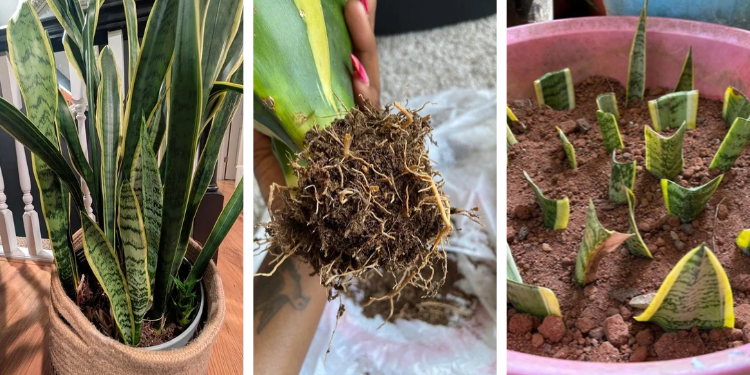
Snake plants (Dracaena trifasciata, formerly Sansevieria trifasciata) are among the easiest houseplants to grow.
Their tall, upright leaves, attractive green patterns, and ability to tolerate occasional neglect make them favorites in homes and offices.
But even these tough plants need a little extra attention when November arrives.
As daylight decreases and indoor temperatures change, snake plants naturally slow their growth. They absorb less water, use fewer nutrients, and become more vulnerable to problems caused by cold temperatures and wet soil.
The biggest November mistake is treating your snake plant as though it’s still summer.
Fortunately, keeping your snake plant healthy throughout winter doesn’t require much work. In fact, doing less is often exactly what it needs.
Here are six important things to do with your snake plant in November to prevent yellow leaves, root rot, and other winter problems.
1. Reduce Watering Before Root Rot Becomes a Problem
Snake plants store water in their thick, fleshy leaves, allowing them to survive dry conditions much better than many tropical houseplants.
During spring and summer, they may need watering every couple of weeks, depending on light, temperature, and pot size.
But in November, shorter days and slower growth mean the soil takes longer to dry.
Continuing your summer watering schedule can leave the roots sitting in wet soil, increasing the risk of rot.
What to Do
- Allow the potting mix to dry thoroughly before watering again.
- Check moisture several inches below the surface rather than judging only by the top layer.
- Water thoroughly when needed, then allow excess water to drain.
- Empty any water collecting in the saucer.
During winter, some snake plants may need water only every three to six weeks, although the actual interval depends on growing conditions.
November note: Never water your snake plant simply because a certain number of days have passed. Always check the soil first.
Warning sign: Soft, yellowing leaves or a mushy base may indicate overwatering and root rot.
2. Move Your Snake Plant Closer to Natural Light
Snake plants are often described as low-light houseplants, but that doesn’t mean they prefer dark rooms.
They can tolerate relatively low light, yet they generally grow better in brighter conditions.
During November, the amount of natural sunlight entering your home decreases significantly, especially in northern climates.
A snake plant that received enough light during summer may suddenly find itself in a much darker location.
What to Do
- Move the plant closer to a bright window.
- Choose a location with bright, indirect sunlight.
- Allow some gentle morning sun if the plant is accustomed to it.
- Rotate the pot occasionally for more balanced growth.
Avoid suddenly exposing a plant that has spent months in low light to intense direct sunlight.
November note: Snake plants can survive in dim rooms, but very low light slows growth and makes overwatering more likely because the soil dries more slowly.
Helpful tip: If your plant has colorful yellow edges or other variegation, brighter indirect light can help maintain its attractive appearance.
3. Protect It From Cold Windows and Drafts
Snake plants are tropical plants that prefer warm, stable temperatures.
Although they’re commonly grown indoors, November can expose them to cold conditions near windows, balconies, and exterior doors.
A room may feel comfortably warm during the day, but temperatures close to poorly insulated windows can drop considerably overnight.
Cold exposure can damage the leaves and roots, especially when the soil is wet.
What to Do
Keep your snake plant in a room where temperatures generally remain between 60–85°F (16–29°C).
Avoid prolonged exposure to temperatures below approximately 50–55°F (10–13°C).
Move the pot away from frequently opened exterior doors and cold windowsills.
Make sure the leaves aren’t touching freezing window glass.
November note: Cold damage may appear as dark, water-soaked patches, soft areas, or collapsing leaves.
Important: Never leave a snake plant outdoors during frost. Even brief freezing temperatures can cause serious damage.
4. Stop Fertilizing Until Active Growth Returns
Snake plants don’t need much fertilizer, even during their active growing season.
In November, reduced daylight often causes growth to slow considerably.
When the plant isn’t producing many new leaves, it requires fewer nutrients.
Adding fertilizer unnecessarily can lead to salt buildup in the potting mix and may damage the roots.
What to Do
- Stop routine fertilizing if your snake plant has slowed down.
- Avoid adding strong liquid fertilizers during winter.
- Don’t use fertilizer to correct every yellow leaf.
- Resume light feeding in spring when new growth appears.
If your plant continues growing actively under bright artificial light, occasional diluted feeding may still be appropriate.
November note: Yellow leaves are more commonly associated with watering problems, cold exposure, or natural aging than with a sudden lack of fertilizer.
Helpful tip: A healthy snake plant can go several months without fertilizer, especially during winter.
5. Clean the Leaves and Check for Hidden Pests
Snake plants have large, upright leaves that can collect dust over time.
Dust may reduce the amount of light reaching the leaf surface, which becomes more important during November’s shorter days.
Indoor pests can also remain active throughout winter.
Although snake plants are relatively resistant to many common problems, they can occasionally develop mealybugs, scale insects, or spider mites.
What to Do
Use a soft, damp cloth to gently wipe both sides of the leaves.
Support each leaf with one hand while cleaning to avoid bending or damaging it.
Inspect the base of the plant and the spaces between leaves for insects.
Look for:
- White, cotton-like clusters that may indicate mealybugs.
- Small, attached bumps that could be scale insects.
- Fine webbing or pale speckling associated with spider mites.
- Sticky residue or unusual discoloration.
If pests are present, isolate the plant and use an appropriate treatment.
November note: Avoid using leaf-shine products or oily household mixtures. A damp cloth is usually enough to keep snake plant leaves clean.
Helpful tip: Remove only leaves that are completely dead or badly damaged. Healthy leaves continue supporting the plant, even when growth is slow.
6. Check Drainage and Avoid Unnecessary Repotting
November isn’t usually the best time to repot a healthy snake plant.
These plants prefer relatively snug containers and don’t need frequent repotting.
Moving a snake plant into a much larger pot can actually create problems because excess potting mix may remain wet for too long.
However, poor drainage should never be ignored.
What to Do
Check that your container has drainage holes and that excess water flows freely through them.
Use a loose, well-draining potting mix suitable for succulents or cacti.
If the soil remains wet for unusually long periods, inspect the growing conditions and drainage.
Repot only if necessary, such as when the roots are rotting, the pot is breaking, or the growing medium has seriously deteriorated.
For routine repotting, spring is generally a better choice.
November note: Snake plants tolerate being somewhat root-bound, but a pot that is cracking or severely overcrowded should be addressed.
Important: Never place a snake plant directly into a decorative container without drainage unless it remains inside a separate pot with drainage holes.
Snake plants are famous for their toughness, but November is an important time to adjust their care.
Shorter days, cooler temperatures, and slower growth mean they need less water and fertilizer than during summer.