
October is one of the most important months for rose care, but it’s also when many gardeners make mistakes that can affect next year’s flowers.
As temperatures begin to drop and the growing season winds down, your roses start preparing for winter. Some may still be producing beautiful blooms, while others are developing rose hips, shedding leaves, or slowing their growth.
The secret to healthy roses isn’t cutting them back as much as possible. It’s knowing which branches to remove, which growth to leave untouched, and how to protect the plant through winter.
1. Remove Dead, Diseased, and Damaged Branches
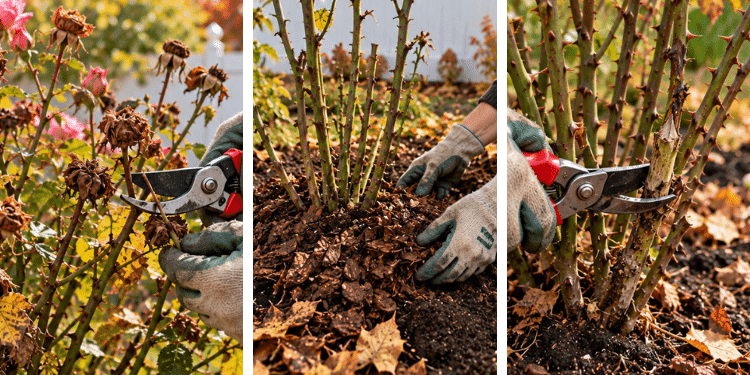
October is a good time to inspect your rose bushes for damaged or unhealthy growth. Although major pruning is usually best saved for late winter or early spring, removing clearly dead, broken, or diseased branches can help prevent further problems.
Look for stems that are completely brown and brittle, branches that have snapped, or canes showing signs of serious disease.
Use clean, sharp pruning shears and make careful cuts back to healthy tissue when necessary. If you notice fungal infections, remove affected material and dispose of it appropriately rather than leaving it around the base of the plant.
Avoid cutting away large amounts of healthy green growth simply to make the bush look tidy.
October note: In cold climates, wait until late winter or early spring for major structural pruning. Leaving healthy canes intact during autumn helps reduce unnecessary exposure to winter damage.
2. Stop Heavy Pruning Before Winter Arrives
One of the biggest mistakes gardeners make in October is cutting their roses down dramatically.
Heavy pruning can stimulate new shoots when temperatures are still mild. Unfortunately, this tender growth may not have enough time to mature before freezing weather arrives.
Fresh shoots are particularly vulnerable to frost, and damage can extend into the stems.
For most repeat-flowering shrub roses, hybrid teas, floribundas, and grandifloras, major pruning is better performed as winter ends and buds begin swelling.
In areas with mild winters, pruning schedules may differ, but October is generally not the ideal time for aggressive cutting in regions where hard freezes are expected.
Pruning note: If your rose bush is unusually tall and exposed to strong winter winds, you may shorten excessively long canes slightly to reduce whipping. Save detailed shaping and hard pruning for the appropriate season.
The goal is to protect the plant, not force new growth.
3. Leave Some Rose Hips and Stop Encouraging New Flowers
If your roses are still blooming in October, you may wonder whether you should continue deadheading them.
During summer, removing spent flowers encourages many repeat-blooming roses to produce additional buds. However, as autumn progresses, encouraging more tender growth becomes less desirable in cold climates.
Allowing some spent flowers to develop into rose hips can be a useful part of seasonal care.
Rose hips are the small, rounded fruits that form after flowers fade. Depending on the variety, they may turn red, orange, or dark purple as they mature.
They add autumn interest and can provide food for wildlife.
Stop routine deadheading as freezing weather approaches, especially if you want the plant to slow down naturally.
October note: Not all roses produce attractive hips, and some modern varieties develop very few. There’s no need to worry if your plant doesn’t form them.
Leaving rose hips is optional, but it’s an easy way to enjoy additional seasonal interest without encouraging unnecessary late growth.
4. Clean Up Fallen Leaves and Check for Disease
Roses can develop fungal diseases such as black spot, rust, and powdery mildew, particularly during humid or rainy weather.
Some disease-causing organisms survive on infected leaves and plant debris, allowing problems to return during the next growing season.
October is an excellent time to remove heavily infected fallen foliage from beneath your roses.
Collect diseased leaves and dispose of them according to local garden-waste recommendations. Avoid placing infected material in a home compost pile that may not reach temperatures high enough to reduce pathogens.
You can also remove leaves that are badly diseased while leaving healthy foliage in place until it naturally declines.
Disease prevention note: Don’t strip every healthy leaf from your roses simply because October has arrived. Leaves that remain green are still helping the plant produce and store energy.
Good sanitation reduces disease pressure, although it cannot guarantee a completely disease-free spring.
5. Give Roses a Deep Watering Before the Ground Freezes
Although roses begin slowing their growth in autumn, their roots still need adequate moisture.
If October has been unusually dry, watering before winter can help prevent drought stress, especially in newly planted roses.
Dry soil can also contribute to winter stress when cold winds increase moisture loss.
Check the soil several inches below the surface. If it’s dry, water slowly and deeply around the root zone.
Avoid wetting the foliage unnecessarily, particularly late in the day when leaves may remain damp overnight.
Established roses may need little additional watering during a rainy autumn.
Watering note: Roses need adequate moisture, but they don’t tolerate prolonged waterlogging. If the soil is already wet, additional watering can create problems rather than solve them.
Continue monitoring moisture until the ground freezes, especially around young plants.
6. Add Mulch to Protect the Roots
Mulching is one of the simplest ways to help roses cope with changing autumn temperatures.
A layer of organic mulch helps conserve soil moisture, suppress weeds, and moderate temperature fluctuations around the roots.
Composted bark, shredded leaves, or other suitable organic materials can work well.
Spread approximately 2–3 inches of mulch over the surrounding soil, keeping it slightly away from the main stems during mild weather.
In colder regions, some roses may need additional winter protection around the crown or graft union after the ground begins freezing.
October note: Don’t mound thick, wet mulch around rose stems too early in autumn. Waiting until consistently cold weather arrives helps avoid trapping unnecessary moisture against the plant.
Mulching requirements vary depending on the rose variety, climate, and whether the plant is grafted or growing on its own roots.
7. Stop Fertilizing to Allow Roses to Harden Off
Roses benefit from appropriate feeding during active growth, but October is usually not the time to encourage fresh shoots.
High-nitrogen fertilizer can stimulate soft new growth that may be damaged by early frost.
In regions with cold winters, feeding is generally stopped well before the first expected freeze.
If you’ve already fertilized your roses during spring and summer, additional autumn feeding may not be necessary.
Instead, focus on maintaining healthy soil and allowing the plant to transition naturally toward dormancy.
Fertilizing note: Don’t apply fertilizer simply because your roses have stopped flowering. Reduced blooming in autumn is often a normal seasonal response rather than a nutrient deficiency.
A soil test can help identify genuine nutrient problems before the next growing season.
8. Protect Climbing Roses From Winter Winds
Climbing roses require slightly different autumn care because their long canes can be vulnerable to wind damage.
Instead of cutting the entire plant back, inspect the supporting structure and make sure the canes are securely attached.
Use soft garden ties to fasten loose stems to a trellis, fence, or arbor.
Remove obviously broken or diseased growth, but avoid cutting healthy main canes unnecessarily.
Many climbing roses flower on established canes and lateral shoots, so aggressive autumn pruning can reduce their flowering potential.
Climbing rose note: Once-blooming climbers and ramblers often have different pruning requirements from repeat-flowering varieties. Always identify your rose before making major cuts.
In extremely cold climates, particularly vulnerable climbing roses may require additional winter protection.
9. Protect Grafted Roses and Tender Varieties
Not all roses have the same cold tolerance.
Many hardy shrub roses survive winter with little protection, while hybrid teas, tender varieties, and some grafted roses may need additional care.
The graft union is the swollen area near the base where the cultivated rose variety was joined to a rootstock.
In cold climates, protecting this area can be especially important.
After the ground begins freezing, mound loose, well-drained soil or compost around the base where recommended for your rose type and climate. A protective mound approximately 8–12 inches high is sometimes used for vulnerable grafted roses.
Avoid using material that remains excessively wet.
Winter protection note: Don’t assume every rose needs heavy insulation. Excessive protection in mild climates can trap moisture and encourage disease.
Choose protection based on your local winter temperatures and the hardiness of your particular rose.
10. Check Container Roses Before Freezing Weather
Roses growing in containers face additional winter challenges because their roots are more exposed to cold temperatures.
Even a variety that survives outdoors in garden soil may experience root damage when grown in a small pot.
If you live in a cold region, move container roses to a sheltered location once they enter dormancy.
An unheated garage, protected porch, or other suitable frost-protected space may work, depending on the rose and local temperatures.
If pots must remain outdoors, group them together in a sheltered location and insulate the containers appropriately.
Continue checking soil moisture occasionally, as dormant roses shouldn’t remain completely dry for extended periods.
Container note: Don’t bring dormant roses into a warm living room unless they’re being managed as actively growing plants with adequate light. Excessive warmth may encourage premature growth during winter.
What About Pruning Different Types of Roses?
Before pruning in October, it’s helpful to understand that different rose groups have different growth habits.
Hybrid tea and floribunda roses: Avoid major autumn pruning in cold climates. Perform structural pruning in late winter or early spring.
Shrub roses: Many need only light cleanup in autumn. Heavy pruning is often unnecessary.
Climbing roses: Secure long canes and remove damaged growth. Preserve healthy main stems unless the variety requires a different pruning approach.
Once-blooming old garden roses: These often flower on older wood and may lose next year’s flowers if pruned at the wrong time. Major pruning is generally performed after flowering when needed.
Miniature roses: Remove dead or diseased material, but avoid unnecessary hard pruning before winter.
Important note: The correct pruning schedule depends on both rose type and climate. A technique suitable for a mild southern garden may not be appropriate in a northern region with severe winters.
The beautiful roses you enjoy next year begin with the care you give them this October—and sometimes the most important thing is knowing what not to prune.