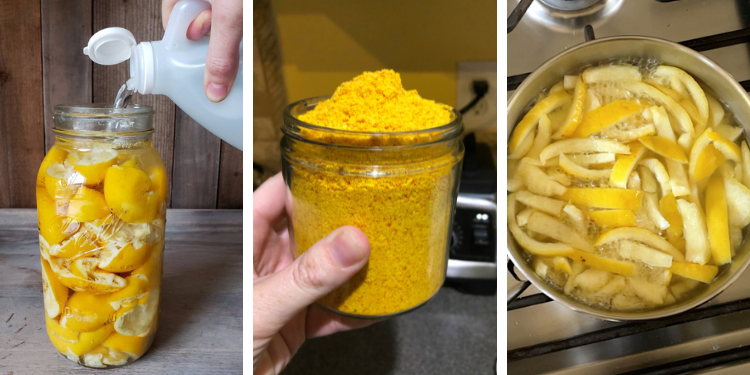
When cooler weather sets in and autumn cooking shifts toward rich soups, cozy baking, and warm teas, lemons become a daily staple in many kitchens.
Whether squeezing juice over roasted squash or stirring it into a mug of hot honey water, most people toss the spent rinds directly into the compost or trash without a second thought.
Throwing away lemon peels means discarding the most potent part of the fruit. The vibrant yellow rind (the flavedo) and the inner white pith contain significantly higher concentrations of essential oils, bioflavonoid antioxidants, and natural solvent compounds than the juice itself.
Repurposing citrus peels saves money, reduces food waste, and replaces harsh household chemicals with aromatic, non-toxic alternatives perfect for autumn living.
The Hidden Power Inside Citrus Peels
To understand why citrus peels are so valuable, consider their chemical composition. The tiny oil glands embedded across the outer surface are packed with d-limonene, a naturally occurring hydrocarbon compound widely used in commercial eco-friendly cleaners for its ability to cut through grease, wax, and mineral build-up.
-
D-Limonene Power: Dissolves sticky residue, grease, and grease-bound dust without synthetic detergents.
-
Citric Acid Residue: Breaks down calcium, lime deposits, and hard water stains on stainless steel and glass.
-
Polyphenols & Bioflavonoids: Packed with antioxidants like rutin and hesperidin, which provide natural preservation and antimicrobial benefits.
Rather than buying expensive single-use room sprays, synthetic air fresheners, or harsh degreasers this season, you can transform leftover citrus waste into high-performing, fall-ready household solutions.
1. Craft an Autumn Citrus-Spice Stovetop Simmer Pot
As homes are closed up against the autumn chill, indoor air can quickly become stale or retain heavy cooking odors. Stovetop simmer pots offer an easy, natural alternative to synthetic scented candles or plugin air fresheners.
Combining leftover lemon peels with warm fall spices fills your home with a cozy scent while acting as a natural room humidifier.
Ingredients for a Fall Citrus Simmer Pot:
• Peels from 2–3 lemons (or mixed citrus)
• 2 cinnamon sticks
• 1 tablespoon whole cloves
• 1 star anise pod
• 1 sprig fresh rosemary or pine needle
• 4–6 cups water
Simply place all ingredients into a small saucepan or Dutch oven, cover with water, and bring to a gentle simmer on your stove’s lowest setting.
Top up the water every hour as it evaporates. The steam carries essential citrus oils and aromatic spices throughout the entire home.
2. Brew a Citrus-Infused Vinegar All-Purpose Cleaner
Distilled white vinegar is a staple for non-toxic cleaning, but its harsh, pungent smell can deter frequent use.
Infusing vinegar with leftover lemon peels cuts the sharp odor while extracting powerful d-limonene degreasers into the solution.
3. Make DIY Candied Lemon Peels or Citrus Finishing Sugar
Instead of letting citrus rinds end up in the bin, elevate your fall baking by turning peels into gourmet sweet treats or aromatic finishing sugars.
Candied Citrus Peels
-
Slice the rinds into thin strips.
-
Parboil them three times in fresh water for 5 minutes each to remove excess bitterness from the pith.
-
Simmer in a simple syrup (equal parts water and sugar) for 45 minutes until translucent.
-
Toss in granulated sugar and let dry on a wire rack overnight.
Homemade Lemon Sugar
Microplane the outer zest before squeezing lemons for juice. Mix fresh zest directly into granulated sugar and store it in an airtight glass jar.
The sugar absorbs the volatile oils, yielding an aromatic citrus sugar perfect for dusting onto fall muffins, oatmeal, or hot tea.
4. Deodorize Garbage Disposals and Trash Cans
Colder weather means furnace heat runs constantly, which can intensify odors coming from kitchen trash cans or sink drains.
-
Garbage Disposal Refresh: Drop 2–3 fresh or frozen lemon peel halves into the disposal unit. Turn on cold water and run the unit for 15 seconds. The coarse peels scrub organic buildup off the blades while releasing d-limonene to eliminate lingering food smells.
-
Trash Can Freshener: Place dried lemon peels underneath your trash bag lining at the bottom of the bin to absorb odors and keep pests away.
Quick Comparison: Household Uses for Lemon Peels
| Method | Key Ingredients | Ideal Application | Main Benefit |
| Simmer Pot | Lemon peels, cinnamon, cloves, water | Living areas, kitchens | Natural, non-toxic autumn home fragrance & hydration |
| Infused Cleaner | Lemon peels, white vinegar, water | Glass, tile, stainless steel, counters | Cuts heavy kitchen grease without chemical fumes |
| Garbage Refreshes | Whole spent peels, cold water | Sink drains, waste bins | Scour disposal blades & neutralize stubborn odors |
| Citrus Sugar | Fresh lemon zest, granulated sugar | Baking, tea, roasted fruit | Preserves flavor for months with zero waste |
5. Exfoliating Citrus & Sea Salt Body Scrub
Dry fall air often leads to dull, dry skin on hands and elbows. Lemon peel zest combined with coarse sea salt and nourishing coconut oil creates a spa-quality physical exfoliant.
-
Citric Acid Exfoliation: Naturally dissolves dead skin cell bonds (mild alpha-hydroxy acid effect).
-
Granulated Sea Salt: Gently sloughs off dry patches and increases localized circulation.
-
Coconut Oil: Seals in moisture to protect the skin barrier against cold winds.
Mix 1 cup of coarse sea salt, 1/2 cup of melted coconut oil, and the fresh zest of two lemons. Store in a glass jar near the bathroom sink for a refreshing hand scrub.
By shifting how you view kitchen scraps this fall, simple lemon peels transform from everyday waste into versatile, cost-effective solutions for cleaning, baking, and home care.